You should fix this before the next hard freeze — or you’ll regret it
Photo credit: Kelly/Pexels.com
When the first hard freeze hits, it’s always the same story—people rushing around trying to thaw pipes, patch hoses, or cover spigots at the last minute. By then, the damage is usually done.
The good news is, most cold-weather problems are preventable if you handle them before that first deep freeze sets in. A few quick fixes now can save you from some really expensive regrets later.
Insulate outdoor faucets and exposed pipes
Your outdoor faucets and any exposed pipes are the first to go when temperatures drop. A frozen pipe can crack and flood a house in minutes once it thaws. Foam faucet covers, pipe sleeves, or even old towels wrapped with tape will do the job. Don’t forget under sinks or crawl spaces where cold air sneaks in—one tiny draft is all it takes to turn a pipe into an ice plug.
Disconnect garden hoses
Leaving hoses connected traps water in the faucet line, and when it freezes, it expands right back into the house. Drain and roll up your hoses before winter, and store them somewhere dry. If you have an outdoor spigot with a shutoff valve inside, close it and drain the line too. It takes five minutes now, but it can save you from dealing with a burst pipe later.
Check your foundation vents and crawl space
Cold air pouring into a crawl space can freeze plumbing fast. Close or cover foundation vents before the hard freeze hits, and look for gaps where wind can blow in. Foam boards, vent covers, or even hay bales can make a difference. Keeping the crawl space a few degrees warmer can mean the difference between a working sink and a costly repair call.
Seal up drafts and gaps
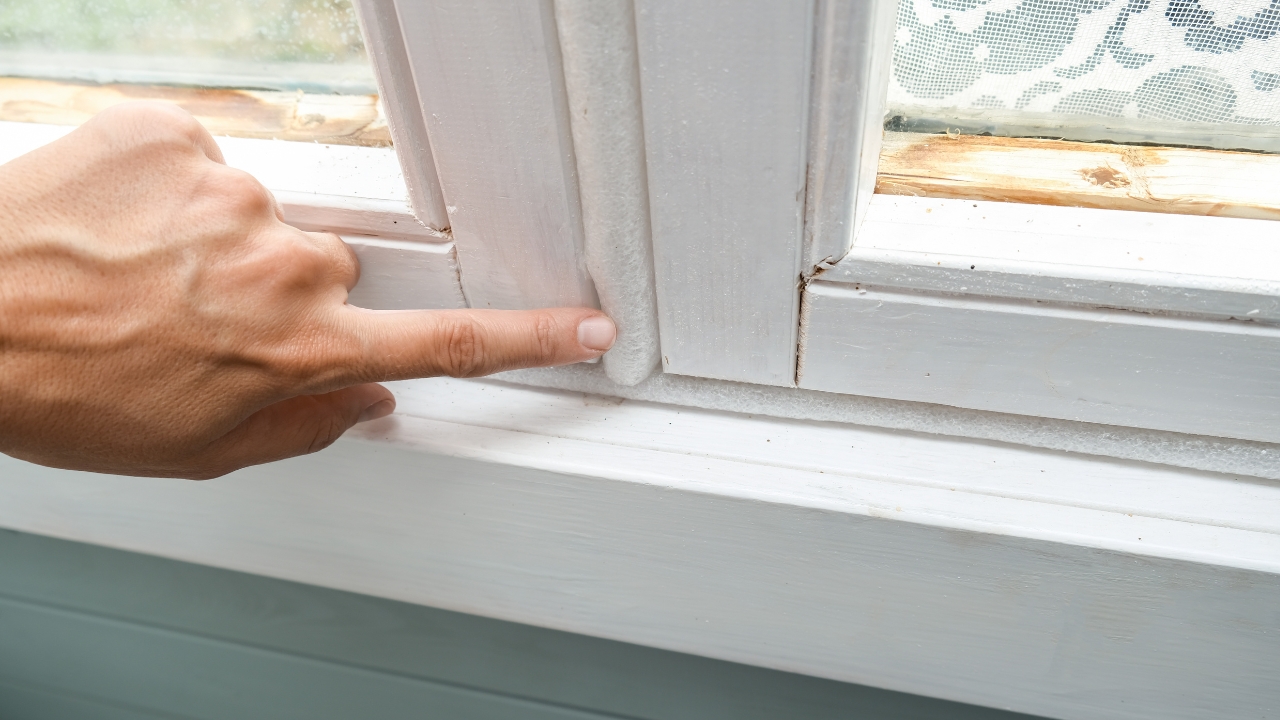
Feel for cold air around doors, windows, or electrical outlets along exterior walls. Those leaks make it harder to keep the house warm and can chill nearby pipes or fixtures. Weatherstripping, foam outlet gaskets, and a tube of caulk go a long way. It’s not about making the house airtight—it’s about keeping the freezing air where it belongs.
Protect well pumps and pressure tanks
If you’re on a well, your pump and pressure tank need extra attention. Cover exposed parts with insulated boxes or heat tape rated for outdoor use. Some people use heat lamps, but that’s risky if left unattended. A safer option is a small, enclosed heater with a thermostat. Once your water system freezes, you’re out of luck until it thaws, so this one’s worth the effort.
Service your furnace or heating system
A hard freeze is not the time to find out your heater’s struggling. Change filters, test your thermostat, and make sure vents aren’t blocked. If you have a wood stove, clean the chimney and check for buildup. Running your heat efficiently helps keep the whole home warmer, and that warmth helps protect plumbing in walls and floors.
Drain and store outdoor equipment
Sprinklers, power washers, and garden tools with water lines all need to be drained before winter. Leftover water expands as it freezes, cracking seals and fittings. Store them in a garage or shed where they’re out of the wind. You don’t want to start spring with a pile of broken hoses and busted attachments.
Check gutters and downspouts
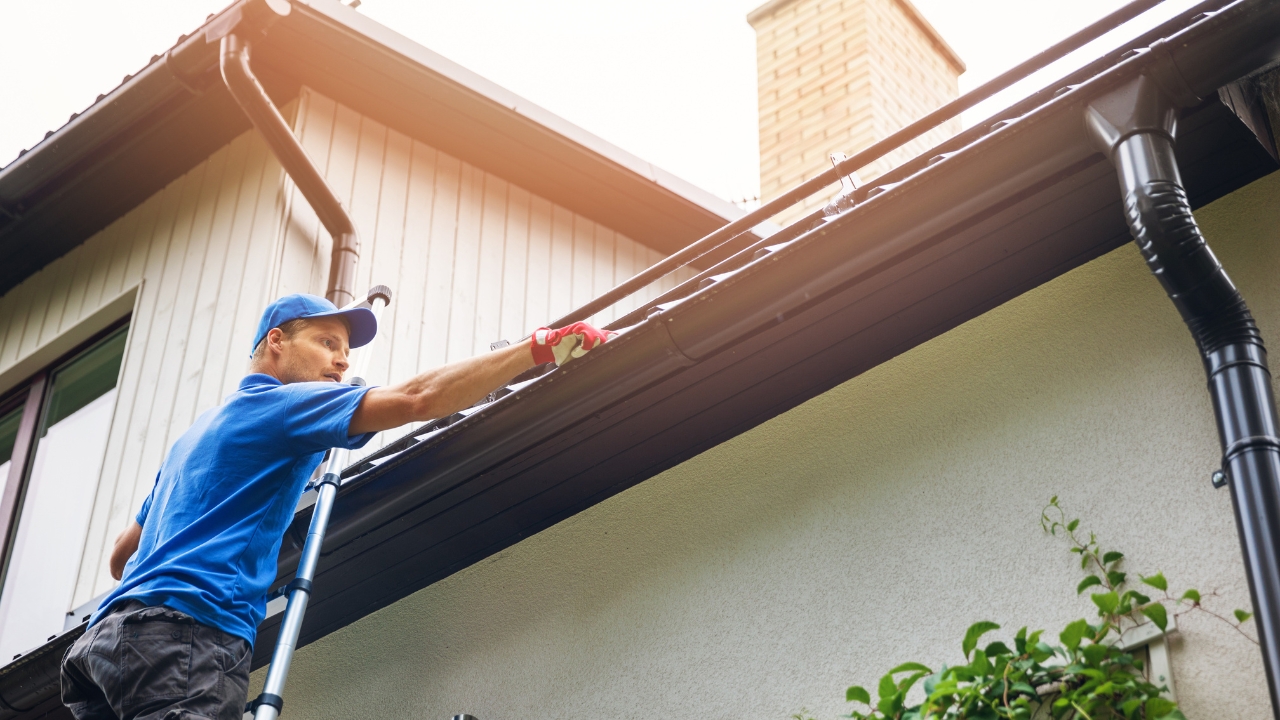
Clogged gutters turn into ice dams that can back water into your roof and walls once temperatures swing. Clear out leaves and debris so melting snow and rain can flow freely. While you’re at it, make sure downspouts direct water away from your foundation—it’ll prevent both ice buildup and future leaks.
Like Fix It Homestead’s content? Be sure to follow us.