You don’t need shiplap to get a Fixer Upper look anymore
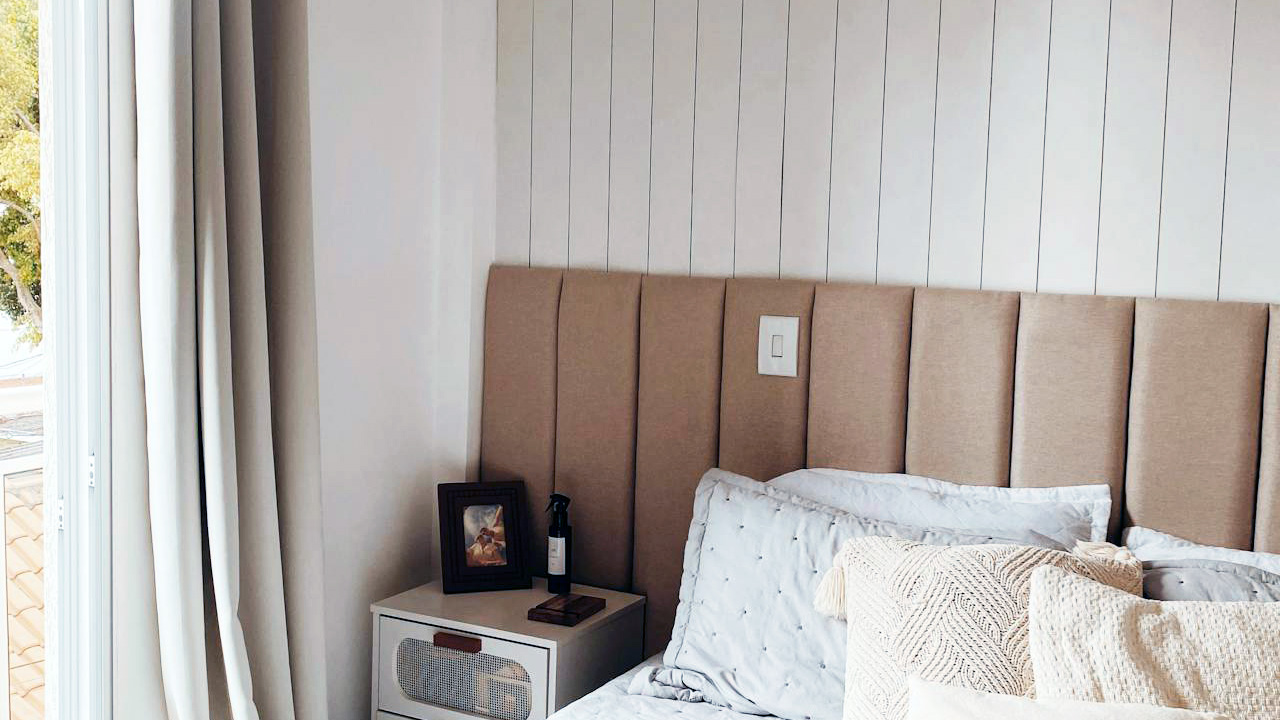
Photo credit: Anna Zanovelli Bacci/Pexels.com
Once upon a time, you couldn’t flip a home without installing horizontal white-washed boards across a wall. Thanks to the popularity of Fixer Upper and similar style trends, shiplap became synonymous with farm-chic.
But now that look is everywhere—and that means using it doesn’t make a space feel special anymore. The good news? You can achieve the same warmth, texture, and visual appeal without ever using a real board of shiplap.
Vertical lines work better than horizontal overload
One of the tell-tale clues of over-used shiplap is entire rooms full of horizontal boards. That repetition lowers ceilings visually and makes everything feel boxed in.
Instead, switching to vertical paneling or a tall board and batten treatment draws the eye upward. Your space feels taller, cleaner, and less styled for TV. Wall paneling isn’t just shiplap horizontal anymore.
Texture beats theming
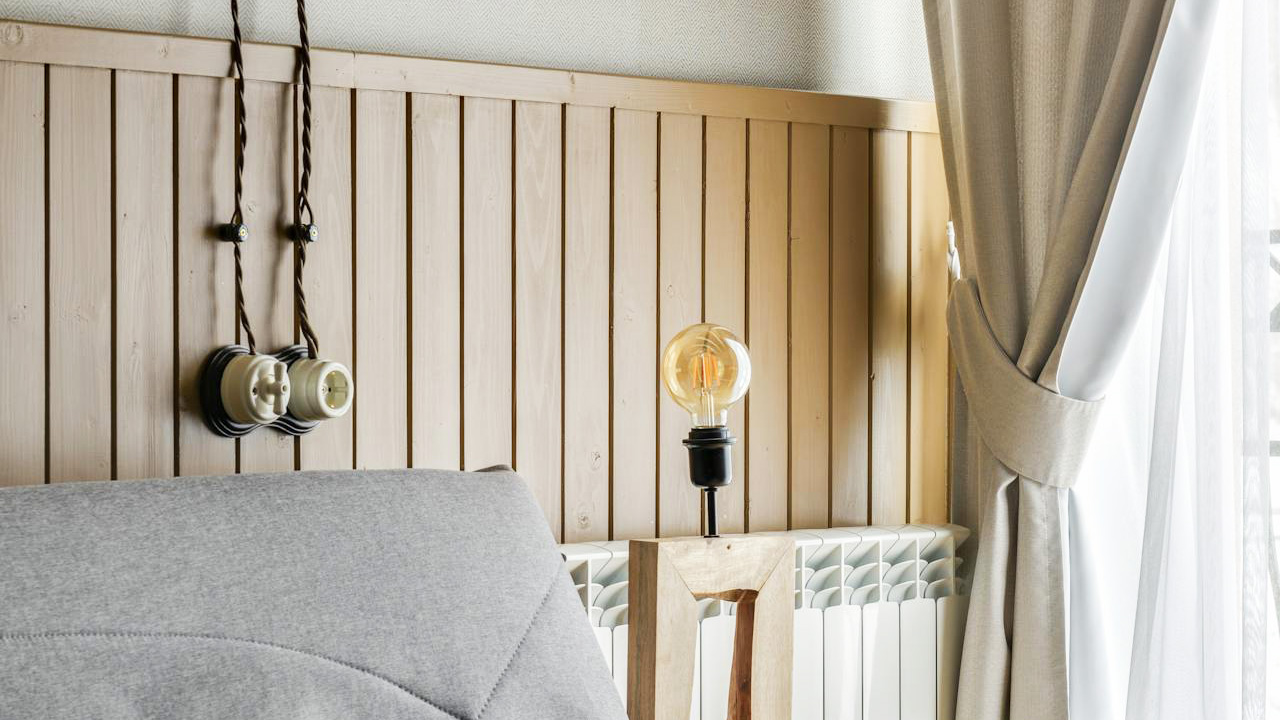
The real appeal of shiplap was the subtle grooves, shadow lines, and added dimension—not the barn-yard vibe. New alternatives like reeded wall panels, board and batten, or nickel-gap boards give the same visual depth while feeling modern and refined.
These options let the wall have character without shouting “farmhouse,” so your space reads as intentional—not trendy.
Materials that age better
Shiplap boards are wood—wood moves, cracks, collects dust in grooves. Many of today’s paneling options are engineered or pre-finished, which means fewer gaps, less dust, and better fit in modern homes.
Using materials that perform better means your space looks refinished even years down the road, without the “dated” stamp many shiplap rooms now carry.
Less extra = more elevated
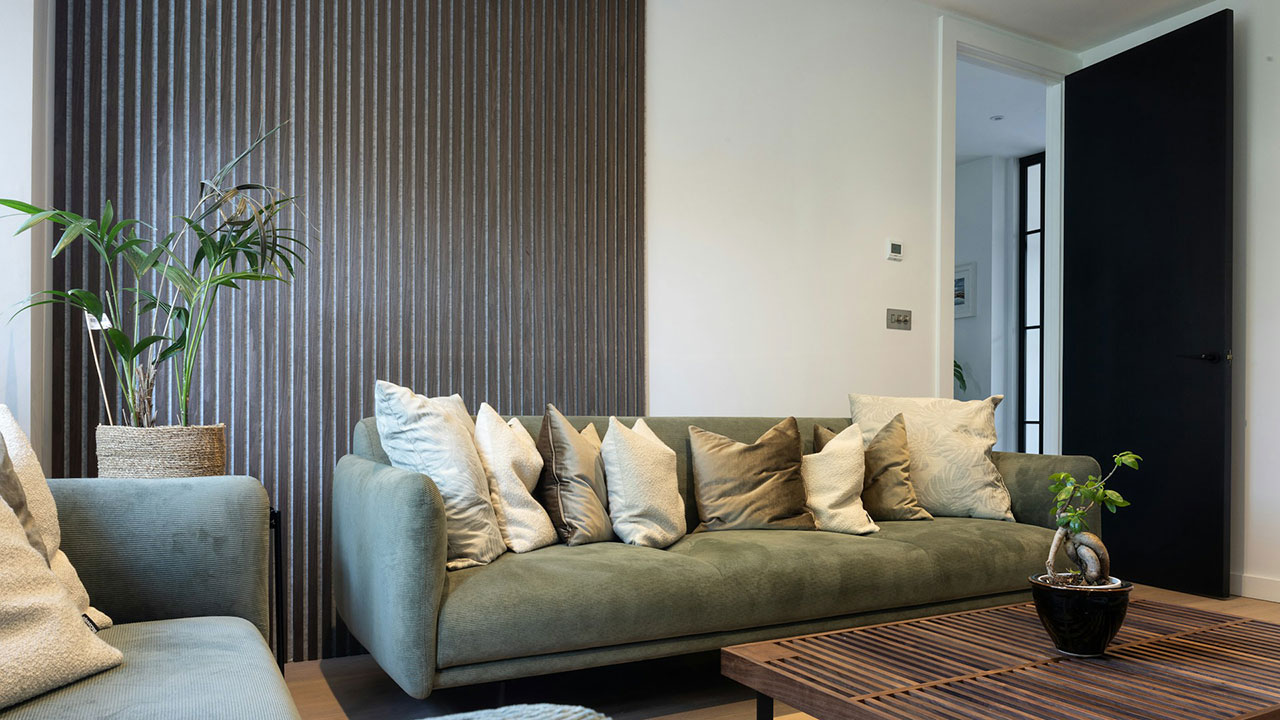
The farmhouse trend overloaded walls with texture, brackets, beams, and more. When every wall is worked on, nothing stands out. What makes a home look expensive is restraint. Pick one accent wall with subtle texture—perhaps a lacquered finish with vertical panels—and let the rest rest.
The result: it feels custom, not replicated. According to recent design write-ups, overdoing paneling is losing favor for homes trying to age well.
How you can try it yourself
You don’t have to rip out walls to make this work. Try choosing a wall you’d like to highlight—above a buffet, behind a bed, or in the entryway. Install vertical panels like subway-planks, or use slim battens spaced evenly over painted drywall.
Stick to one color, texture or finish, and leave the other walls uncluttered. It’ll look like you hired someone to update the space—not like you followed a trend.
If you’re ready for a home that feels thoughtfully styled instead of show-house themed, skip the shiplap boards and go with a material that quietly signals quality. The kind of design that outlasts a TV show—and that’s the kind you’ll still appreciate in ten years.