How to make your house feel warmer without touching the thermostat
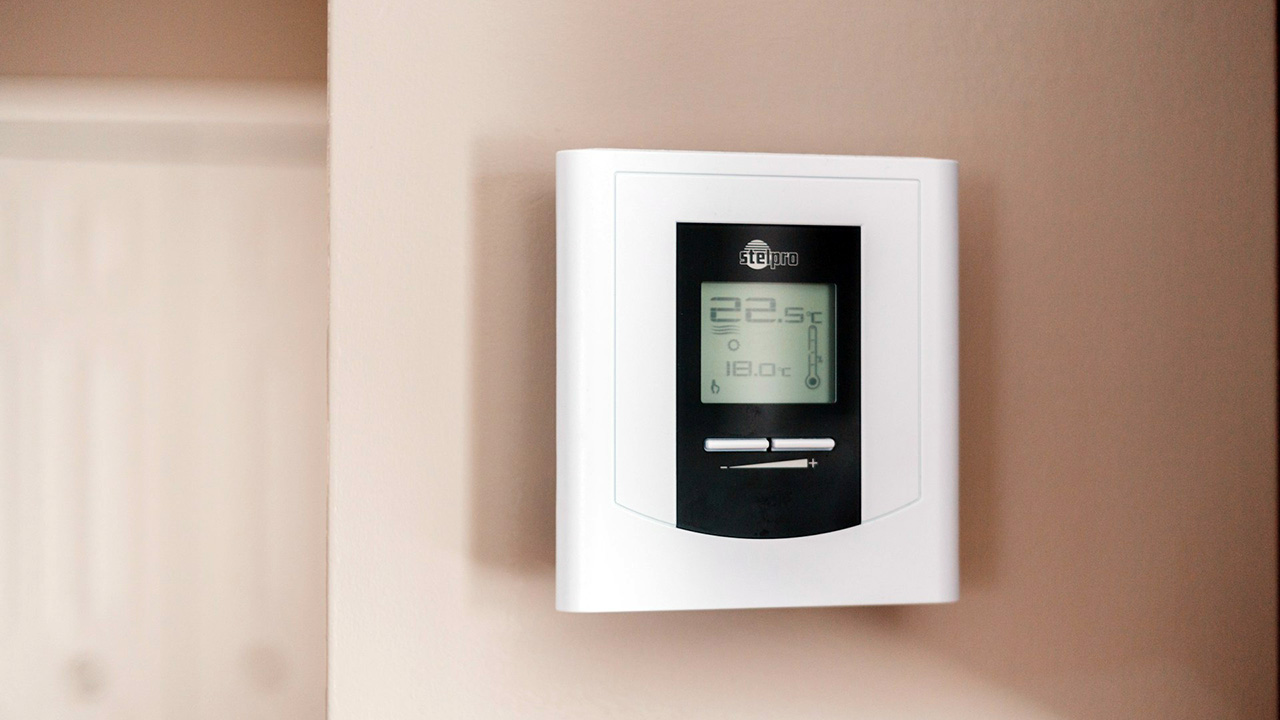
Photo credit: Erik Mclean/Unsplash.com
When the air turns cold, the first instinct is to bump up the heat. But small adjustments can make your home feel noticeably warmer without touching the thermostat.
Most of the time, the chill you feel has more to do with drafts, light, and texture than the actual temperature. A few smart tweaks can make your house feel cozier and save you money in the process.
Layer your lighting
Harsh overhead lighting can make a space feel colder, even when it’s not. Swap out cool-toned bulbs for warm white or soft white options around 2700K. Then add a few lamps or sconces to create layered lighting instead of relying on a single bright fixture. The warmer glow softens shadows and instantly makes rooms feel more comfortable and inviting.
Add heavier window treatments
Bare windows let in cold drafts, even if they’re closed tight. Thicker curtains or lined drapes add insulation and visual warmth at the same time. In the evenings, closing them helps trap heat inside, while the fabric itself gives the space a more grounded, finished feel. If you like the look of light filtering in, consider double layering with sheer panels underneath.
Focus on texture and layers
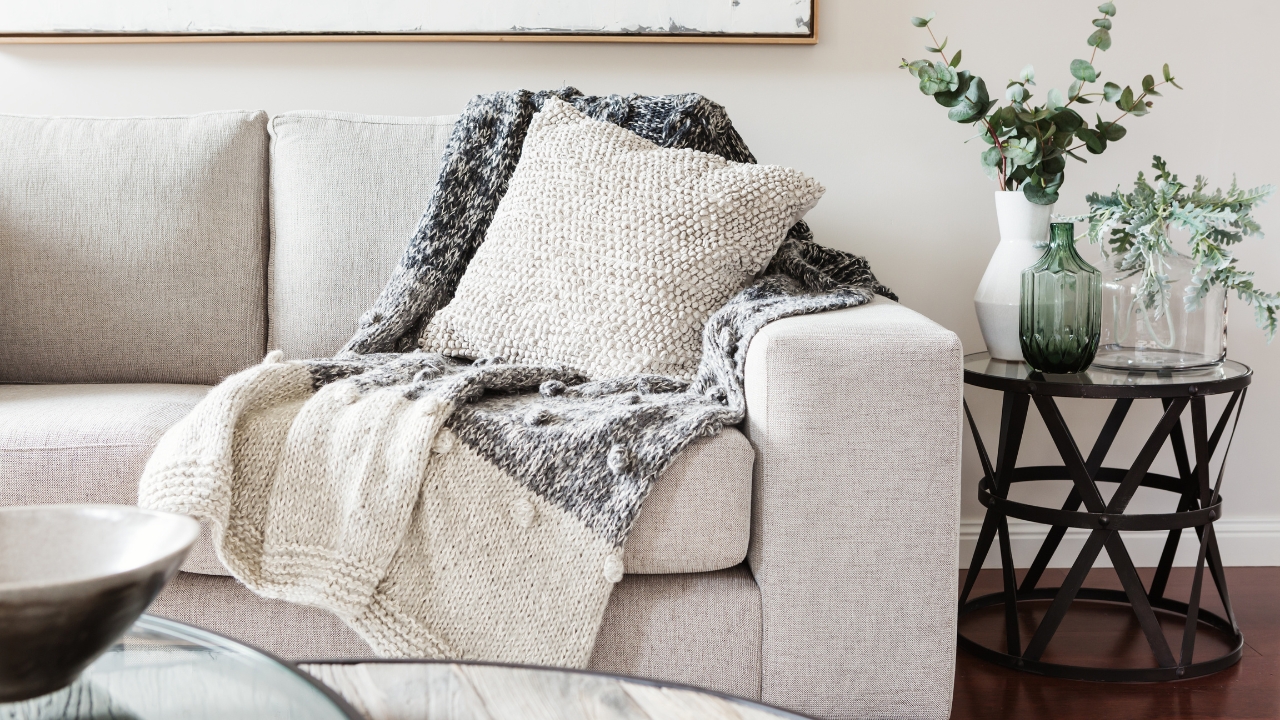
Flat, smooth surfaces make a room feel cooler. When you add texture—like a chunky throw, a woven rug, or linen bedding—it visually warms up the space. Layering soft fabrics makes you feel warmer even if the actual temperature doesn’t change. Natural materials like wool, jute, and cotton absorb warmth better than synthetics, too.
Block drafts and seal gaps
You’d be surprised how much cold air sneaks in under doors and around outlets. Use draft stoppers, outlet insulators, and weatherstripping in key spots like the front door, attic access, and windows. Stopping small air leaks keeps the heat you already have inside and cuts down on the chill that makes you reach for the thermostat.
Rearrange furniture for better comfort
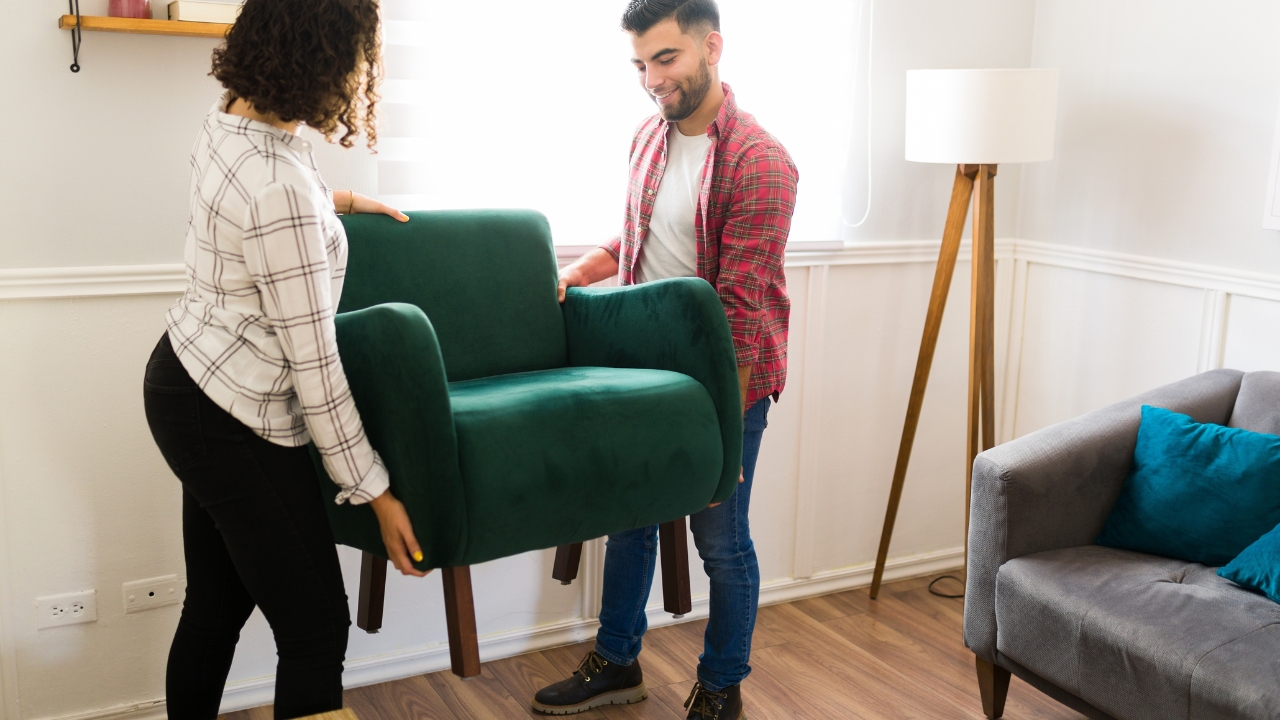
If your favorite chair is right by a window or vent, it’ll always feel colder no matter what. Moving furniture away from drafts and closer to interior walls keeps you more comfortable. Opening up pathways around heat vents also lets warm air circulate better through the room, helping every part of the house feel more even.
Use warm-toned colors
Color temperature matters more than most people realize. Cool grays and whites reflect light in a way that makes rooms feel cooler. Warmer neutrals—like cream, taupe, or soft terracotta—absorb light differently and create a cozier visual tone. Even swapping out a few pillow covers or wall art pieces can shift how a space feels.
You don’t have to run the heat nonstop to make your home feel warm. By changing how your space looks and functions, you can create comfort that lasts—and your energy bill will thank you for it.
Like Fix It Homestead’s content? Be sure to follow us.