Your home might be full of cheap upgrades that look high-end — or the other way around
Photo credit: Lisaphotos195/Pixabay.com
Some upgrades make your house feel more expensive the minute you walk in. Others look great at first but start showing their true colors a few months later.
The tricky part is figuring out which ones are worth it and which ones are quietly cheapening the whole space. The difference usually isn’t in the price tag—it’s in the materials, finish, and how they hold up over time.
Peel-and-stick shortcuts rarely age well
Peel-and-stick options for flooring, backsplash, and wallpaper can look impressive right after install, but they don’t handle wear and tear well. Corners start peeling, seams separate, and the finish dulls fast—especially in high-traffic spots. If you love the look, consider using it in a smaller or low-use area, like a laundry room or closet, where it won’t take daily abuse.
High-gloss paint can backfire
A shiny finish can look modern in photos, but in person, it tends to highlight every wall flaw. Unless your drywall is perfectly smooth, high-gloss and semi-gloss finishes will show uneven texture and patch marks. A satin or matte finish usually looks more refined and hides imperfections better.
Fake marble and granite aren’t fooling anyone
Laminate counters with busy patterns and high shine were popular because they were affordable. But they often read as dated and cheap up close. There are better budget options now—like butcher block, quartz-look laminate, or even painted epoxy—that give a cleaner, more high-end feel without pretending to be something they’re not.
Cheap hardware instantly gives you away
Cabinet and door hardware might seem like a small detail, but it’s one of the first things people touch. Lightweight knobs, thin handles, and fake finishes can make even nice cabinetry feel cheap. Solid metal hardware—even from affordable lines—adds weight, texture, and that subtle “this feels expensive” quality.
Flooring transitions make or break the look
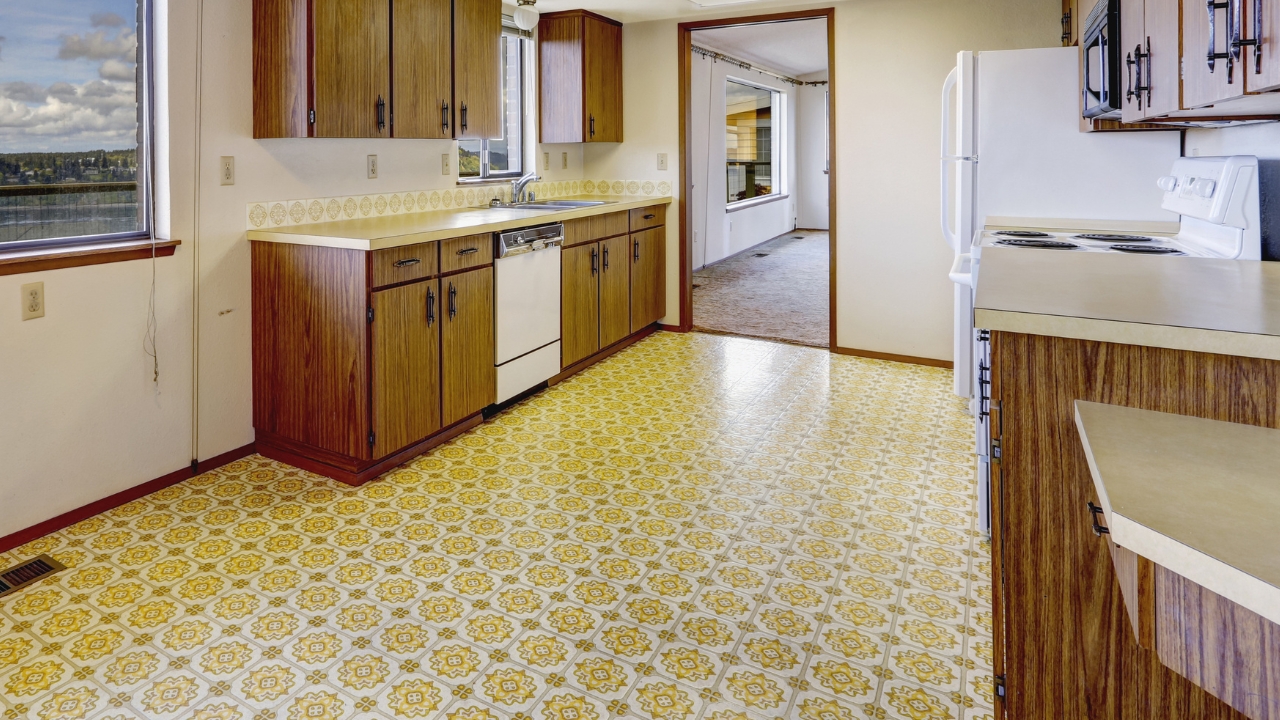
When one flooring type meets another, the transition strip can be the difference between “custom” and “DIY gone wrong.” Cheap plastic or mismatched metal pieces stand out right away. Coordinating your materials and using clean, flush transitions makes everything flow together and gives the house a more seamless, professional look.
Builder-grade light fixtures drag a room down
Lighting changes everything. Those brushed nickel or basic dome lights that come standard in most homes instantly age a space. Swapping them for matte black, aged brass, or textured glass fixtures can transform a room for less than $100 per light. Even if the fixture isn’t pricey, the right finish and shape make it feel like it was chosen intentionally.
Furniture that looks expensive doesn’t have to be
A $200 couch can look high-end if it’s the right color and texture. Neutral fabrics, simple lines, and solid legs always look more timeless than bulky or overly trendy pieces. On the flip side, bright “statement” furniture tends to look cheaper faster—especially when it’s made from thin, shiny materials that don’t wear well.
Faux finishes can go either way
There’s nothing wrong with using imitation materials, but they need to be convincing. A faux wood beam that’s clearly plastic or a “stone” veneer that looks flat will pull down the whole room. The key is texture—materials that mimic depth and variation look far more realistic, even if they cost the same as the fake-looking ones.
Rugs and curtains tell on you fast
A thin rug that curls at the corners or curtains hung too low can cheapen a whole space. It’s not about spending more—it’s about proportions and placement. Hang curtains high and wide to make windows look larger. Choose rugs big enough to fit under furniture legs. The right sizing alone can make budget pieces look custom.
Overdecorating makes everything look cheaper
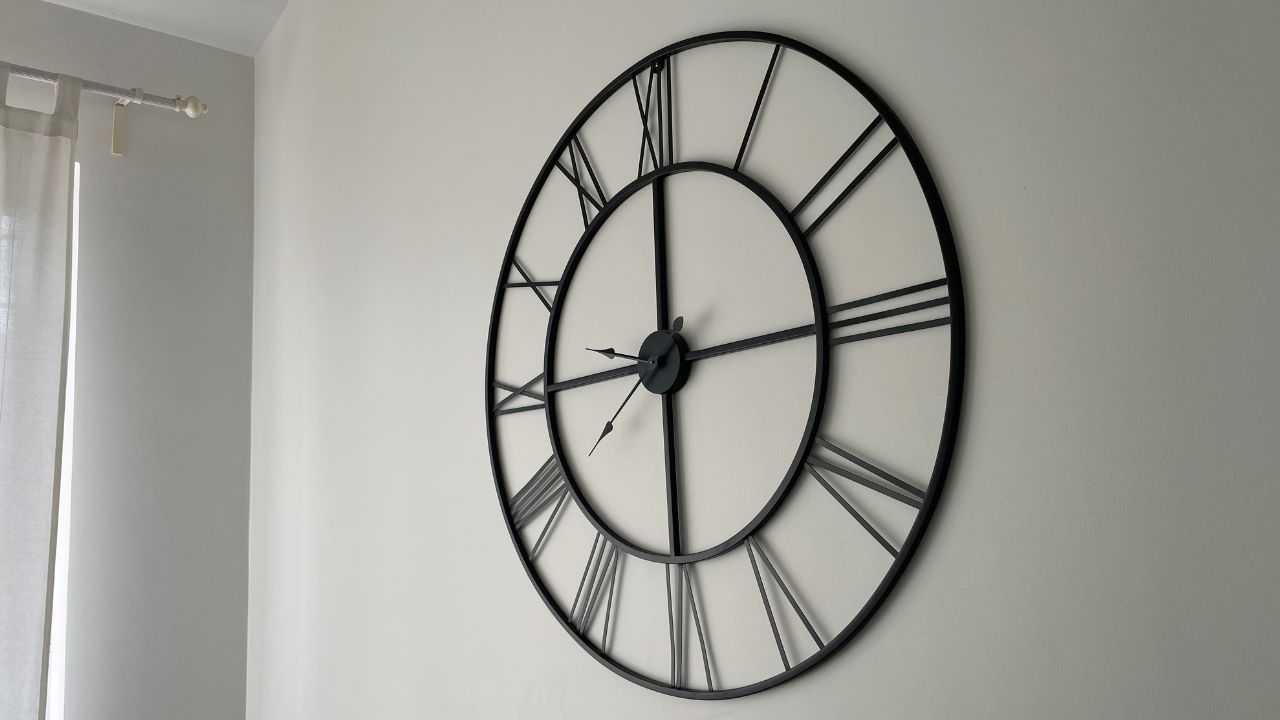
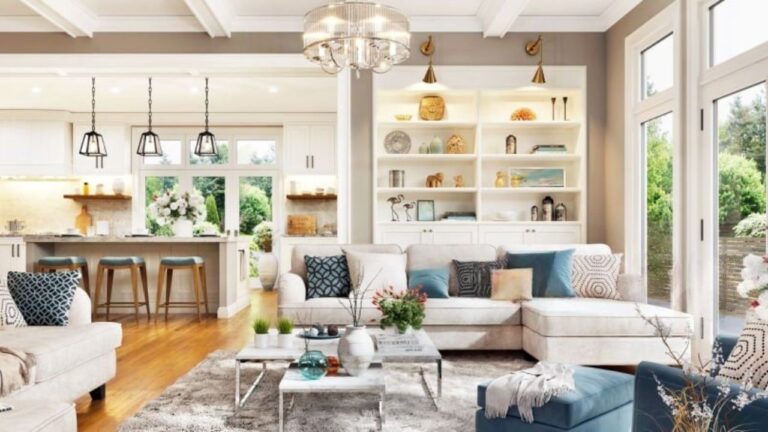
Too many trendy pieces or oversized “statement” decor items can make even good furniture fade into the background. High-end homes usually look effortless because they’re not crammed full of accents. A few intentional pieces—real greenery, layered textures, and neutral tones—make a space feel elevated without spending a fortune.
The best upgrades are the ones that last
You don’t have to buy luxury materials to make your home look well-designed. Focus on quality where it counts—hardware, lighting, texture, and proportions. Those are the details that make your house look expensive, even if you pulled most of it off on a budget. The difference isn’t what you spent—it’s how well you planned it.
Like Fix It Homestead’s content? Be sure to follow us.