Most people regret their septic setup because of this
Photo credit: Blaszko/Shutterstock.com
A septic system sounds straightforward—you install the tank, run the lines, and call it a day. But most of the regrets homeowners have with septic setups come down to one thing: location.
Once it’s in the ground, there’s no easy fixing it, and the spot you choose affects everything from how well it works to how long it lasts. The truth is, a bad layout can cost you thousands in repairs, clog your yard with runoff, and make even basic maintenance a headache.
The wrong slope makes drainage a nightmare
Septic systems depend on gravity, which means placement is everything. If your drain field is uphill or too flat, water can’t move through the system properly. Wastewater builds up, the tank works harder, and eventually, you end up with standing water or slow drains inside the house.
You want a gentle slope that lets water flow naturally through the pipes and soil—not so steep that it erodes, but not so level that it backs up. It’s something people often overlook until the first big rainstorm turns their yard into a swamp.
The drain field is too close to everything else
Your drain field needs space to breathe. When it’s too close to trees, roots can work their way into the lines. When it’s near a garden or driveway, the soil can compact, stopping water from filtering properly.
It should also sit far enough from the house, wells, and property lines to meet local codes. Ignoring those distances might seem harmless at first, but it can turn into a major problem when you have to dig up and relocate part of the system later.
You didn’t test the soil first

Soil type makes or breaks a septic setup. Sandy soil filters quickly but might not clean the wastewater thoroughly. Clay-heavy soil does the opposite—it traps moisture and causes backups.
Percolation tests aren’t just red tape; they tell you whether your land can actually handle the system you’re installing. Skipping that step might save time upfront, but you’ll pay for it when your tank starts backing up or your drain field floods.
Access for maintenance was an afterthought
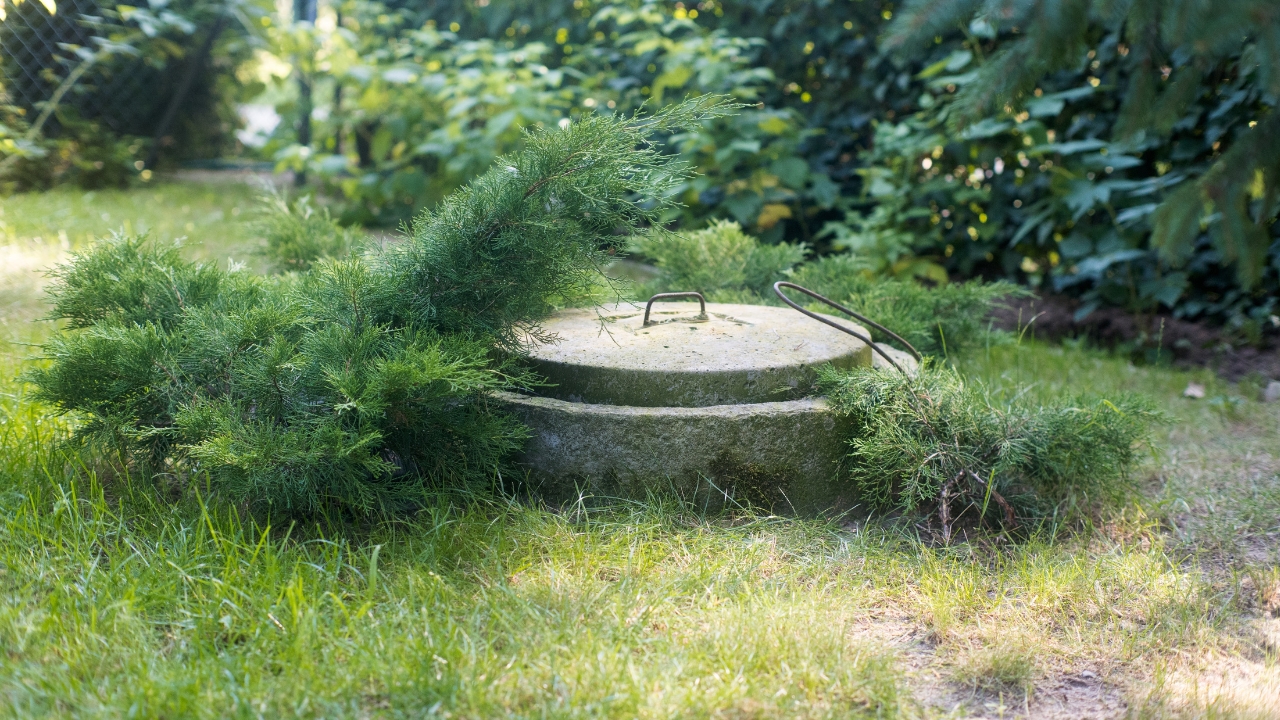
You’ll need to pump your septic tank every few years, and the people doing it have to reach it easily. A tank buried under a deck, shed, or hard-to-reach corner of the yard turns a routine job into a full-blown project.
Planning access early—like adding risers to the tank or marking its exact spot—saves a lot of frustration later. Many homeowners realize too late that their setup is technically fine but practically impossible to maintain.
You underestimated how much space it needs
A septic system isn’t just the tank—it’s the drain field, the lines, and the soil it relies on. If you size it too small for your household, it’ll wear out early. Every shower, load of laundry, and dishwasher cycle adds up.
Even a two-person home can overload a small system if you plan to expand later. When you build or buy, you want to think about the future—extra family, guests, or even a second building—because upgrading later is a whole new expense.
You didn’t plan for runoff
Rainwater and septic systems don’t mix. If your drain field sits in a low spot or at the bottom of a hill, heavy rain will flood it. Once that soil gets saturated, the system has nowhere to drain, and you’ll start seeing backups inside the house.
Good grading or even a small berm can protect your drain field from runoff. It’s a simple thing that most people never think about until it’s too late.
You didn’t separate graywater
Many older systems were designed to take everything—dishwater, laundry water, and toilet waste—all into one tank. But modern setups often separate graywater from blackwater to reduce strain and extend the life of the system.
If you’re building new or replacing an old one, separating those lines can save you money long-term. You’ll pump less often, and your drain field will stay healthier.
You didn’t think about the smell until it was too late
Vent placement is one of those details that seems minor until you smell it. If your vent pipe is near a porch, window, or outdoor seating area, you’ll regret it every time the wind changes direction.
A small adjustment in where you vent the system—usually toward the roofline or higher ground—keeps your yard from becoming the place no one wants to stand.
The installer didn’t follow the land
Some contractors treat septic systems like plug-and-play projects, but every piece of land is different. A cookie-cutter layout on sloped or uneven terrain almost always causes trouble later.
You want someone who studies how your land drains, where the natural flow goes, and how deep the frost line runs. A system designed for your property lasts longer and costs less to maintain.
You didn’t plan for what comes after
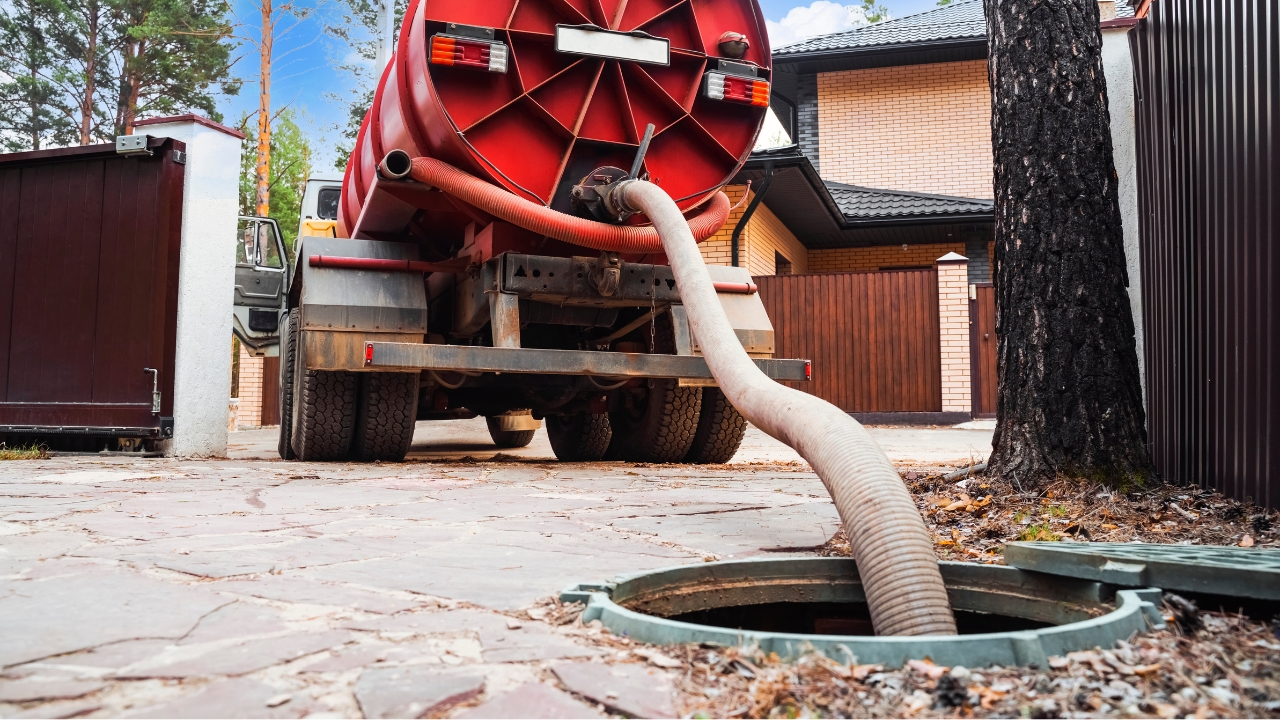
Even the best septic setup won’t last forever. Tanks need pumping, lines need inspection, and drain fields eventually age out. The biggest mistake people make is assuming they’ll deal with it “when the time comes.”
If you’re already investing thousands into a system, build a plan for its upkeep. Schedule routine checks, set reminders for maintenance, and keep the area clear. You’ll save yourself the stress—and the cost—of finding out too late that the system you buried years ago is now your biggest problem above ground.
Like Fix It Homestead’s content? Be sure to follow us.