How your ceiling height is silently dragging your style down
Photo credit: Justin Wolff/Unsplash.com
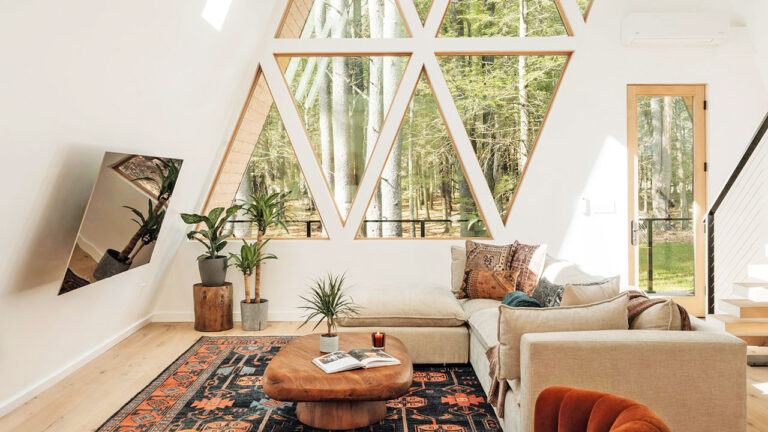
Ceiling height plays a bigger role in design than most people realize. It’s not just a measurement — it shapes how a room feels, how furniture looks, and even how light moves through the space. When a ceiling is too low or left untreated, it can make an otherwise nice room feel cramped or dated. And when it’s too high without balance, it can make the space feel cold or unfinished.
The good news is, once you understand how to work with what you have, you can fix the problem without touching the actual structure.
Low ceilings make a room feel heavier
If your ceiling is under nine feet, it naturally pulls the eye downward. That visual weight can make everything feel smaller, even if the room isn’t. The mistake many people make is decorating horizontally — wide curtains, low-hanging art, bulky furniture — which exaggerates the problem.
You can create the illusion of height by emphasizing vertical lines. Hang curtains higher than the window frame, use tall bookshelves or floor lamps, and pick furniture with visible legs instead of solid bases. When your eye travels upward, the ceiling suddenly feels higher than it really is.
High ceilings can feel unfinished without balance
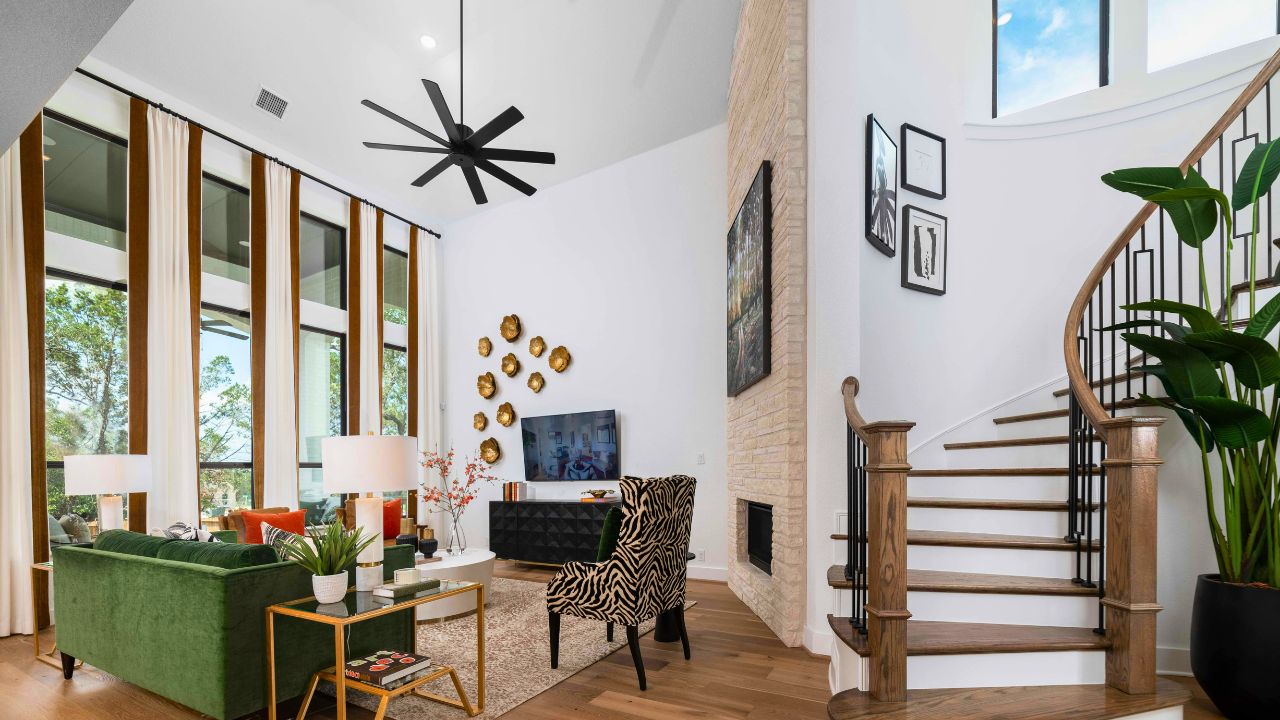
While most people dream of tall ceilings, they come with their own challenges. Empty vertical space can make a room feel echoey or impersonal if you don’t ground it properly. When the furniture sits too low and the walls feel bare, it throws off the proportions.
The trick is to visually lower the ceiling without losing its openness. Add large-scale art or taller light fixtures that draw attention downward. Layered lighting — like pendants, wall sconces, and lamps — helps fill the space evenly and makes it feel intentional instead of hollow.
Lighting placement changes everything
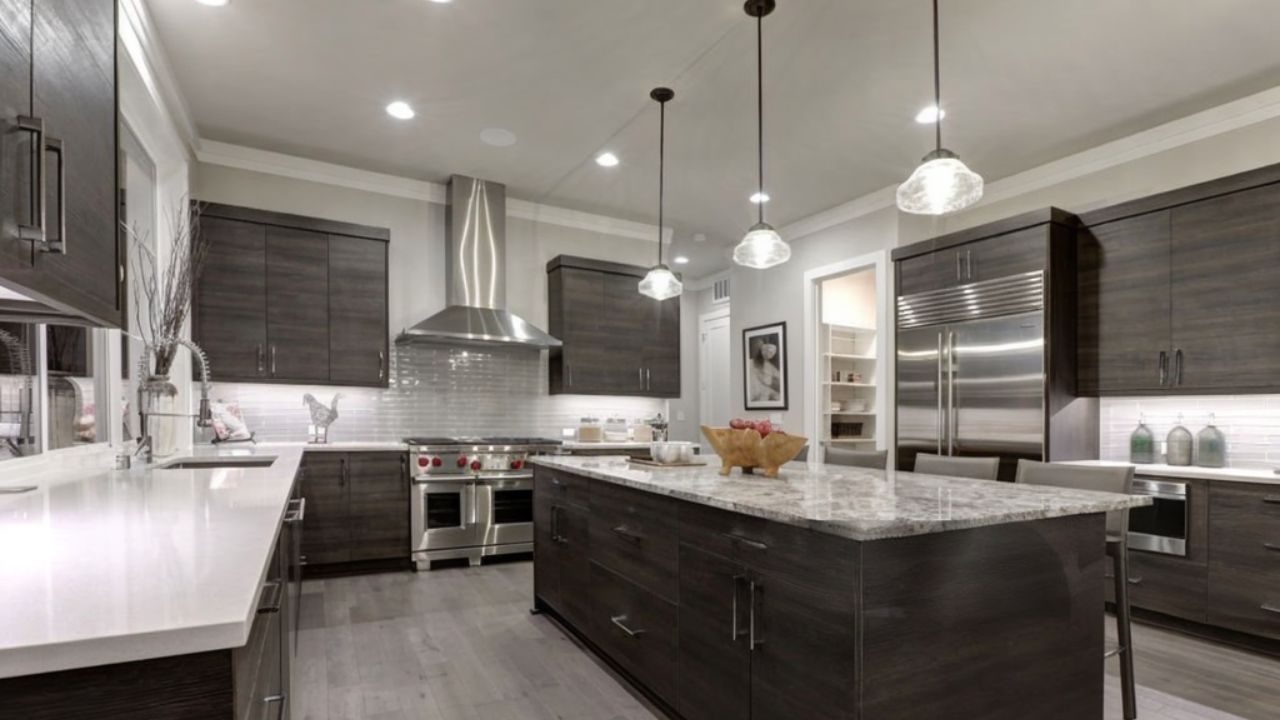
Ceiling height affects how light behaves. Low ceilings with flush mounts or bright overhead fixtures can cast harsh shadows, making the space feel smaller and more closed in. On the other hand, high ceilings without enough light sources leave the top half of the room in shadow, which also makes it feel off-balance.
In lower spaces, swap harsh overhead bulbs for softer, layered lighting — think table lamps and sconces. In higher spaces, add pendant lighting or chandeliers that bring light down to eye level. The goal is even illumination that highlights both your walls and your furnishings, not just the ceiling itself.
Ceiling color can change the perception of height
A bright white ceiling can make low ceilings feel higher, but it can make tall ones feel disconnected. Conversely, darker or warmer tones on a high ceiling can make a room feel cozier and more unified. It’s one of the easiest design fixes you can make without spending much.
If your ceilings feel low, keep them light and reflective. For higher spaces, experiment with soft neutrals or even a few shades darker than your walls. The subtle contrast brings the room together and makes it feel designed instead of accidental.
Your trim and furniture height matter more than you think
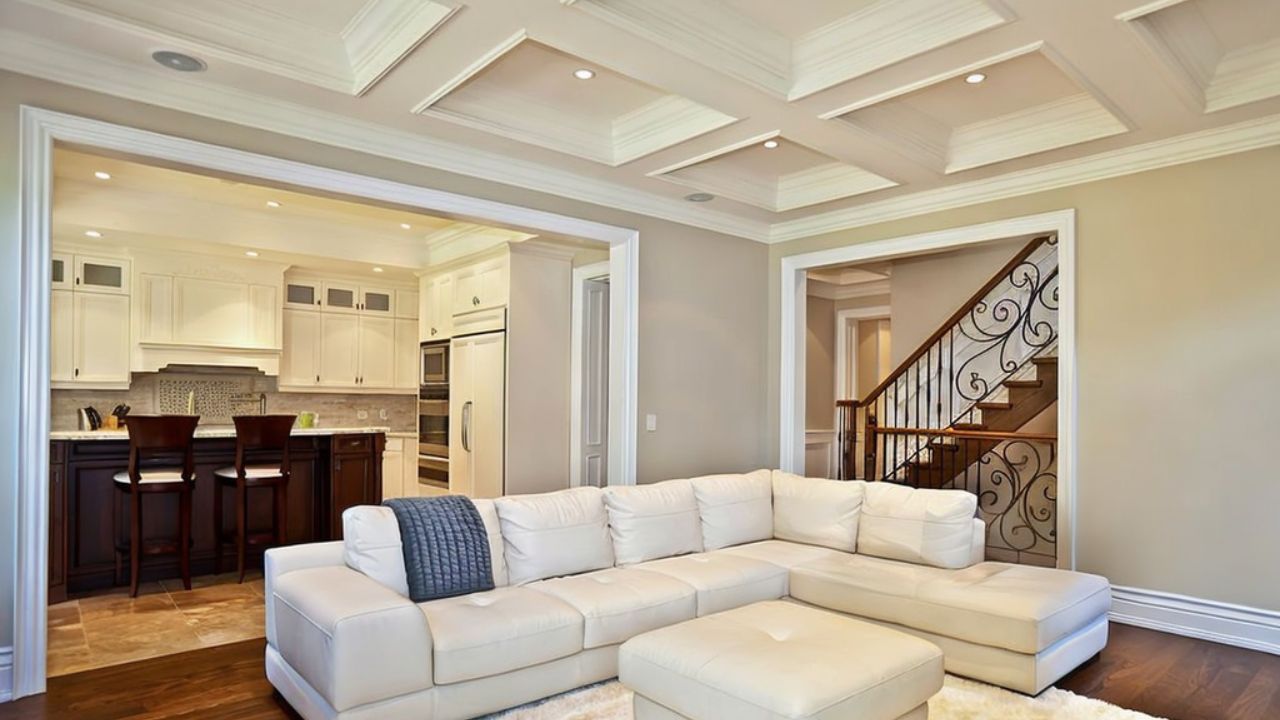
Crown molding, window trim, and furniture height all interact with ceiling perception. Too much thick molding in a low-ceiling room can visually lower the height even more. In that case, skip heavy trim or paint it to match the ceiling so it blends in.
For high ceilings, do the opposite — larger trim can help anchor the space and keep it from feeling too vast. Choosing taller headboards, shelving, or cabinets also helps fill the vertical space naturally, giving the room proportion and balance.
You can fake the right proportions
You don’t have to renovate to fix a room that feels “off.” A few strategic choices can make a huge difference. For low ceilings, choose vertical décor and light tones to elongate the space. For tall ones, add warmth and layers that pull things back down to a comfortable level.
Every home has quirks, but once you understand how your ceiling height affects the rest of your design, you can make the space feel taller, cozier, or more balanced — no construction required. It’s all about tricking the eye into seeing harmony where the structure didn’t provide it.
Like Fix It Homestead’s content? Be sure to follow us.