Berry bush choices that set you up for early fruit
Photo credit: Jane T D/Pexel.com
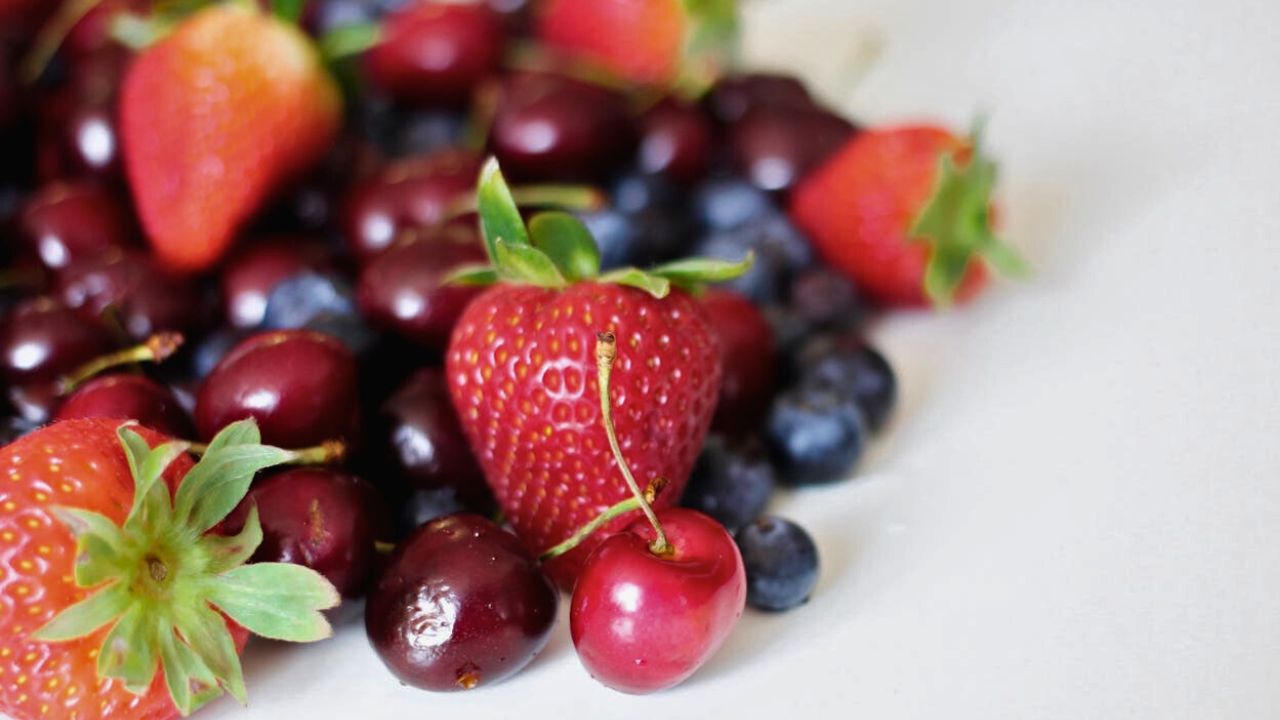
Berries are a patience game, but smart choices up front mean you’ll be snacking earlier and with less fuss. Match varieties to your chill hours, pick forms that fruit on new wood when possible, and plan for pollination. A little homework now pays off in pints you don’t have to baby.
Choose blueberries for your climate and soil
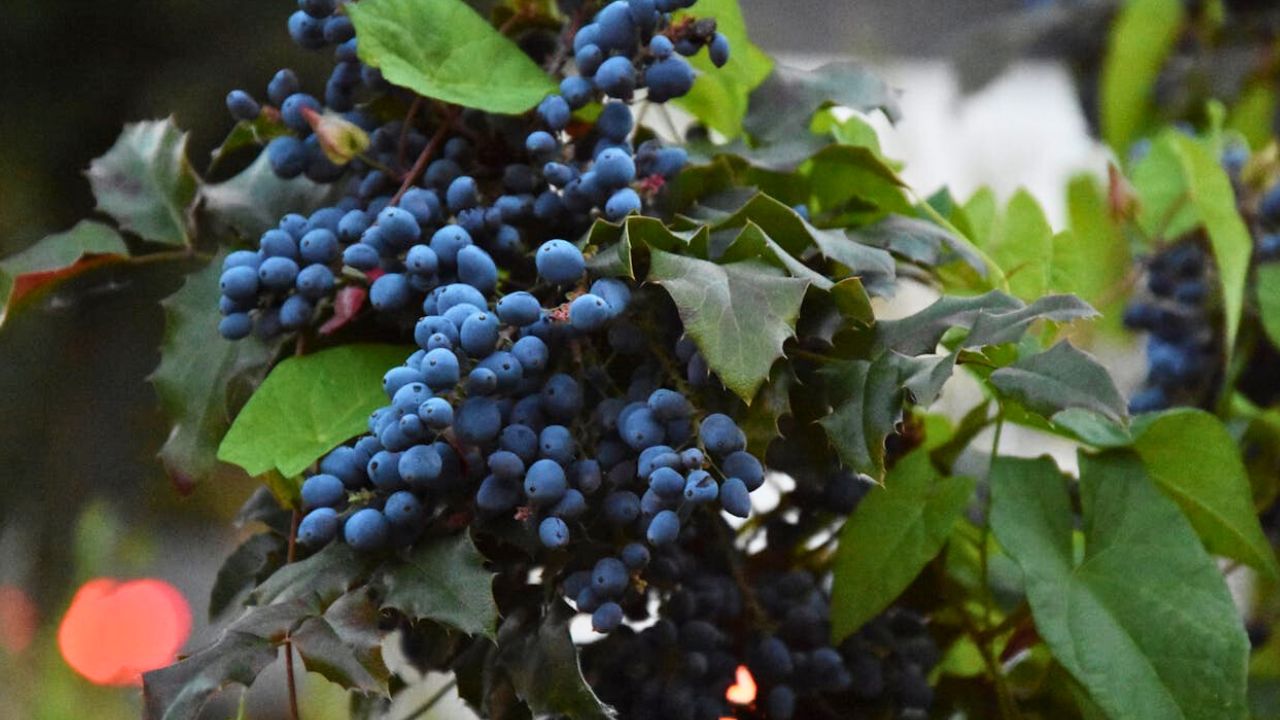
Blueberries want acidic soil. If you have clay or neutral ground, plant in raised beds or large containers with an acid-friendly mix and commit to mulching with pine fines.
For earlier harvests, pair one early and one mid-season Southern Highbush (milder regions) or Northern Highbush (colder regions). Two different cultivars improve set and stretch the picking window so you’re not done in a week.
Raspberries that fruit on first-year canes

Fall-bearing (primocane) raspberries like ‘Heritage’ or ‘Caroline’ give you a late summer/fall crop on new canes. In many zones, you can mow them to the ground in late winter, which simplifies pruning and disease management.
If you crave an earlier bite, leave a few sturdy canes at knee height when you cut back. They’ll give a small early summer flush on the overwintered tips, then the main crop arrives on new growth.
Thornless blackberries that don’t sprawl like a problem
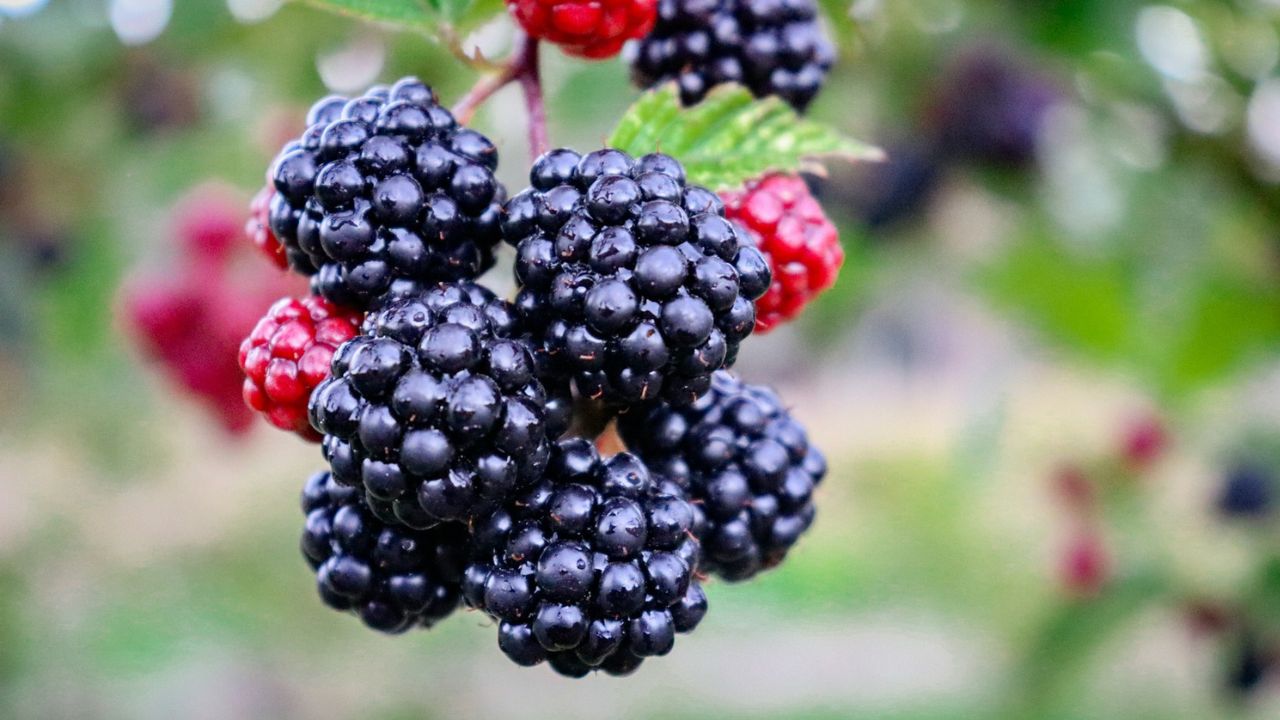
Modern thornless varieties such as ‘Triple Crown’ or ‘Natchez’ are far easier to trellis and pick. They break dormancy a touch later than raspberries, which helps dodge late frost on flowers.
Train new canes along a single wire or T-post setup as they grow. Keeping canes tidy improves airflow, which means earlier, cleaner fruit with fewer pest hideouts.
Strawberries for speed and steady picking
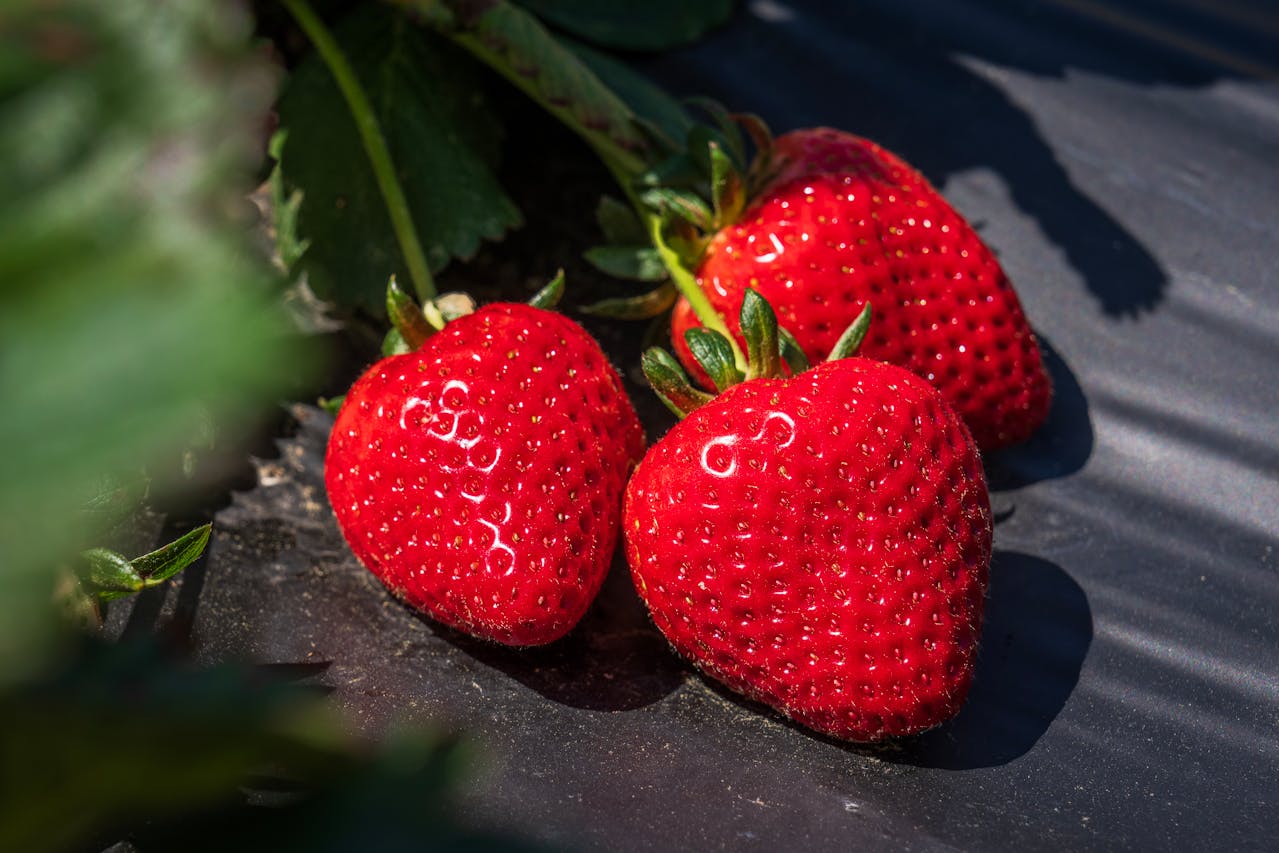
Day-neutral strawberries (‘Albion,’ ‘Seascape,’ ‘Mara des Bois’) fruit in smaller waves from late spring to frost, even their first year if you plant early. That means the kids get a steady handful, not a one-week frenzy.
Plant in a sunny, well-drained bed or a raised trough and refresh with compost each spring. Pinch flowers for the first three to four weeks after planting to let roots establish; you’ll make up those blossoms and then some.
Site and mulch make the difference
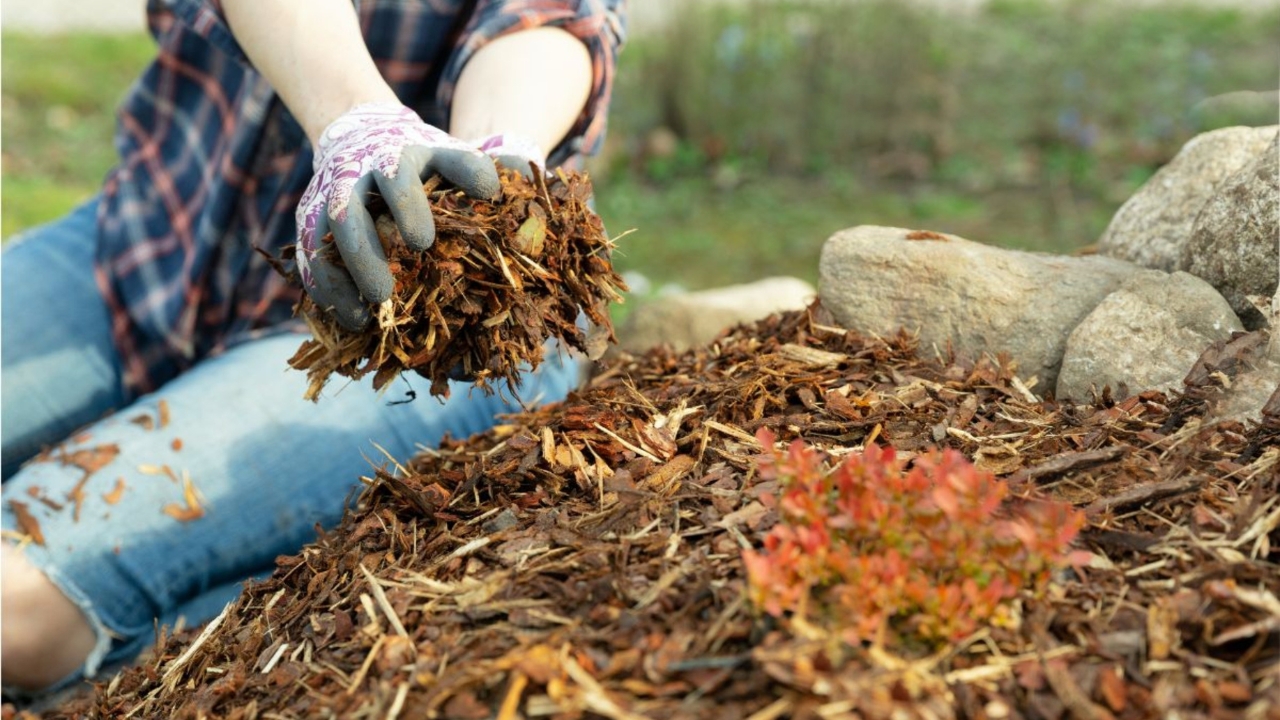
Six to eight hours of sun and a thick mulch—wood chips for bushes, clean straw for strawberries—push berries ahead by warming soil and keeping roots happy. Mulch also keeps splashes off lower fruit, which cuts rot.
If wind is an issue, a simple fence panel or shrub windbreak on the north or west side keeps early blooms from getting beat up. Less stress equals earlier fruit set.
Plan water and pollination early
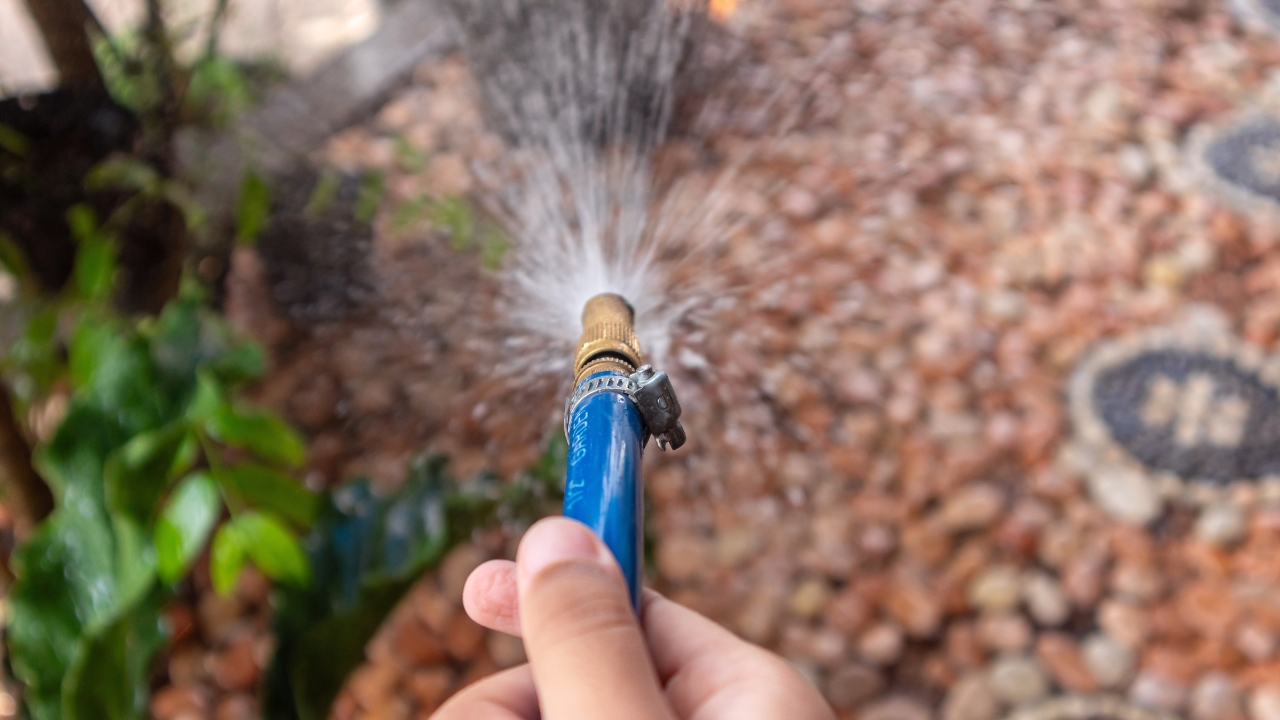
Berries want consistent moisture, especially when flowering. A simple drip line on a battery timer keeps the schedule tight without daily fuss.
Most blueberries need cross-pollination, and bees do the heavy lifting for all berries. Plant a few early blooms nearby—thyme, chives, or native spring flowers—to make sure help shows up when blossoms open.
Like Fix It Homestead’s content? Be sure to follow us.