Dining chair swaps that make a small room feel balanced
Photo credit: Curtis Adams/Pexel.com
In a tight dining area, chairs decide the whole mood—crowded or calm, clunky or pulled together. The right swap can free up inches, improve sightlines, and make everyday meals feel nicer without buying a new table. I like choices that visually lighten the room and slide in and out without bumping walls.
Trade bulky ladder-backs for open frames
Chairs with thick backs and heavy crossbars read like a wall around the table. Swapping to open or slat-back frames instantly gives you more negative space, which tricks the eye into seeing a bigger room.
Look for narrow profiles with gently curved backs that hug the table edge when pushed in. Measure the seat width at its widest point—anything under about 18–19 inches tends to move easily in small rooms and leaves elbow room between settings.
Use two benches strategically, not everywhere
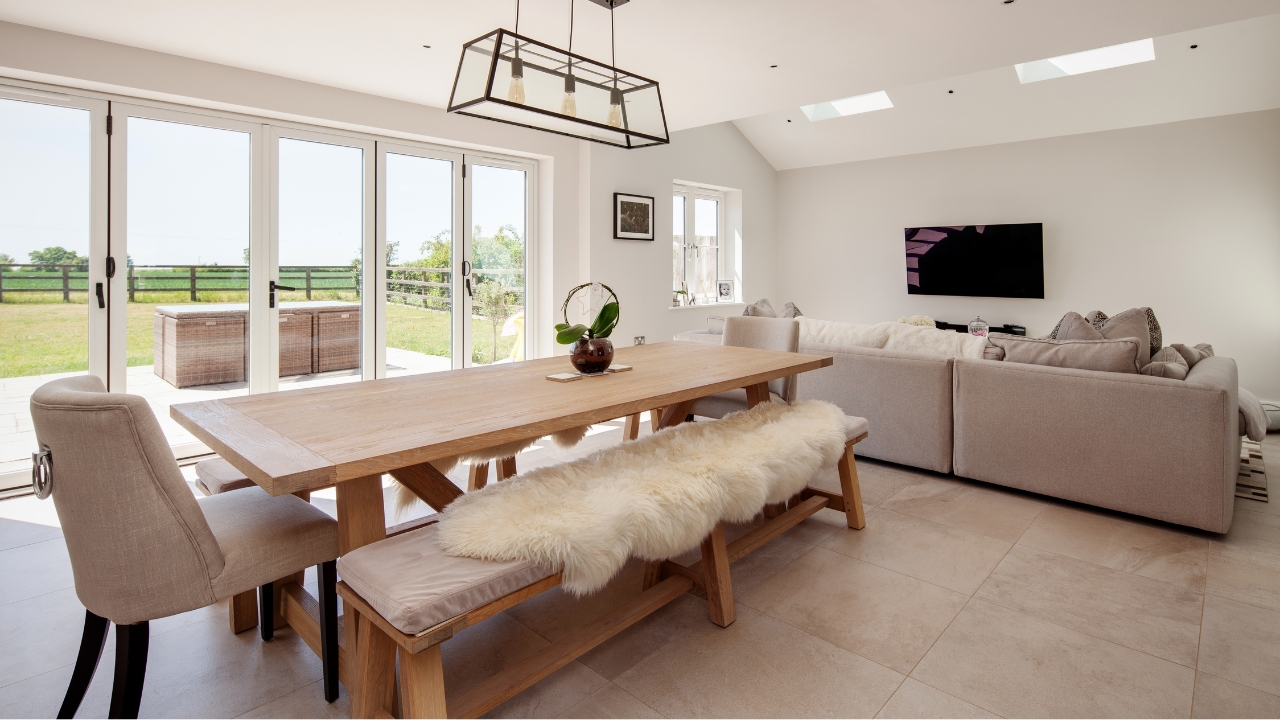
A slim bench on the wall side adds seats without chair legs cluttering the view. It also lets kids scoot in fast and keeps traffic lanes open behind the table.
Balance the look with two light chairs on the opposite side so the table doesn’t feel lopsided. If your table has an apron, make sure the bench height clears it comfortably; you want knees happy, not jammed.
Mix end chairs with armless sides
Arms eat inches. Keep side chairs armless and reserve a pair of slightly taller, comfortable captains’ chairs for the ends. The mix reads layered and gives guests the “good seat” without crowding the center.
Choose end chairs that echo the material of the sides—same wood tone or fabric family—so the set feels intentional. If the end chairs are upholstered, repeat the fabric in a pillow or runner nearby to tie the room together.
Switch heavy wood seats to upholstered in the right fabric
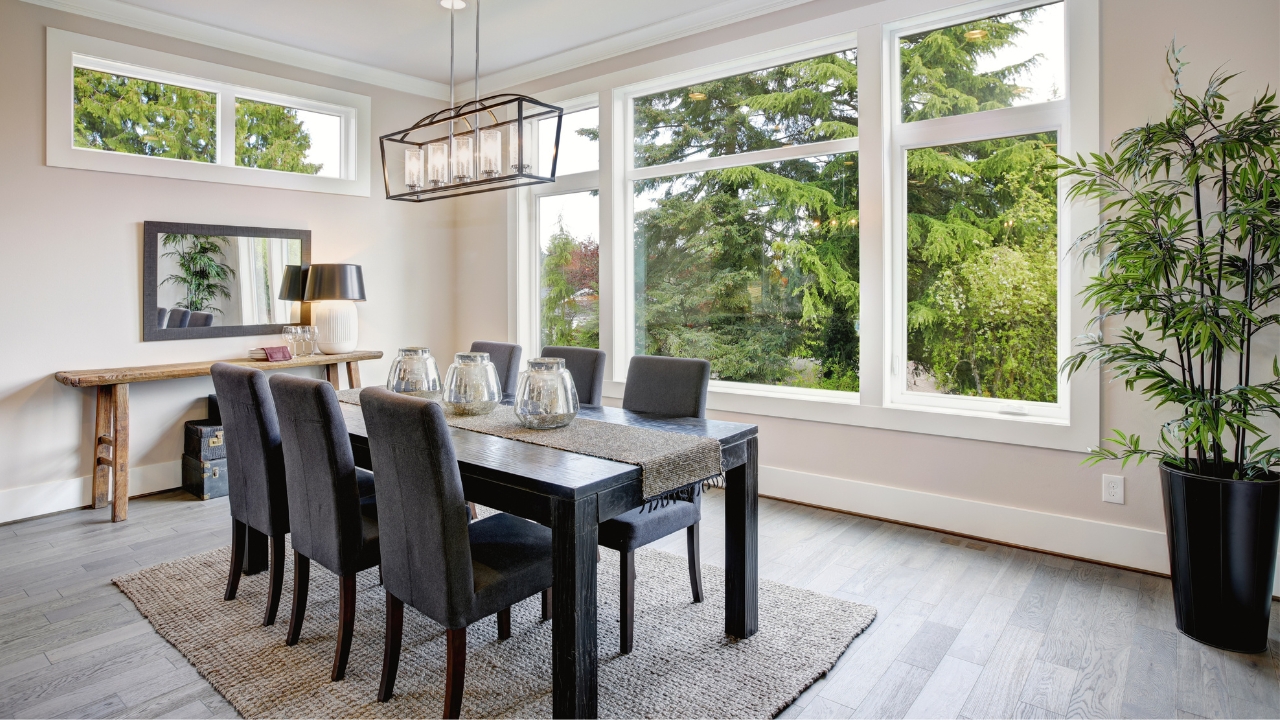
A slim, upholstered seat softens edges and makes a narrow room feel welcoming. Performance fabric or stain-resistant microfiber keeps cleanup easy and resists that shiny “worn spot” you see on bare wood.
Pick a mid-tone, not stark white, so crumbs and everyday scuffs are less obvious. Pattern helps, too—small-scale stripes or tweeds hide life with kids while still looking high-end.
Go for low visual weight—legs matter
Tapered legs or sled bases feel lighter than chunky square posts. In a tight room, you want to see air under the chair. That space reads as breathability for the whole area.
If you love a farmhouse look, choose chairs with rounded spindles and a slimmer seat. You keep the vibe without the bulk, and sweeping under them stays quick.
Confirm seat height with your existing table
Standard seat height is 18 inches; many modern tables sit at 29–30 inches. If your table is thicker or has a deep apron, aim closer to 17 inches so thighs aren’t pinned.
Before you commit, test one chair for a week. Slide it under, check knee clearance, and watch how it moves in your real traffic pattern. Comfort plus flow matters more than a catalog photo.
Like Fix It Homestead’s content? Be sure to follow us.