Stove cleaning steps that actually prevent gummy buildup
Photo credit: Tolikoff Photography/Shutterstock.com
A dirty stovetop doesn’t happen all at once. It’s little spills you “get to later,” splatters from one rushed dinner, and grease mist that settles on everything nearby. Before you know it, you’re scrubbing at sticky, gummy layers that don’t want to budge.
The goal isn’t to have a spotless stove every second—it’s to build habits that keep messes from turning into that baked-on sludge in the first place.
Know what’s causing the gummy mess

Most of that sticky buildup is a mix of grease and sugar. Oil splatters from pans, steam from soups and sauces, and little spills from boiling pasta all land on the surface. When you keep cooking on top of it, the heat bakes it into a tacky film. If you sometimes use cooking spray, that can make it worse. Once it cools and hardens, it takes way more effort to remove.
Keep a “hot pad and wipe” routine
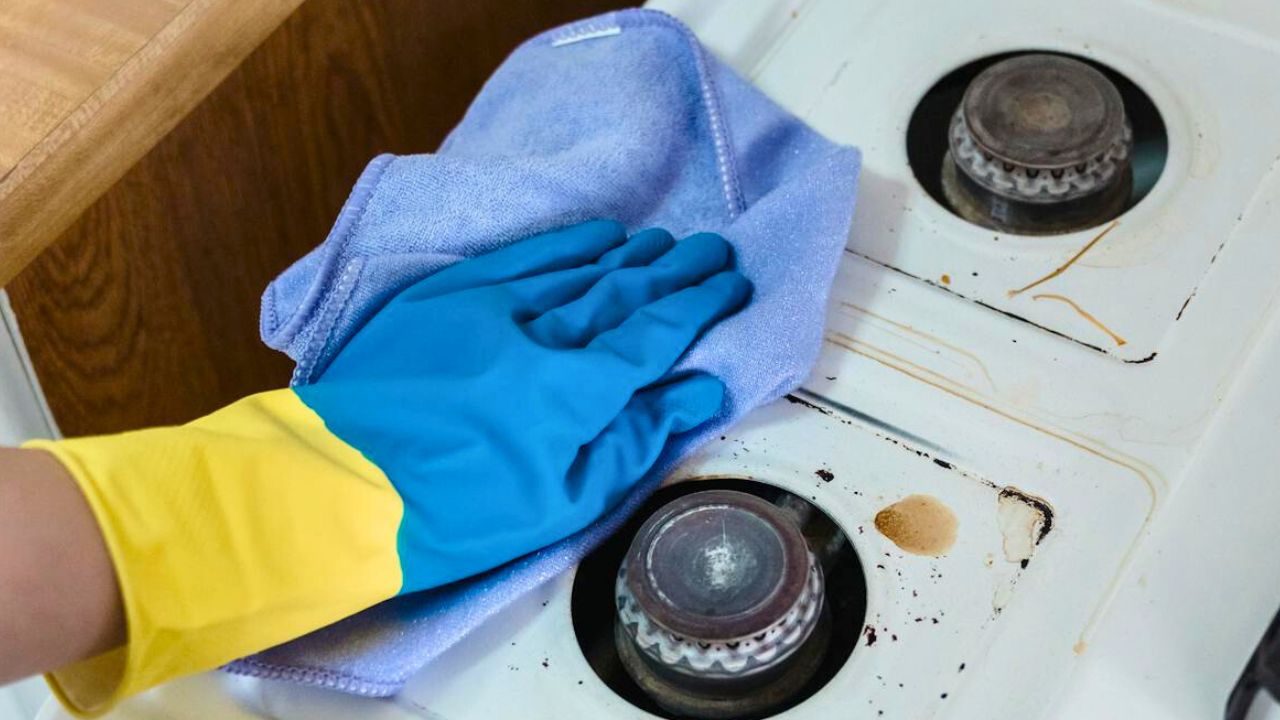
The easiest rule is this: if the stove is already warm, you’re halfway to cleaning. Keep a damp, folded dishcloth or sponge nearby. After you turn off the burners and they’re warm but not blazing, do a quick pass over the visible splatters. You don’t have to chase every speck—just the obvious stuff. That little habit stops spills from turning into another layer.
Use a simple daily cleaner, not ten products
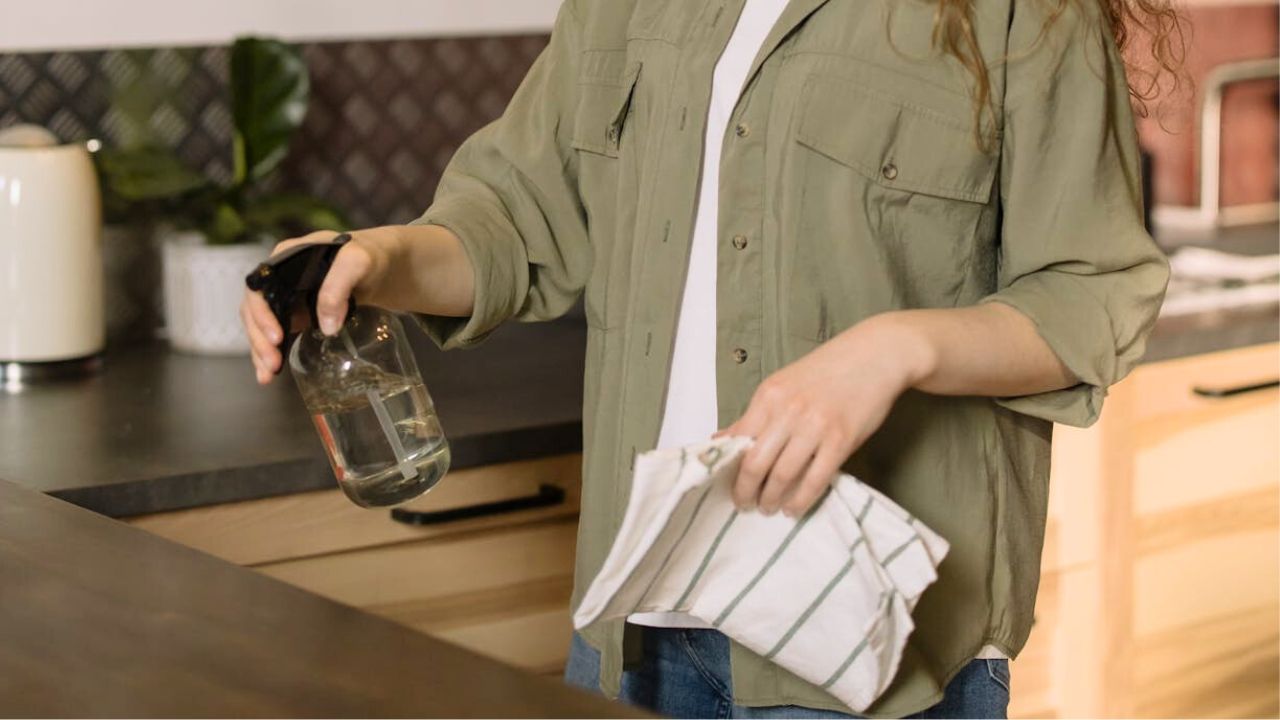
You don’t need a special cleaner for every part of the stove. A small spray bottle with warm water, a little dish soap, and a splash of white vinegar handles most daily messes on glass or standard enamel surfaces. Lightly spritz, let it sit for a minute, then wipe with a microfiber cloth. Save the heavy-duty degreaser for the rare deep clean, not the daily wipe.
Don’t ignore burner grates and drip pans
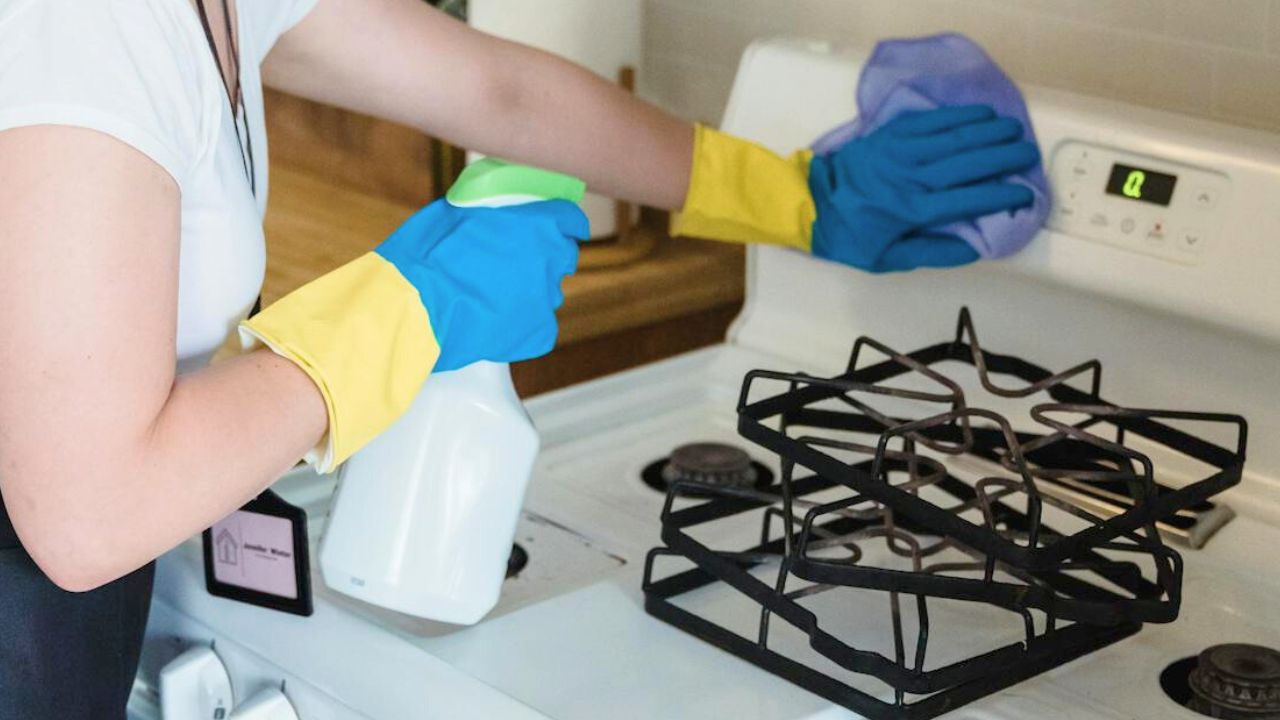
Burner grates and drip pans are where gunk really collects. If you let spills sit there week after week, they start smoking and smelling every time you cook. Once a week, pull them off and soak them in hot, soapy water while you’re doing something else. For stubborn spots, sprinkle baking soda on a damp sponge and scrub. Let them dry completely before putting them back.
Clean around the burners the right way
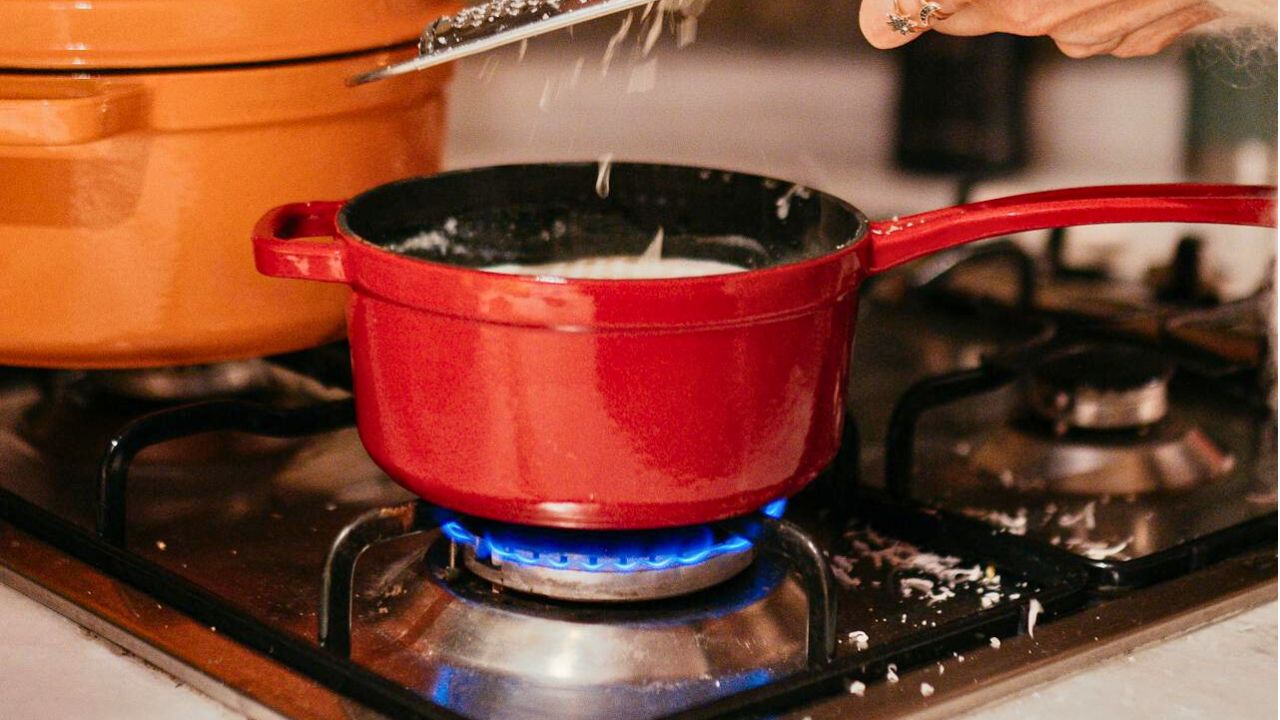
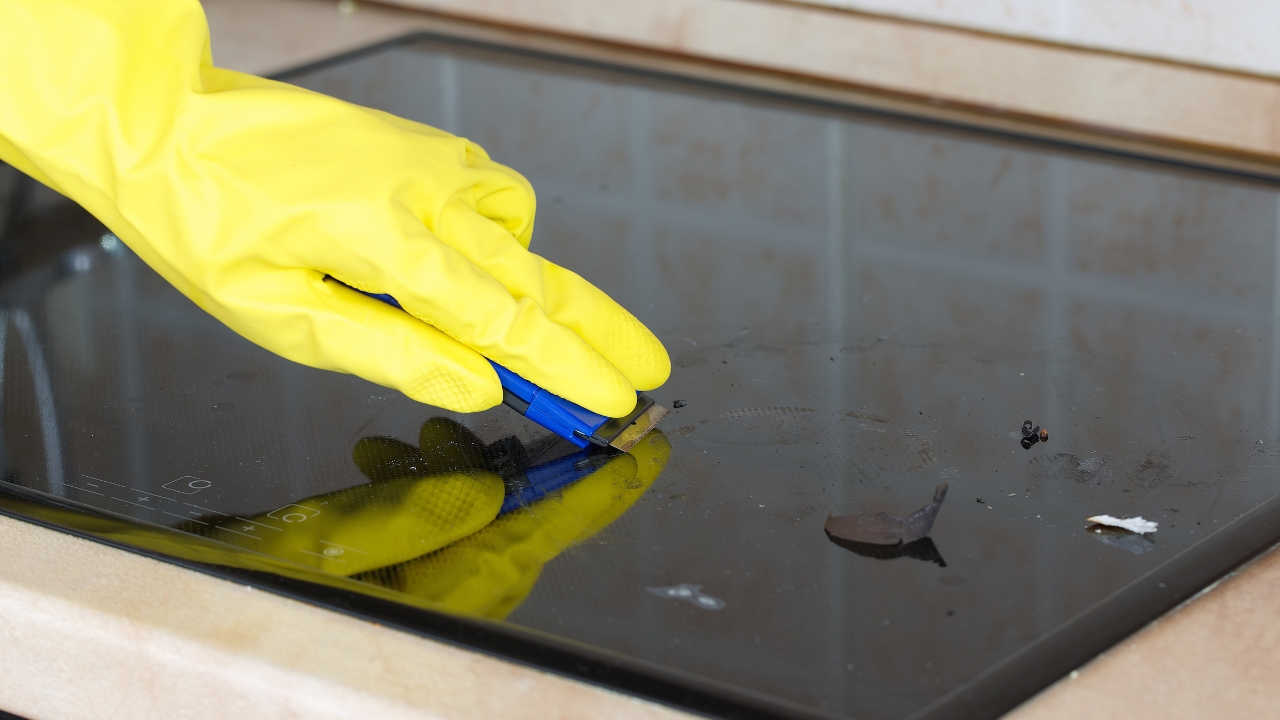
Food loves to fall into the gaps around burners. On some stoves, the top lifts slightly so you can wipe underneath. On others, you’ll need to carefully wipe around each burner base. Use a damp cloth, not a dripping wet one, so water doesn’t seep into places it shouldn’t. Skip metal tools and stick to plastic scrapers or an old credit card to nudge dried bits loose.
Be careful with liners and foil
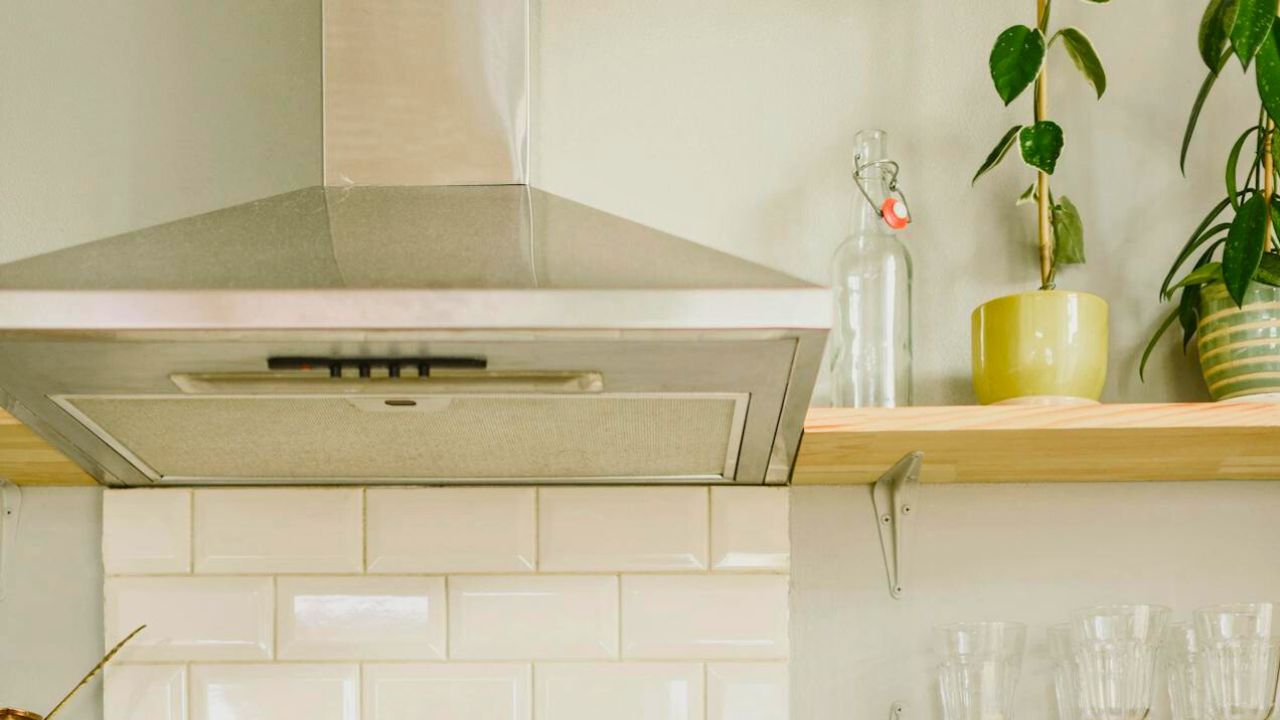
Stovetop liners and foil can help catch drips, but they can also block vents or trap heat if you use them the wrong way. If you put anything under burners, make sure it doesn’t cover air openings or touch flame. Always follow your stove’s manual. It’s better to wipe more often than risk a safety issue trying to avoid cleaning altogether.
Treat the control panel and knobs gently
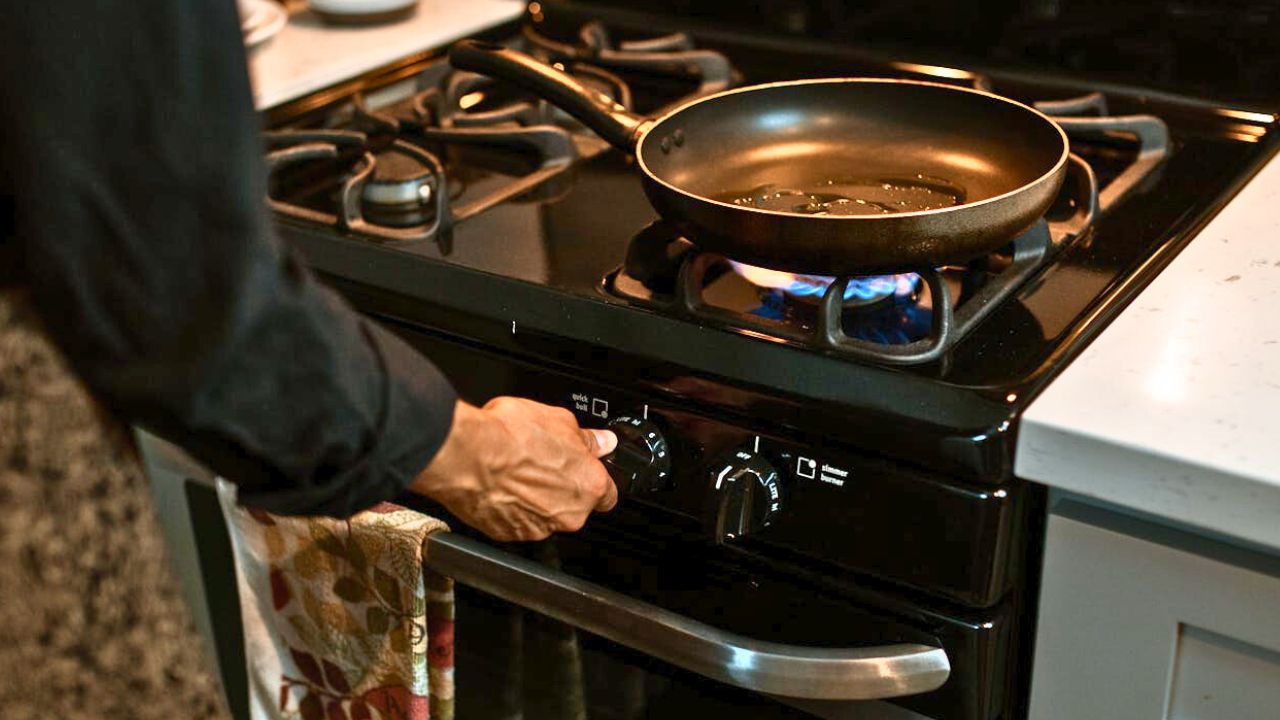
The control area gets greasy fingerprints and splatters too. Spray your cleaner on a cloth, not directly onto the panel—that keeps moisture from sneaking behind buttons or knobs. If your knobs pull off easily, pop them off once in a while and wash them in warm, soapy water. Dry thoroughly before putting them back so they don’t trap moisture.
Watch what you cook uncovered
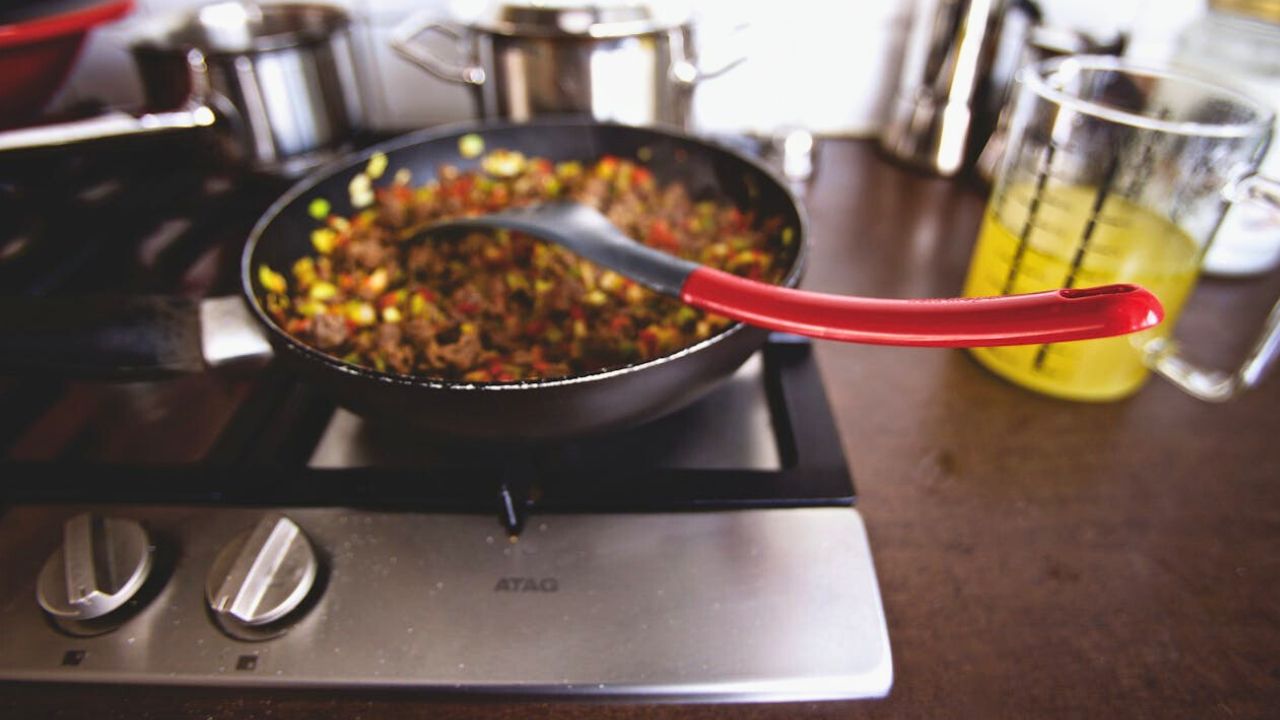
Some meals are messier than others. Frying bacon, searing meat, and simmering sauces splatter more than simple boiling. A splatter screen or partially covered lid helps a lot. If you know you’re cooking something messy, plan on a quick wipe-down right after instead of letting it slide. It’s easier to spend two minutes now than twenty minutes scraping later.
Keep a small “stove kit” under the sink
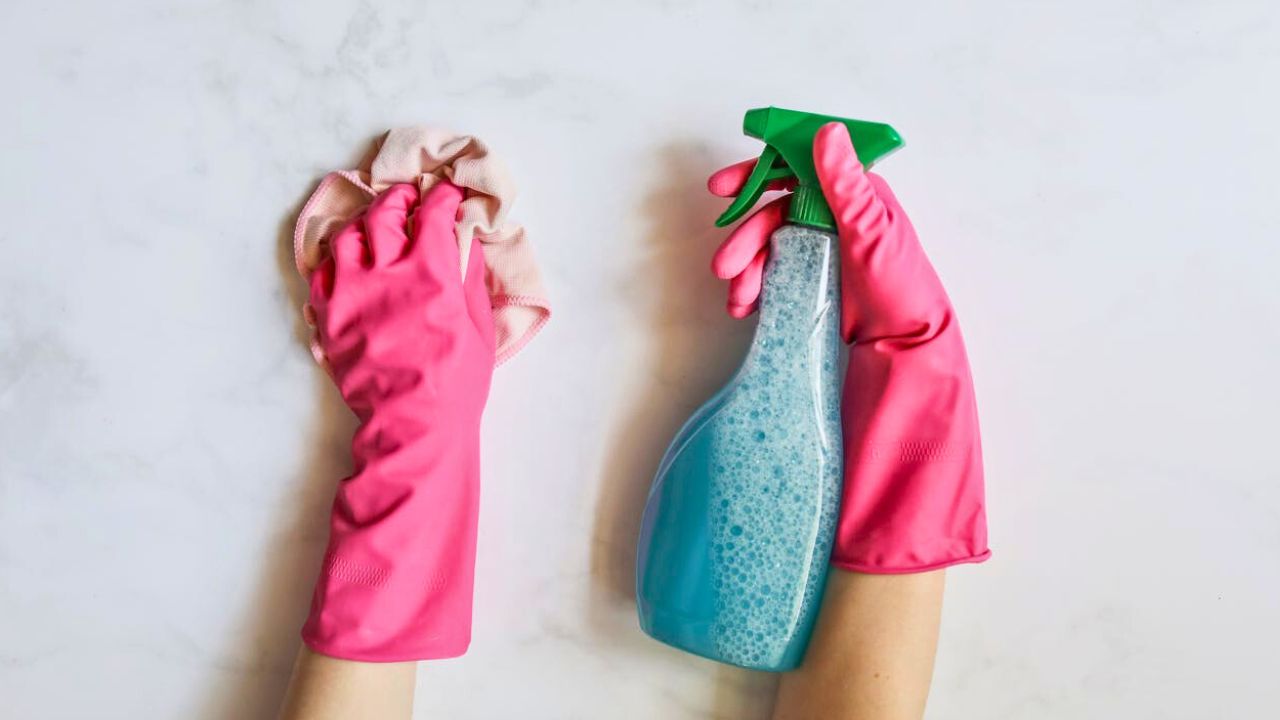
If everything you need is in one spot, you’re more likely to actually use it. Keep a caddy or bin with your stove-safe spray, a microfiber cloth or two, a sponge, and a plastic scraper. That way, instead of thinking “I should clean this later” and walking away, you can grab what you need in one step.
Aim for “mostly clean,” not perfect
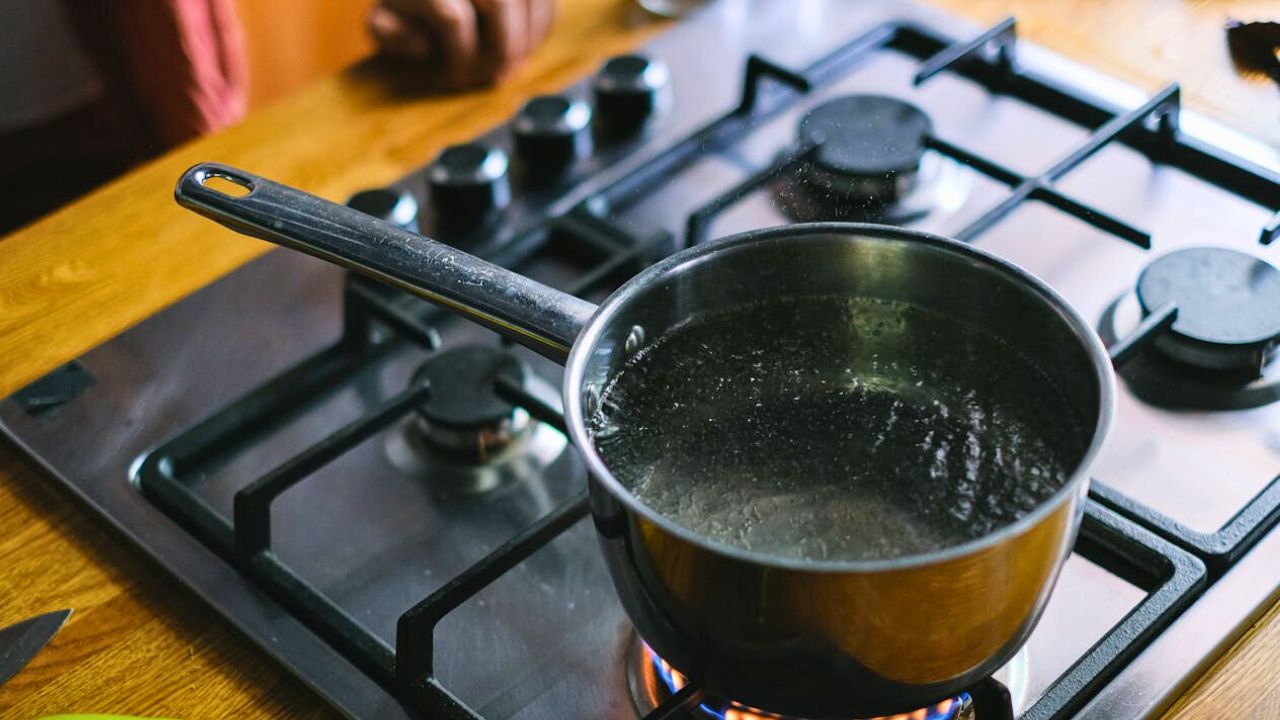
You don’t need a spotless stove every night. The goal is to stop the layers from building up. If you wipe fresh spills within a day or two, soak grates once a week, and give the whole top a better clean every so often, that gummy film won’t have a chance to form. The work stays small, and you don’t dread lifting a pan and seeing what’s underneath.
Like Fix It Homestead’s content? Be sure to follow us.