Holiday plants that are pet safe and still look cheerful
Photo credit: I.Luna/Shutterstock.com
Holiday plants add a lot to a room, but if you’ve got a dog or cat that loves to chew on leaves, it can get stressful fast. The good news is you don’t have to give up greenery altogether. There are several options that give you that seasonal feel without bringing home something known to be dangerous for pets.
(Always double-check specific varieties with your vet or a trusted pet-safe plant list—some animals are more sensitive than others, and “generally non-toxic” doesn’t mean “all pets can never react.”)
Christmas cactus for color without the worry
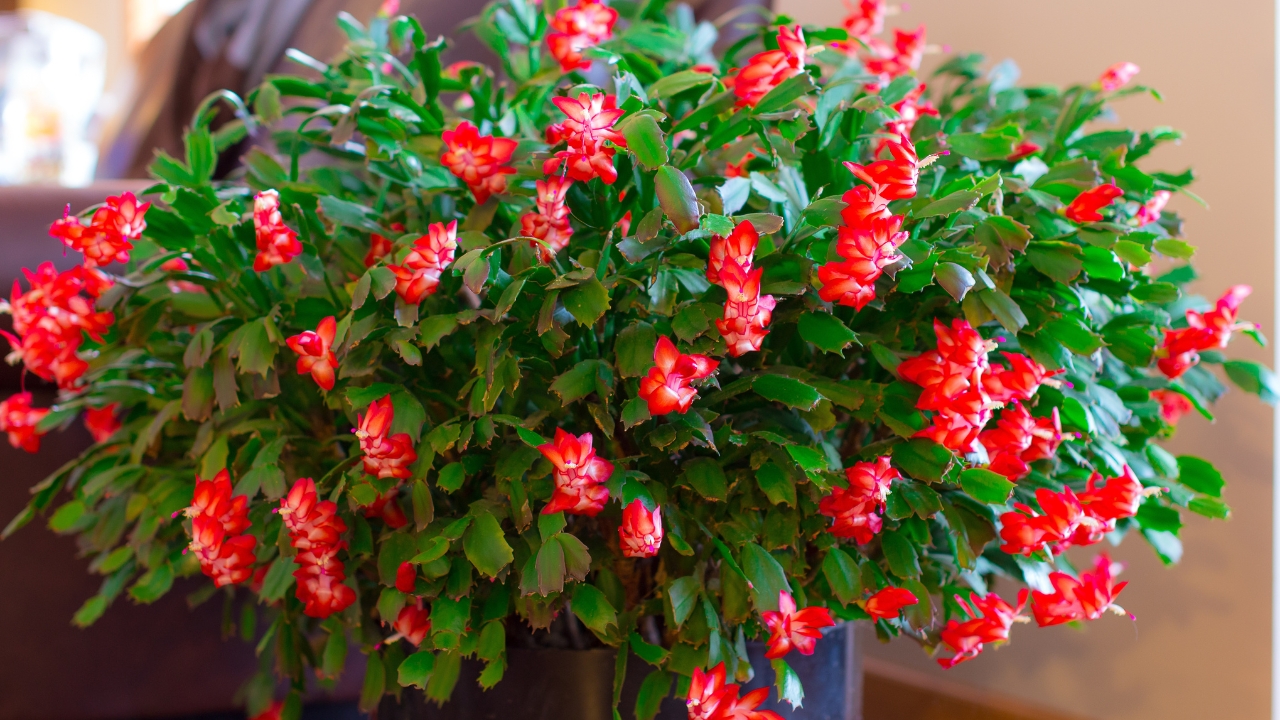
Christmas cactus is one of the easiest swaps if you want that classic holiday look without the usual concerns. The bright blooms show up right when you’re decorating, and the plant doesn’t shed needles or strong sap. It’s generally considered non-toxic to cats and dogs, and it’s not nearly as tempting as a big leafy plant.
Christmas cacti like bright, indirect light and a pot that drains well. Let the top of the soil dry out a bit between waterings—don’t keep it soggy. With halfway decent care, it’ll come back and bloom again next year instead of heading to the trash with your tree.
Rosemary topiaries for a mini “tree”
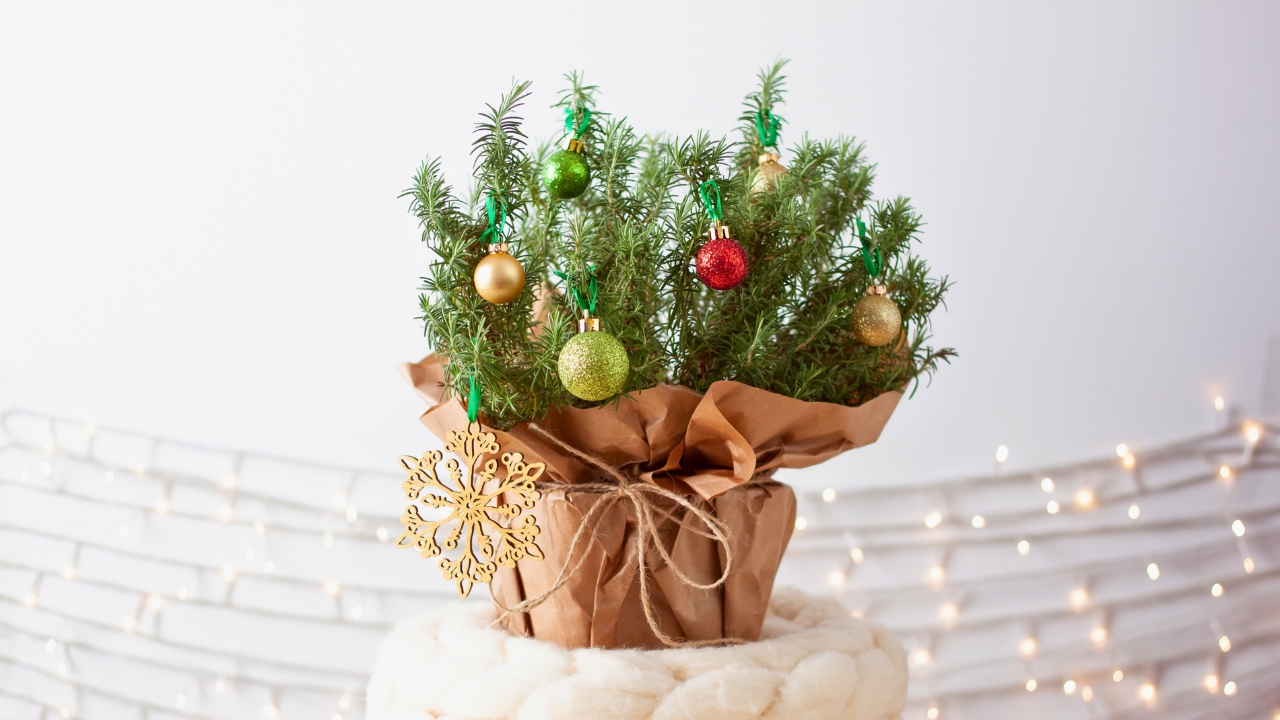
Those little rosemary “trees” you see in stores are more than just cute—they’re practical and pet-friendlier than a lot of decorative plants. Rosemary is generally safe for pets in small amounts, and the strong smell tends to keep most animals from chewing on it too much anyway.
Give them bright light and don’t let them sit in water. You can snip sprigs for cooking all season, then plant the rosemary outside in the spring if your climate allows. It’s a nice way to get double duty out of something you bought for looks.
Parlor palms and other small palms
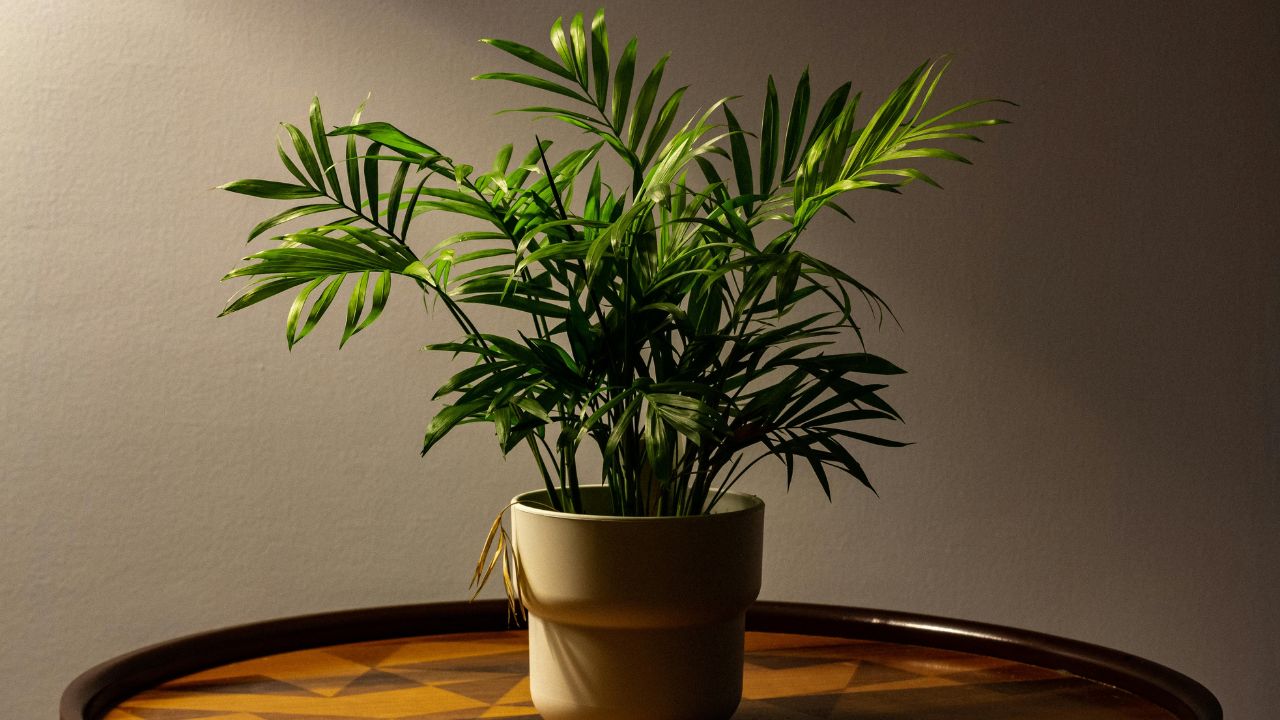
If you like the idea of something green and feathery, small palms like parlor palm are typically considered non-toxic to pets. They bring in that bit of life you want when everything outside looks dead, and they work well with both simple and more decorative holiday decor.
Palms appreciate bright, indirect light and even moisture—don’t let them dry out completely, but don’t soak them either. They’re slower-growing, which means they won’t outgrow your space immediately, and they can stay part of your regular houseplant collection long after the holidays.
African violets for soft color
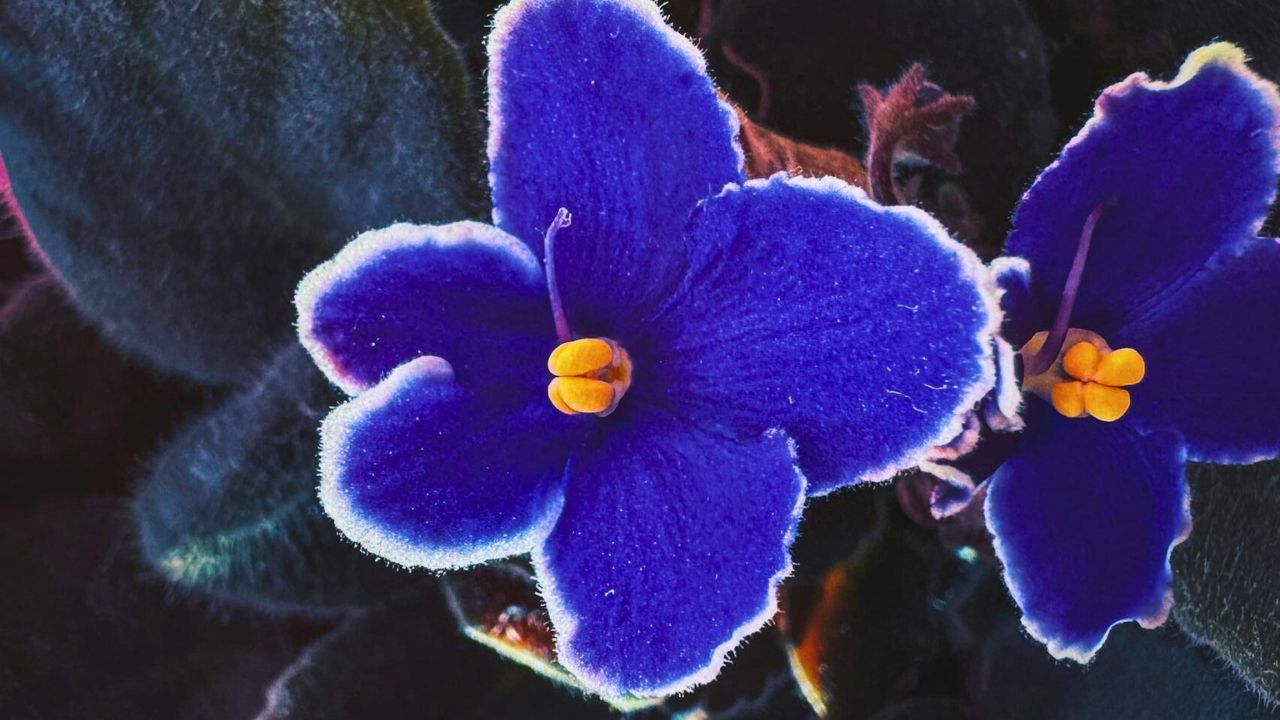
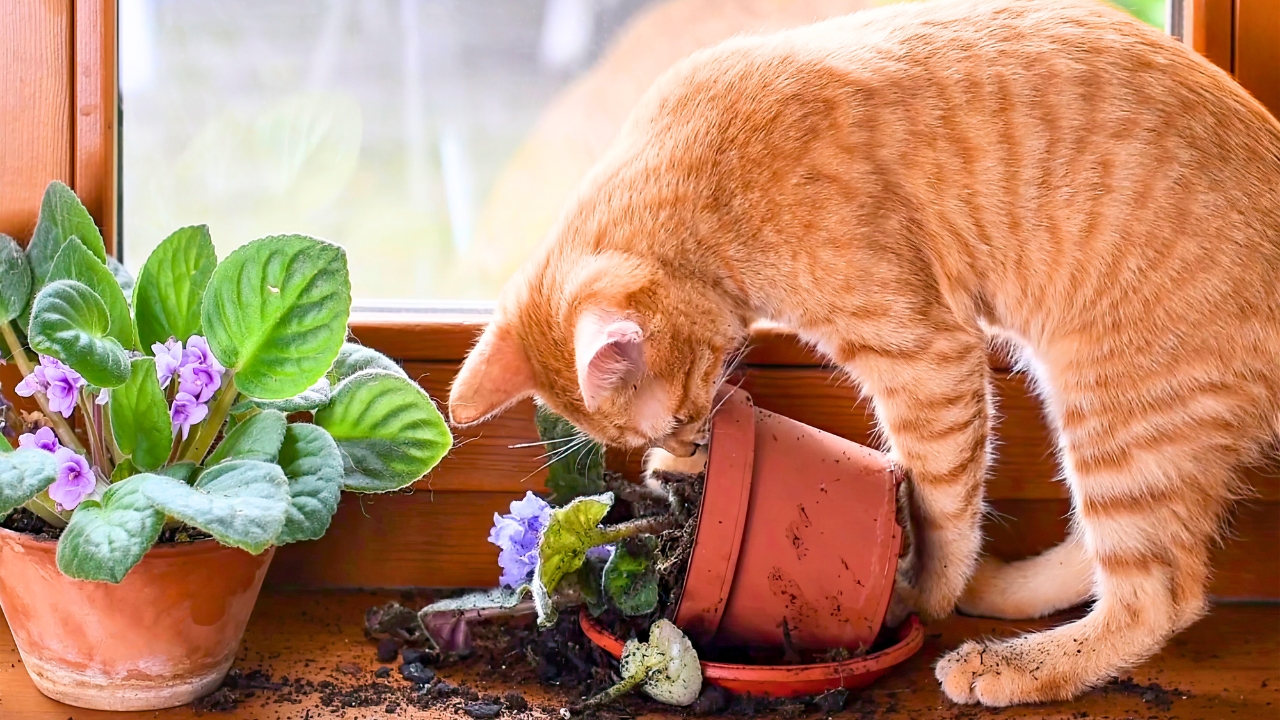
African violets give you that pretty pop of color without taking up a lot of space, and they’re generally considered non-toxic to pets. They look great in the middle of a holiday tablescape, on a kitchen windowsill, or tucked onto a bookshelf.
They like bright, indirect light and slightly moist soil. Water from the bottom if you can, so you’re not constantly splashing their leaves. Add a little ribbon around the pot or set them in a simple white cachepot, and they fit right in with the rest of your decor.
Phalaenopsis orchids for a simple, polished look
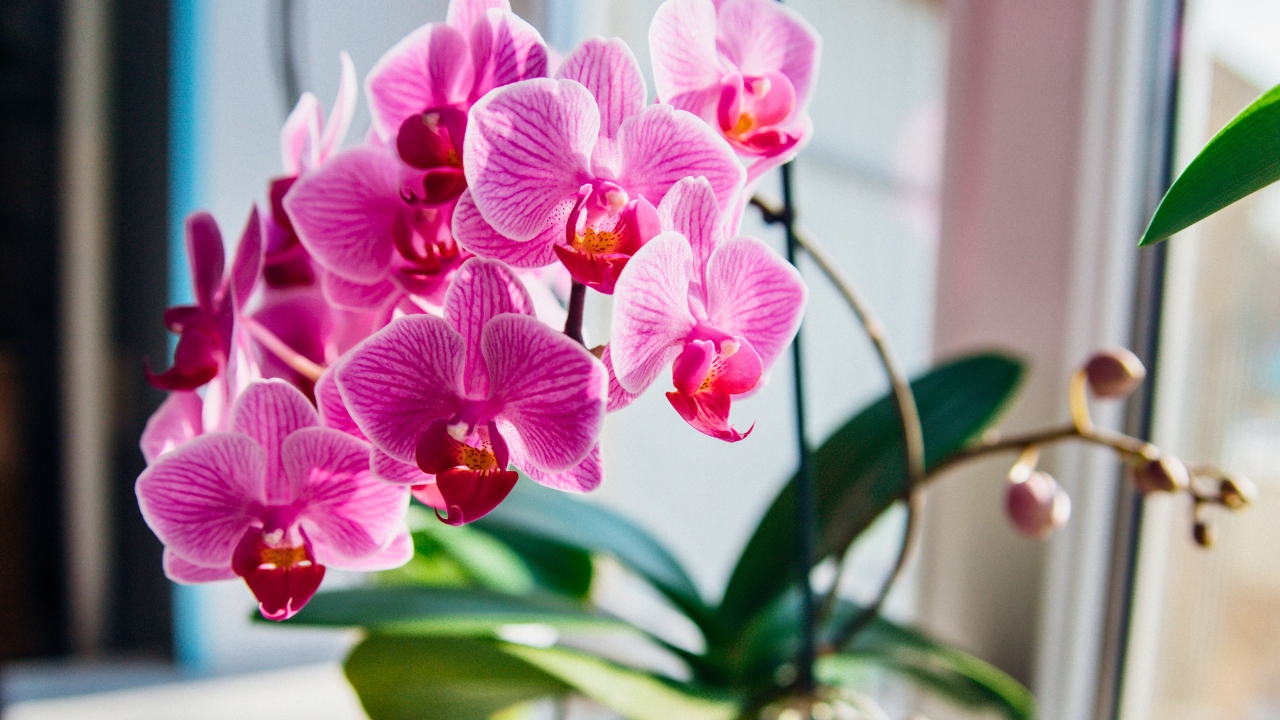
If you want something that feels a little more “finished,” a basic moth orchid (Phalaenopsis) is a nice option. They have long-lasting blooms and are generally considered non-toxic to pets. The tall flower spike looks great next to candles, on an entry table, or by a window.
Orchids like bright, indirect light and to dry out a bit between waterings. They’re not as fussy as their reputation makes them seem if you don’t drown them. When the blooms finally fade, you can cut the spike back and keep the plant for another round later.
Like Fix It Homestead’s content? Be sure to follow us.