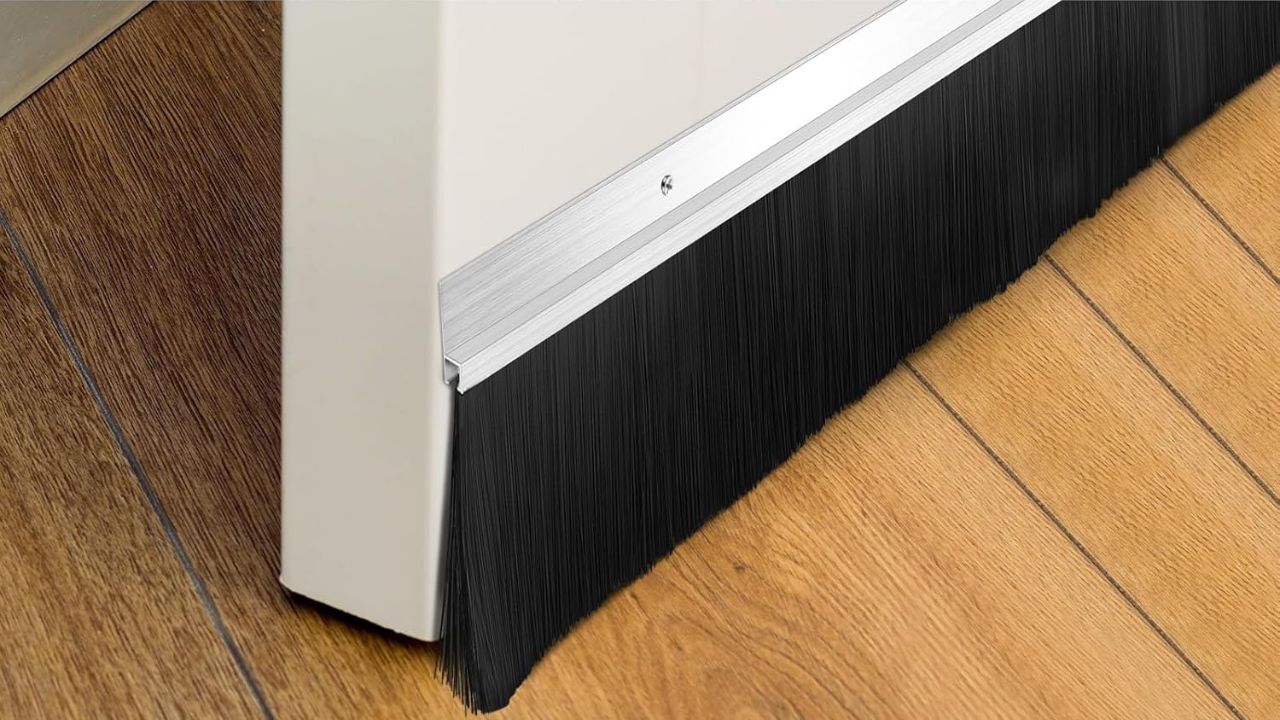
Draft stop tricks that warm rooms without rewiring
Photo credit: Frienda/Amazon.com
Cold rooms don’t always mean you need a bigger heater. A lot of the time, you’re paying to heat the outdoors through little gaps and cracks you barely notice anymore. Before you start talking about new systems or rewiring, it’s worth tightening up what you already have. Blocking drafts doesn’t look glamorous, but it makes a huge difference in how warm a room feels.
Start with the gaps under your doors
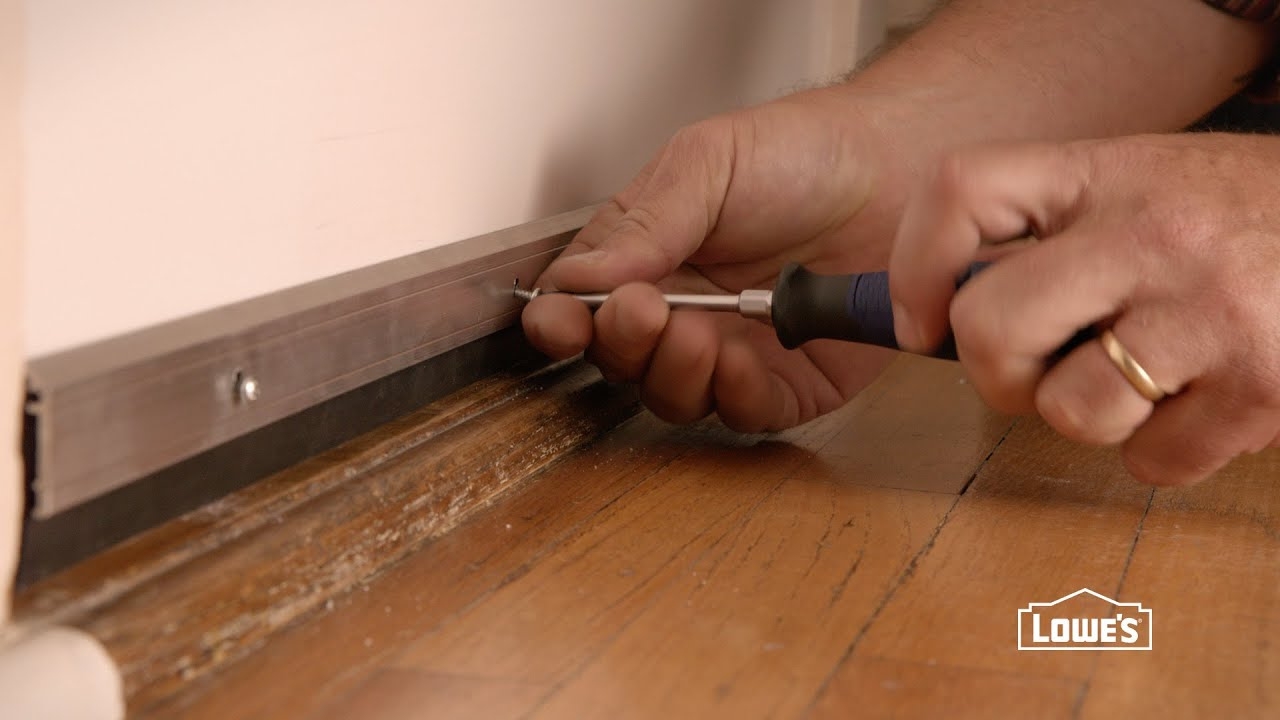
If you can see light under an exterior door, you’re definitely losing heat. A simple door sweep along the bottom blocks a surprising amount of cold air. There are screw-on versions and slide-on ones that tuck over the door edge. For renters or quick fixes, those fabric draft “snakes” you push against the bottom work too—you can even DIY one with a rolled towel in a pinch.
Check the weatherstripping around the frame
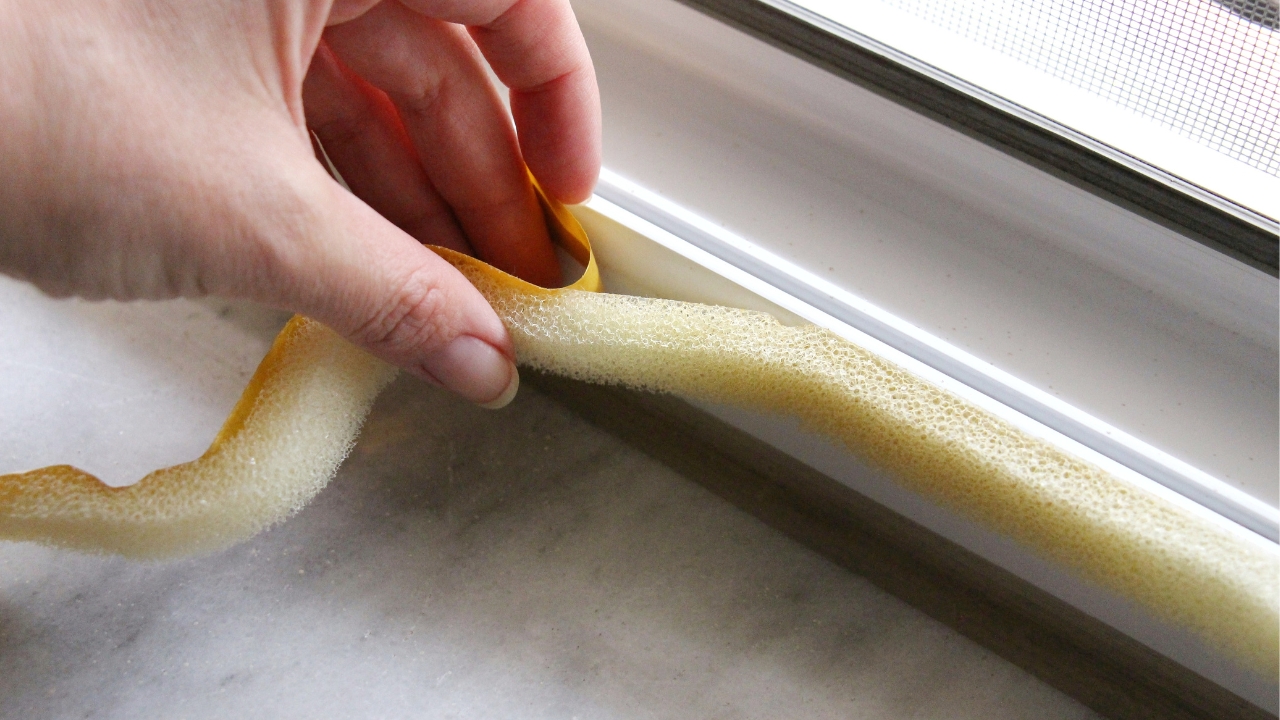
The rubber or foam strips around your doors compress over time. If you can rattle the door in the frame or see daylight in spots, it’s time to replace it. Peel-and-stick weatherstripping is cheap and does the job. Clean the frame, stick it in place, and close the door to make sure it seals without making it hard to latch.
Seal windows that you barely use in winter

If you have windows you rarely open in cold months, treat them like seasonal walls. Clear plastic window insulation kits shrink tight with a hair dryer and create a layer of still air that slows heat loss. You still get the light, but not the icy draft. Caulk any obvious gaps around the trim while you’re at it to keep air from sneaking in around the frame.
Don’t forget outlets and switches on exterior walls
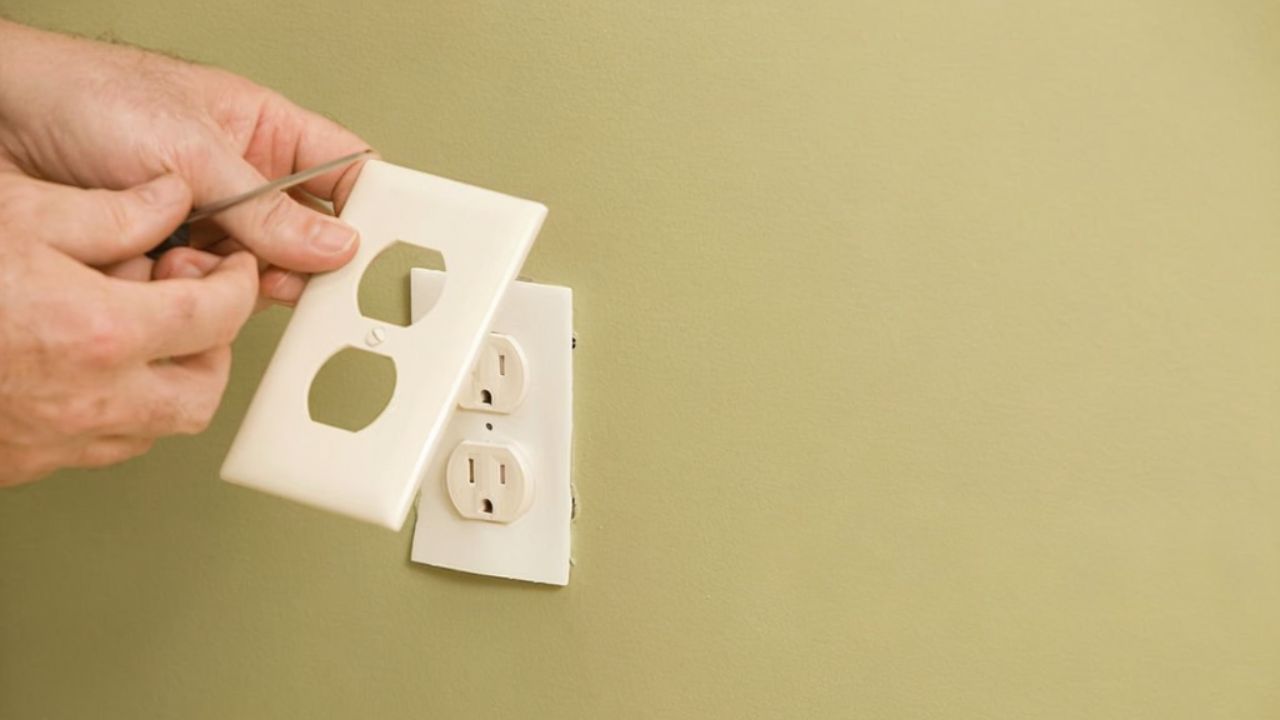
You can feel cold air seep through some outlets and switches when it’s really chilly out. Foam gasket inserts that tuck behind the cover plates help a lot. They’re cheap, easy to install with a screwdriver, and they don’t change how anything looks. For extra leaky spots, you can add childproof outlet plugs to block air movement too.
Use heavier curtains as a “soft wall”
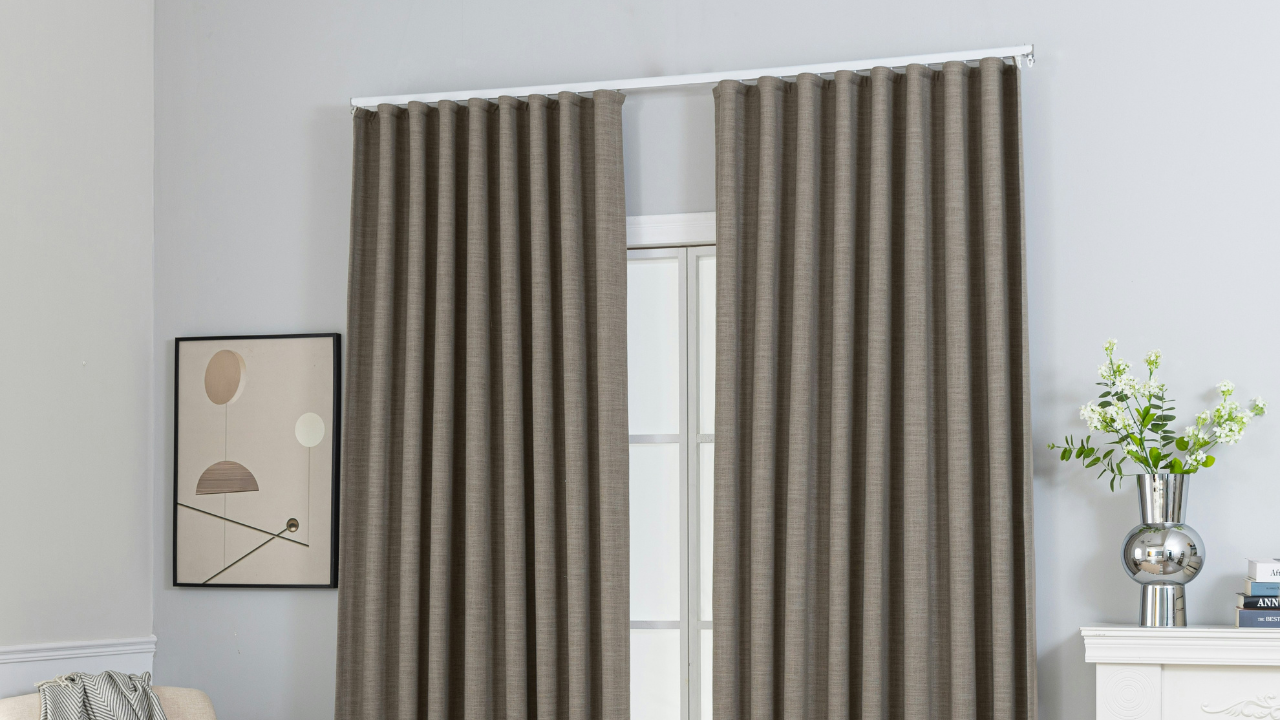
Thin blinds don’t do much against a cold window. Heavier curtains or lined panels act almost like a blanket over the glass. Hang them so they cover the full window and reach close to the floor. During the day, open them to let sun in; at night, close them to trap warmth. Even in rentals, swapping out light panels for something thicker in winter can help.
Put rugs where floors feel coldest
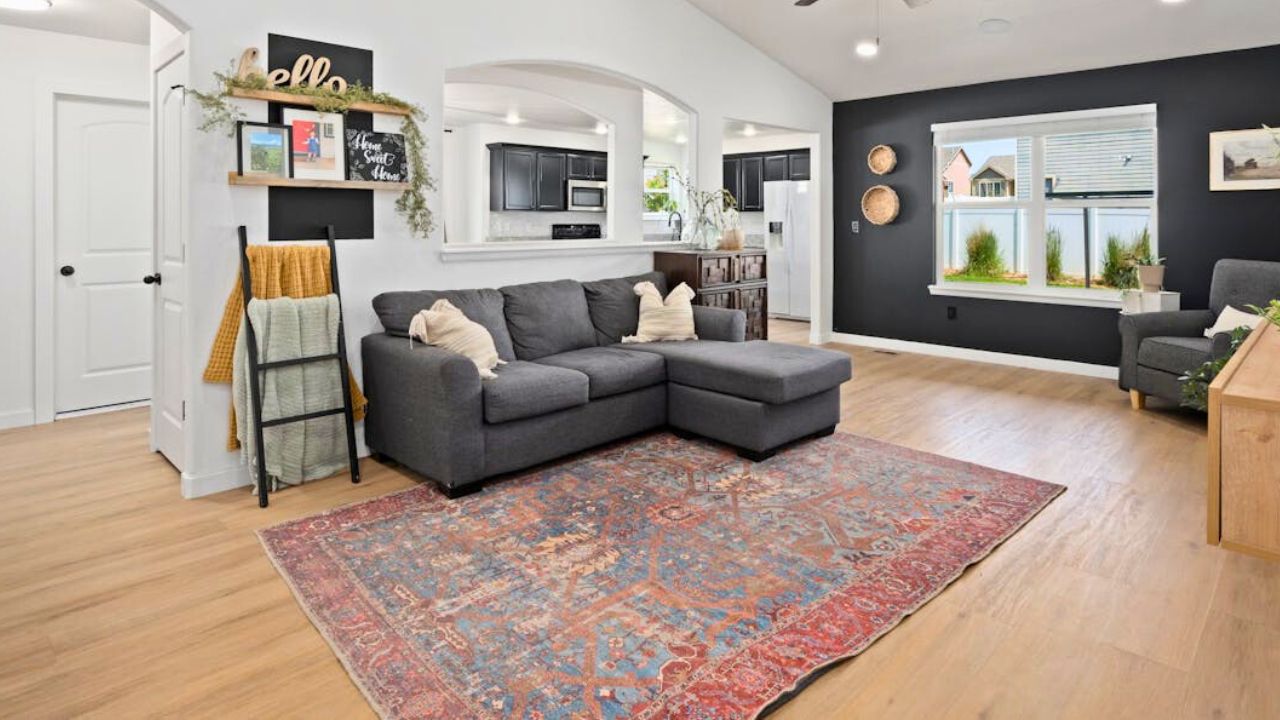
Bare floors over crawlspaces, garages, or concrete feel extra cold, and that chill creeps up into the room. Layering rugs in seating areas and by beds won’t fix insulation issues, but it takes the edge off. A rug pad underneath adds extra insulation and keeps things from sliding around when kids and pets barrel through.
Rearrange furniture away from drafty zones

If a bed or couch is right next to a drafty window or exterior wall, the person sitting or sleeping there is going to feel cold no matter what the thermostat says. Even sliding furniture a foot or two away can help. Put bookcases or storage units on colder walls and keep your “people spots” slightly more toward the center of the room.
Use interior doors to your advantage
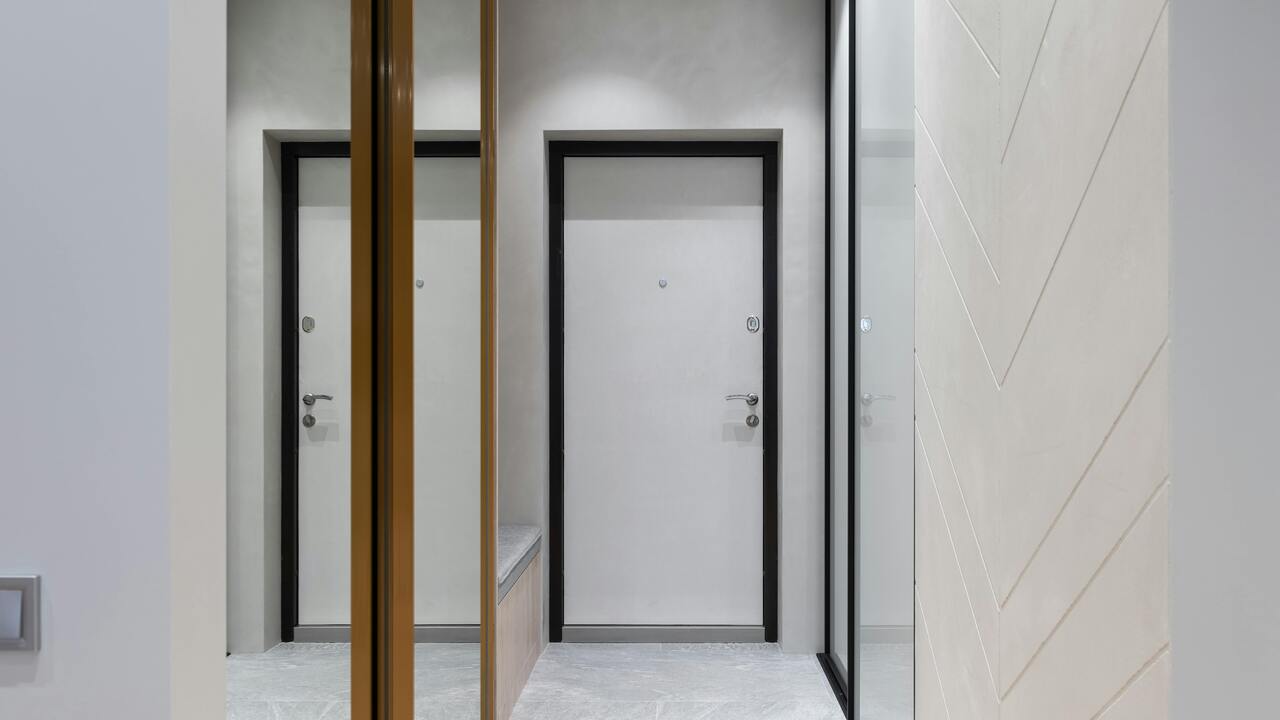
You don’t have to heat every corner of the house the same. Close doors to guest rooms, storage rooms, or spaces you don’t use daily. That keeps warm air where you actually are and cuts down on drafts from cooler areas. If a hallway feels like a wind tunnel, a simple door draft stopper at the base can help there, too.
Like Fix It Homestead’s content? Be sure to follow us.