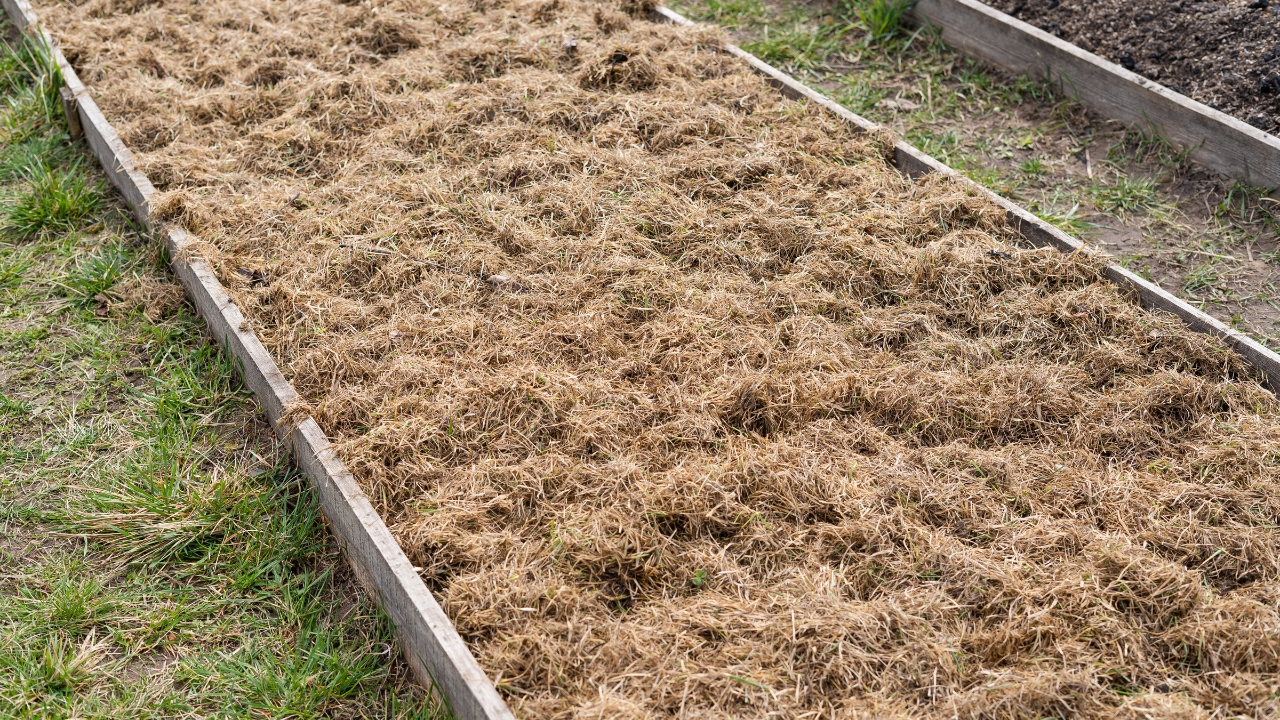
The simple soil cover that protects raised beds till spring
Photo credit: VVVproduct/Shutterstock.com
Raised beds make gardening easier, but winter can be hard on them. Bare soil sits there taking all the wind, rain, and temperature swings. By spring, it’s crusted over, compacted, and full of early weeds you never asked for.
You don’t have to plant a full cover crop to protect your beds (though that’s great if you’re up for it). A simple, low-effort soil cover using things you probably already have can keep beds softer, healthier, and much easier to work with when the weather warms up again.
Why you shouldn’t leave raised beds bare all winter
When soil is left naked through winter, a few things happen:
- Heavy rain and snow can wash away your best top layer
- Wind dries out the surface and blows fine particles off
- Repeated freeze-thaw cycles break down structure and leave a crust
- Weed seeds blow in and get a head start before your plants do
By spring, you’re fighting a hard, compacted top layer and surprise weeds before you’ve even opened the seed packets. Covering the soil gives it a bit of protection so it can rest instead of getting beat up all winter.
The easiest option: a blanket of chopped leaves
If you only do one thing, use leaves. Most yards have more than enough, and they’re free organic matter.
To use them well:
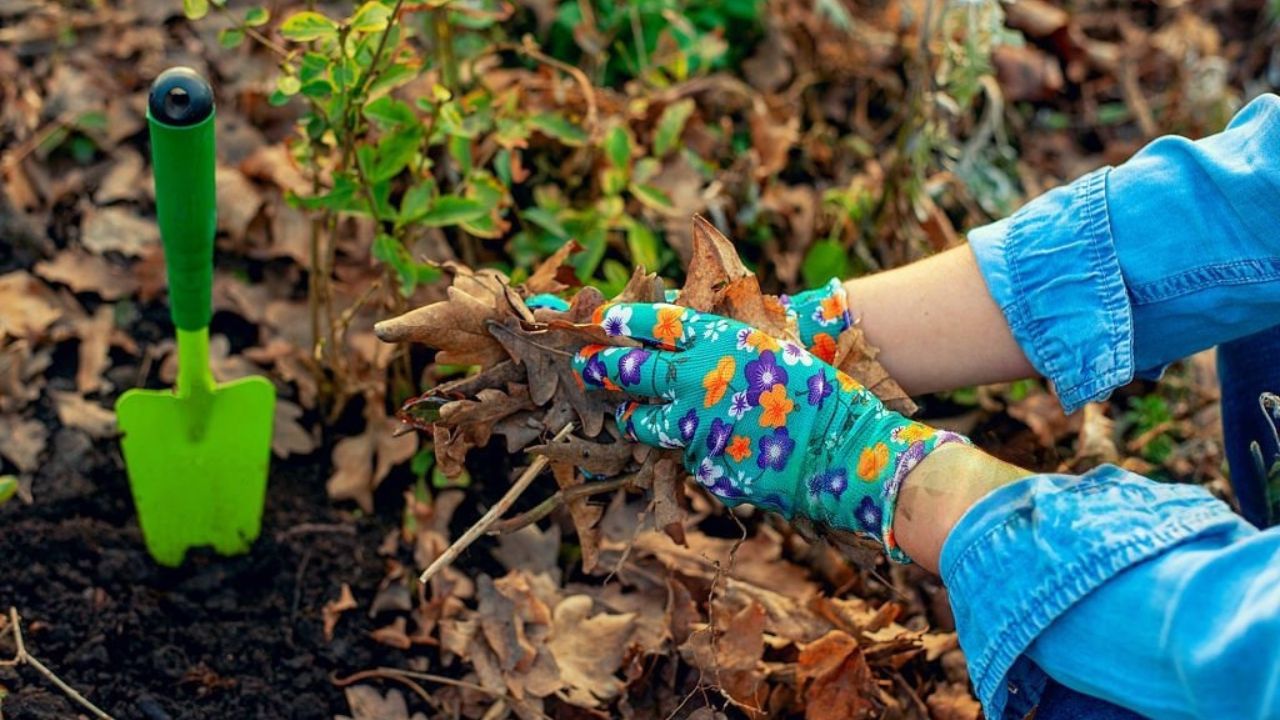
- Shred or chop leaves if you can—run a mower over a pile or crunch them up by hand
- Spread a 2–4 inch layer over the bed, keeping it fluffy, not packed
- Pull leaves a little bit away from any perennial stems so they’re not smothered
Chopped leaves break down slowly over winter, feeding the soil and protecting it from erosion. By spring, you can either rake them aside to plant or lightly mix them into the top few inches.
Whole leaves are better than nothing, but they can mat into a slick layer and shed water. Chopping helps them stay loose and breathable.
Use straw or old mulch when leaves are short
If you don’t have many leaves, straw is another forgiving option. Just make sure it’s straw, not hay—hay often comes loaded with seeds you’ll be pulling for months.
Spread a loose layer a few inches deep over the bed. It:
- Protects the surface from pounding rain
- Helps moderate temperature swings
- Gives you an easy-to-move cover in spring
If you have leftover wood chip mulch from other projects, you can use a thin layer of that too, especially around perennials in the bed. Just don’t bury small plants; keep chips pulled back from stems.
Cardboard plus a light mulch for serious weed control
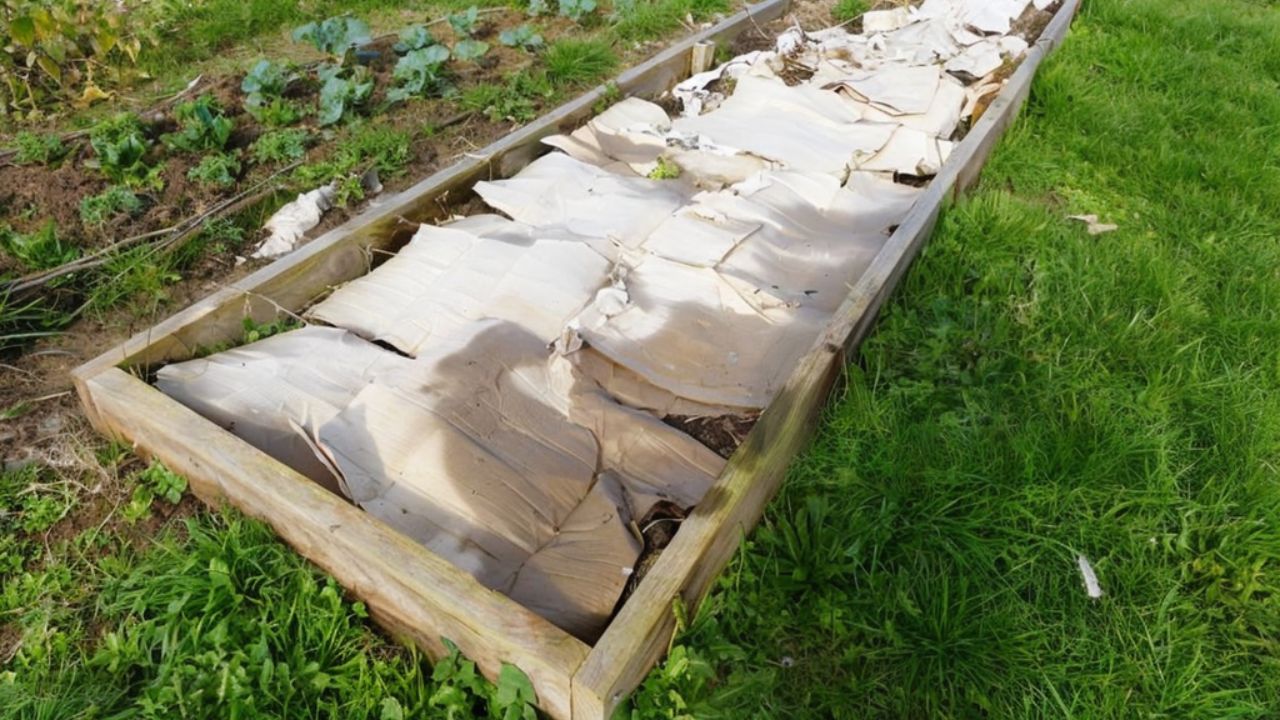
If your raised bed struggled with weeds last season, winter is a good time to get ahead of them. Cardboard makes a simple barrier.
Here’s how:
- Remove any big, woody stems or tall weeds still standing
- Lay down plain cardboard (no glossy, heavily inked sections) on top of the soil, overlapping edges
- Wet it slightly so it molds to the bed
- Add a thin layer of leaves, straw, or mulch on top to hold it in place
By spring, the cardboard will have started to break down, smothering many weed seedlings underneath. You can cut holes or rows in it to plant, or peel it back in the areas where you want to dig.
Use what you already have instead of aiming for perfect
You don’t have to pick the “ideal” cover to do some good. The main goal is to keep the soil from sitting bare.
Things you might already have that can help:
- Chopped leaves
- Straw
- Old mulch from flower beds
- Partially finished compost
- Pine needles (in a thin layer, mixed with other materials)
Even a mix of all the above is better than nothing. You don’t need to overthink ratios. You’re building a loose, protective blanket, not a fine potting mix.
Don’t suffocate perennials hiding in the bed
If your raised bed has herbs, strawberries, or other perennials, you still want to protect the soil—but you don’t want to smother the crowns.
For those areas:
- Mulch around, not directly on top of the plant crowns
- Keep the layer a little thinner (1–3 inches instead of a big mound)
- Make sure stems and central growing points can still breathe
Think of it like tucking plants in, not burying them. They’ll appreciate the insulation around their roots without being covered in a heavy, wet mat.
How to handle the cover in spring without making more work
When spring rolls around, your soil cover shouldn’t create a bunch of extra chores if you kept it light and loose.
You can:
- Rake mulch back from the areas you want to plant early crops
- Work a little bit of the leaf or straw layer into the top few inches of soil for added organic matter
- Leave some cover between rows or around transplants to keep suppressing weeds
Cardboard covers can be cut through with a trowel to plant, or peeled back in strips. Don’t stress if pieces are still hanging on—they’ll continue breaking down over time.
A simple rule to remember each fall
When in doubt, follow this rule: if your raised bed is empty and the forecast says hard freezes are coming, give the soil a blanket.
It doesn’t have to be perfect or pretty. A few inches of chopped leaves or straw, maybe some cardboard under it if weeds were bad, is enough to keep the soil from getting beat up all winter.
Come spring, you’ll be working with softer, healthier soil instead of chipping at a crust and pulling a carpet of cold-weather weeds. That’s less time fighting the bed and more time actually planting it.
Like Fix It Homestead’s content? Be sure to follow us.