The cabbage and kale plan that keeps beds green through winter
Photo credit: Eva Vorter/Shutterstock.com
Bare garden beds in winter can feel a little sad. The good news is, cabbage and kale don’t mind the cold nearly as much as we do. With a little planning, those beds can stay green long after tomatoes and peppers are gone.
You don’t need a fancy cold frame to pull it off. You just need the right timing, the right varieties, and a simple plan for protection when the cold really settles in.
Start with varieties that actually like the cold
Not all brassicas handle frost the same way. If you want plants that stay cheerful in cold soil, pick types known to be hardy.
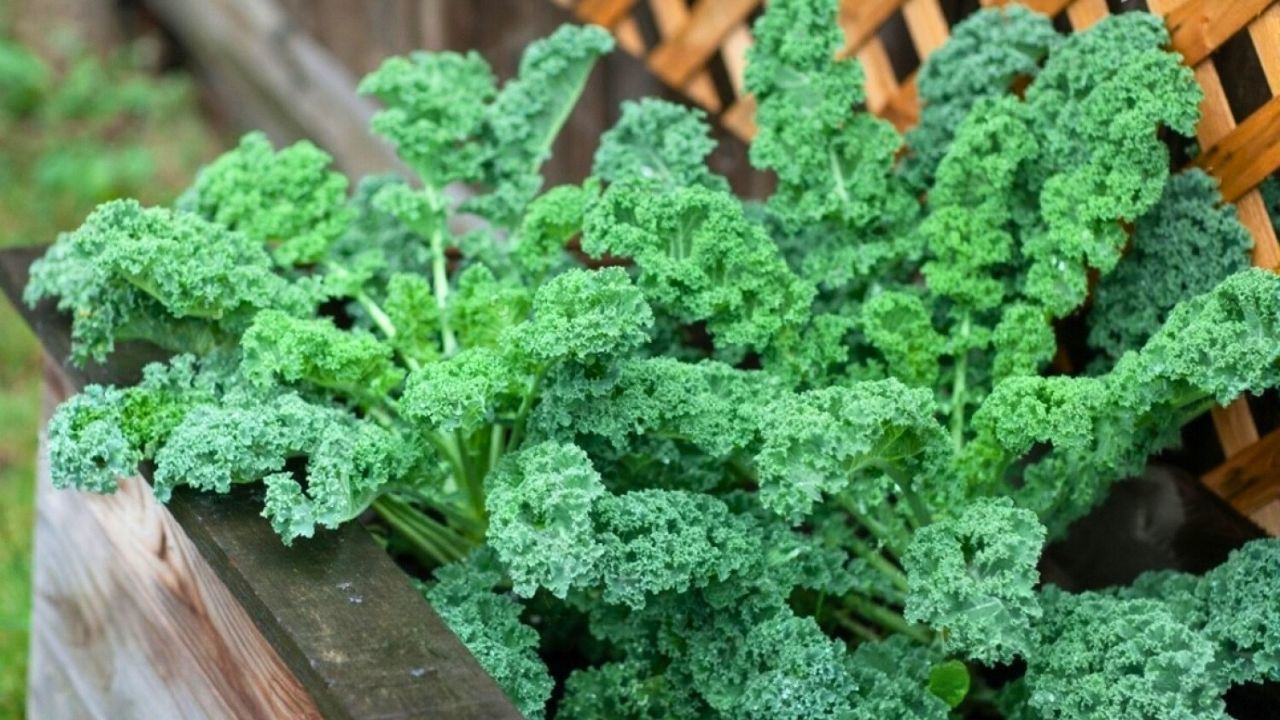
For cabbage, look for words like “storage,” “winter,” or “late” in the description—these tend to hold tighter heads and shrug off cold better. For kale, curly types and lacinato (often called dinosaur kale) usually handle low temperatures well and can get even sweeter after a light frost.
Check your seed packets or plant tags for your growing zone. In colder areas, you’ll lean more on kale and loose-leaf types. In milder climates, winter cabbages can hang on happily in the bed.
Count backwards from your first frost date
Cabbage and kale don’t grow fast once the days get short. The trick is to give them enough time to build size before real winter hits.
A simple way to plan:
- Check days-to-maturity on your seed packets
- Add a couple of weeks since growth slows in cooler weather
- Count backwards from your average first frost date
For many zones, that means starting seeds or planting starts in late summer to early fall. You want decent-sized plants going into winter, not baby seedlings trying to tough it out.
If you’re already close to your frost date, buying sturdy starts instead of sowing seed can help you catch up.
Plant a mix so you’re not picking from the same plant nonstop
If you want beds that stay green and productive, don’t rely on just a row of cabbage heads. Those take time, and once you cut one, it’s gone.
Mix it up:
- A row or two of cabbage for full heads or wedges
- Several kale plants for regular picking
- Maybe a few collards or mustard greens if you like them
Kale lets you harvest individual leaves while the plant keeps growing, so you always have something to pull from even as the cold settles in. Cabbage quietly builds bulk for those bigger harvests.
Give them a thick mulch blanket around the roots
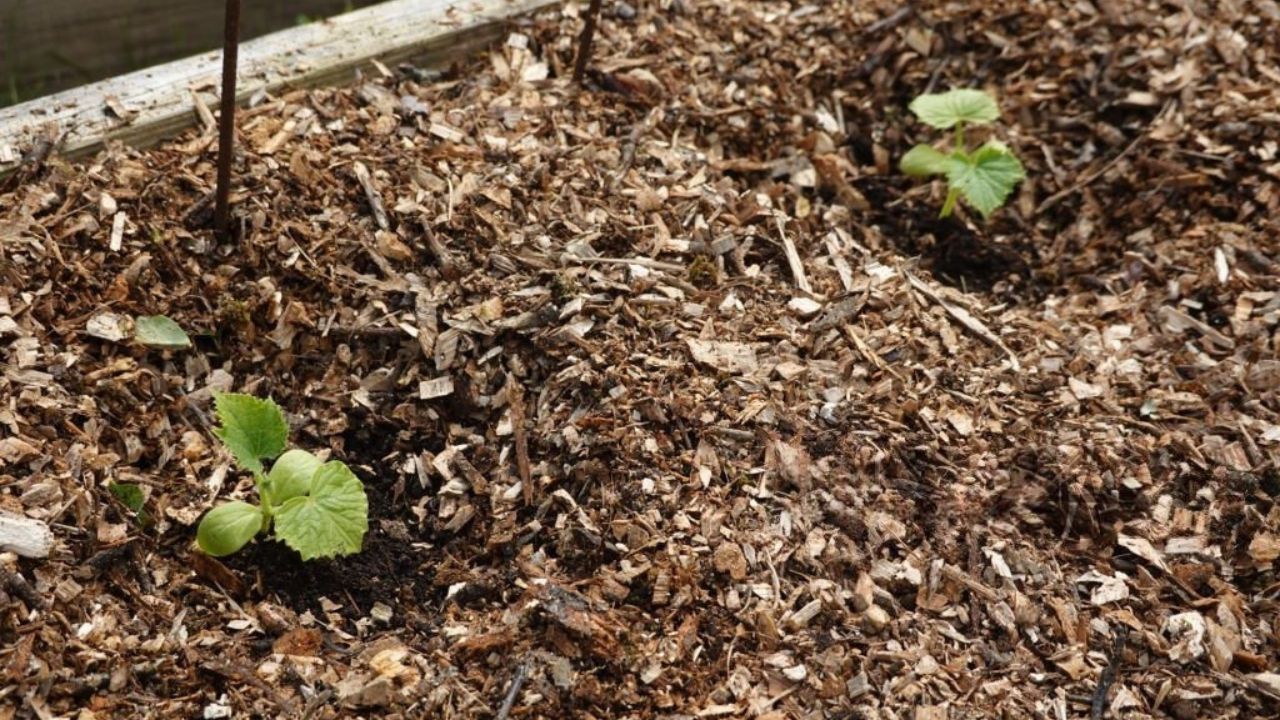
Cold air is one thing; cold, bare soil is another. Mulch helps keep roots more stable and protects the soil structure.
Around each plant:
- Add a generous layer of straw, chopped leaves, or shredded mulch
- Keep mulch a little bit away from the stems so they’re not buried
- Top it off later in the season if it settles a lot
Mulch cuts down on winter weeds and makes beds easier to work in when you head out on a chilly morning to pick a few leaves for dinner.
Have a simple protection plan for the rough nights
Most kale and hardy cabbage can handle light to moderate frosts on their own. The trouble comes with deep freezes, icy wind, and repeated cold snaps.
You don’t need permanent structures. A few simple options help:
- Garden fabric or row cover draped over hoops
- Old sheets or light blankets tossed over plants on very cold nights
- Clear plastic over hoops (with some air gaps) for short cold stretches
Cover in the late afternoon before the temperature drops, then pull covers back during milder days so plants still get light and airflow. Think of it like tucking them in for the worst nights, not locking them under a tent all season.
Harvest smarter so the plants keep going
With kale, always pick from the bottom and outside, leaving the central growing point intact. That way, the plant keeps pushing new leaves even as you eat your way up.
With cabbage, you can:
- Harvest full heads when they feel firm and solid
- Or cut a head and leave the lower stem and a few small leaves—some varieties will push out mini “side heads” from that stump
The goal is steady use, not one big harvest that strips the bed bare.
Keep an eye on soil and slugs, even when it’s cold
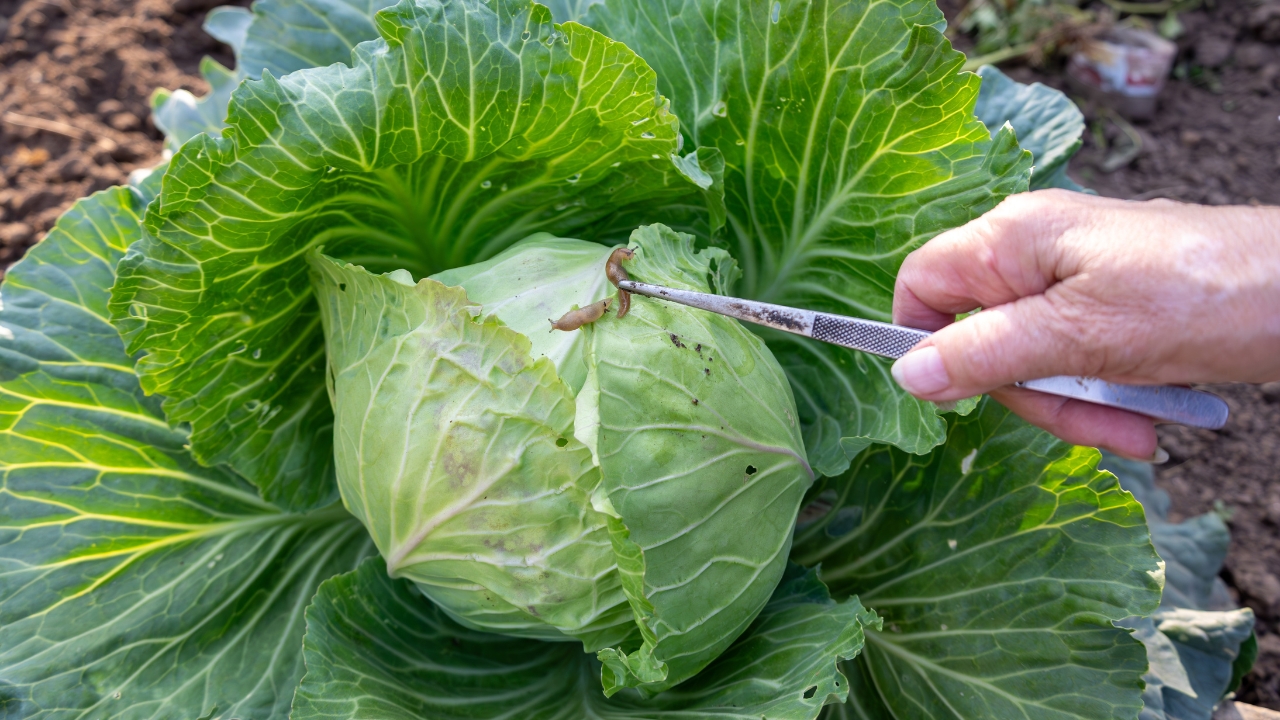
Cold doesn’t mean the bed goes on pause. Moist conditions plus mulch can still invite slugs and other nibblers.
Check:
- Under boards, rocks, and thick mulch for hiding spots
- Around the base of plants for slime trails or holes in leaves
Handpick when you see them, or use traps if needed, so they don’t quietly work their way through your winter greens.
Even a small cabbage-and-kale plan can keep your garden from feeling “closed” all winter. A few tough plants, some mulch, and a simple cover on the coldest nights give you fresh greens when everything else has called it quits—and your beds look a whole lot more alive.
Like Fix It Homestead’s content? Be sure to follow us.
- Man Says He Found Out the Fence He Paid For Wasn’t Actually on His Property
- Woman Says Her Neighbor Started Taking Mulch From Her Delivery Pile Before She Could Even Spread It
- I made Joanna Gaines’s Friendsgiving casserole and here is what I would keep
- What Caliber Works Best for Groundhogs, Armadillos, and Other Digging Pests?