The holiday table setup that keeps food warm without chafing dishes
Photo credit: Noko LTD/istock.com
Chafing dishes are great, but most of us don’t have a whole catering setup sitting in the garage. At home, holiday food usually hits the table piping hot… and then cools down right when everyone actually sits down to eat.
You can keep things warm longer without any big equipment. A little planning with what dishes you use, where you put them, and how you serve makes a bigger difference than you’d think.
Start with the right dishes: heavy over flimsy
The container matters as much as the food. Thin metal pans cool off quickly. Heavier dishes hold heat like a mini-insulated box.
If you can, serve the main hot foods in:
- Ceramic baking dishes
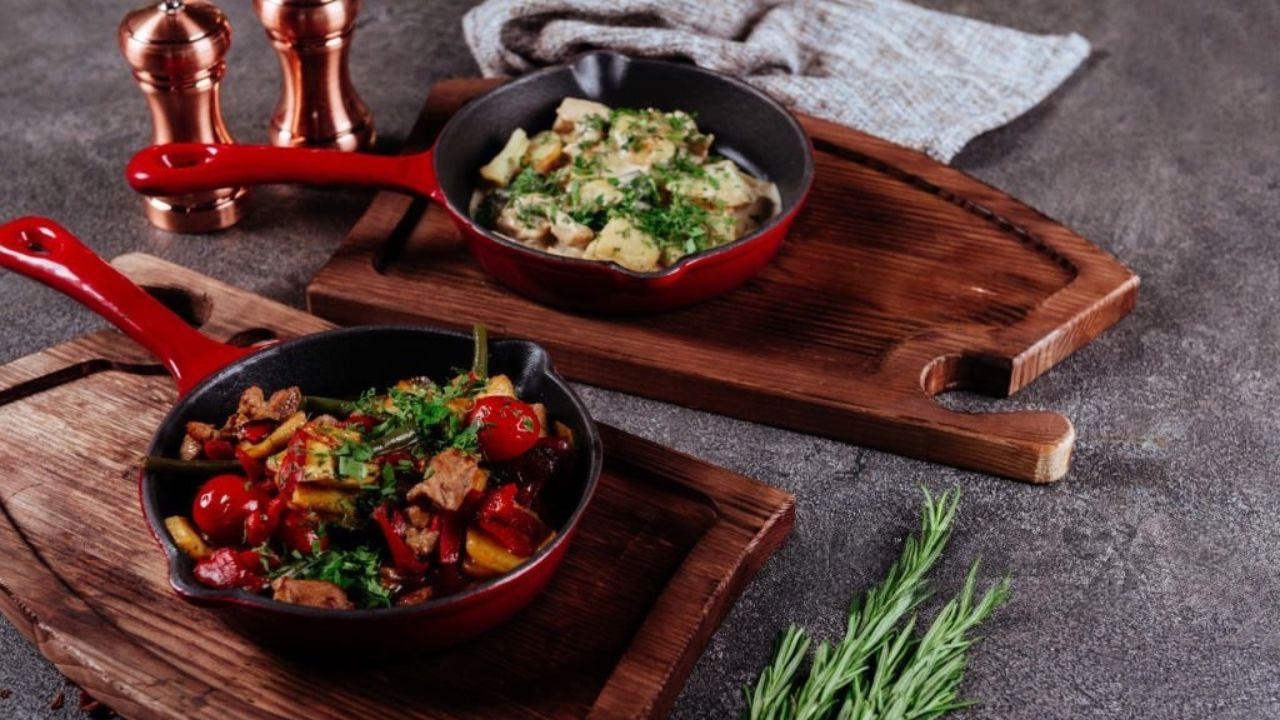
- Cast iron skillets or Dutch ovens
- Heavy glass pans
Pre-warm them if you have oven space. While the food finishes cooking, tuck empty serving dishes in a low oven (around 170–200°F) for a few minutes. Hot food going into a warm dish stays warmer much longer than food poured into something cold.
Use simple insulation tricks under and around the dishes
You don’t need flame underneath—sometimes you just need to stop heat from leaking out.
Try these easy layers:
- Set hot dishes on thick wooden boards, trivets, or folded towels instead of a cold stone or metal surface.
- Use a table runner or folded cloth under the main row of hot dishes to keep heat from draining into the table.
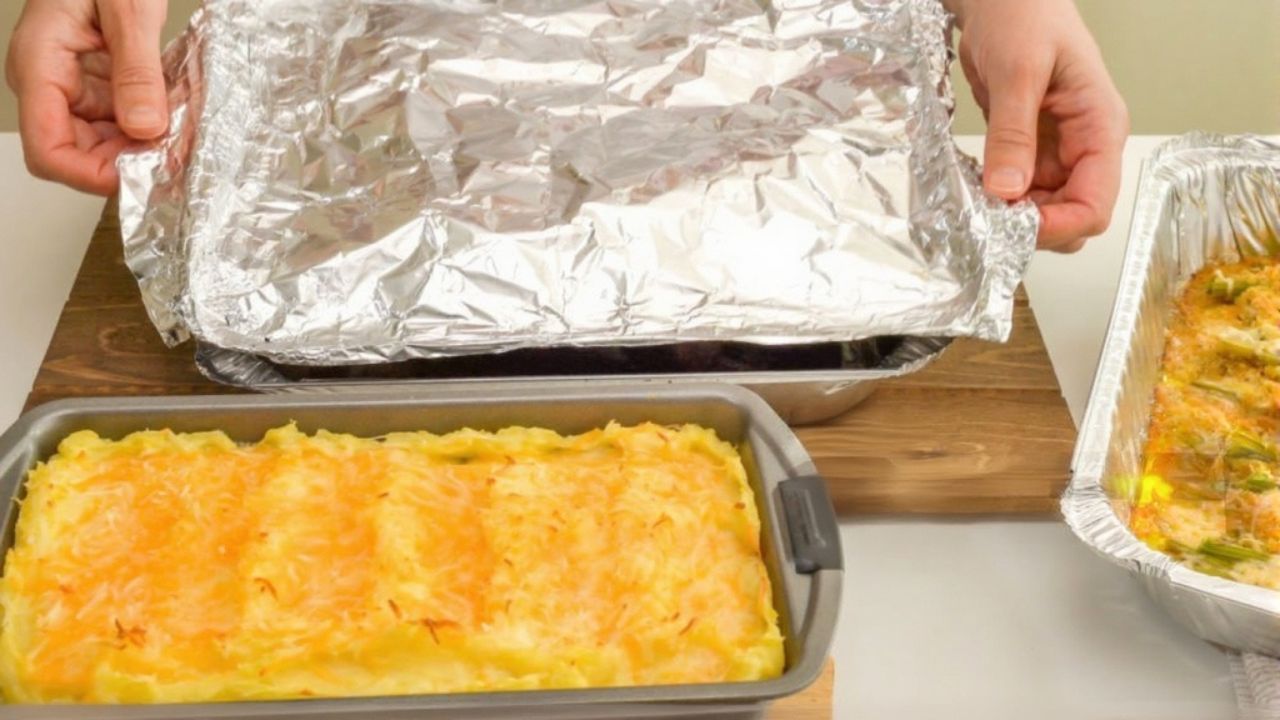
- Keep lids on or cover dishes with foil or a clean towel until everyone is actually seated.
Even those basic layers turn the table into more of a holding area and less of a heat sink.
Set up a “hot zone” away from drafts
Where you put the food table matters. If your serving area is under a vent, next to a drafty door, or straight in line with a fan, everything is going to cool off faster.
If you can, position hot dishes:
- Away from exterior doors that open frequently
- A little distance from windows that let in cold air
- Out of the direct blast of ceiling fans or strong vents
You don’t have to rearrange the whole house, but shifting the hot foods away from cold spots keeps them from losing heat while everyone goes through the line.
Use slow cookers and insulated pieces where they make sense
You may not have chafing dishes, but you probably have at least one slow cooker or insulated casserole carrier. Put them to work.
Good candidates for slow cookers:
- Mashed potatoes
- Stuffing or dressing
- Meatballs, little smokies, or shredded meats
Set them to “warm” once the food is cooked, and serve straight from the crock if you need to. If you prefer everything to match, you can refill a pretty serving dish from the slow cooker halfway through the meal.
Insulated casserole carriers work like soft coolers in reverse. Keep the lid on until you’re ready to serve, and they’ll hold heat surprisingly well for sides or rolls.
Serve smart: hot foods first, salads and breads last
The order you put things in the line matters for temperature. If the hot foods sit untouched while everyone loads up on salad, they’re cooling the whole time.
Try this flow:
- Hot mains and sides first
- Then breads and rolls
- Then salads and cold dishes at the end
People naturally move down the line and sit, which means hot food doesn’t have to wait its turn behind the cold items.
You can also keep backup portions of certain items (like a second pan of potatoes) in a warm oven while the first one is on the table. Swap them if the dish cools off too much.
Use lids, foil, and towels for “holding time” between batches
If you’re still cooking while the first batch of food hits the table, it helps to think in terms of holding time.
A few simple habits:
- Keep lids on anything that can handle it until everyone sits down.
- Cover casseroles loosely with foil in between people going back for seconds.
- If food needs to sit for more than 10–15 minutes before serving, keep it in the warm oven instead of on the counter, then move it to the table when it’s time.
You’re not trying to keep food scorching hot for hours, just comfortably warm while people eat without feeling rushed.
With heavier dishes, a few insulating layers, better placement, and some smart use of slow cookers and lids, you can serve a holiday meal that actually stays warm through the whole first round—without a single chafing dish in sight.
Like Fix It Homestead’s content? Be sure to follow us.