9 Ways to Design a Garden That Looks Good Year-Round
Photo credit: Nicholas J Klein/Shutterstock.com
A lot of gardens peak for a few weeks, then spend the rest of the year looking tired or bare. The trick to a year-round garden isn’t doing more work—it’s choosing plants and structure that carry you through every season.
You want bones (the structure), layers (heights and textures), and little moments of interest even when nothing is blooming. Here’s how to build that without starting from scratch.
1. Start with evergreen “anchors” that stay all year
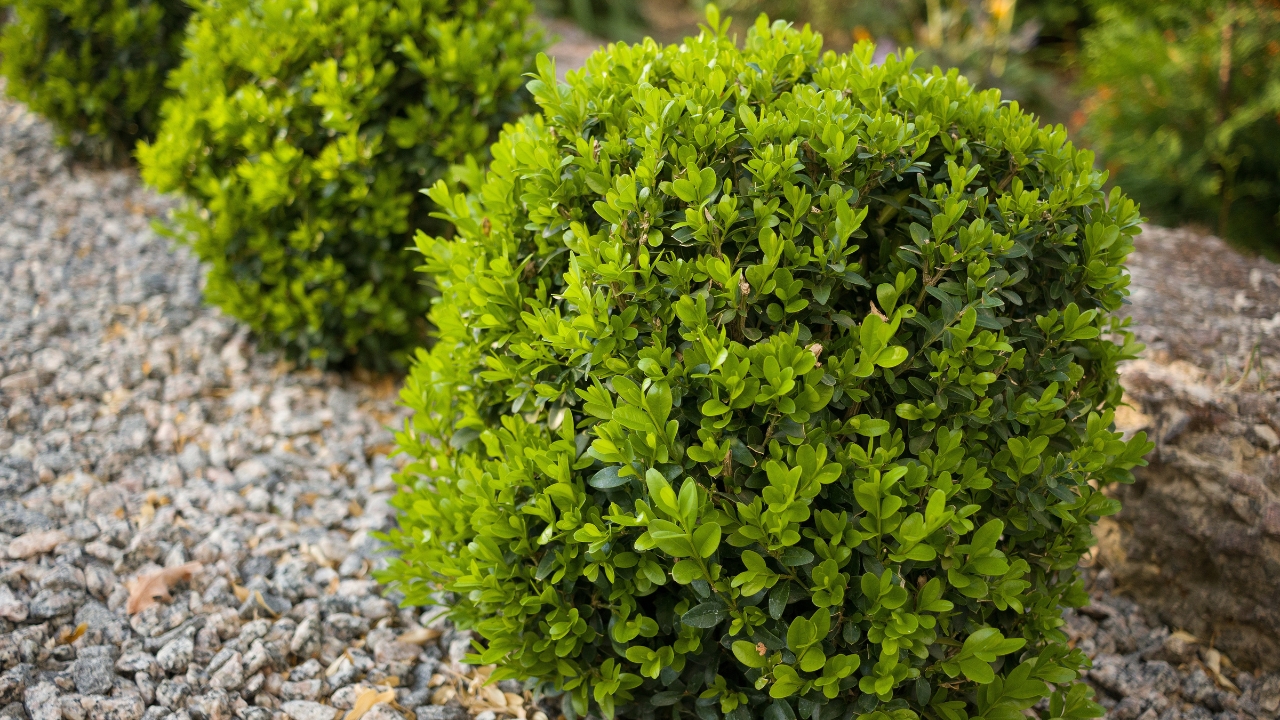
Evergreens are the backbone of a year-round garden. They keep color and shape when everything else drops leaves or dies back.
Think small shrubs, boxwoods, hollies, dwarf conifers, or even evergreen grasses, depending on your zone. Place them where your eye naturally lands: near the front door, at the corners of beds, or as a simple hedge.
You don’t need a lot. A few well-placed evergreens keep the garden from looking completely empty in winter and help tie things together when all the seasonal plants come and go.
2. Mix plant heights so the garden doesn’t feel flat
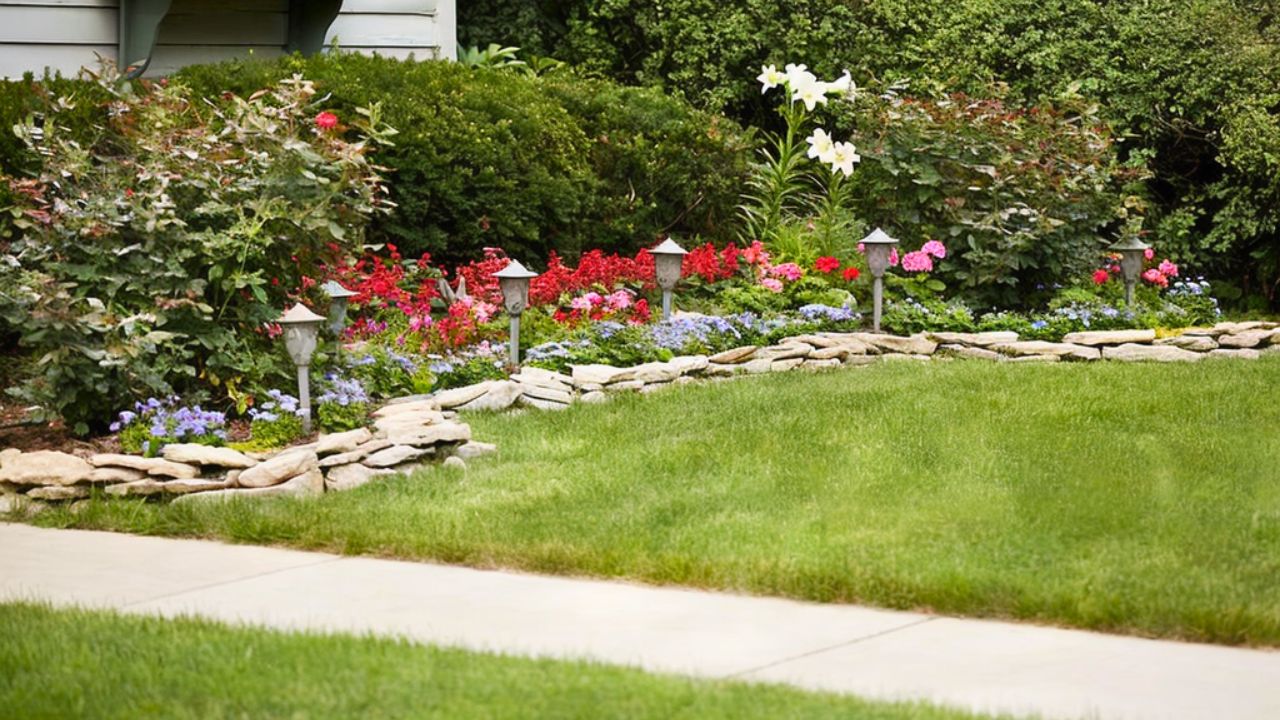
If everything in the garden is the same height, it looks flat and dull, especially in the off-season. You want a mix of tall, medium, and low plants.
Use taller shrubs, small trees, or trellised vines in the back or as focal points. Fill the middle with medium perennials and smaller shrubs. Use low groundcovers or edging plants along the front.
That layered look means even when a specific plant is done blooming, the structure of the garden still feels full. You see shapes and textures, not just empty mulch.
3. Choose plants for staggered bloom times
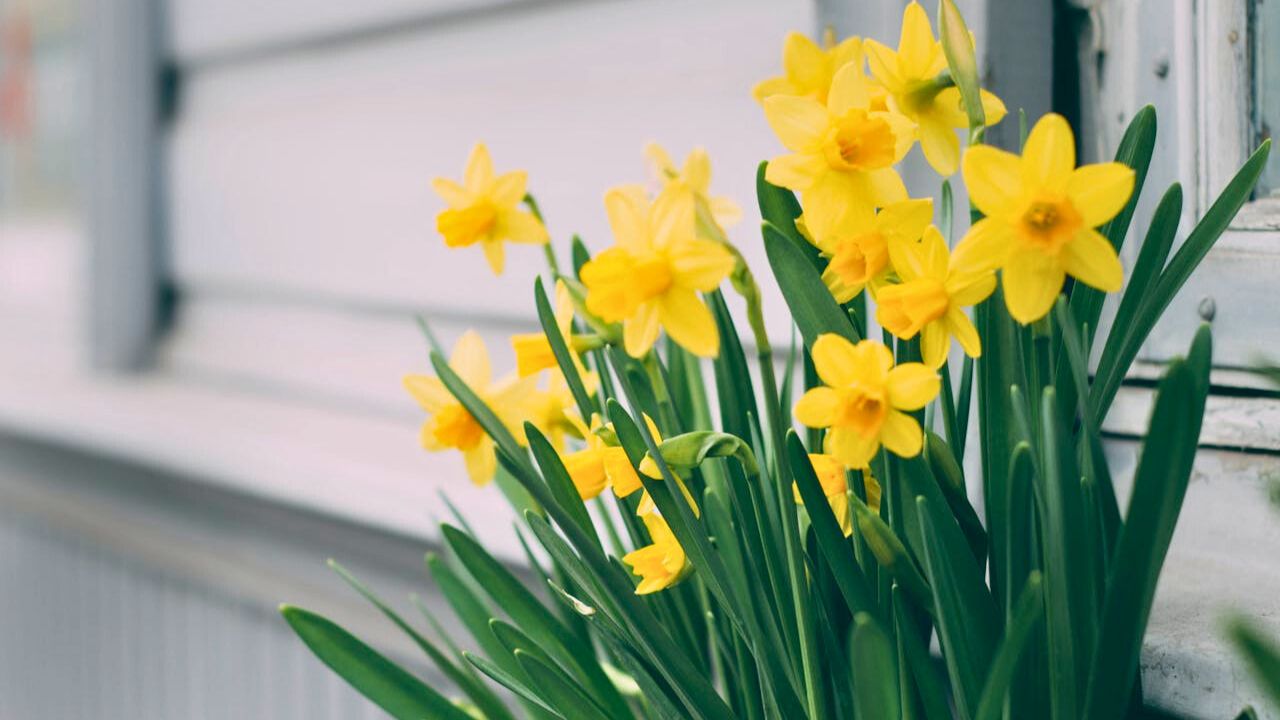
Instead of planting everything that blooms in May, look for a mix of early, mid, and late-season plants. Most plant tags or online descriptions will tell you the bloom window.
Aim for:
- Early spring interest (bulbs like daffodils and tulips, or early perennials)
- Summer color (coneflowers, daylilies, black-eyed Susans, zinnias)
- Late-season bloomers (asters, sedum, mums, ornamental grasses that plume in fall)
When you have something happening in each season, the garden feels alive longer instead of giving you one big show and then tapping out.
4. Add plants that look good after they bloom
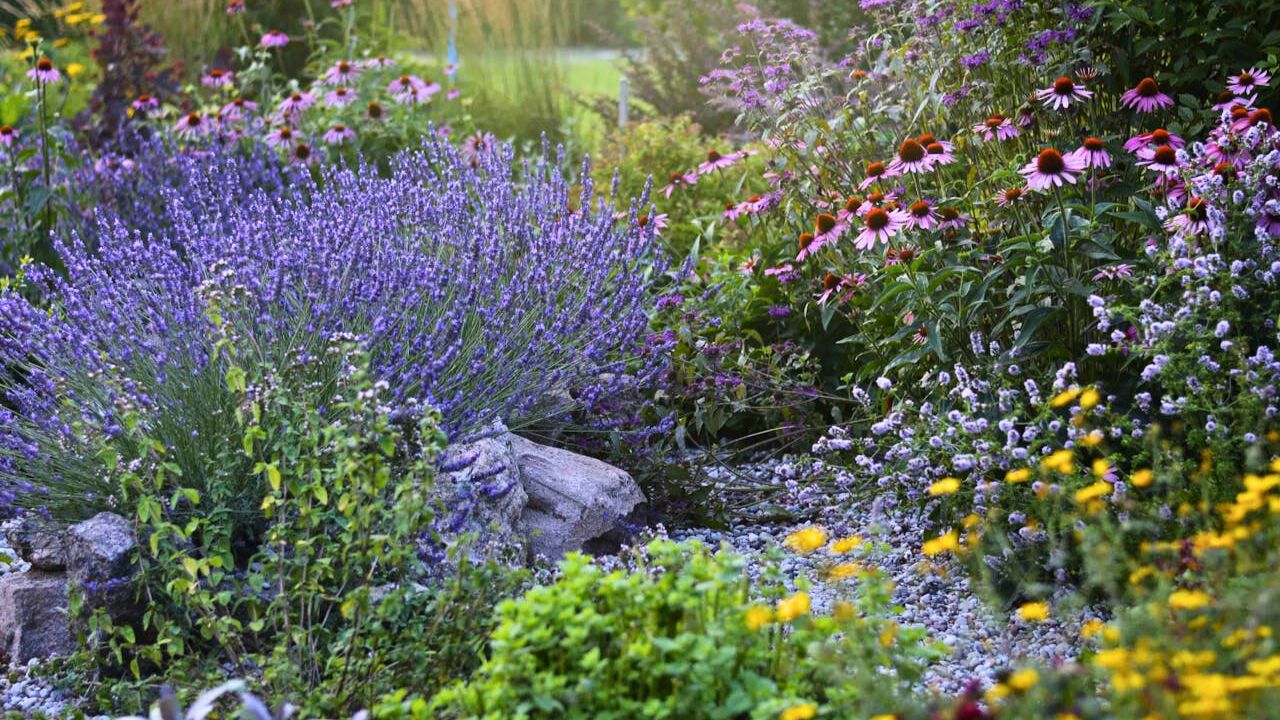
Some plants are worth growing just for their seed heads, bark, or foliage. Those details keep the garden interesting when flowers aren’t the star.
Look for:
- Ornamental grasses that turn golden and sway in fall and winter
- Plants with pretty seed heads (coneflowers, alliums)
- Shrubs or trees with interesting bark or branch structure
Instead of cutting everything down the second it fades, leave some of these in place through winter. They add texture, catch frost beautifully, and provide food and cover for birds.
5. Use hardscaping as a backbone
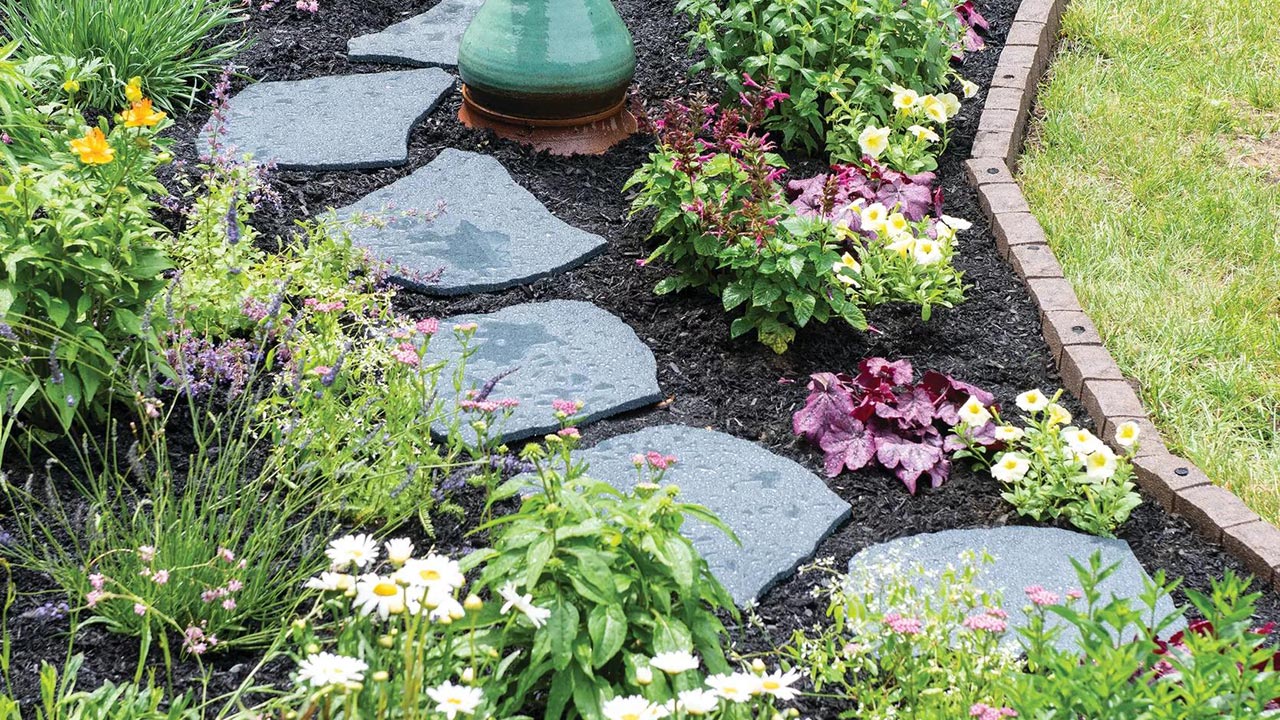
Pavers, edging, trellises, benches, and even simple stepping stones give the garden structure that doesn’t disappear with the seasons.
You don’t have to install anything huge. A basic path through the garden, a small sitting area, or a trellis with a climbing vine can add a lot. Those elements keep the garden feeling intentional even when plants are dormant.
Think of hardscaping as the frame and plants as the artwork. The frame keeps everything looking like it belongs, year-round.
6. Layer in winter interest near windows and doors
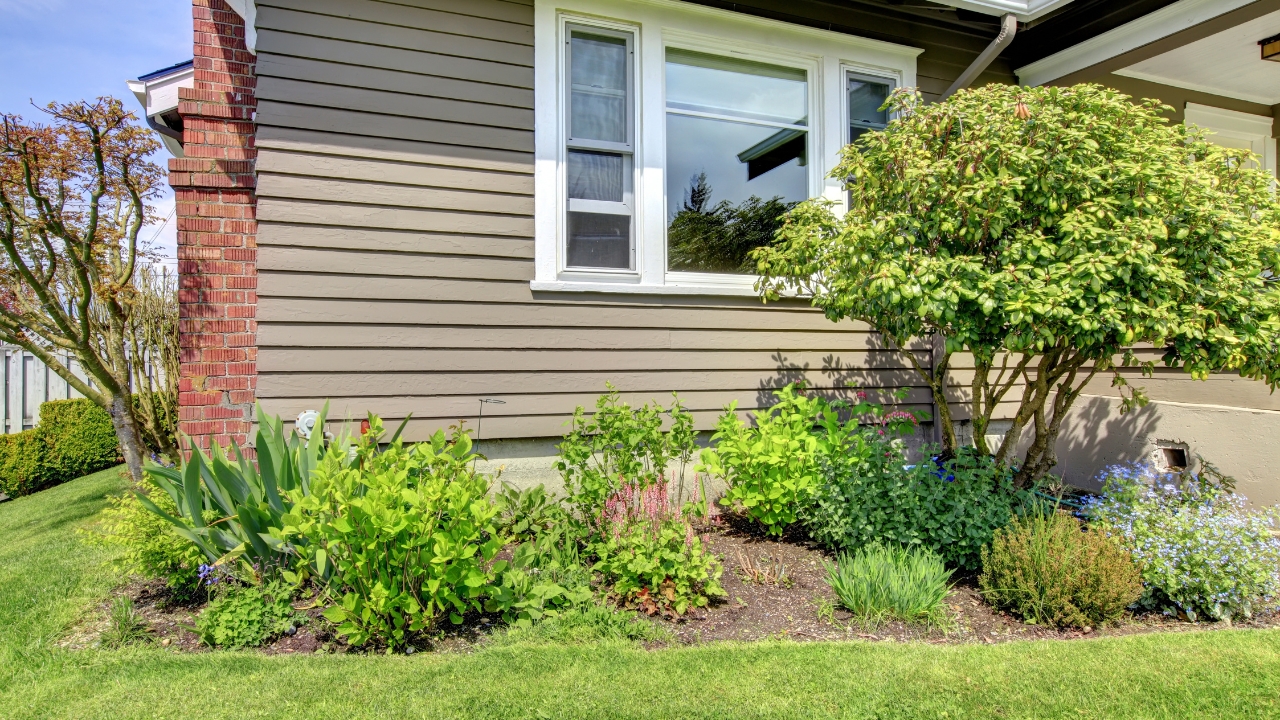
Ask yourself: what do I actually see in winter? Usually it’s the view from inside—through kitchen windows, living room windows, or near the front step.
Plant your most cold-hardy, visually interesting choices where you’ll see them from inside: evergreens, grasses, shrubs with berries, or a small tree with nice bark.
That way, even on a gray day, you’re looking out at something with shape and color instead of bare ground.
7. Use mulch and edging to keep things tidy in the off-season
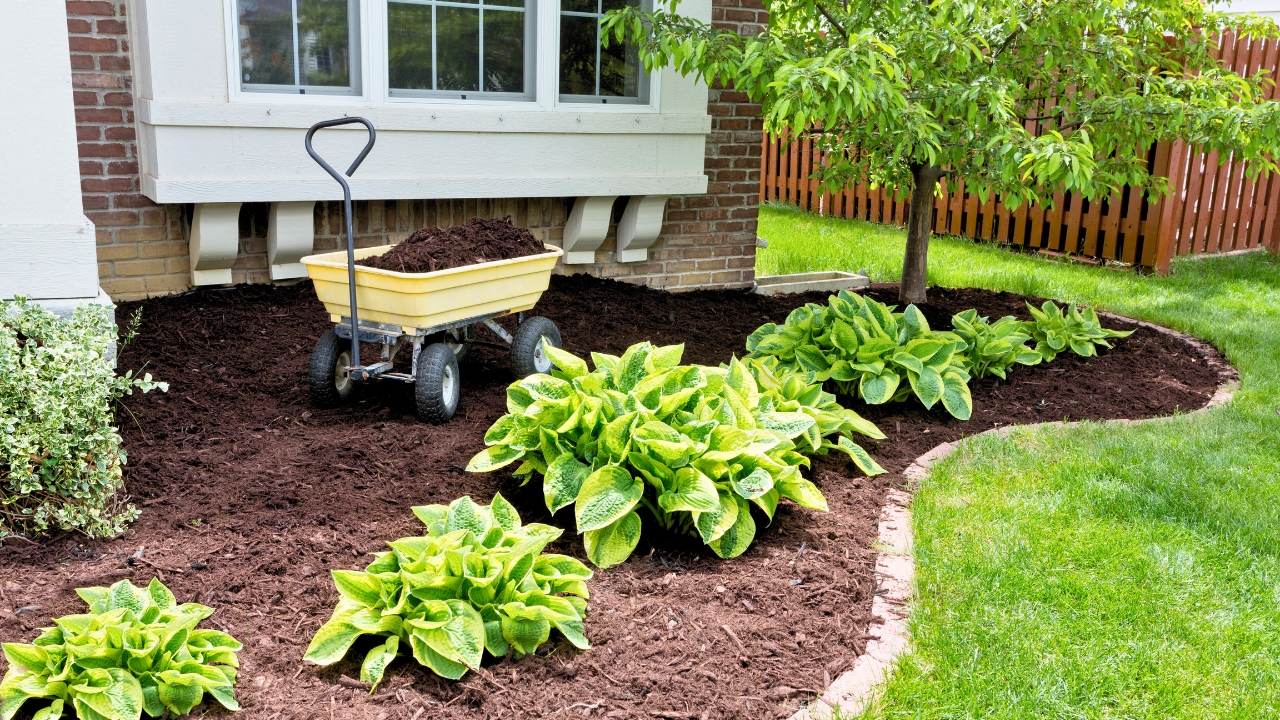
Even the best-planned garden can look messy in the in-between seasons if there’s no clear edge between beds and lawn. Clean lines make everything feel more “done,” even when plants are resting.
Simple upgrades like:
- A defined edge cut with a spade
- Brick, stone, or metal edging
- Fresh mulch once or twice a year
…keep the beds looking intentional. Mulch also protects soil, suppresses weeds, and helps plants through temperature swings, which matters when you’re asking them to perform year after year.
8. Don’t forget evergreen or semi-evergreen groundcovers
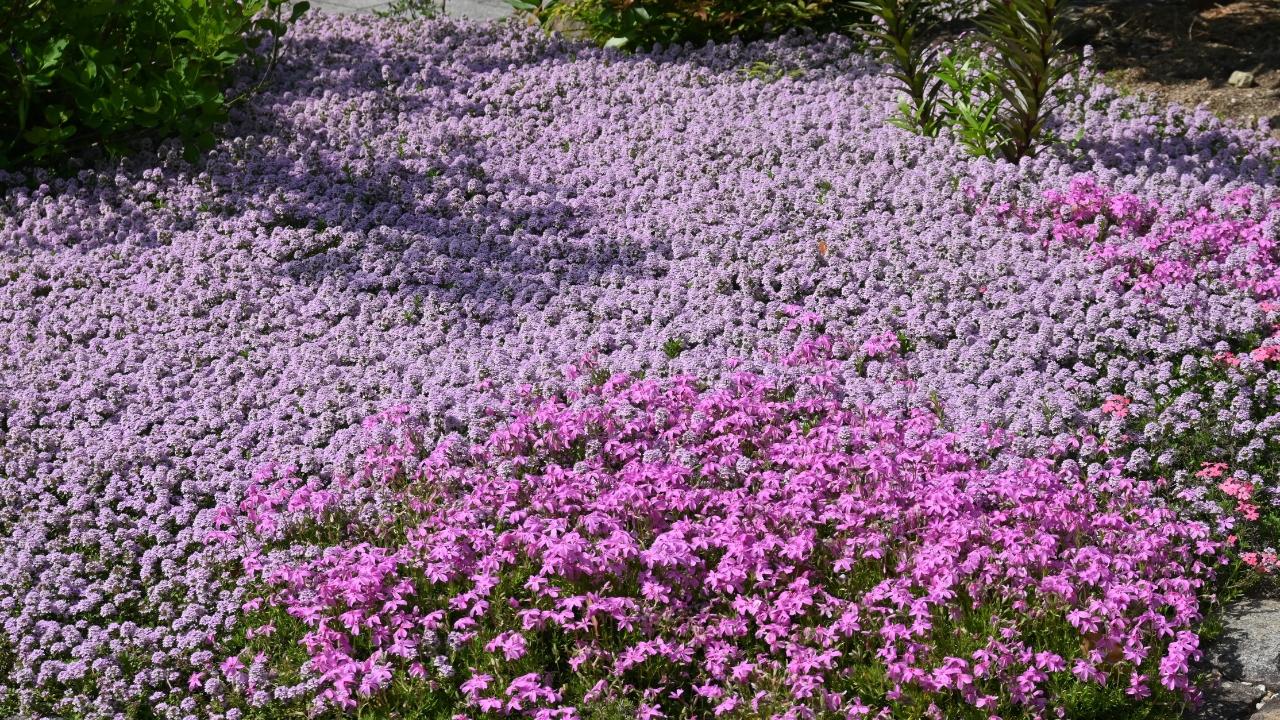
Bare soil is one of the quickest ways a garden can look empty. Groundcovers help by filling in the space between bigger plants—some even stay green through winter, depending on your zone.
Look for options that won’t take over: things like creeping thyme, some sedums, or low-growing native groundcovers. They soften the edges, reduce weeds, and mean your beds look fuller even when taller plants are cut back.
Just be sure to pick varieties that fit your climate and sunlight levels so they behave.
9. Repeat colors and plants so it feels cohesive
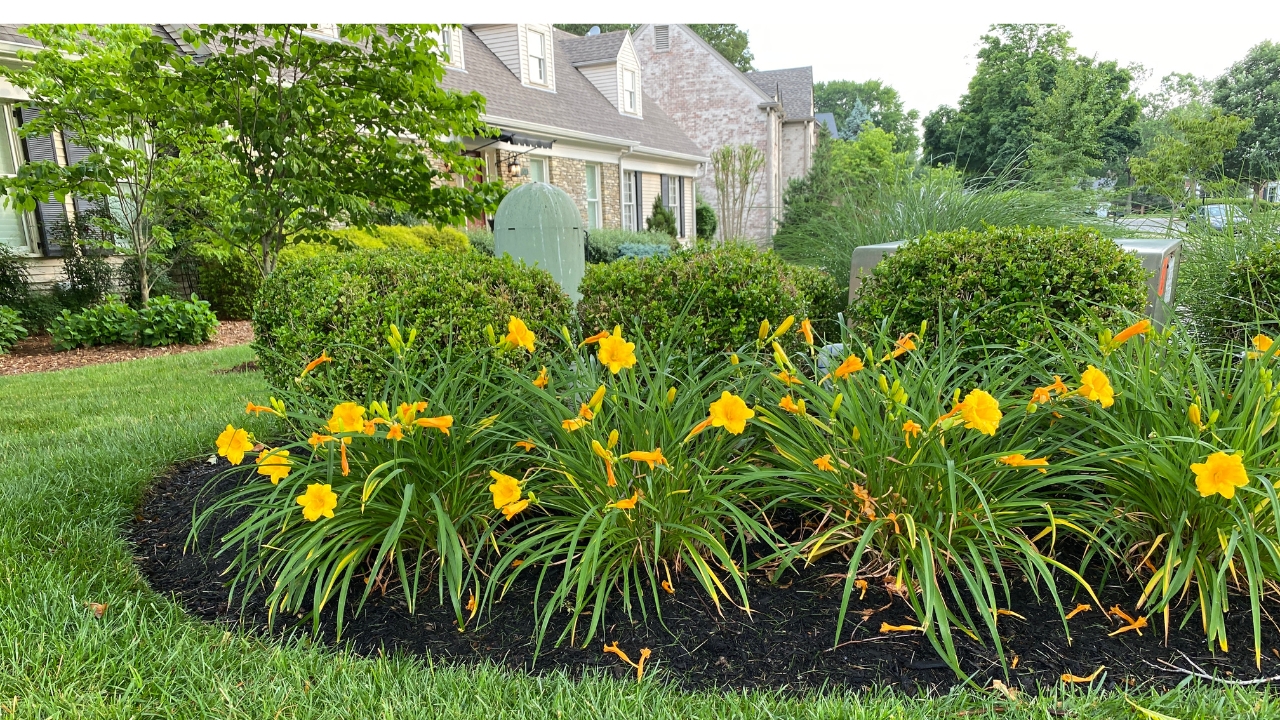
A year-round garden looks calmer and more pulled together when you repeat certain plants and colors. That repetition keeps things from feeling like a random plant collection.
Choose a few “signature” plants and use them in multiple spots—maybe a certain grass, a favorite flowering shrub, or a type of daisy. Repeat colors, too: if you love purples and whites, lean into those instead of mixing every color under the sun.
The garden still changes through the seasons, but that thread of repetition keeps it feeling like one connected space instead of a bunch of separate patches.
With a few evergreens, layered heights, staggered bloom times, and some simple structure, your garden can look good in January and July—and you won’t feel like you’re constantly starting over every spring.
Like Fix It Homestead’s content? Be sure to follow us.