10 Thanksgiving Hosting Tricks That Keep Stress Away
Photo credit: cottonbro studio/Pexels.com
Hosting Thanksgiving sounds fun until you’re staring at a raw turkey, a messy kitchen, and a house full of hungry people. The good thing is, most of the chaos isn’t about the food—it’s about timing, space, and expectations.
These tricks are less about perfection and more about making sure you’re not crying into the mashed potatoes at 10 a.m.
Decide on “store-bought versus homemade” before you even make a list

Before you write your menu, decide what you’re not making from scratch this year. Maybe that’s rolls, pie crusts, gravy, or even the whole dessert lineup from a local bakery or grocery store.
Once you draw that line, you stop fighting yourself about it. Your list becomes “these are the dishes I’m actually cooking” instead of “all the dishes that would be nice in a fantasy world.” You’ll shop smarter, prep faster, and save your energy for the things you genuinely care about making.
Do a dry-run with your oven and fridge space
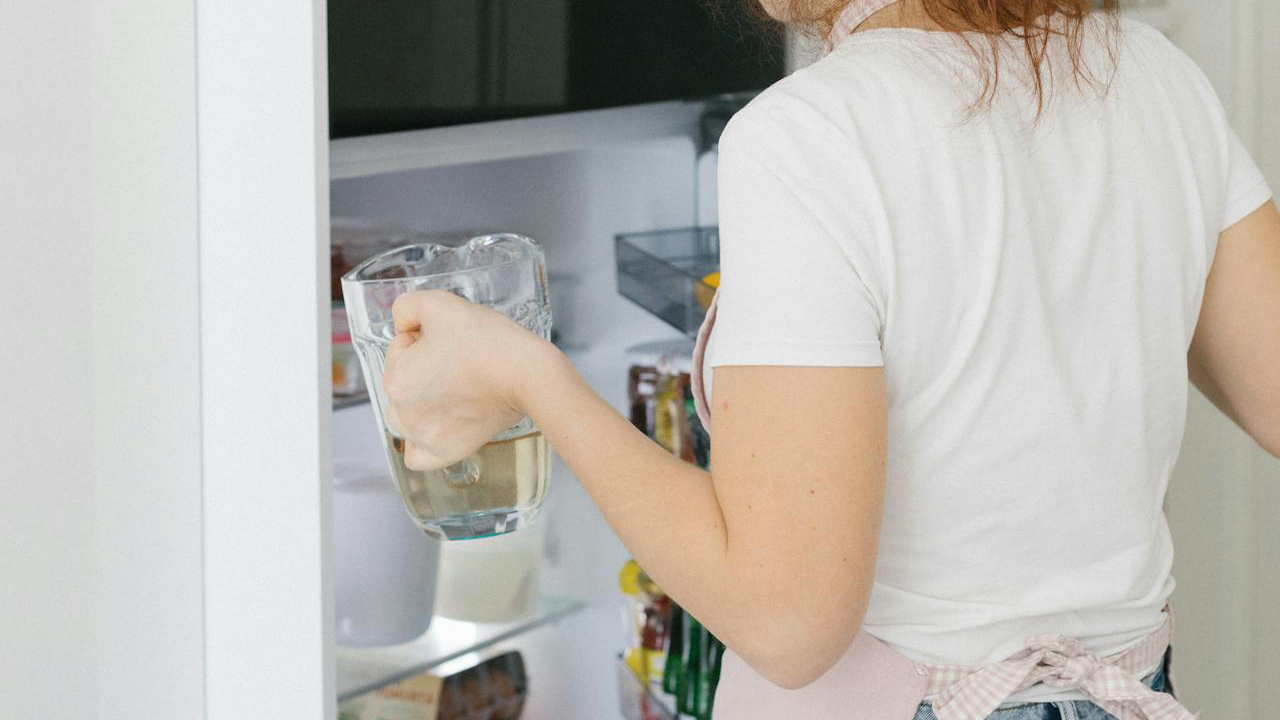
The biggest Thanksgiving headache usually isn’t the recipes—it’s realizing you don’t have space or oven time. A few days before, look at your menu and write down what needs the oven and for how long.
Then, open your fridge and be brutally honest. Clear out old condiments, leftovers, and anything that can live in a cooler on the porch or in the garage. Knowing exactly where the turkey, casseroles, and pies will go ahead of time takes a huge mental load off the actual day.
Prep “building blocks,” not full dishes, the day before
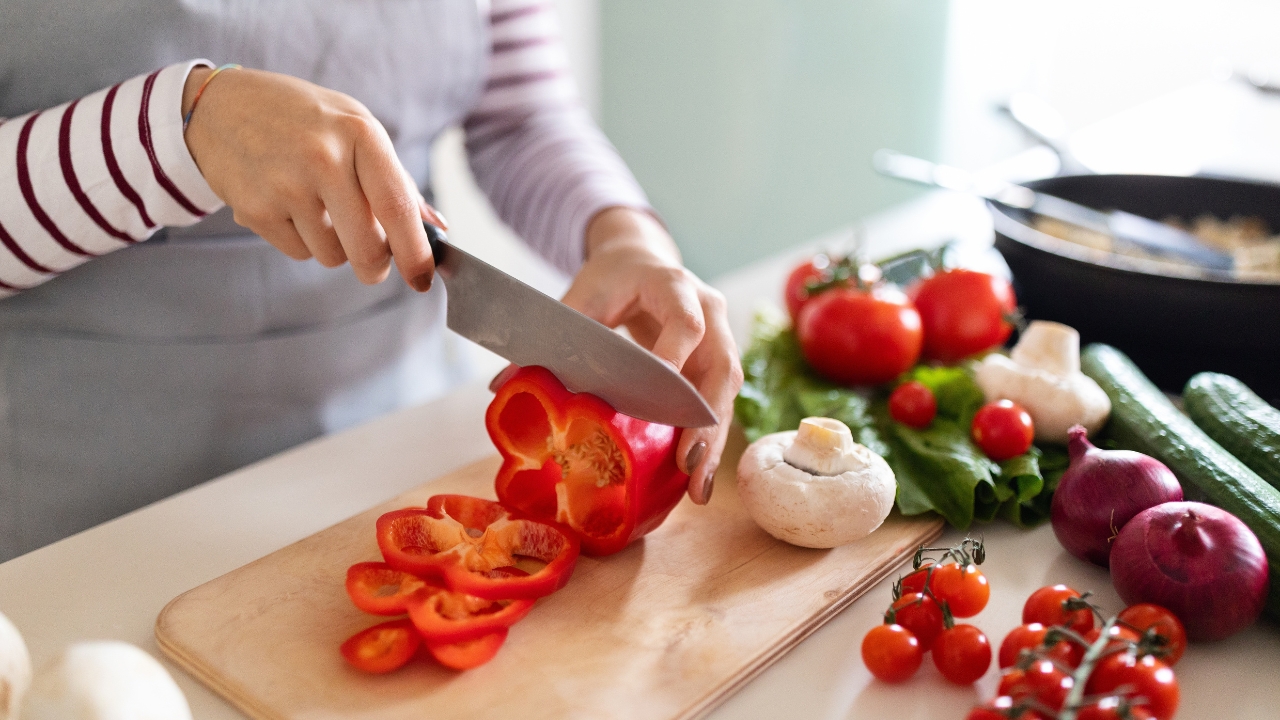
You don’t have to make every dish fully ahead. Focus on chopping, mixing, and pre-measuring: chop onions and celery, cube bread for stuffing, shred cheese, mix seasonings, measure dry ingredients, and assemble casseroles up to the baking step.
Put sticky notes on each container: “Green bean casserole – bake 25 min” or “Stuffing – add broth, then bake.” On Thanksgiving morning, you’re mostly assembling and baking instead of cooking from scratch with a house full of people asking questions.
Assign jobs with names—don’t wait for people to offer

When guests say, “Let me know if I can help,” they usually mean it, but you may be too busy to think clearly in the moment. Give people specific roles ahead of time:
“Can you be in charge of drinks?”
“Will you handle coffee and dessert?”
“Can you watch the kids for 30 minutes before we eat?”
It feels more natural for everyone, and you’re not stuck trying to do 14 things while politely telling people, “Oh, I’m fine,” when you’re clearly not.
Set up a drink station away from the kitchen

The fastest way to get stressed is having everyone crowd around the stove while you’re trying to cook. Move the traffic by setting up drinks in a different area—a corner of the dining room, a small table in the living room, or even a folding table in the hallway.
Put out cups, ice (if you have it), water, tea, soda, and anything else you’re serving. Now people can refill without stepping over you while you’re basting the turkey or draining potatoes.
Use big disposable pans for roasting when you can
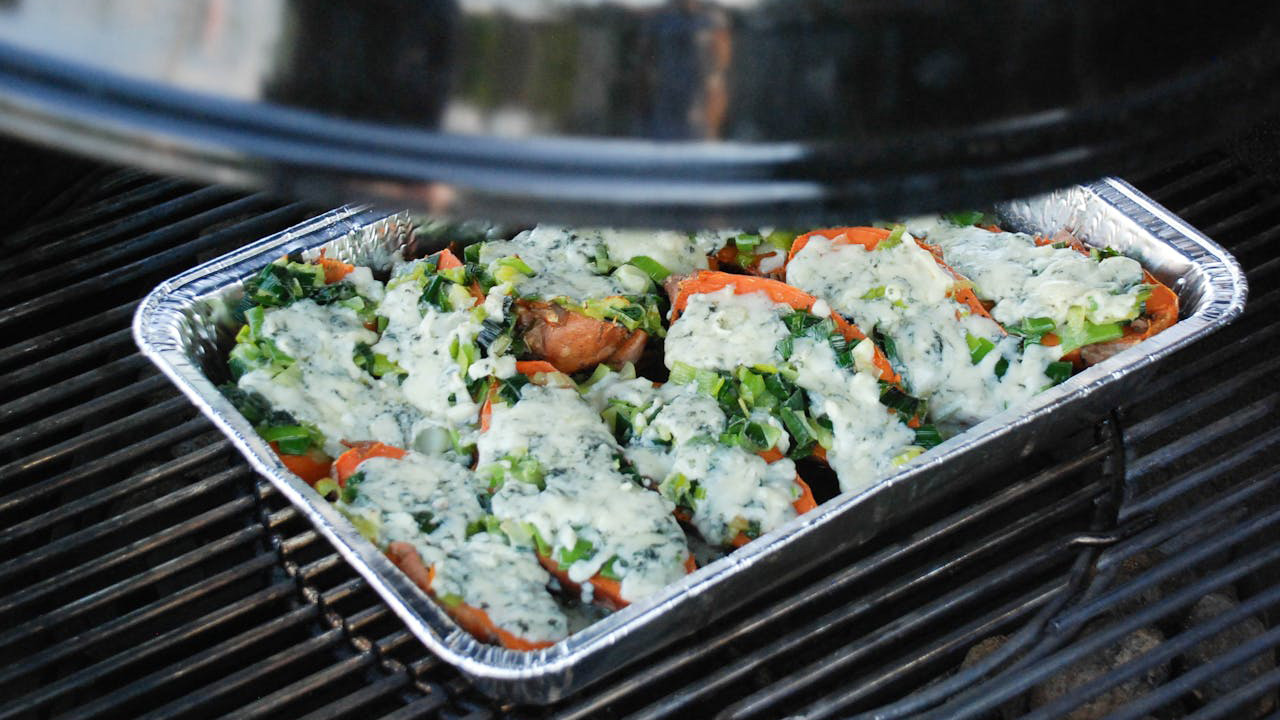
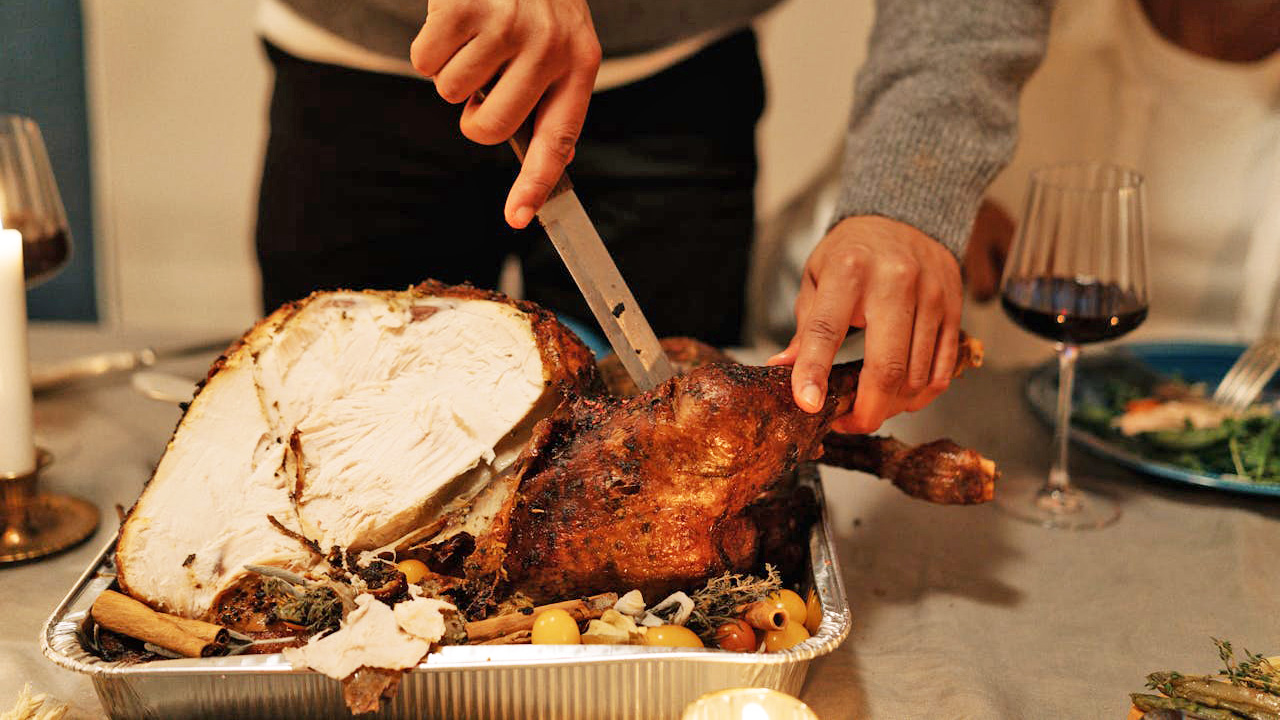
If you’re cooking for a crowd, disposable roasting pans and foil can save your sanity. Use them for things like turkey, ham, or big casseroles, especially if you only own one or two large dishes.
Line sturdy baking sheets with foil and set pans on top if you’re worried about flimsiness. When the meal is over, you can toss them instead of scrubbing baked-on bits while you’re exhausted. Use your nice dishes for serving if you want, but let the oven work happen in stuff you don’t mind throwing away.
Set the table the night before—completely
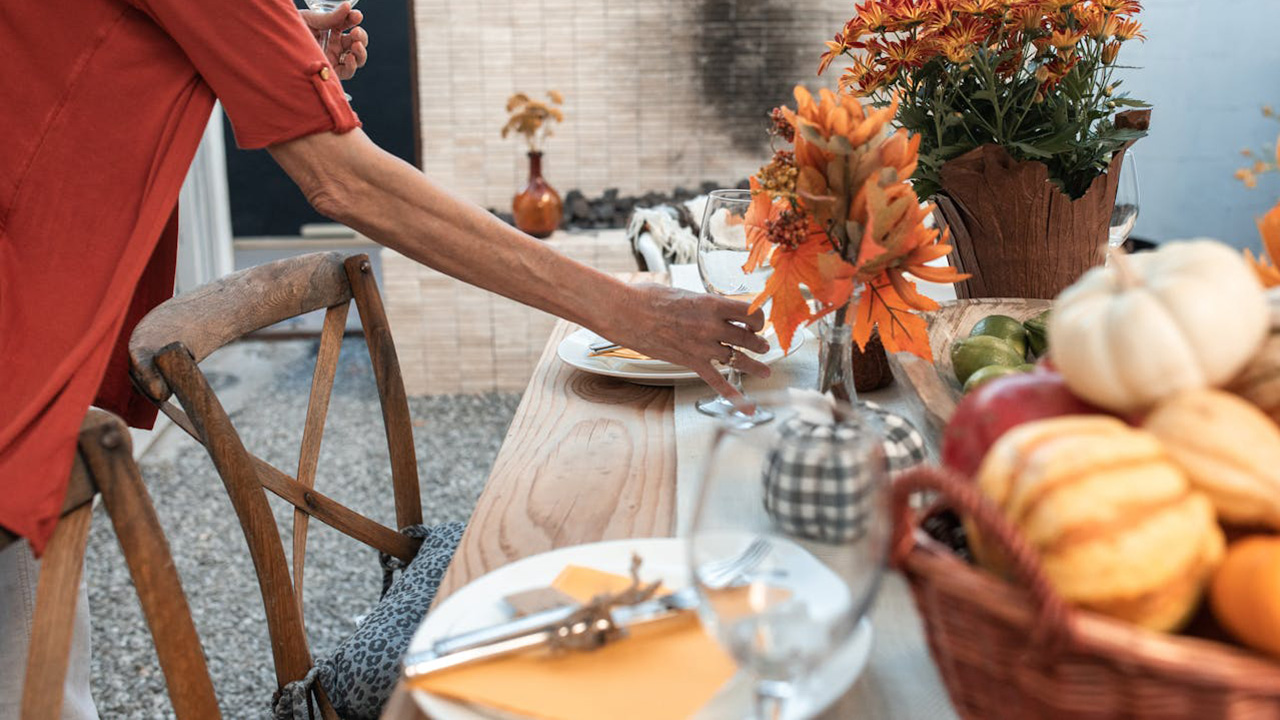
It sounds small, but waking up to a table that’s already set changes the whole tone of the day. Get plates, napkins, utensils, serving spoons, trivets, cups, and pitchers out the night before.
If you don’t have a formal dining room, set everything on a side table or counter in groupings so you can lay it out quickly. That way you’re not scrambling to find serving spoons and matching forks while the turkey is resting and people are hovering.
Plan for where dirty dishes will go
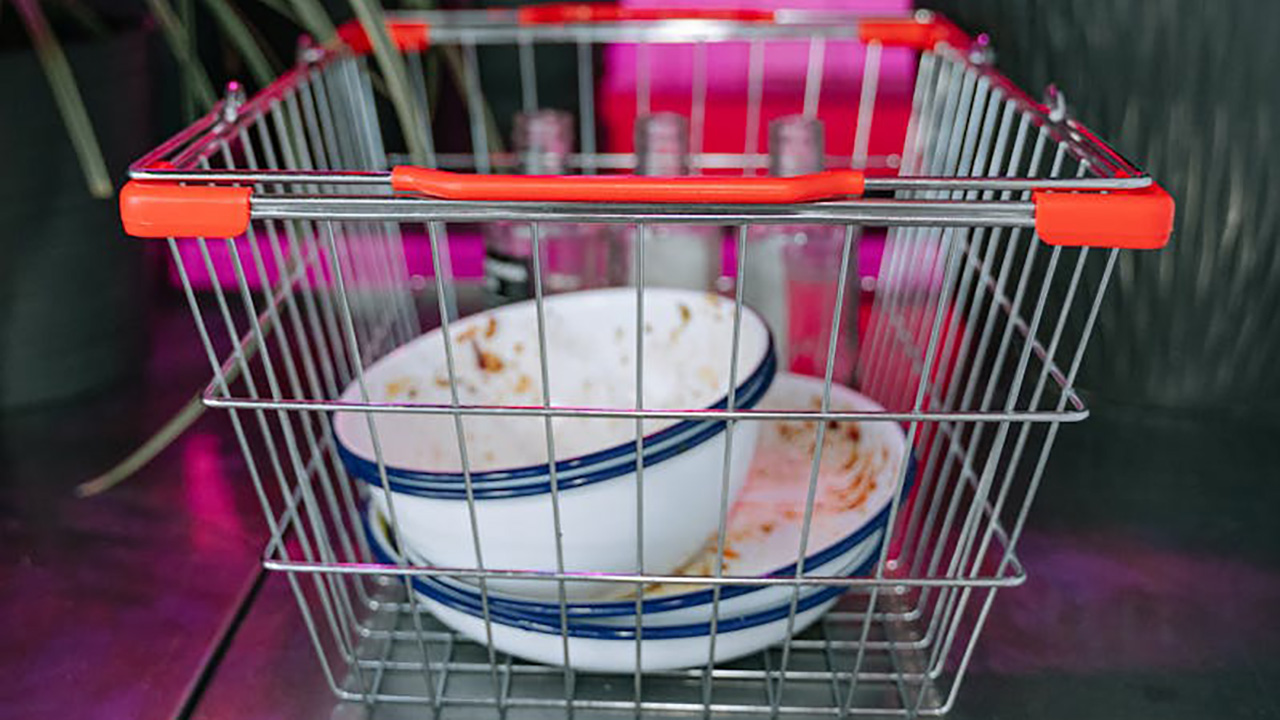
Dishes multiply fast. Instead of letting them pile up in every corner, decide ahead of time where they’ll land. Clear one side of the sink for dirty dishes only and keep a trash bag or can nearby for food scraps and disposables.
If you have a dishwasher, run it empty early in the day so it’s ready to be loaded after the first wave. Ask one person to run point on rinsing and loading as things slow down. You don’t have to be caught up completely, but a small bit of order helps you breathe.
Make a short timeline and tape it somewhere you can see
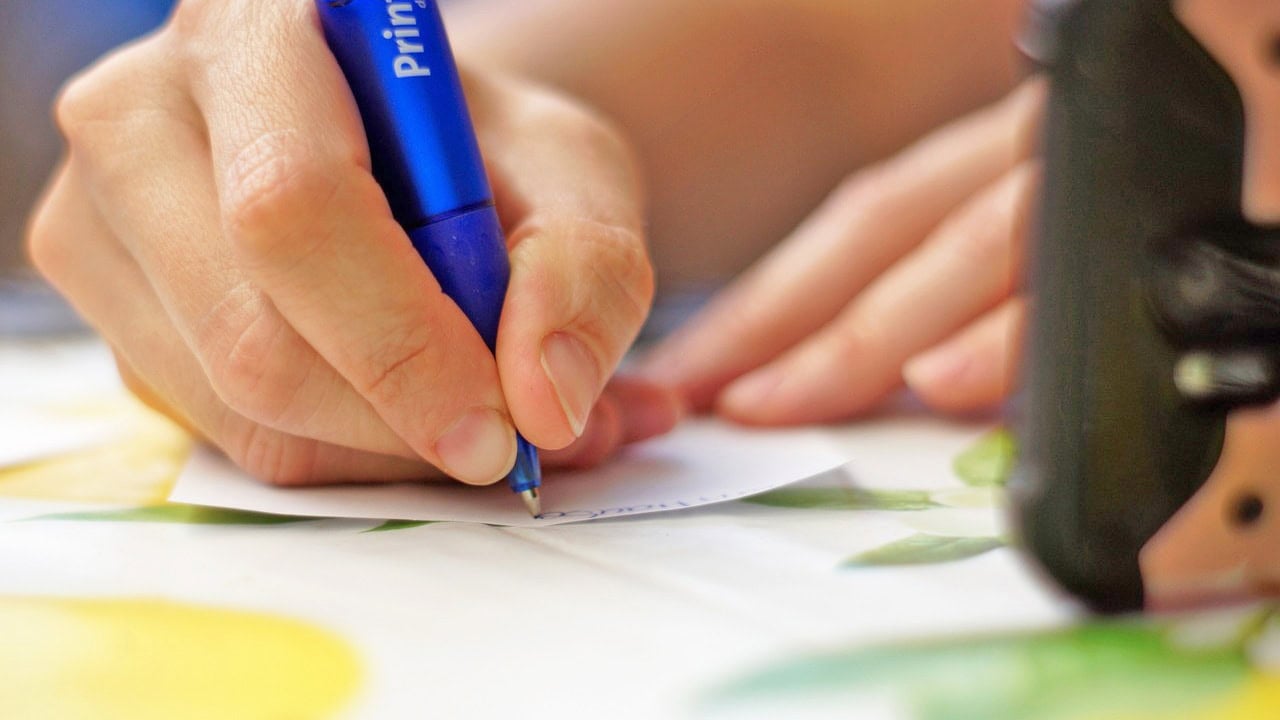
You don’t need a minute-by-minute plan, but a loose timeline keeps you from constantly second-guessing yourself. Write down when the turkey needs to go in, when you’ll peel potatoes, what time casseroles go into the oven, and your goal time for eating.
Tape it to a cabinet where you can see it easily. When someone asks, “What can I do?” hand them a job off the list. When you feel scattered, glance at the timeline instead of redoing all the math in your head.
Lower the bar on what “hosting” has to look like
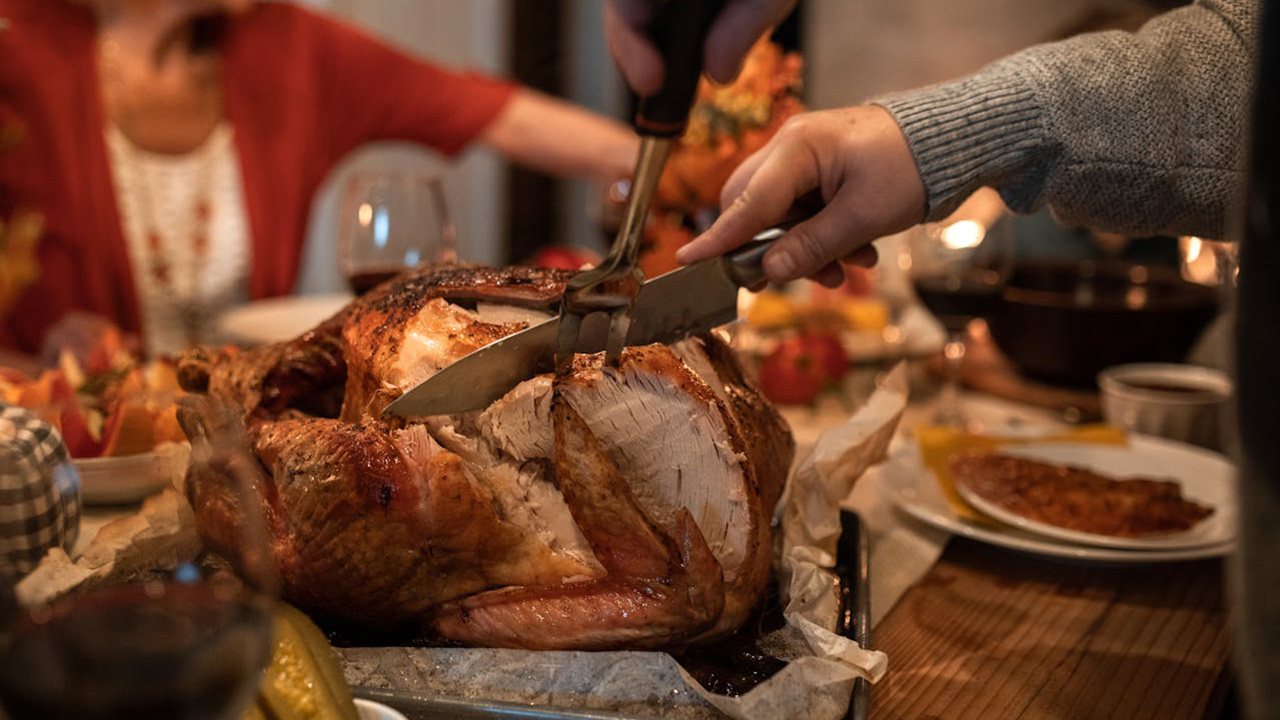
Some of the stress comes from comparing your house and your meal to pictures online or someone else’s setup. The truth is, people mostly remember how they felt—welcomed, fed, and relaxed—not whether your dishes matched or your pie crust was homemade.
Give yourself permission to use paper plates, store-bought desserts, or mismatched chairs. Focus on warm food, a place to sit, and a calm host. That combination beats a perfect table with a frazzled cook every single time.
Like Fix It Homestead’s content? Be sure to follow us.