Eight steps to overwinter lavender so it comes back stronger
Photo credit: On the Move/Shutterstock.com
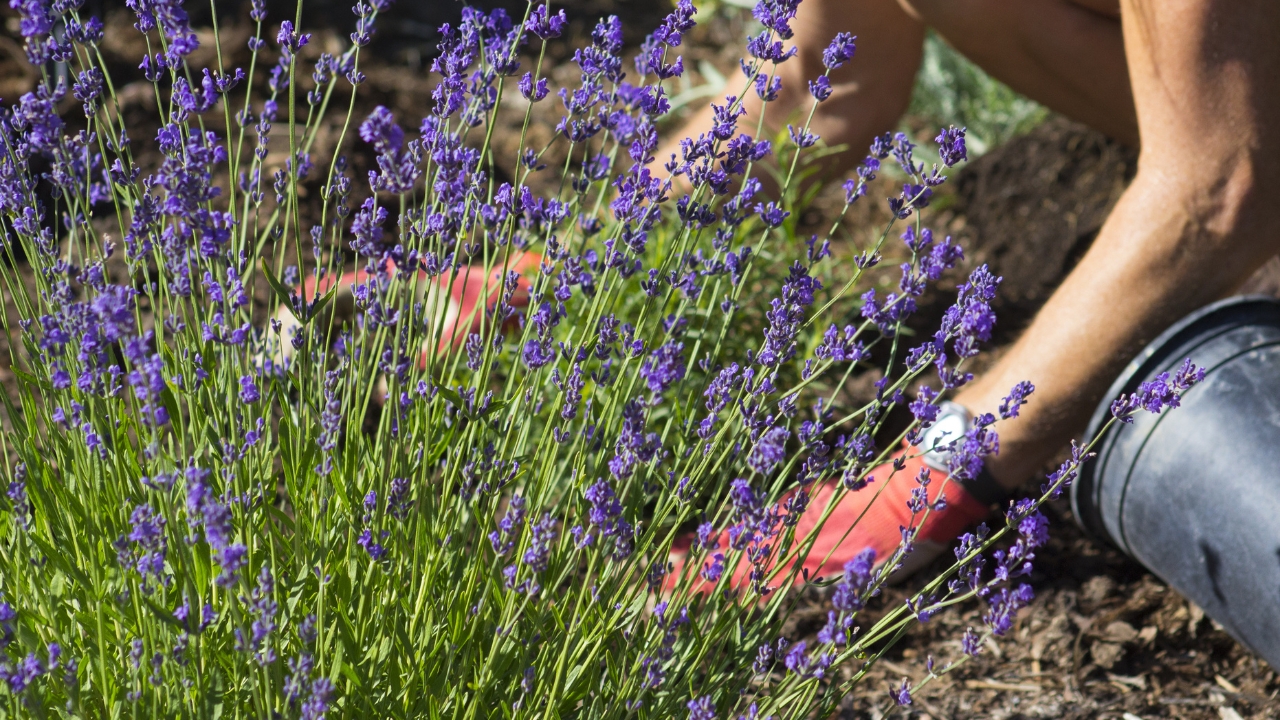
Lavender feels fragile, but it’s tougher than it looks if you give it the right conditions going into winter. The goal isn’t to keep it perfectly green all season—it’s to help the roots ride out cold, wet, and wind so it wakes up stronger in spring. Here’s a simple, realistic plan you can follow without babying it every day.
Know what kind of lavender you have
Not all lavender handles cold the same. English types (like ‘Hidcote’ and ‘Munstead’) are usually hardier and can overwinter outdoors in more zones. French and Spanish types hate freezing wet soil and often do better in pots you can protect.
If you’re not sure what you have, treat it like it’s a little more tender than you think. That means better drainage, protection from winter wind, and extra care in a container. It’s easier to over-protect than to replace a dead shrub.
Make sure the drainage is on your side
Cold plus soggy soil is what really kills lavender. A few weeks before your first hard freeze, check how water moves around the plant. If it’s sitting in a low spot that stays wet, you may want to gently mound soil or add grit around the base so it drains faster.
In pots, make sure the container has a true drainage hole and isn’t sitting in a saucer full of water. If the soil is heavy and holds moisture, mixing in some coarse sand or small gravel before next season will help a lot.
Give it a light shape-up, not a full haircut
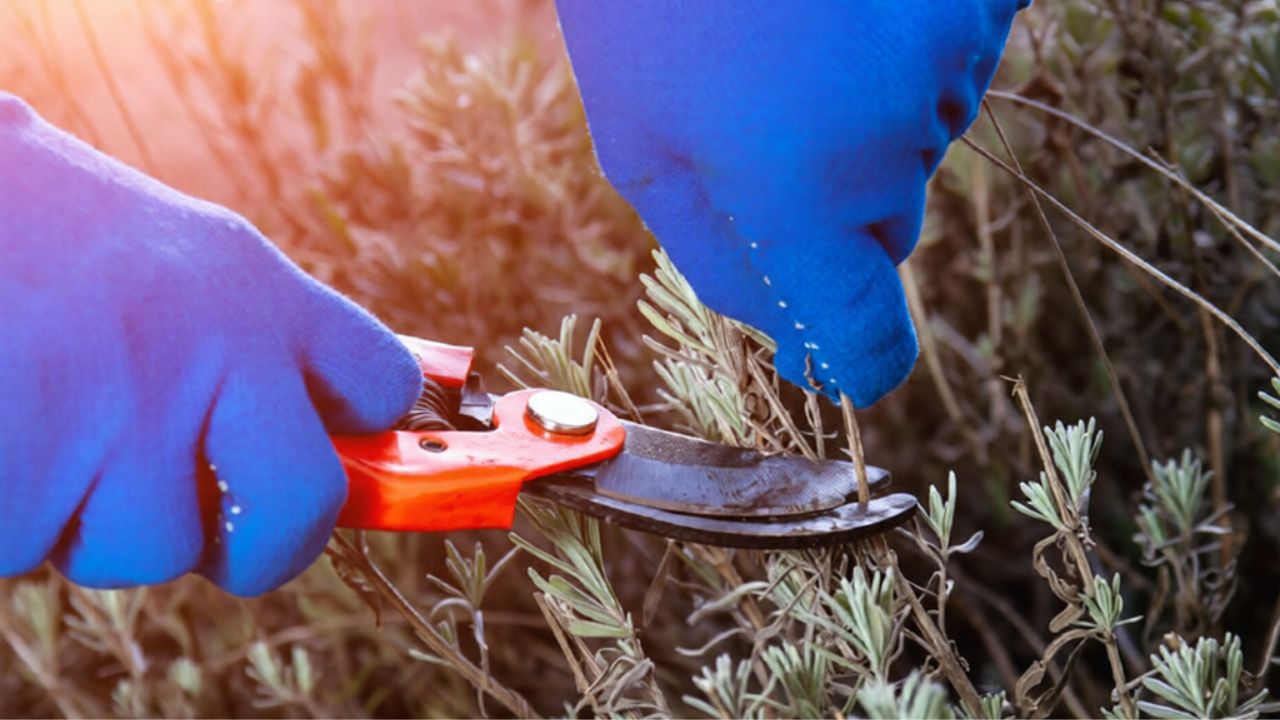
Lavender doesn’t like being cut back hard going into winter. Instead of whacking it down, trim lightly to tidy the shape—snip off spent flower stems and any long, straggly pieces so it’s less likely to snap in wind or under snow.
Avoid cutting into the old, woody base this time of year. Save bigger pruning for spring once you see new growth. Going too short before winter can stress the plant when it needs that top growth to protect itself.
Add mulch carefully—around, not on the crown
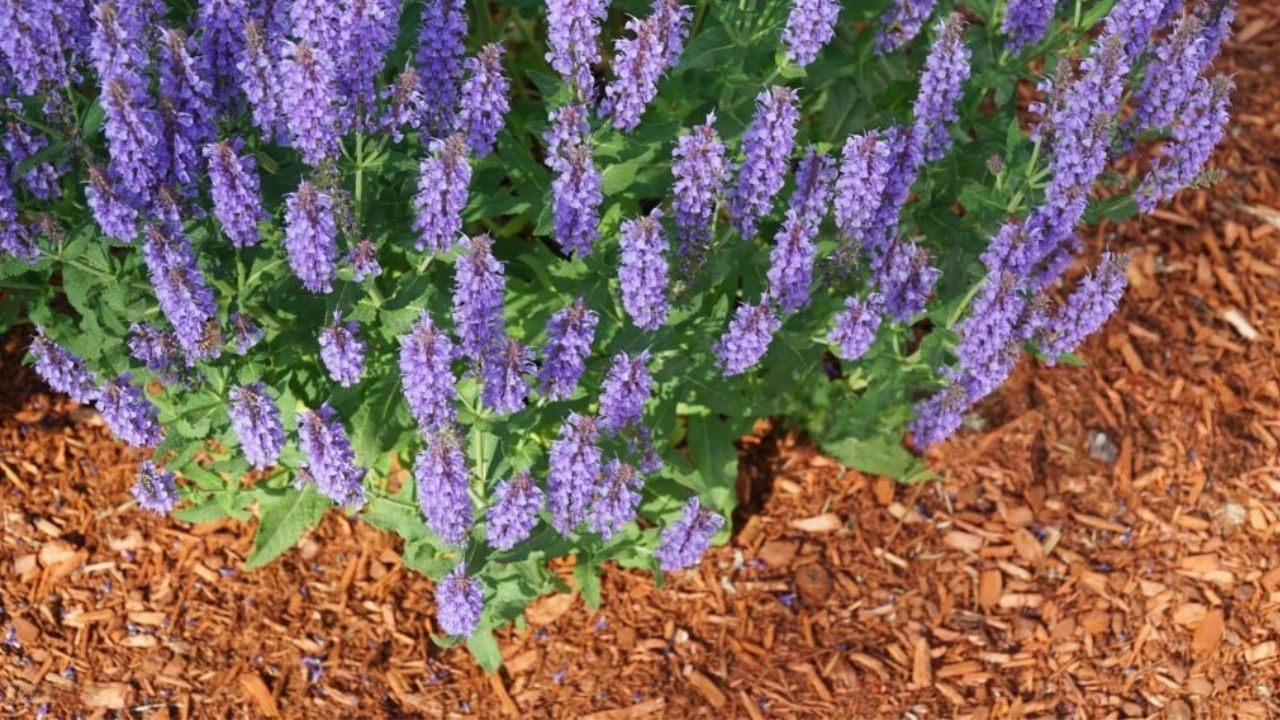
Mulch is helpful, but you don’t want to smother lavender. After the ground cools (not while it’s still warm and damp), layer a couple of inches of straw, small bark, or shredded leaves around the base, leaving a bare ring right around the plant’s crown.
That mulch helps regulate soil temperature and keeps freeze–thaw cycles from heaving the roots out of the ground. Just don’t pile it up against the stems, or you invite rot instead of protection.
Protect from winter wind, especially in open yards
Winter wind can dry lavender out and snap branches, especially in exposed spots. If your plants live in an open bed, consider a simple windbreak—like a piece of burlap attached to stakes on the windward side.
You’re not building a full wall, just slowing down the gusts. In more protected yards or near a fence, you can often skip this step. But if you’ve ever watched snow drift hard into a certain corner, that’s where lavender appreciates a little extra help.
Bring tender potted lavender into a cold-but-not-freezing spot
Lavender in pots feels the cold more than lavender in the ground. If you’re in a harsher climate or your variety isn’t hardy to your zone, move containers to an unheated garage, enclosed porch, or bright basement where temps stay above freezing but still cool.
Water sparingly—just enough to keep the soil from going bone dry. You’re not trying to keep it actively growing; you’re helping it nap through winter without the roots freezing solid. Too much water in cold, low light is a fast way to lose it.
Avoid winter fertilizing and heavy watering
Once lavender is headed into dormancy, it does not want a big flush of new growth. Skip fertilizer in the fall and winter. New, soft stems are more vulnerable to cold and can weaken the plant overall.
Water only when the soil is dry a couple of inches down. In-ground plants often need very little once the top growth dies back and the weather turns cold. Overwatering in winter is one of the easiest ways to rot the roots.
Be patient in spring before declaring it dead
Lavender can be slow to wake up, especially after a rough winter. Don’t rip it out at the first sign of brown stems. Wait until other perennials are leafing out and look closely for new green at the base or along the branches.
Once you see where the new growth is, you can trim off truly dead wood and shape the plant. If it overwintered well, you’ll often get a fuller, bushier plant and better blooms than you had the year before.
Like Fix It Homestead’s content? Be sure to follow us.