If your neighbor’s tree falls in your yard: who pays and what to do first
Photo credit: Photovs/istock.com
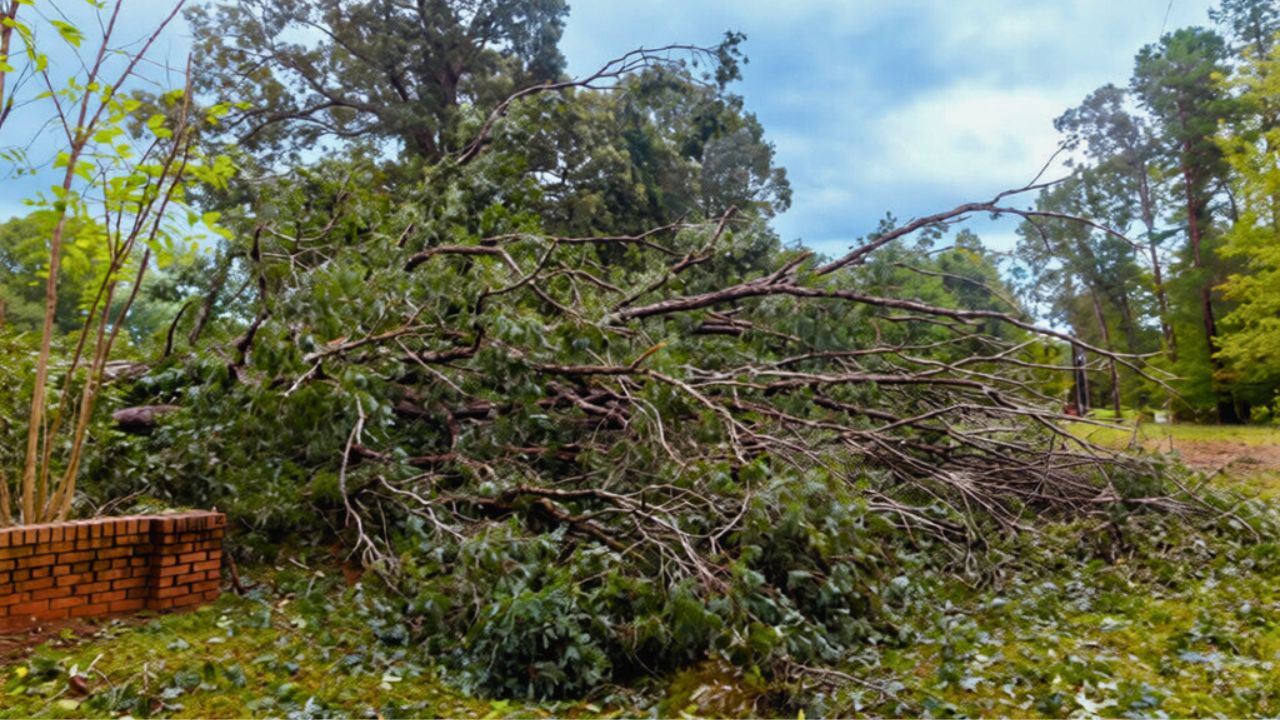
Waking up to find your neighbor’s tree lying across your fence—or worse, on your roof—is one of those “this feels like a nightmare” moments. Between the mess, the cost, and wanting to keep peace with your neighbor, it’s hard to know what to do first.
Here’s a practical, non-panicky way to handle it, plus a general idea of who usually pays what. (This is not legal advice—laws and insurance rules vary, so always double-check your own situation.)
Step one: Make sure everyone is safe and secure the area
Before you worry about money, make sure no one’s hurt. If the tree hit a house, car, or power line, stay clear of anything that might be live or unstable. Call emergency services or your utility company if there are downed lines or serious structural damage.
Keep kids and pets away from the area. Even if the tree looks still, branches can shift or roll, especially in wet or windy conditions.
Step two: Take photos and videos from multiple angles
Before anyone starts cutting or moving anything, document the damage. Take clear photos and videos of:
- Where the tree originated (your neighbor’s yard)
- Where it landed (your yard, fence, roof, shed, etc.)
- Any visible damage to structures, fences, or vehicles
- The condition of the tree (was it obviously dead or diseased?)
This documentation will matter for insurance and, in some cases, for sorting out whether the tree was a known risk or a true surprise.
Step three: Call your homeowner’s insurance
In many cases, your own homeowner’s insurance is the first place to start, even if the tree belonged to your neighbor. Insurance companies are used to this exact situation and can walk you through what’s covered—usually damage to structures like your house, fence, or shed.
They may also cover some or all of the tree removal cost, especially for the portion that’s on your property, depending on your policy and deductible. Ask specific questions about what they need from you and whether they want to send an adjuster before any work is done.
Step four: Talk to your neighbor calmly and share information

Once you’ve called your insurance, loop in your neighbor. Keep the conversation as calm and factual as you can:
- Let them know when it happened and what you’ve already done.
- Share photos if it helps.
- Ask if they’ve contacted their own insurance, especially if parts of the tree are still on their property or damaged their own structures too.
In many “act of nature” situations—like a healthy tree blown over in a storm—each homeowner’s insurance covers their own property. That means your neighbor may not actually write a check to you personally, even though it was their tree.
When the neighbor might be responsible
Where things shift is if the tree was clearly dead, diseased, or dangerous, and your neighbor knew about it and did nothing. If you’ve previously notified them in writing or there’s a record that the tree was a known hazard, their insurance may bear more responsibility.
That’s where documentation—old photos, texts, or letters—can matter. Your insurance company can help you understand whether there’s a case for negligence or if this will be treated as a straightforward storm loss.
Step five: Get quotes from reputable tree services
Even if insurance is involved, you’ll likely need quotes from licensed tree services. Look for companies with insurance and good reviews, not the first truck that shows up knocking after a storm.
Ask for a written estimate that separates tree removal from repairs to structures (like fences). Share these with your insurer so you have clarity on what they’ll cover before work starts, if possible.
Step six: Prioritize what has to be done immediately
Sometimes you can’t wait for every approval before acting—like if a tree is resting on your roof or blocking safe access. In those cases, ask the tree service for an emergency “make safe” option: removing what’s dangerous now and coming back later for full cleanup.
Keep all receipts and don’t toss any paperwork. Even if you pay up front, your insurance may reimburse some or all of it later, depending on your coverage and deductible.
Step seven: Repair fences and structures in a way that prevents future issues
When it’s time to repair, consider whether you want to simply replace what was there or upgrade slightly. For example, if a section of fence was already rotting, you may decide to repair more than the bare minimum while everything’s already torn up.
Keep records of what portions were directly related to the tree damage vs. anything you chose to improve beyond that; your insurance will usually only cover the damaged part.
Step eight: Decide how to handle trees that are now “suspicious”
After a big fall, you might look around and suddenly worry about every other tree on or near your property—yours and your neighbors’. It’s not a bad idea to have an arborist look at any large trees leaning toward homes, sheds, or power lines.
If your neighbor has another tree that concerns you, bring it up respectfully and sooner rather than later. Document the conversation in writing if you can do it kindly (a follow-up text is fine). It’s much easier to have those talks before the next storm than after.
The bottom line: in many cases, your own insurance is the main player, even when it’s your neighbor’s tree. But handling it calmly, documenting everything, and looping in the right people early makes a stressful situation a lot more manageable—for you and the neighbor you’ll still be living next to when the mess is gone.
Like Fix It Homestead’s content? Be sure to follow us.