10 Things People Always Notice First About Your Christmas Decorations
Photo credit: cottonbro studio/Pexels.com
You might think people notice the one ribbon you fought with for twenty minutes, but most guests are clocking bigger-picture things: how it feels when they walk in, what they smell, and whether there’s somewhere to put their stuff. You don’t have to decorate every inch of the house—just give a little extra attention to the spots everybody actually sees.
Here’s what people pick up on right away, even if they never say it out loud.
The front door and entry
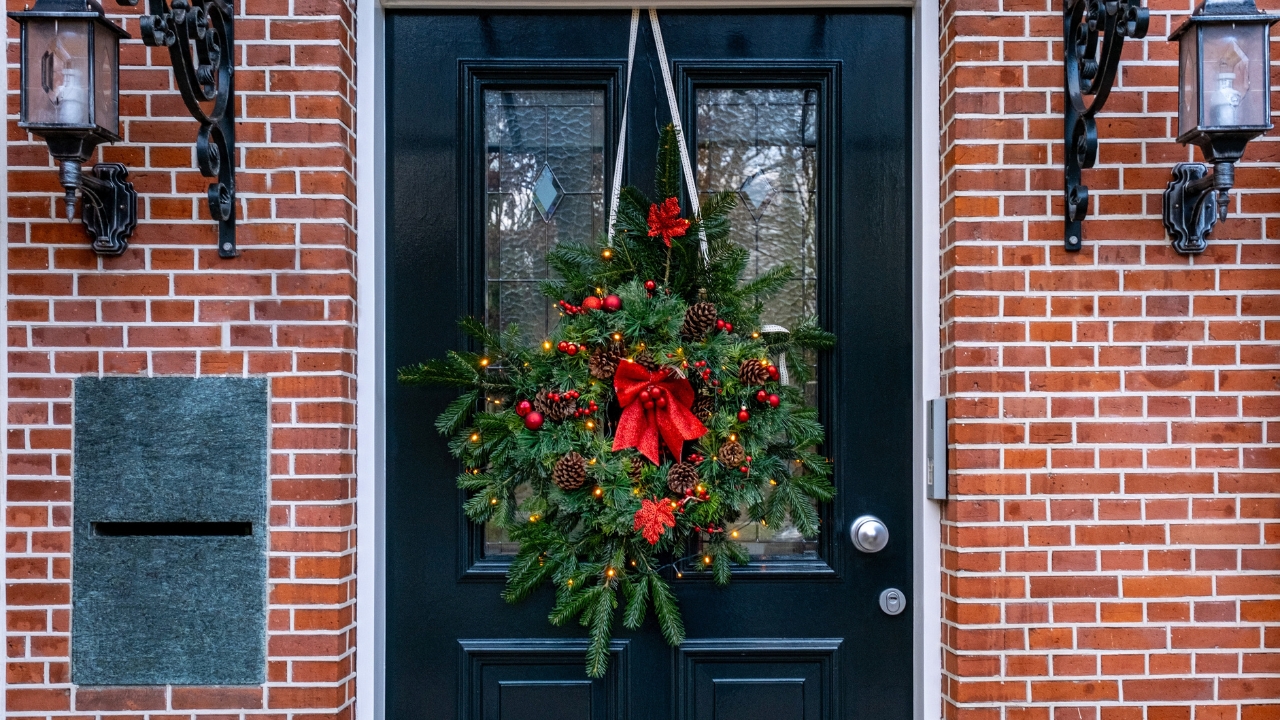
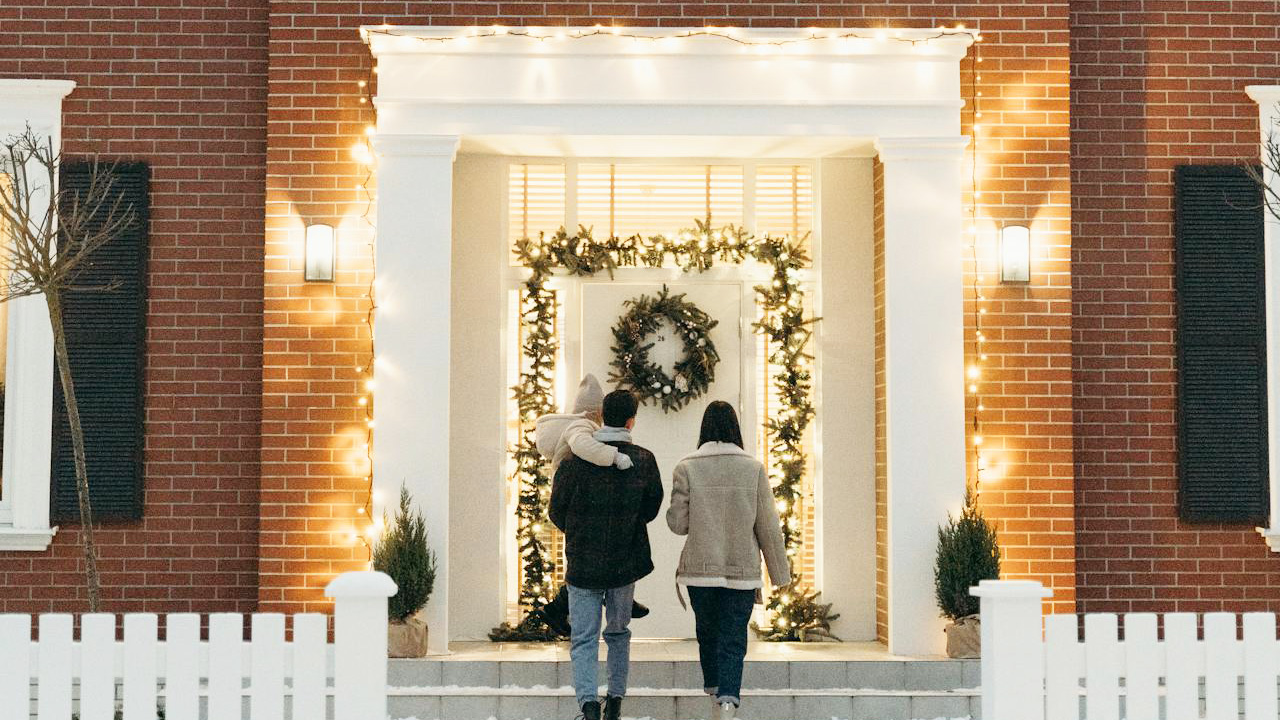
The very first impression is your front door and whatever guests see the second they step in. A simple wreath, a clean doormat, and a cleared-off entry table or bench do more than a back-of-the-house display nobody sees.
You don’t need a huge setup. If shoes, bags, and mail aren’t overflowing and there’s one or two holiday touches—like a wreath and a small bowl with bells or greenery—people instantly read it as “pulled together” before they’ve even taken their coat off.
The tree and what’s around it
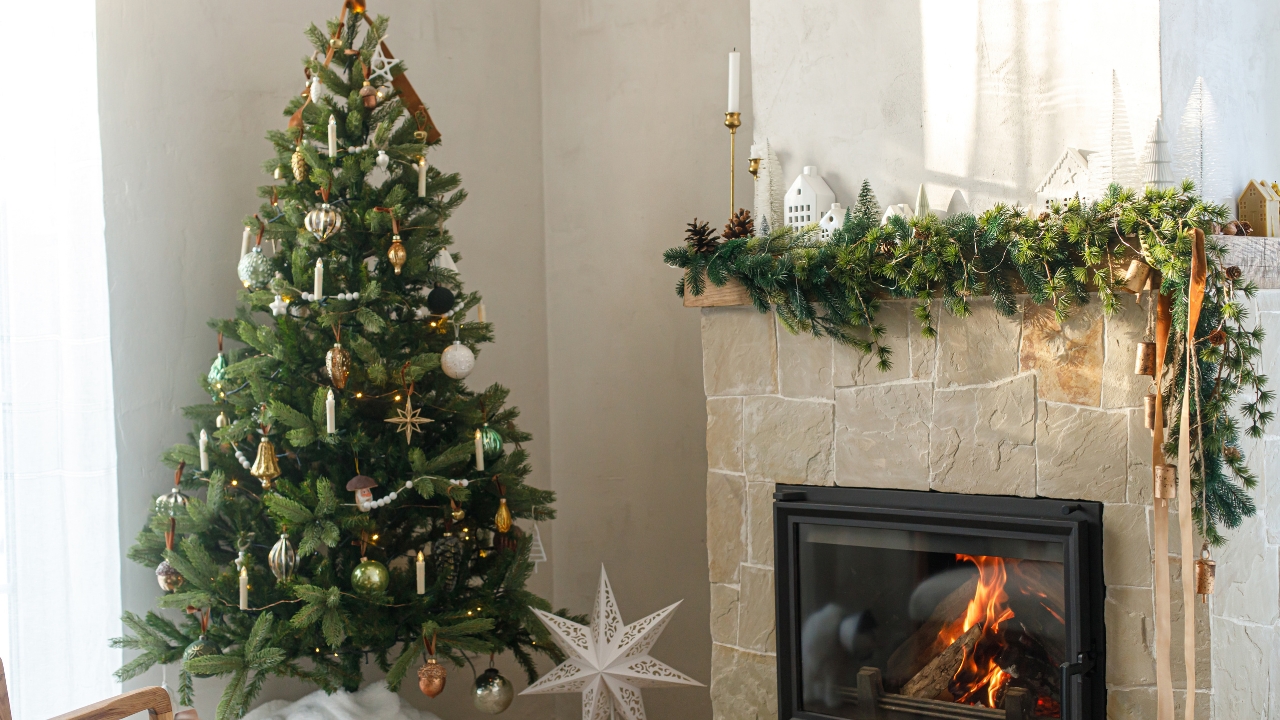
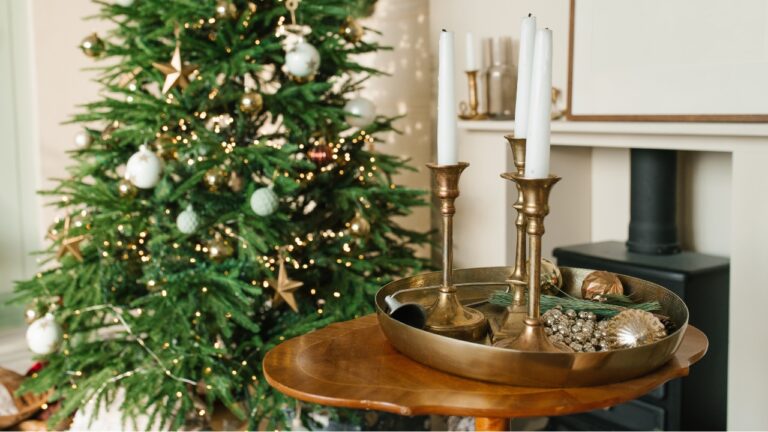
People look at your tree, sure, but they also notice the area around it. Is there a skirt or basket at the base? Are there cords everywhere? Are there random boxes shoved behind it?
You don’t need a designer tree. Just give the base something to sit in or on, tuck cords out of sight, and make sure there’s not a pile of laundry in the corner of every picture. A couple of wrapped boxes (real gifts or empties) can help it look intentional instead of plopped in a random spot.
The lighting at night

When people come over in the evening, the lighting hits them first. Bright overhead lights can make even pretty decorations feel harsh. Softer lamps, candles, and tree lights make everything feel more relaxed and comfortable.
If you flip off one or two main lights and let the smaller lights work harder, suddenly the whole house feels warmer. Guests don’t necessarily think, “Oh, nice lighting.” They just feel like they want to stay a little longer.
How the house smells

Smell sets the tone. It doesn’t have to be cookies in the oven every time, but people notice if it smells like food, cleaning products, pets, or nothing at all. Strong plug-ins can be just as distracting as last night’s onions.
A simmer pot, a candle you actually like, or even running a quick bake of something simple goes a long way. The goal is a light, clean, homey smell—not something that knocks people over when they walk in.
The kitchen counters
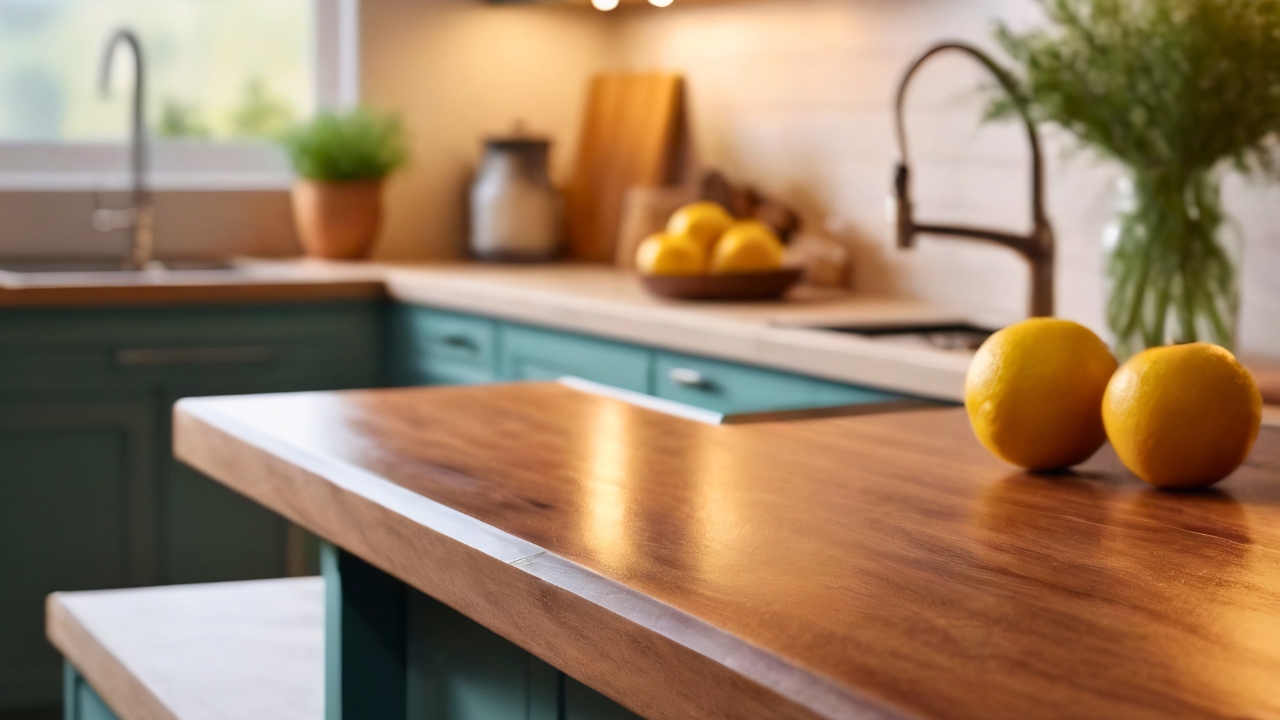
In December, everyone ends up in the kitchen. People notice whether there’s space to set a dish, a drink, or a stack of plates. A few pretty things are fine, but overcrowded counters make it feel like there’s nowhere to work or stand.
If you’re hosting, clear one section as a landing zone for food and drinks. Move mail, appliances you don’t use daily, and random clutter out of that area. A clean stretch of counter with one or two holiday touches feels more inviting than a fully decorated but unusable kitchen.
The state of the bathroom
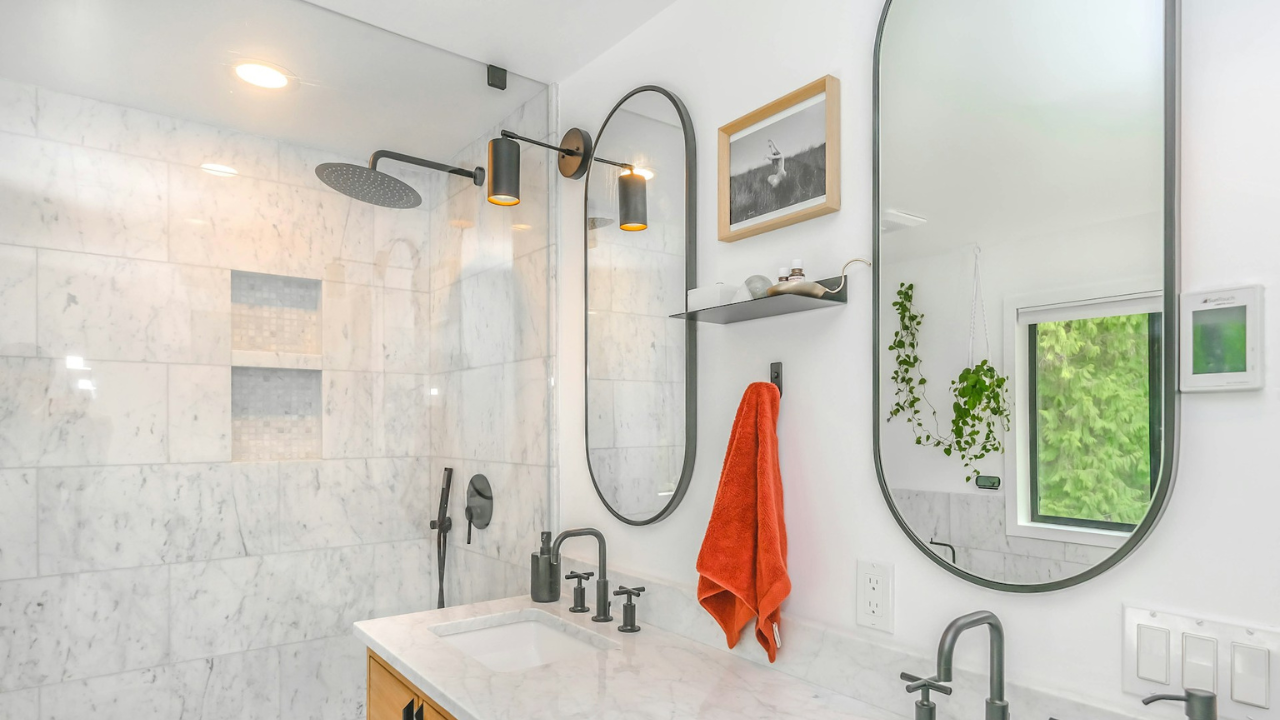
Nobody comes over to inspect your bathroom decor, but they absolutely notice if it feels cared for. A wiped-down counter, a clean hand towel, extra toilet paper where people can find it, and maybe one small holiday touch (like a candle or tiny wreath) make a big difference.
You don’t need a themed shower curtain or a whole new set of towels. Just make sure it looks and smells fresh, and give guests a clear way to dry their hands. That’s what sticks with people more than anything else in that room.
The path through your living spaces
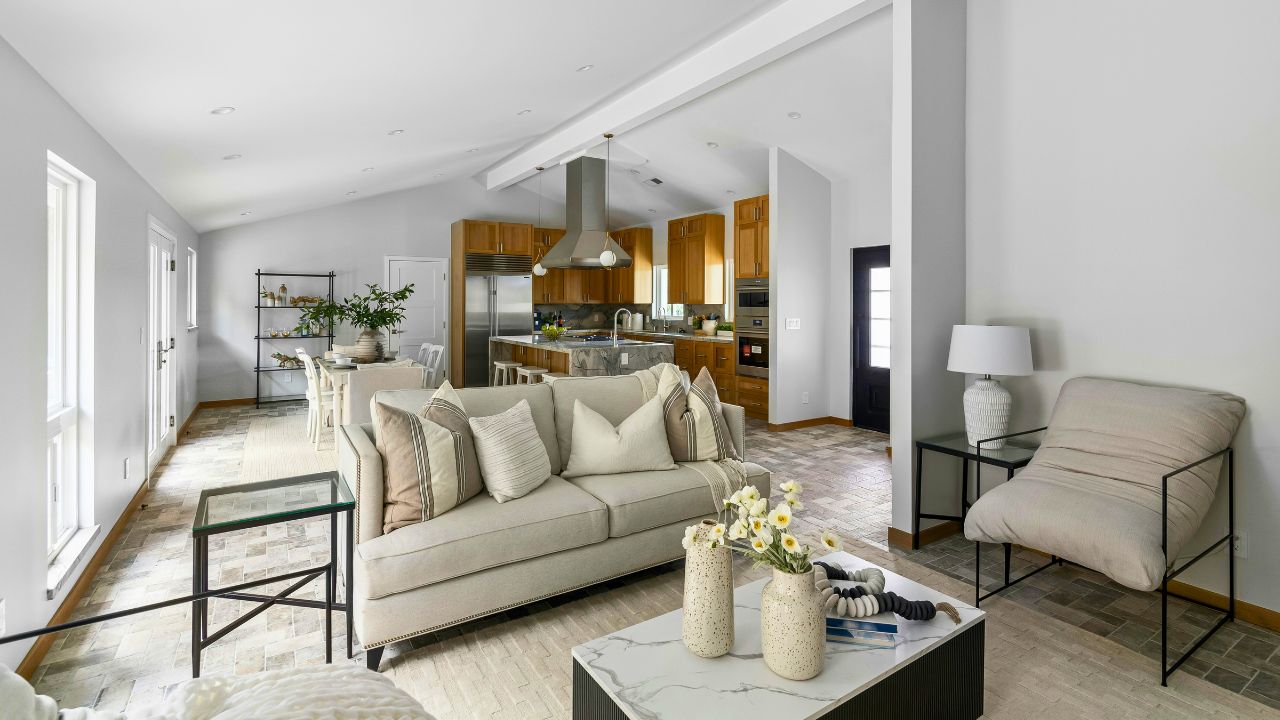
Guests notice how easy it is to walk around more than they notice every individual decoration. If they’re stepping over extension cords, squeezing around furniture, or dodging piles on the floor, the house feels more chaotic than cozy.
Before people come over, think about the route from the door to the living room, kitchen, and bathroom. Slide furniture a bit if you need to, move anything they’d trip on, and keep big decorations out of walkways. It feels calmer right away.
The dining or serving area
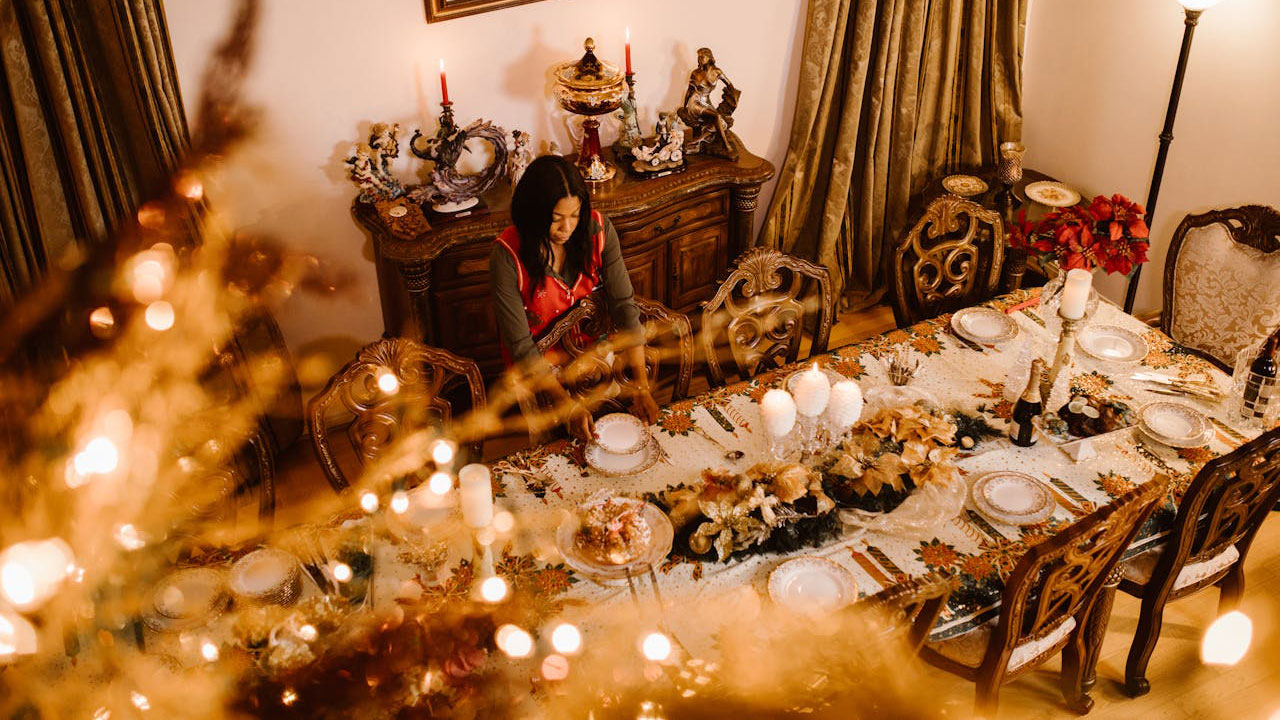
Even if you’re not hosting a formal meal, guests notice where food and drinks live. A simple runner, a few candles, and a bowl of something easy to grab (nuts, clementines, or cookies) make a table feel ready.
It doesn’t have to be picture-perfect. It’s more about having a clear surface and a few pieces that show you planned for people to gather there. A cluttered table that still has mail, backpacks, and shopping bags piled on it signals, “We aren’t quite ready,” even if the rest of the house looks nice.
The little piles of clutter
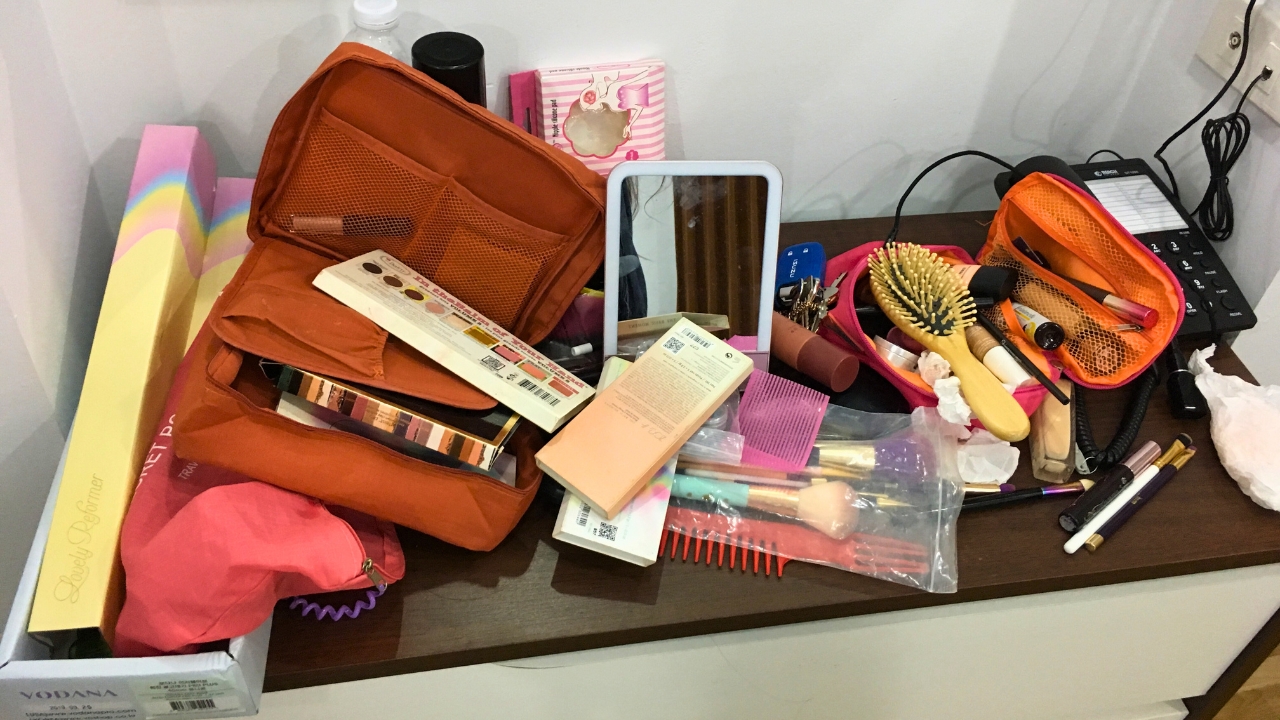
Most people don’t care if your house looks lived in. But they do notice certain catch-all spots: the corner of the counter, the end of the dining table, the chair where everything gets dropped. Those piles stick out more once the rest of the house is decorated.
You don’t have to conquer clutter forever—just scoop the worst of it into a basket or bin and move it to a bedroom or closet for the night. Getting those hot spots under control makes your decorations stand out instead of competing with random stacks of stuff.
How “finished” the main rooms feel
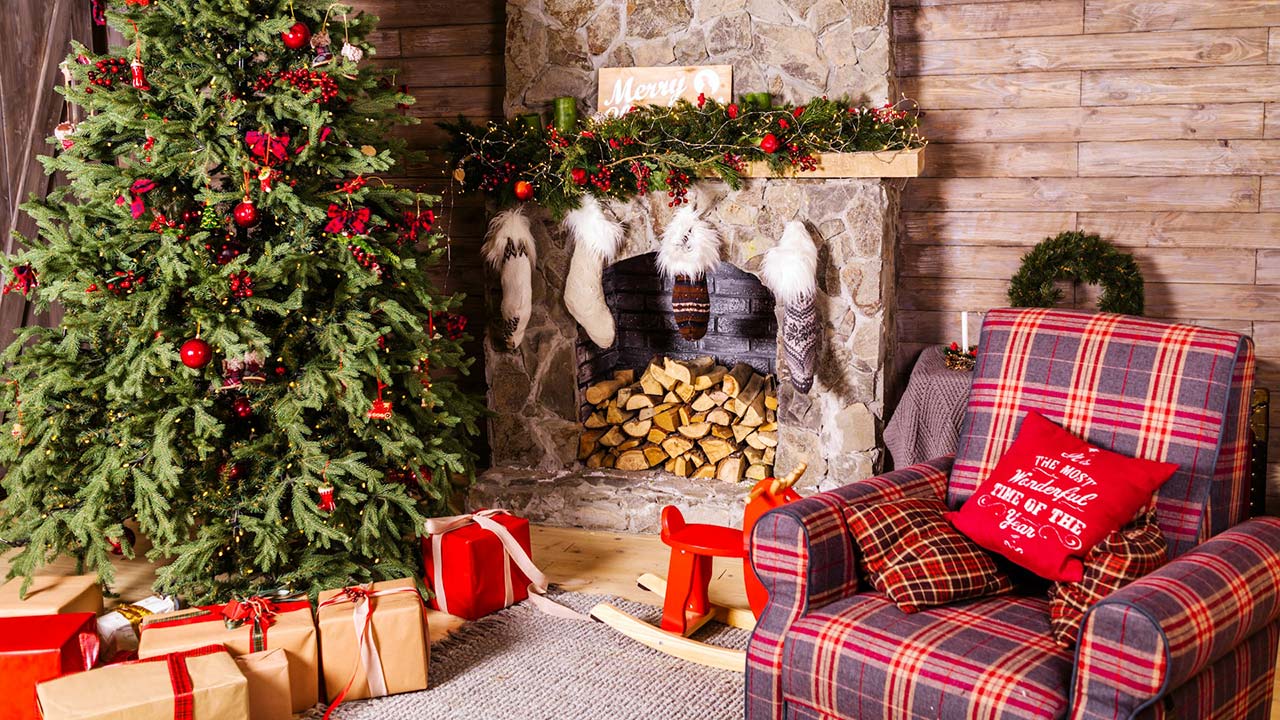
“Finished” doesn’t mean perfect. It means there aren’t half-done projects sitting out, burned-out lights on the tree, or decorations that clearly stopped halfway. People notice if one room got all the attention and the others look forgotten.
You’re better off doing a little bit in each main area—entry, living room, kitchen—than going all in on one corner and ignoring the rest. A wreath, a candle, and a small touch on a side table can make a room feel included, even if you never went beyond that.
Like Fix It Homestead’s content? Be sure to follow us.