
7 Things Guests Always Notice in Your Kitchen Over the Holidays
Photo credit: Nicole Michalou/Pexels.com
Guests might not say anything, but they absolutely notice what’s going on in the kitchen—especially at Christmas, when half the day revolves around food. They’re not judging your backsplash or cabinet color. They’re noticing how it feels to stand in there, help out, and grab what they need without feeling in the way.
Here are the kitchen details that stand out the most.
The state of the sink and counters
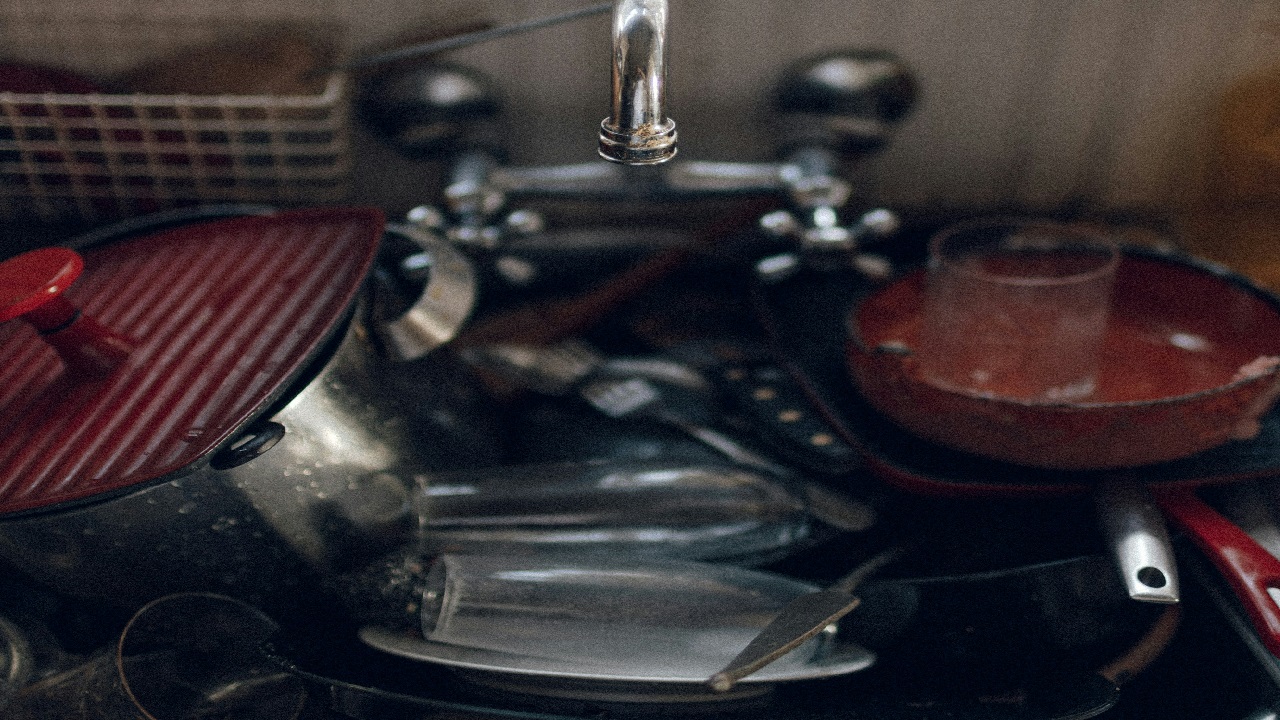
Nobody expects a spotless kitchen during a big meal, but the overall feel of the sink and counters sets the tone. A sink buried in old dishes from three days ago hits different than a sink with today’s prep happening in real time.
Before guests arrive, run the dishwasher, clear old dishes, and wipe down the counters once. That way, the only mess is what you’re actively working on. People are much more comfortable jumping in to help if they can see what’s current and what’s not.
Where the trash and recycling live
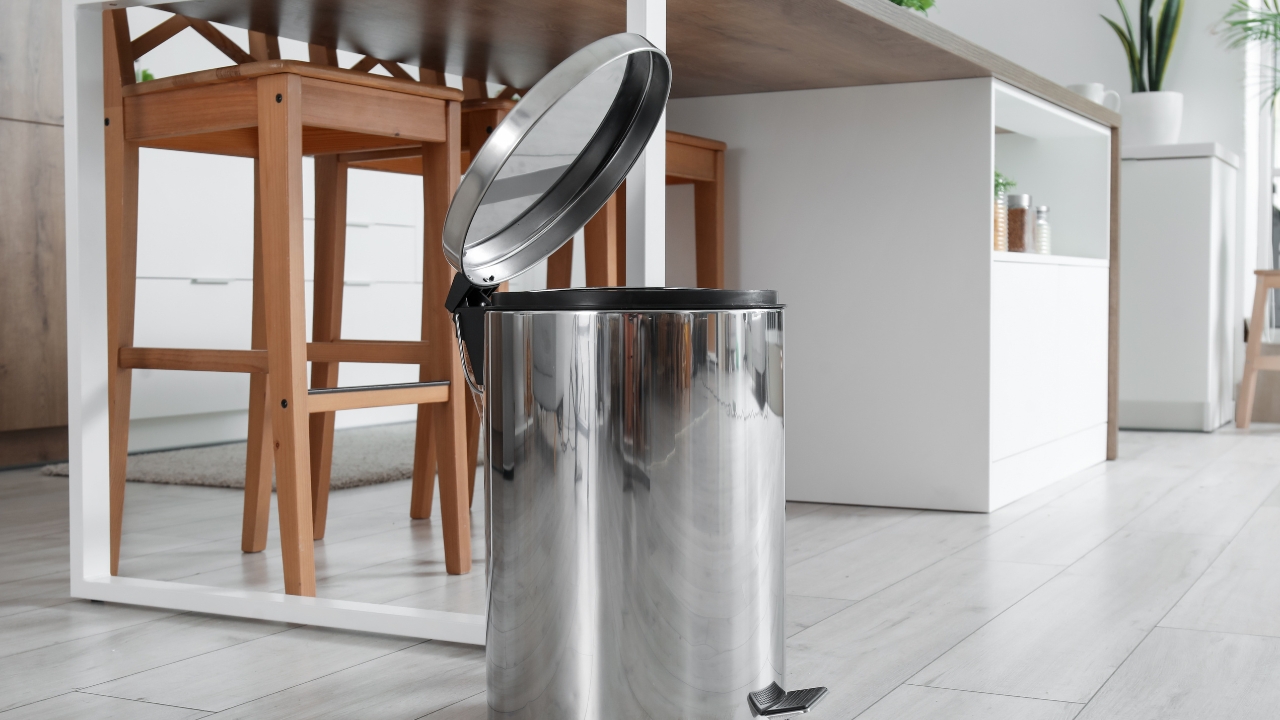
If guests can’t find the trash, they’ll either ask you every time or start leaving things on counters and tables. Both make the kitchen feel more chaotic. Put a clearly lined trash can where people can see it and, if you recycle, make that obvious too.
You can even say it out loud when people arrive: “Trash is here, recycling is here.” It sounds small, but it takes a surprising amount of load off you as the day goes on.
How easy it is to wash and dry hands
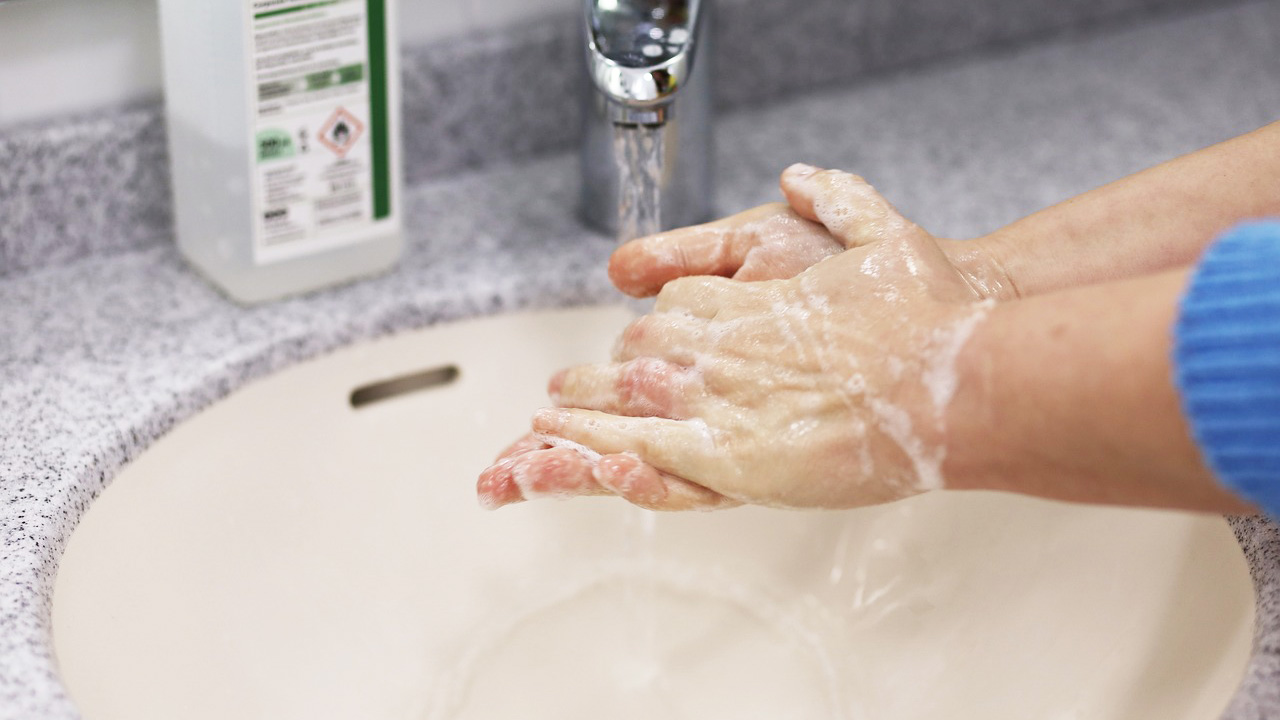
During holidays, guests are constantly washing their hands—before helping, after handling food, after kids. They notice if there’s decent soap, a towel that actually dries, and a spot to stand that isn’t blocking the entire kitchen.
Clear the area around the sink so someone can wash up without bumping into everything. A fresh hand towel and a simple pump of soap make the whole space feel cleaner instantly.
Where you’ve set up drinks
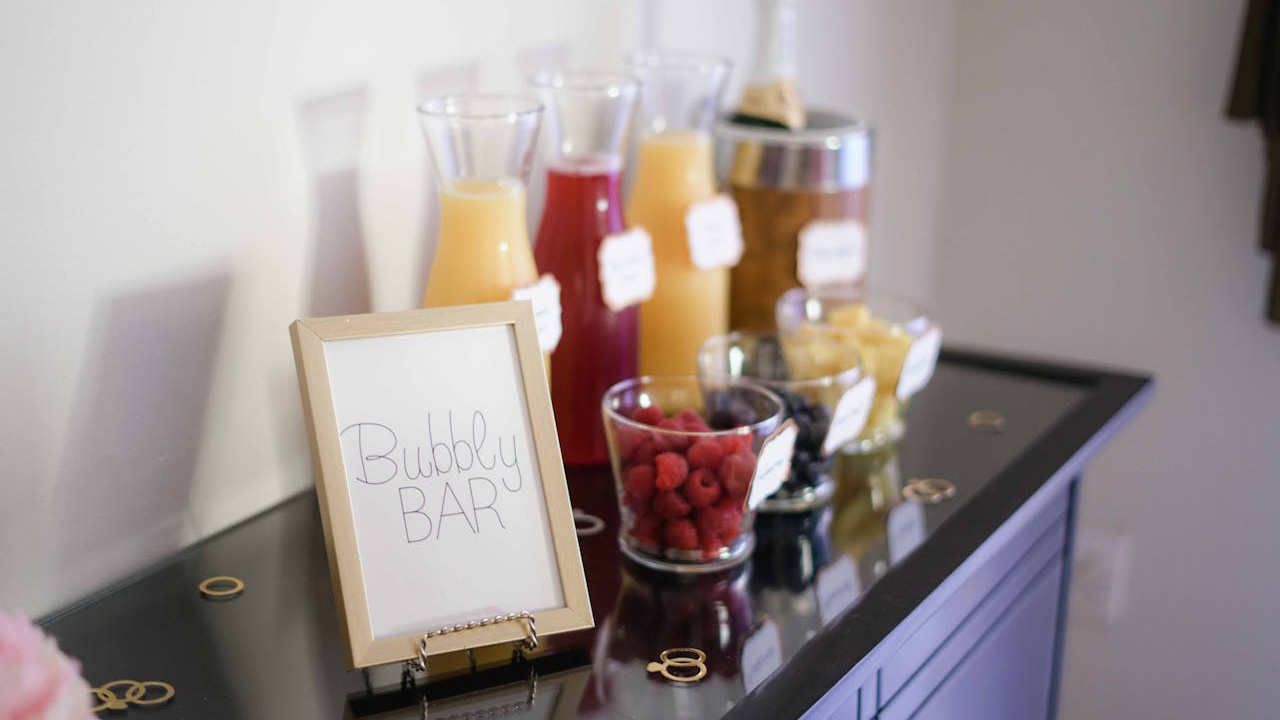
If drinks are in the middle of where you’re cooking, guests feel like they’re in your way every time they refill. People notice quickly whether they can grab a drink without squeezing behind you and dodging hot pans.
Set drinks up on a side counter, kitchen cart, or even a small table nearby. Cups, napkins, and ice all live there. It turns that spot into its own “station” and keeps traffic away from your main work zone.
The little signs of prep (or lack of it)
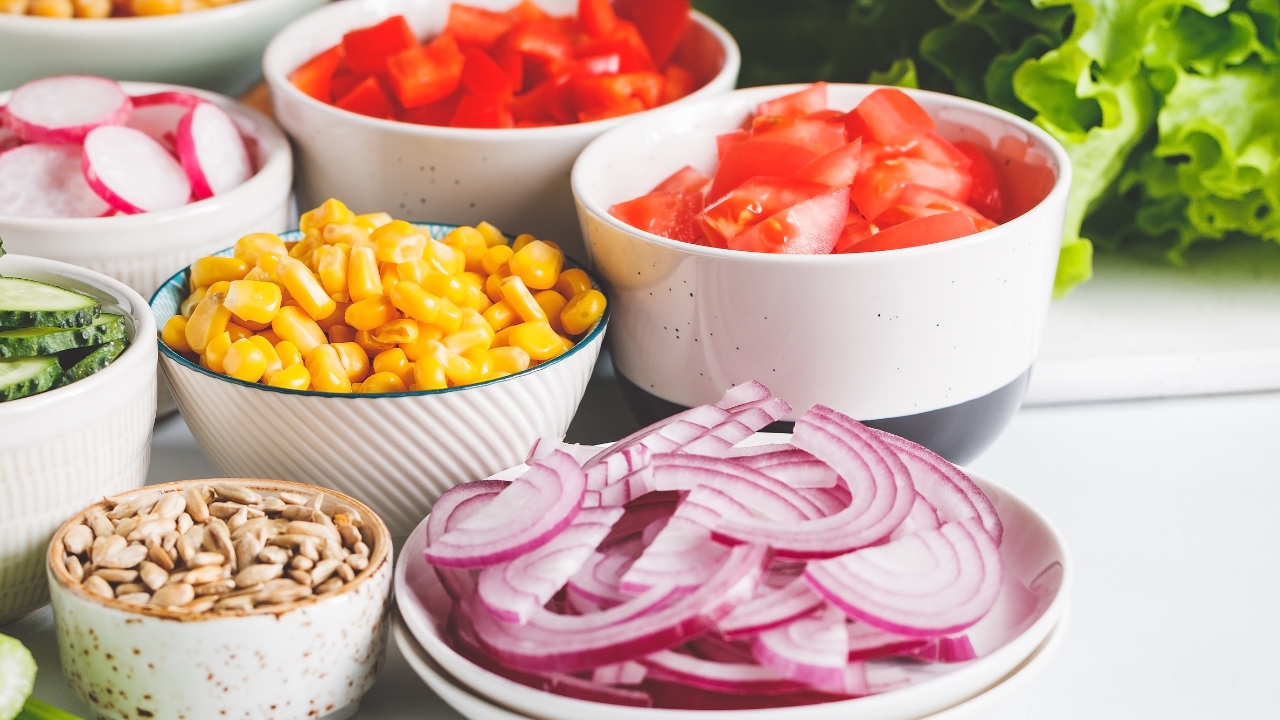
Guests can tell if you’ve done some prep ahead or if everything is happening last minute. They see chopped ingredients ready in bowls, casseroles staged to go in the oven, or at least a rough sense of order.
You don’t need to be perfect, but even a little prep—like pre-measured ingredients or labeled dishes—signals that you’ve thought about the flow. It makes people relax and trust that food will show up without a crisis.
A landing spot for people who want to help
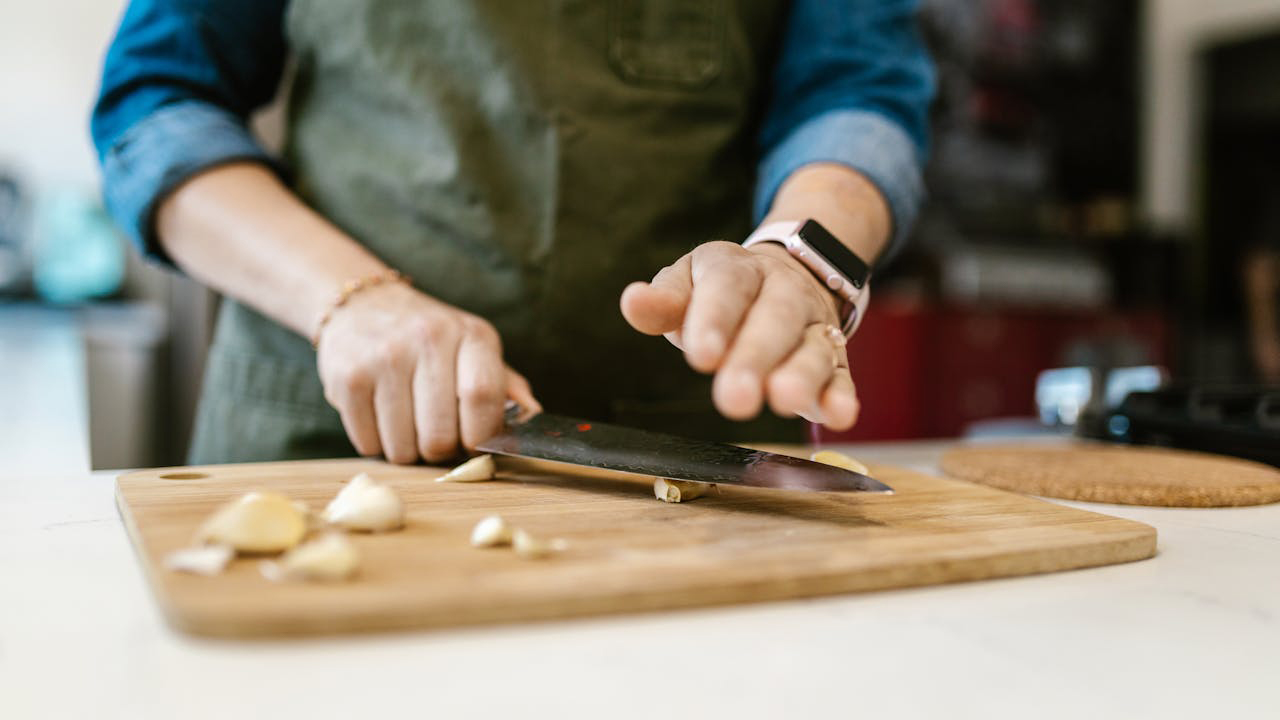
Some guests genuinely want to help but don’t want to get in your way. They notice if there’s a small section of counter or a corner of the island where they can chop, stir, or plate without feeling like they’re underfoot.
You can even point it out: “If you want to help, this is the spot.” Put a cutting board, extra knife, or a stack of clean towels there. It gives willing helpers a place to plug in and takes some pressure off you.
The overall mood in the kitchen
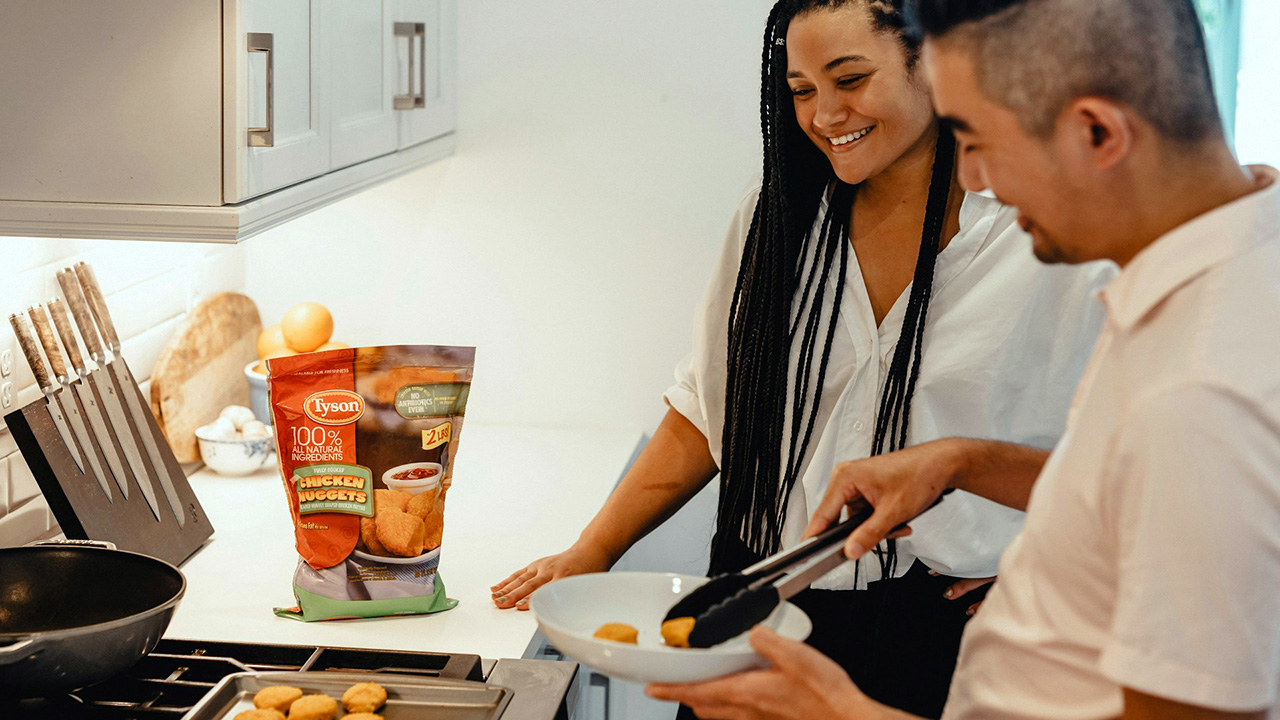
More than anything, guests pick up on how it feels in there. Are you frantic and snapping at everything, or a little busy but still laughing and handing someone a spoon? A calm, mildly messy kitchen feels good to be in. A spotless but tense one doesn’t.
Giving yourself permission to simplify the menu, prep ahead, and let a few things slide goes a long way. People will remember how comfortable it felt to stand in your kitchen, not whether the stovetop was spotless.
Like Fix It Homestead’s content? Be sure to follow us.