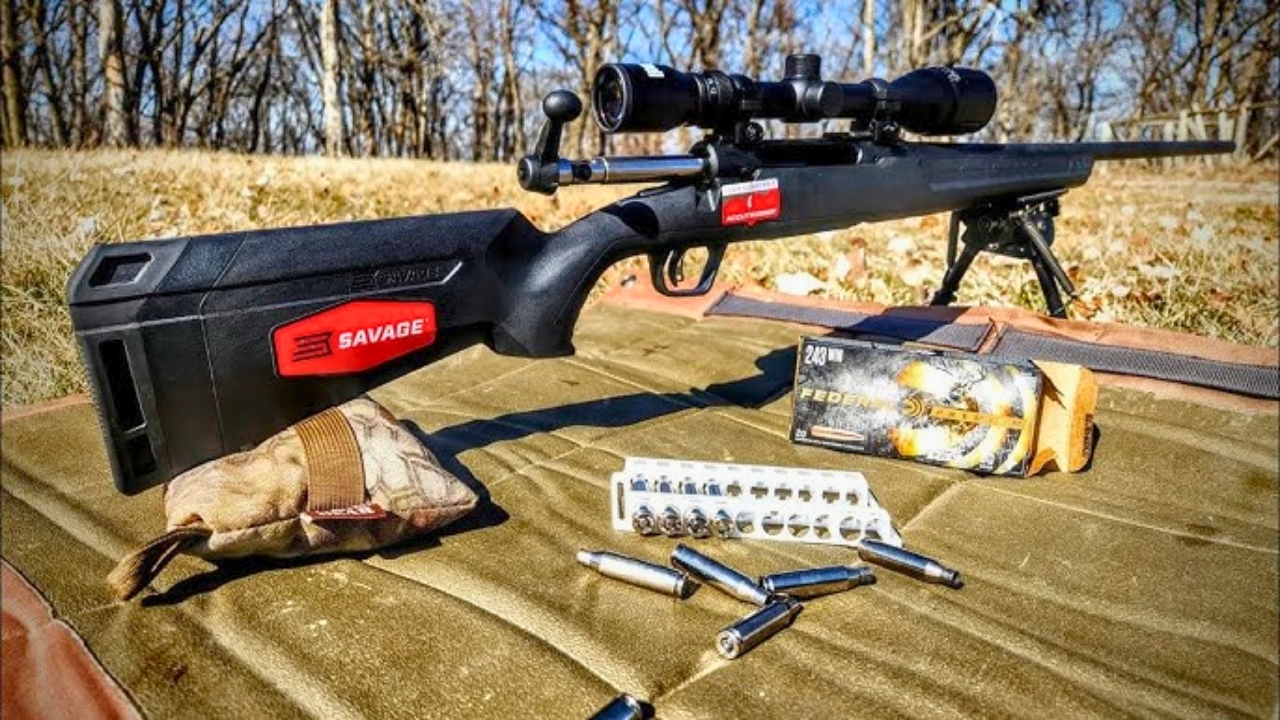
Rifles That Feel Handy in the Store and Useless in the Pasture
Photo credit: Fit'n Fire/YouTube
It’s easy to fall in love with a rifle on the rack. It feels light, shoulders fast, and looks “perfect” under fluorescent lights. Then you get it home, step into a real pasture with real wind and uneven ground, and suddenly all those store-aisle impressions don’t matter much.
Some rifles are built more for looks, specs, or marketing buzz than for actual work on land. Here’s where they tend to fall short once you leave the counter and head for the fence line.
Ultra-light rigs that dance all over the sight picture
A feather-weight rifle feels great in your hand, but out in a real pasture, every breath, heartbeat, and gust of wind moves that sight picture around. Off the bench it may group nicely. Off the hood or a set of shooting sticks, it suddenly feels twitchy and hard to settle.
Lightweight is nice when you hike mountains all day. On a homestead where most shots are from makeshift rests and vehicles, a bit of extra weight often makes the rifle steadier and easier to shoot accurately under stress.
Short “tactical” barrels that burn velocity you actually need
Compact barrels look cool and feel handy in the store. But if you’re buying a cartridge that really shines with velocity—like many small centerfires—and then chop inches off the barrel, you’re giving up some of the very performance you paid for.
In the field, that can mean more drop, more wind drift, and less reliable bullet performance out past the yard light. A slightly longer barrel isn’t as “trendy,” but it can keep that round behaving the way it was designed to when it counts.
Flashy stocks that don’t fit real shooting positions
Adjustable rails, sharp angles, and bulky forends might look good on the shelf, but they’re not always comfortable when you’re kneeling by a fence post or leaning across a truck hood. If the stock comb doesn’t line up with your optic or the forend doesn’t rest well on a bag, you’ll fight the gun more than you should.
In the pasture, you want a stock that comes to the same place every time and feels natural in three or four different real-world positions, not just standing upright in front of a mirror.
Heavy triggers that ruin good intentions
Some rifles leave the factory with stiff, gritty triggers that feel “fine” when you click them empty in a store. Add distance, a small target, and a little wind, and suddenly that heavy trigger pull drags your sight picture right off the animal.
A clean, moderate trigger isn’t a luxury out here; it’s a big part of being able to make precise shots from imperfect positions. If a trigger feels suspect at the counter, it usually gets worse in real life.
Over-scoped rifles you can’t run quickly
In the store, a big scope with high magnification and lots of knobs feels impressive. In a pasture, trying to find a moving coyote at 12x when it’s slipping along a fence line feels clumsy and slow.
For homestead work, you want usable low magnification, a generous eyebox, and a simple reticle. Rifles that depend on huge, complex optics to “fix” everything are often frustrating when you need to move quickly and think about more than dialing turrets.
Thin barrels that string shots on hot summer days
Pencil-thin barrels keep weight down, but some of them heat up so fast that the second or third shot lands nowhere near the first. At the range that’s annoying. In the field, it means a fast follow-up might not go where you expect.
You don’t need a bull barrel for property work, but a slightly stouter contour can keep your practical accuracy more stable when the rifle warms up from a few shots in a row.
Rifles that don’t balance with a real sling and full magazine
An empty demo gun can feel great. Add a sling, a full magazine, and maybe a light, and now the balance point changes. Some rifles end up nose-heavy or awkward when carried all day or brought up quickly from a sling.
Out in the pasture, that translates into fatigue and slower mounts. A rifle that’s balanced for your body with all its real accessories is worth more than anything that only felt “nice” in stripped-down form.
Like Fix It Homestead’s content? Be sure to follow us.