15 Plant-Parent Habits That Help Houseplants Through Winter
Photo credit: pexels.com
Winter is when houseplants show you how they really feel about your care routine. Less light, dry heat, and drafty windows can stress them out fast. You don’t need a greenhouse to get them through—just a few shifts in how you water, place, and pay attention to them.
These are the quiet habits that help plants survive winter in real homes with kids, pets, and heating vents blasting.
1. Moving plants closer to the best windows
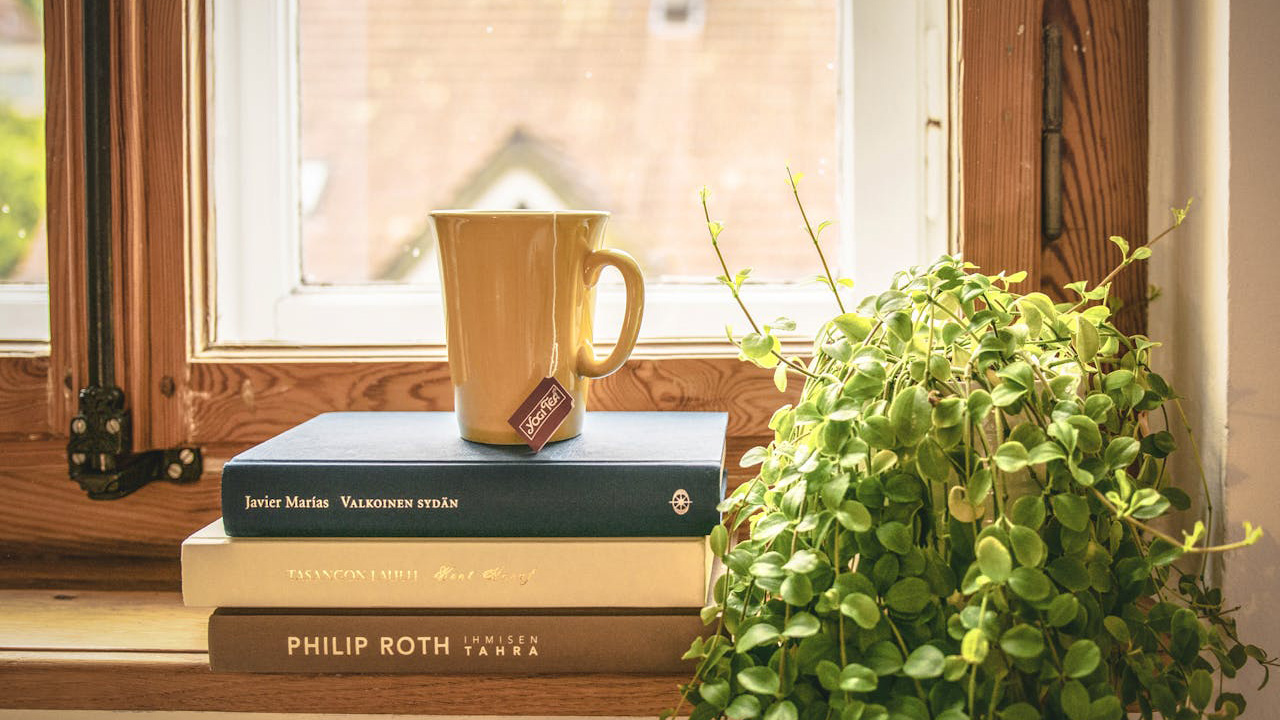
Winter light is weaker and shorter. Plants that did fine in the middle of a room in summer might struggle now. Slide them closer to bright windows without pressing leaves directly on freezing glass.
Even moving them a couple of feet can make a difference. South- and east-facing windows usually give you the most helpful light this time of year.
2. Rotating pots every couple of weeks

With light coming from one main direction, plants lean toward it. Give pots a quarter turn every week or two so growth stays more even.
It takes ten seconds and keeps you from ending up with a lopsided plant that wants to tip over by spring.
3. Watering based on the soil, not the calendar
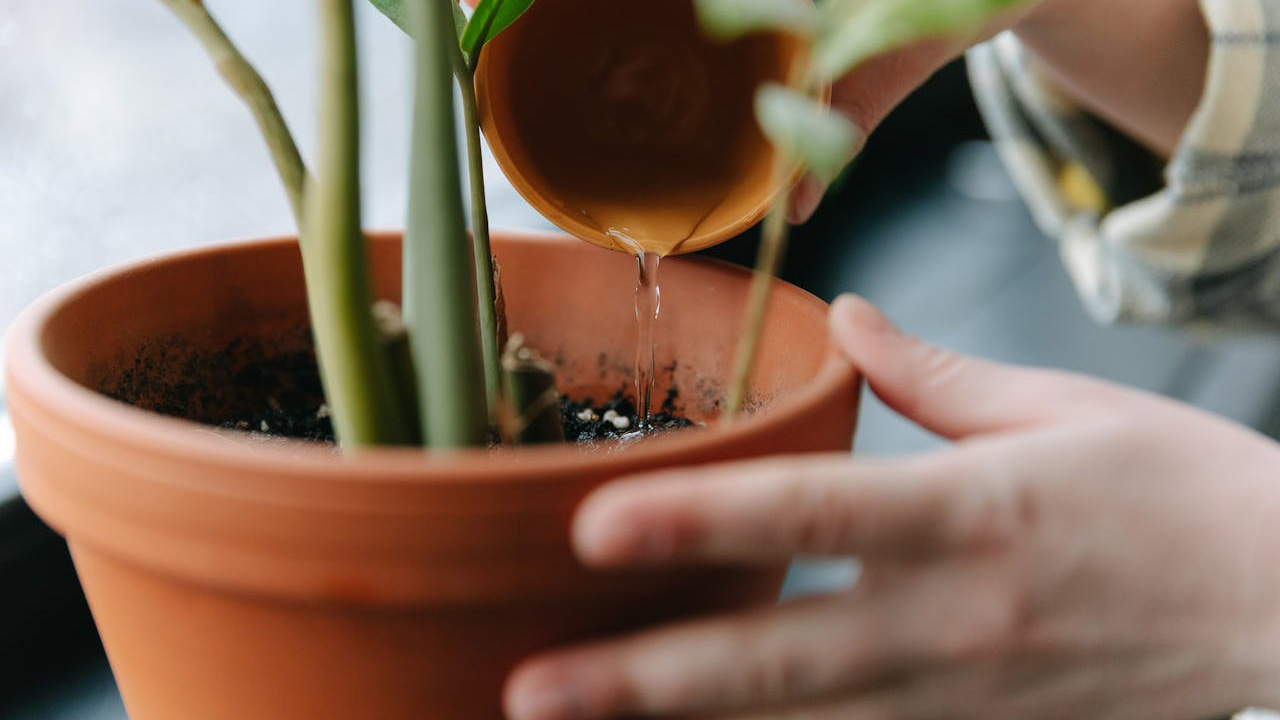
Overwatering in winter is one of the fastest ways to lose plants. Growth slows down, and they don’t drink as much. Stick your finger an inch or two into the soil and only water when it feels dry at that depth.
Some plants may need water every week, others every few weeks. Let the plant tell you instead of automatically watering every Saturday.
4. Using room-temperature water
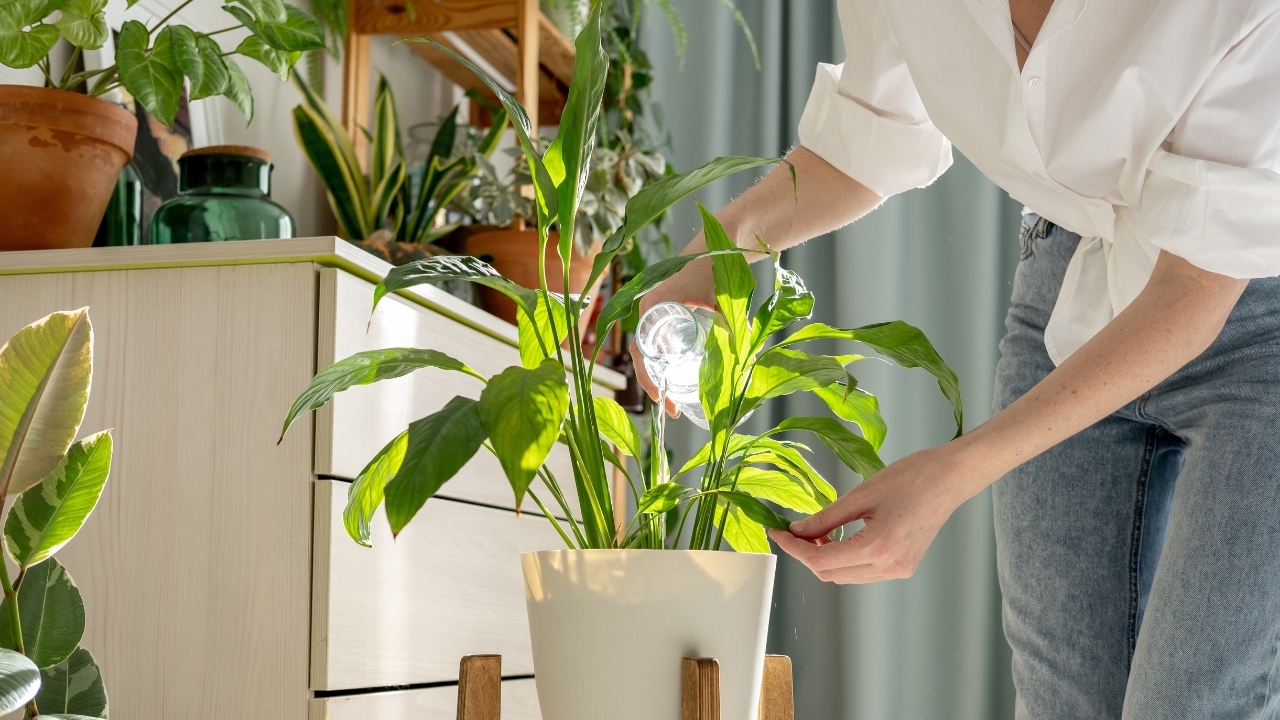
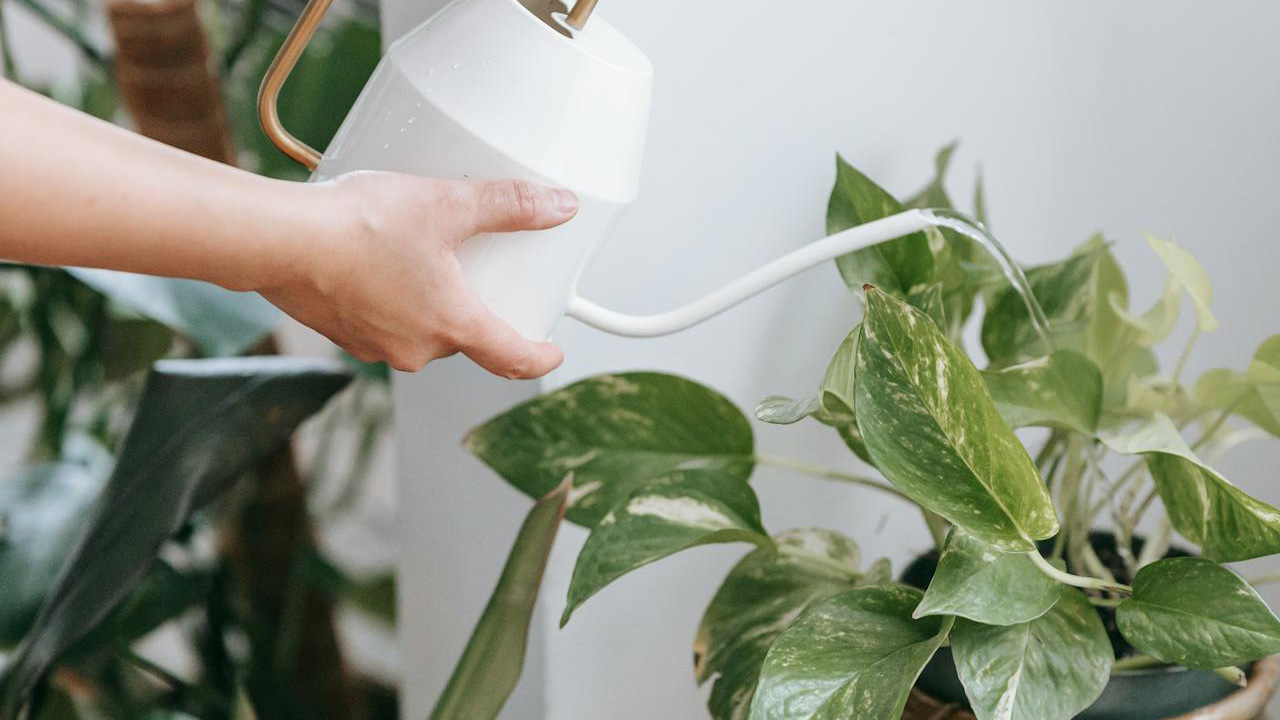
Ice-cold water straight from the tap can shock warm roots. Fill your watering can and let it sit for a bit, or mix a little hot water in so it’s closer to room temperature.
It’s a small thing, but it keeps winter-stressed plants from dealing with one more sudden change.
5. Watching for drafts and heat blasts
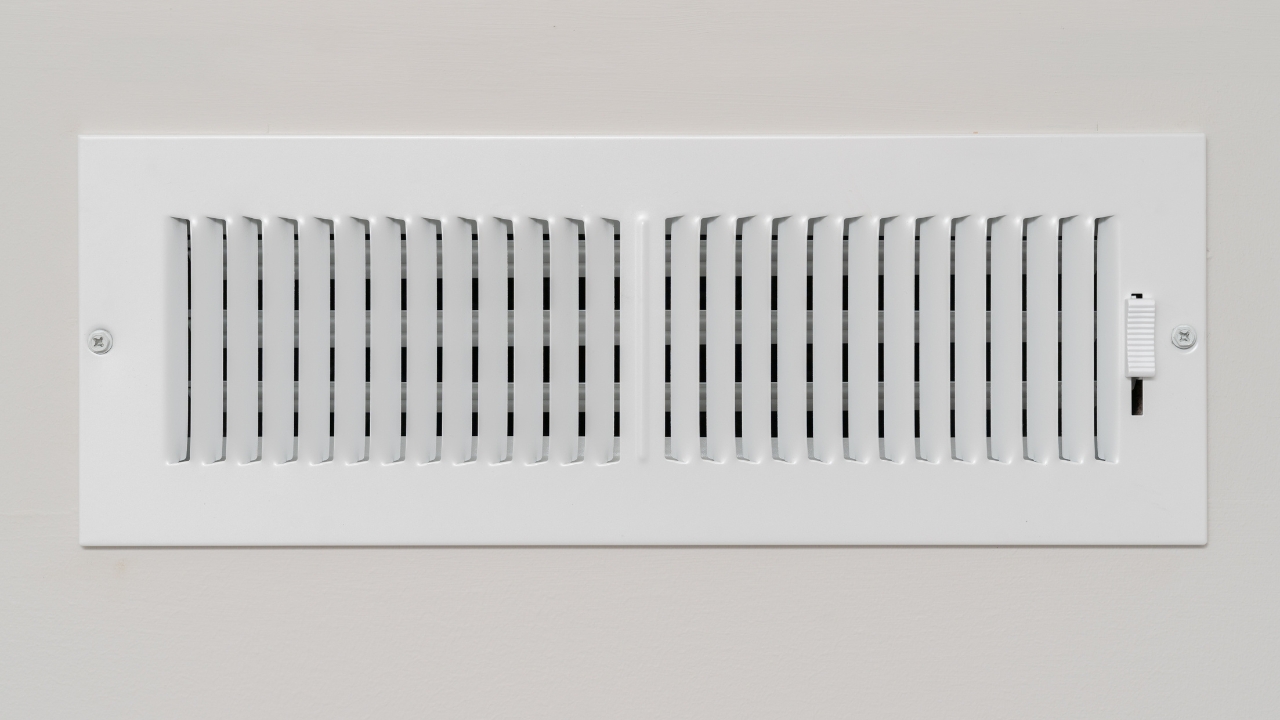
Plants parked right over a vent or next to a drafty door will struggle. The constant hot/cold swings dry out leaves and soil unevenly.
If a plant’s leaves look crispy on one side or it’s dropping leaves every time the heat kicks on, that’s a clue. Move it a couple of feet away or set it on a stand to get it out of the direct blast.
6. Grouping plants to raise local humidity
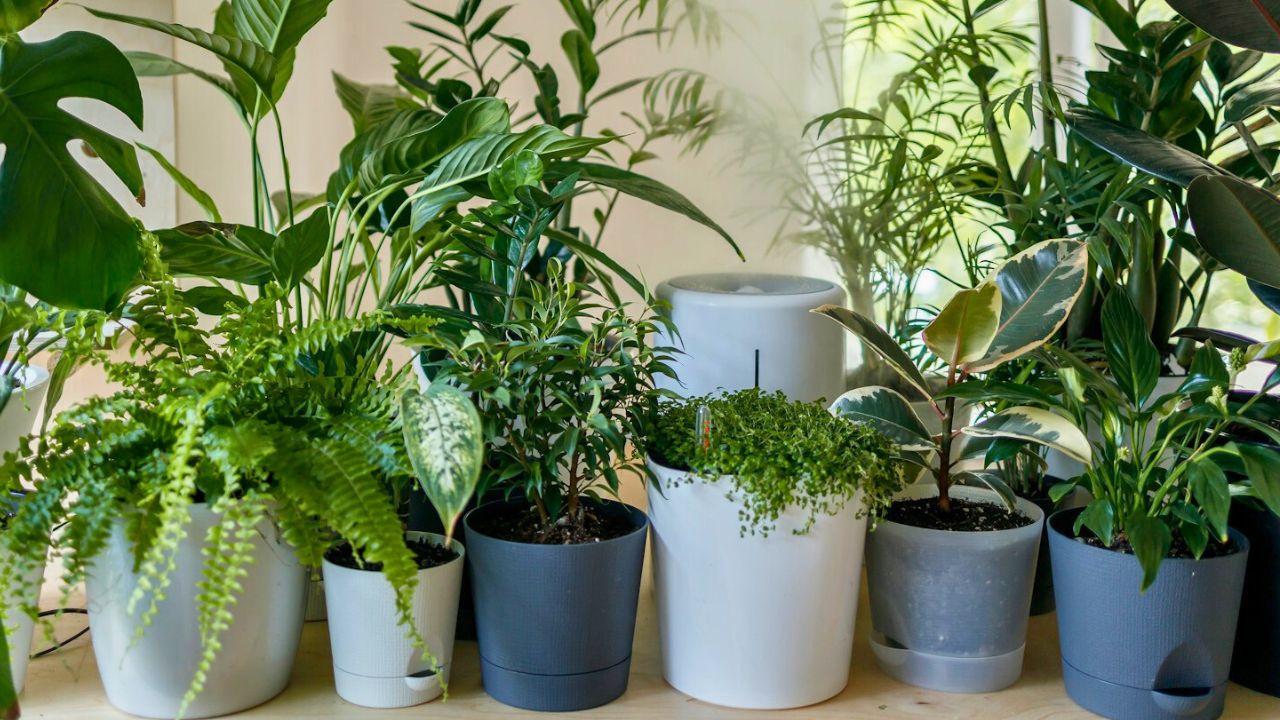
Most homes get dry in winter. Grouping plants together on trays or stands helps create a slightly more humid pocket of air around them as they release moisture.
You don’t have to mist constantly or buy a fancy humidifier (though those help for certain plants). Just clustering them keeps them from feeling as dried out.
7. Dusting leaves gently

Dust blocks light, and plants need all the help they can get when days are short. Use a soft cloth or damp paper towel to wipe larger leaves every few weeks.
You don’t have to scrub—just a quick wipe to clear the surface. Think of it as cleaning their “solar panels” so they can do their job.
8. Holding off on most fertilizer
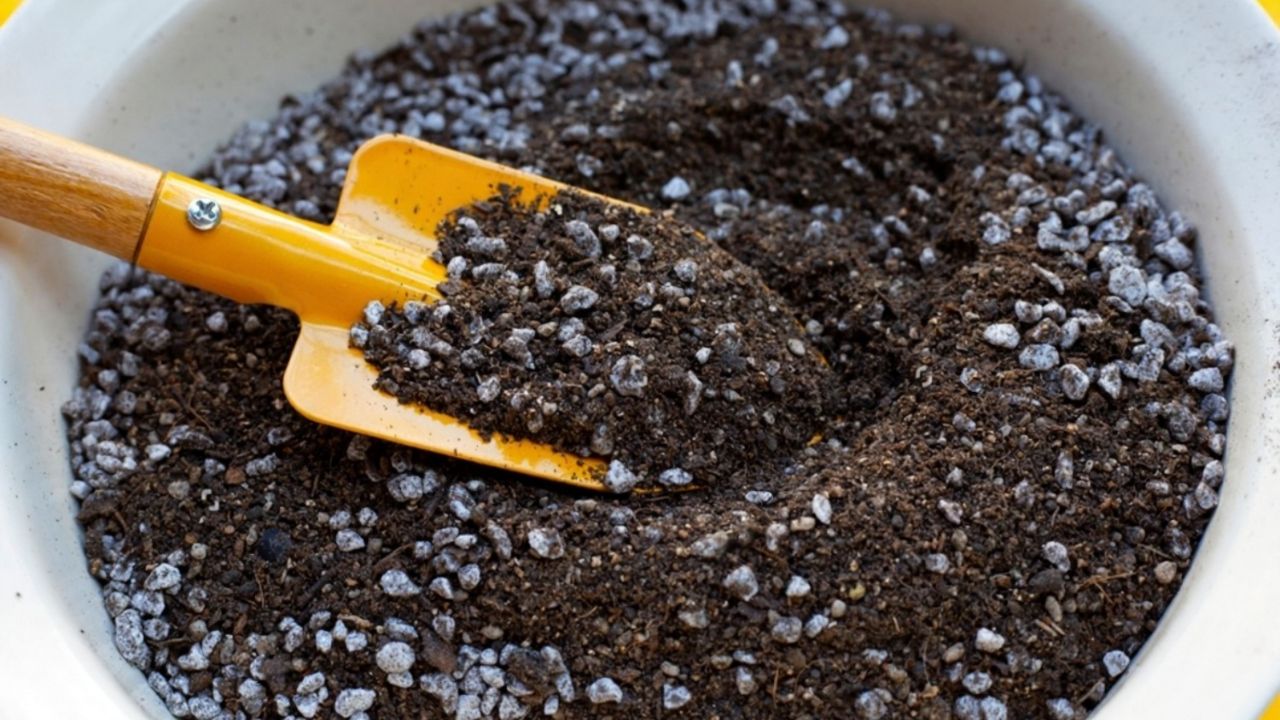
Winter is usually not the time to push a bunch of new growth. Over-fertilizing when plants are semi-resting can cause weak, leggy growth and salt buildup in the soil.
Most houseplants are fine without fertilizer until days start to lengthen again. If you do feed anything, make it very diluted and infrequent.
9. Checking roots before assuming a plant “hates winter”

If a plant looks rough, it’s tempting to blame the season. Sometimes the problem is roots that are pot-bound, rotting, or sitting in soggy soil. Gently slide the plant out of its pot and look.
If roots are spiraling tightly or dark and mushy, address that first—either by repotting in fresh soil or trimming rotten roots and letting the plant recover.
10. Using trays or saucers to protect floors and furniture
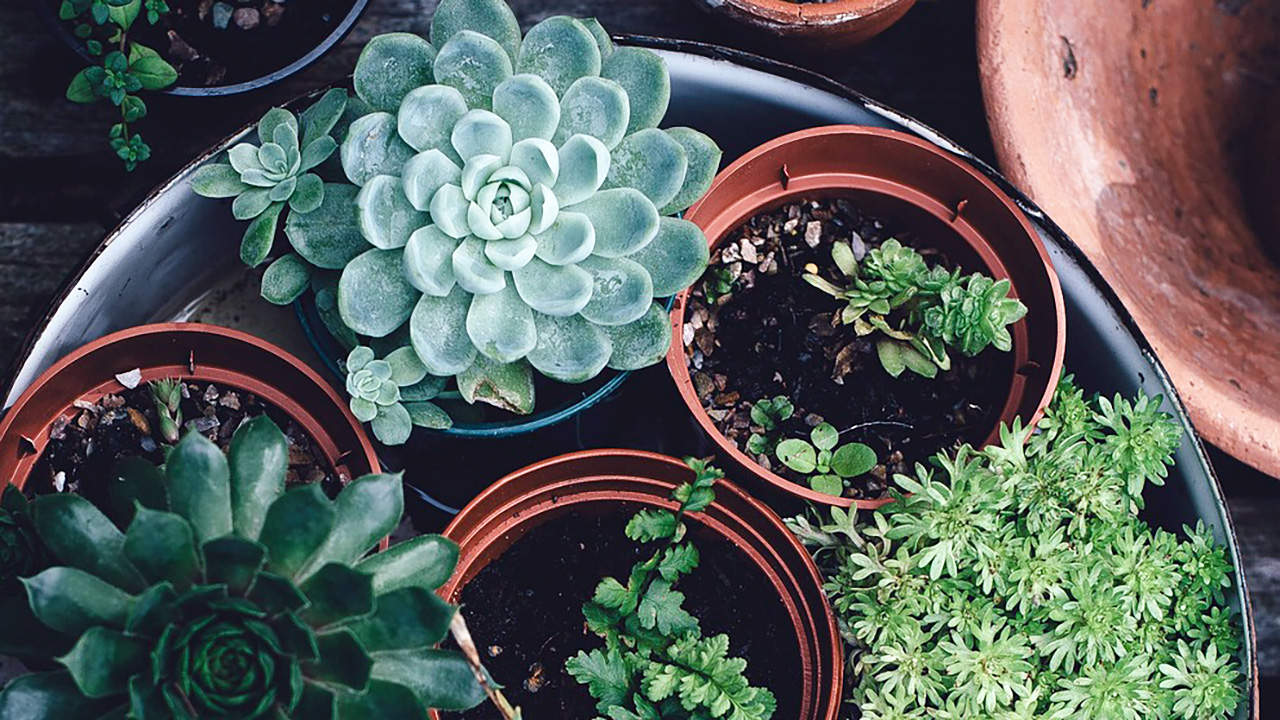
Winter watering can be messy if you’re hauling plants to sinks. Set plants on trays or saucers that catch runoff so you can water in place and let them soak it up for a bit.
Just don’t let them sit in standing water forever. After 20–30 minutes, dump any excess so roots can breathe.
11. Giving the neediest plants the prime spots
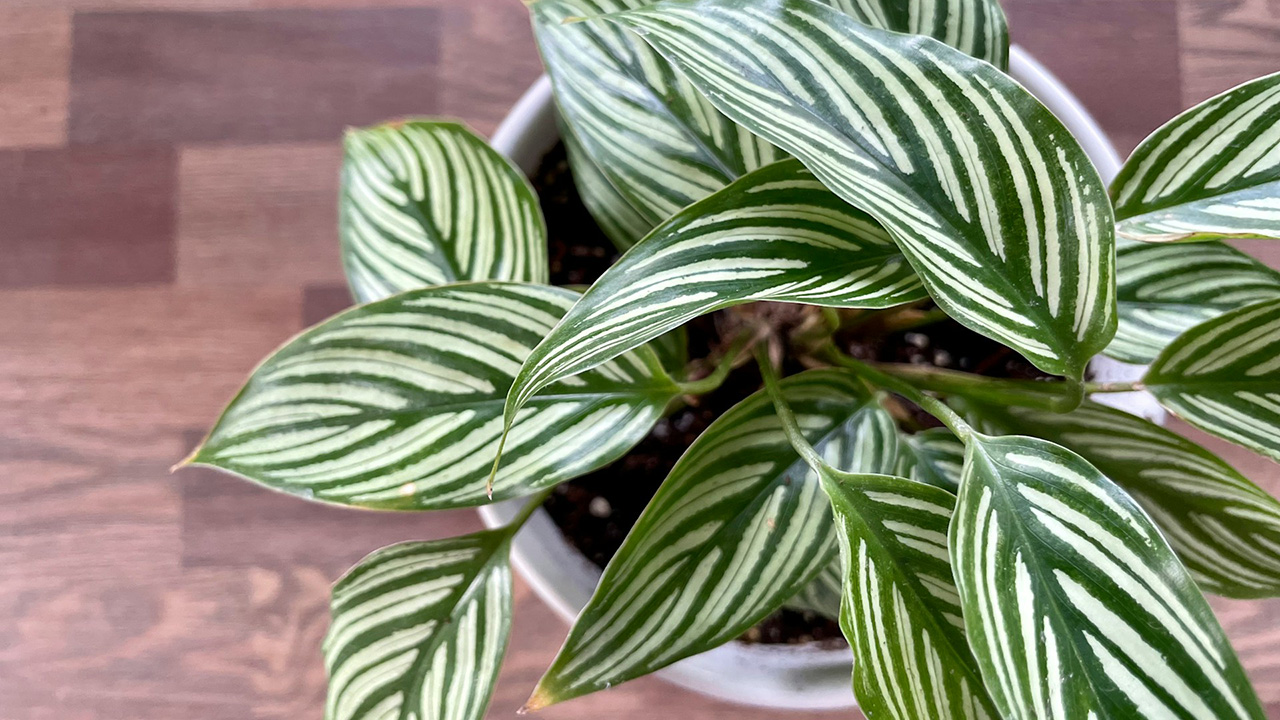
Be honest about which plants are your favorites or most sensitive. Put those in the best locations—closest to ideal light and away from vents and drafty doors.
Hardier plants can handle that slightly darker corner or cooler hallway. Not every plant has to have perfect conditions, but your “high-maintenance kids” will thank you for the best seats.
12. Adjusting expectations for growth

Winter is more about maintaining than pushing growth. Leaves might slow down, colors may not be as bright, and some plants will drop a few leaves. That doesn’t always mean you’re doing something wrong.
Focus on keeping them stable and healthy rather than trying to make them explode with new growth. Spring is when they’ll really respond to extra attention.
13. Watching for pests a little closer
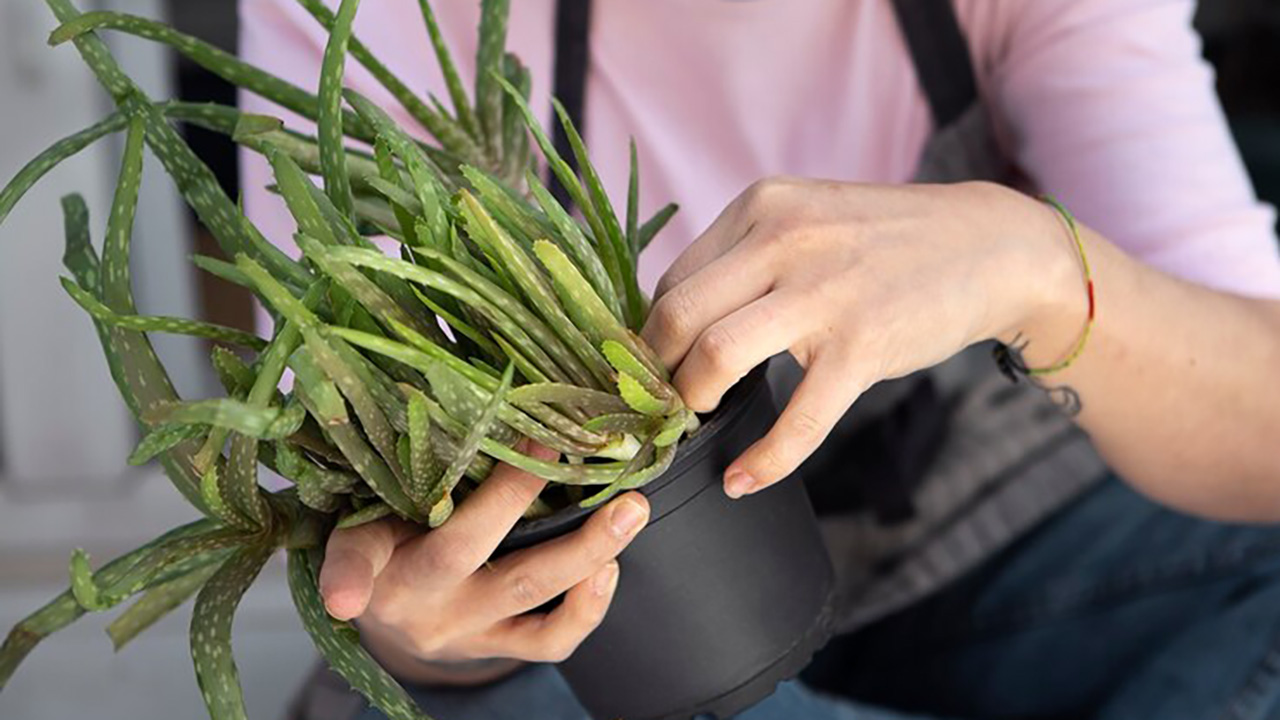
Dry indoor air and stressed plants can invite pests like spider mites and fungus gnats. Check leaf undersides and soil when you water. Look for sticky residue, webbing, or tiny bugs.
Catching issues early is easier than dealing with a full infestation. A quick rinse, pruning a few damaged leaves, or treating a spot is much simpler than starting over.
14. Using plant stands to pull them into the room

If you don’t have wide windowsills, plant stands help raise greenery into better light without sacrificing floor space. They also get pots off cold floors.
Even a sturdy stool or side table can act as a stand. Plants that are closer to eye level get noticed and checked more often, which means you’ll catch changes sooner.
15. Letting a few go if they’re constantly unhappy
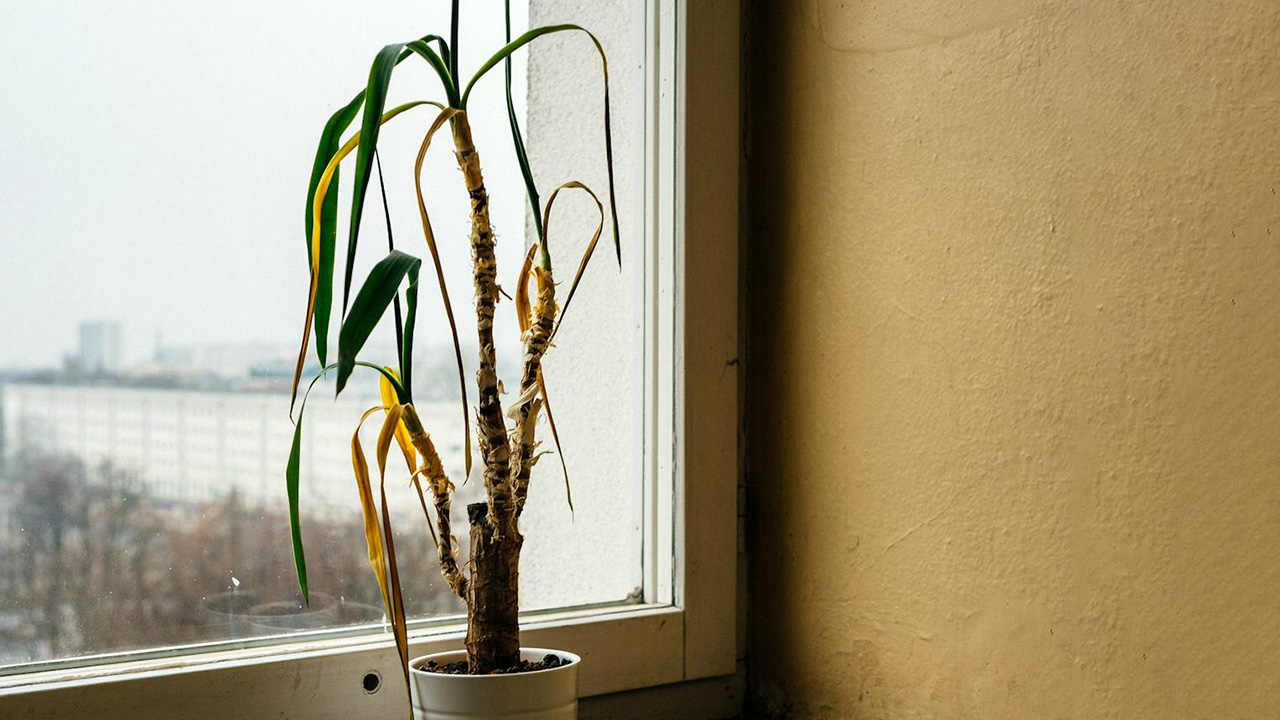
Not every plant will love your house in winter, and that’s okay. If one is always hanging on by a thread no matter what you do, it might not be the right fit for your space.
Giving yourself permission to let a fussy plant go makes more room—physically and mentally—for the ones that actually thrive with you. And those are the ones that make your home feel alive when it’s gray outside.
Like Fix It Homestead’s content? Be sure to follow us.