10 Plants That Make Landscaping Harder Than It Has to Be
Photo credit: Turkey Photo/ Shutterstock.com
Some plants are more trouble than they’re worth. They might look pretty at the garden center, but once they’re in the ground, they’ll take over your yard, demand constant upkeep, or flat-out refuse to behave.
Landscaping shouldn’t feel like babysitting. If you’re tired of digging, trimming, or fighting off weeds because of one stubborn plant, you’re not alone. Here are ten plants that can make landscaping harder than it needs to be.
Bamboo
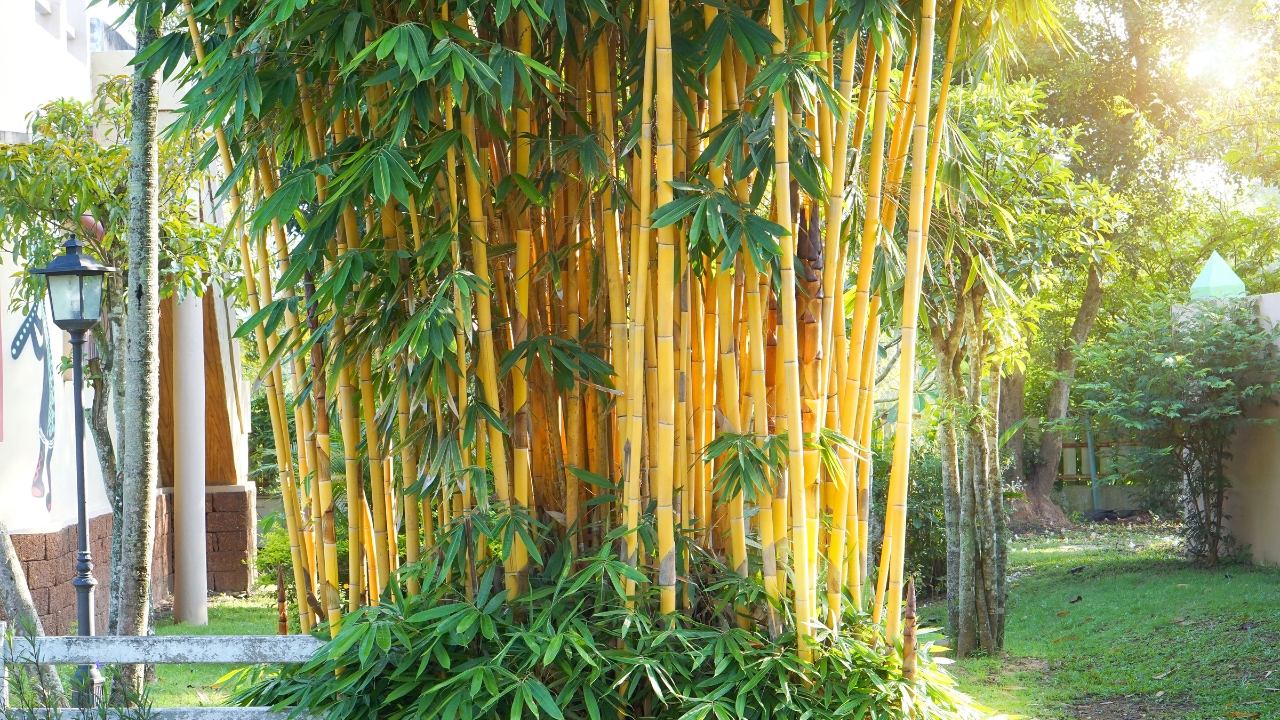
Bamboo might sound like a cool privacy solution, but once it takes root, good luck getting rid of it. It spreads fast—usually underground—and pops up where you don’t want it.
Containment is tough unless you install serious barriers. And even then, it can sneak past them. If you’re not up for constant maintenance or digging out rogue shoots, bamboo is best left at the nursery.
English Ivy
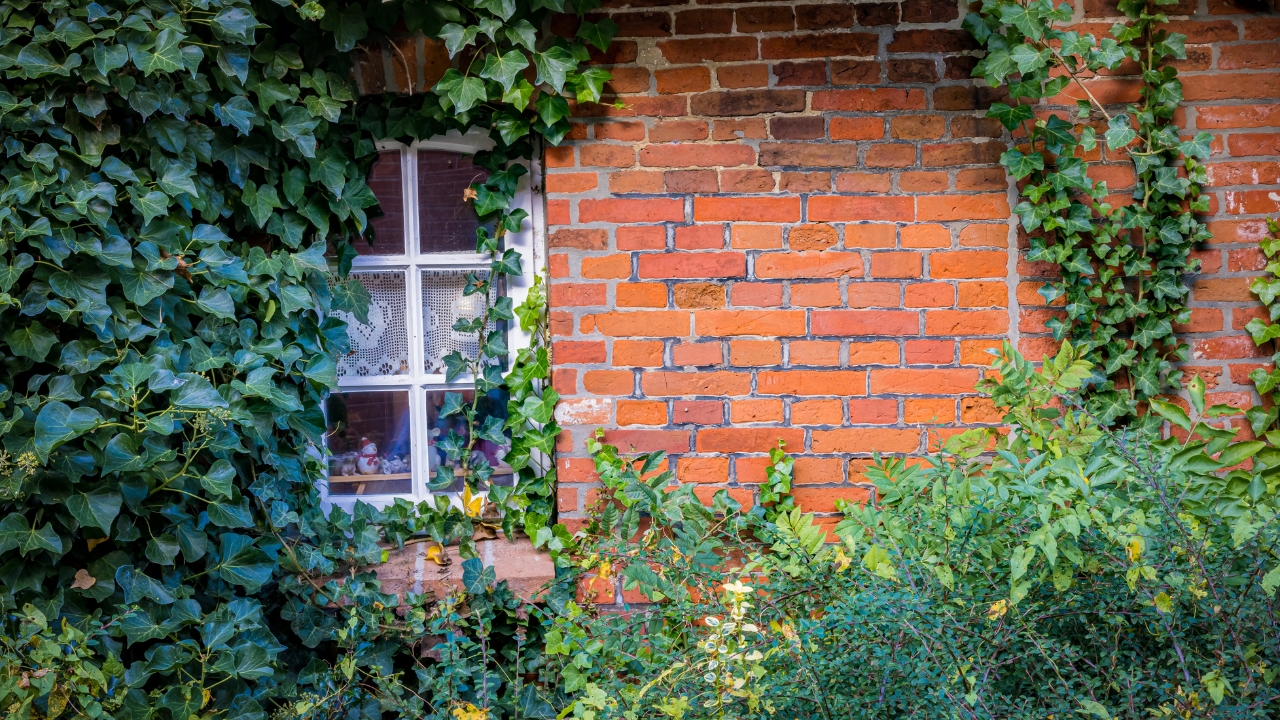
At first, ivy seems like a low-maintenance ground cover, but it quickly becomes a problem. It clings to everything—trees, siding, fences—and doesn’t know when to quit.
It can damage structures, suffocate other plants, and create hiding spots for pests. Once it’s in, it’s hard to get out. You’ll spend more time pulling ivy than enjoying your yard.
Wisteria
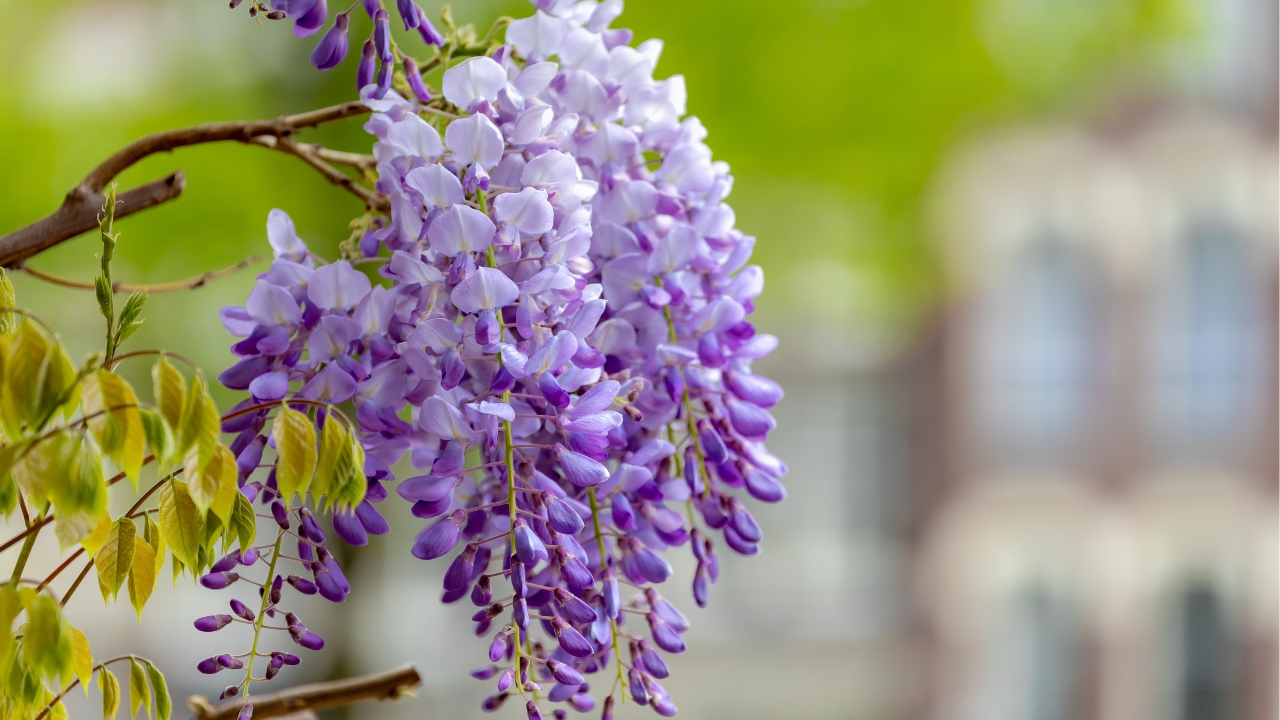
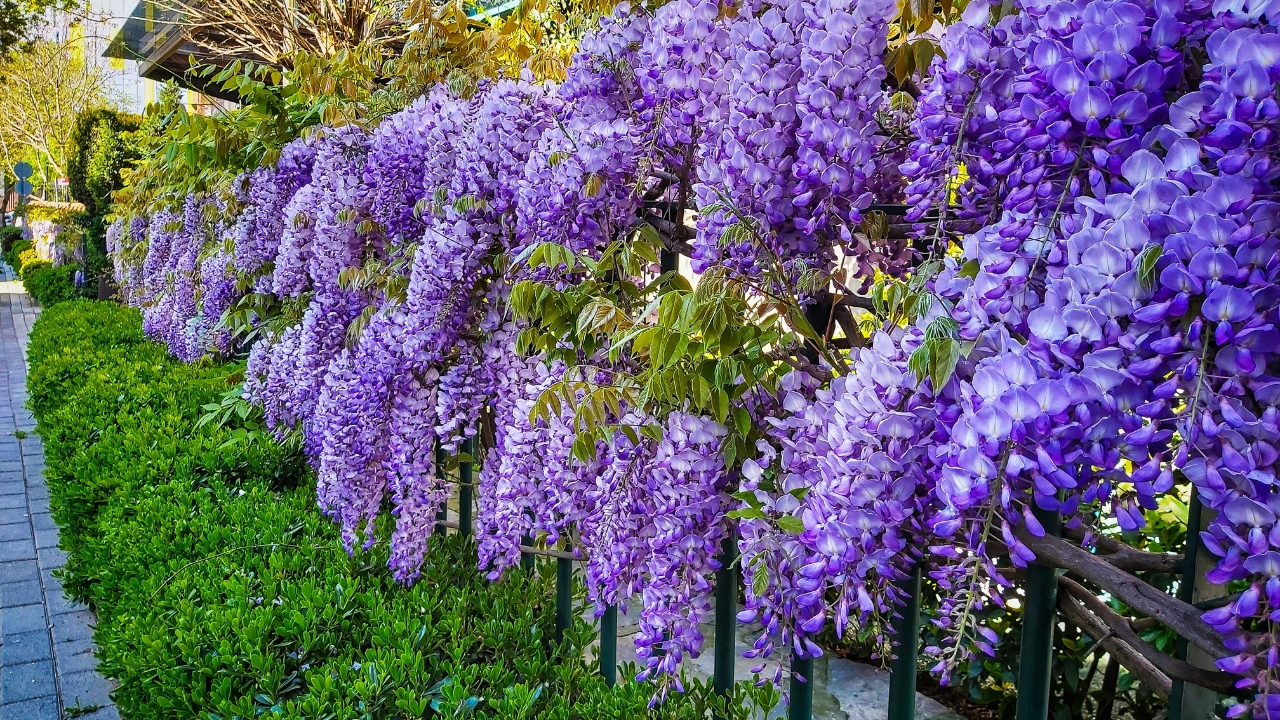
Wisteria is beautiful during bloom season, but it doesn’t stay polite for long. This vine grows aggressively and can twist around anything in its path, including your porch, gutters, or nearby trees.
It takes constant pruning to keep under control. Left alone, it’ll get heavy and start pulling things down. If you’re looking for low-fuss plants, skip this one.
Mint
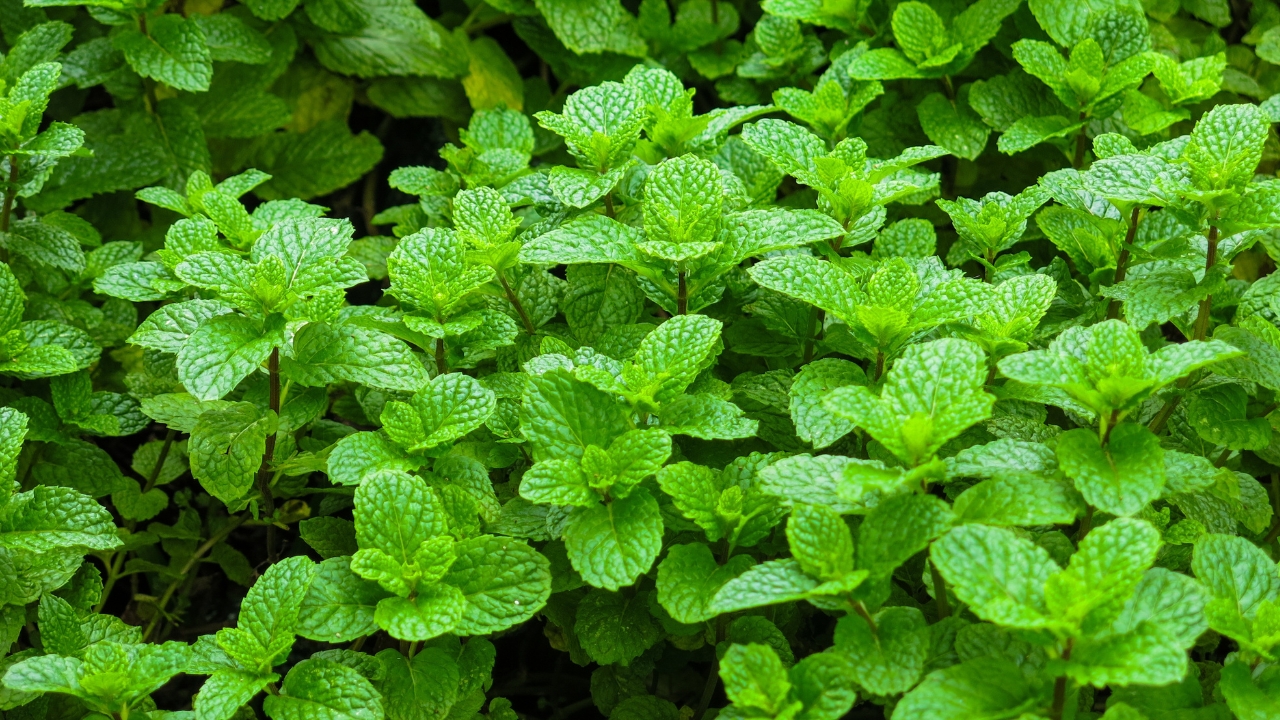
Mint smells great and spreads like wildfire—which is the problem. It takes over beds, pops up in random spots, and crowds out everything in its way.
Even if you plant it in a pot, it can escape through drainage holes and root into your soil. If you don’t want to spend your summer ripping out runners, keep mint far from your landscaping.
Bradford Pear
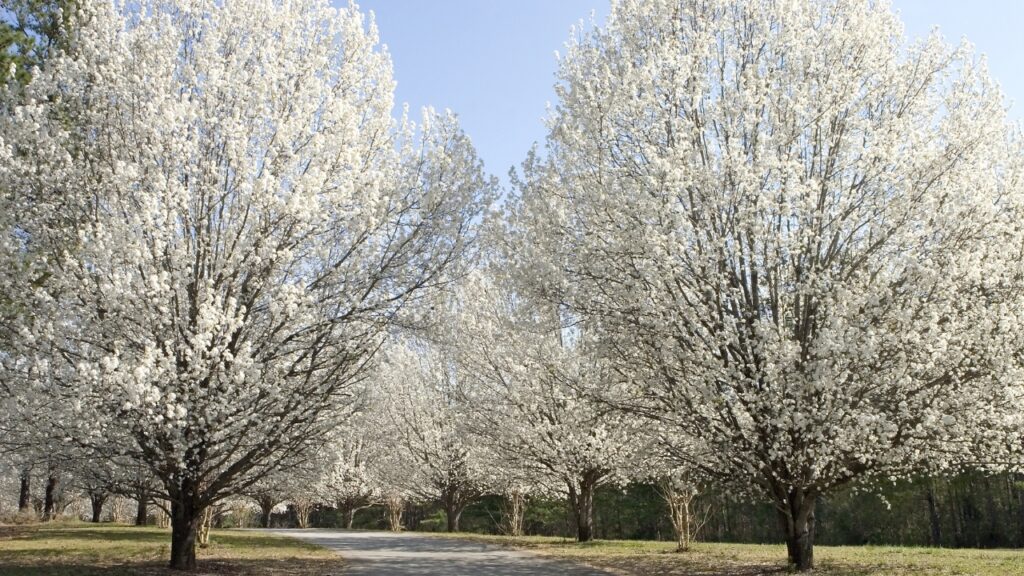
Bradford pear trees are fast growers, but they’re weak-wooded and prone to splitting in storms. That means fallen branches and a constant cleanup headache.
They’re also known for their unpleasant smell in spring and short lifespan. You’re better off planting a sturdier, longer-lasting tree that won’t fall apart every time the wind picks up.
Purple Loosestrife
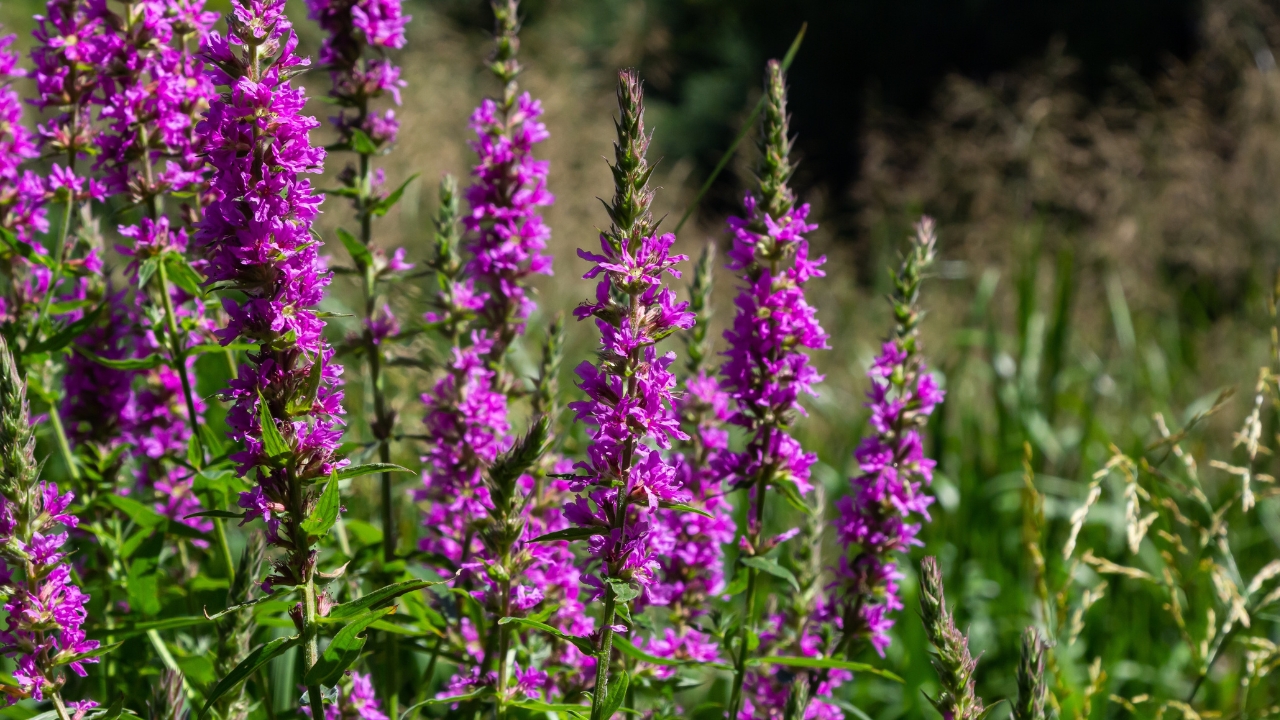
It’s pretty and thrives in wet areas, but purple loosestrife is invasive in a lot of states. It spreads quickly and chokes out native plants, messing with local ecosystems.
Once it’s in your yard, it’s hard to control. You’ll spend more time managing it than enjoying your landscape. It’s not worth the trouble, especially with better native alternatives out there.
Morning Glory
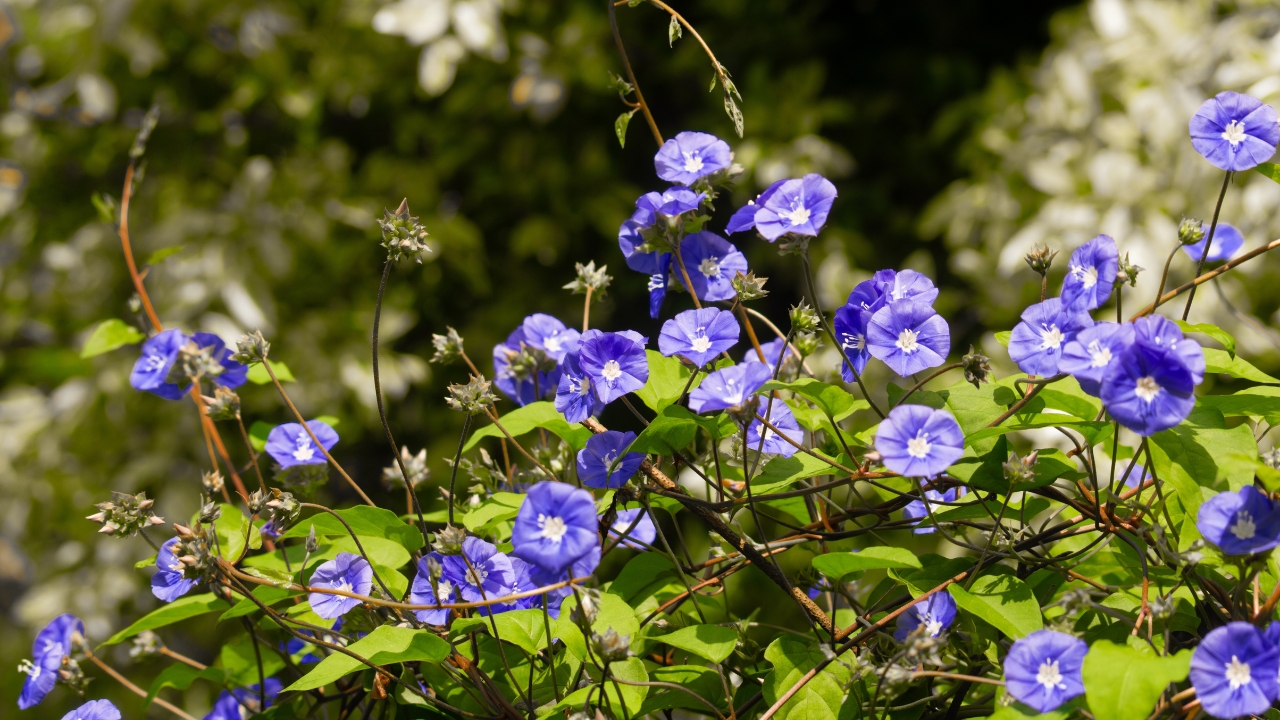
Those vines might be cheerful at first, but morning glories self-seed like crazy and don’t stay where you put them. One season turns into several without much warning.
They’ll twist through your garden beds, fence lines, and even up your trees. And because they reseed so easily, they’ll keep coming back even if you pull them out. It’s a nonstop cycle.
Russian Sage
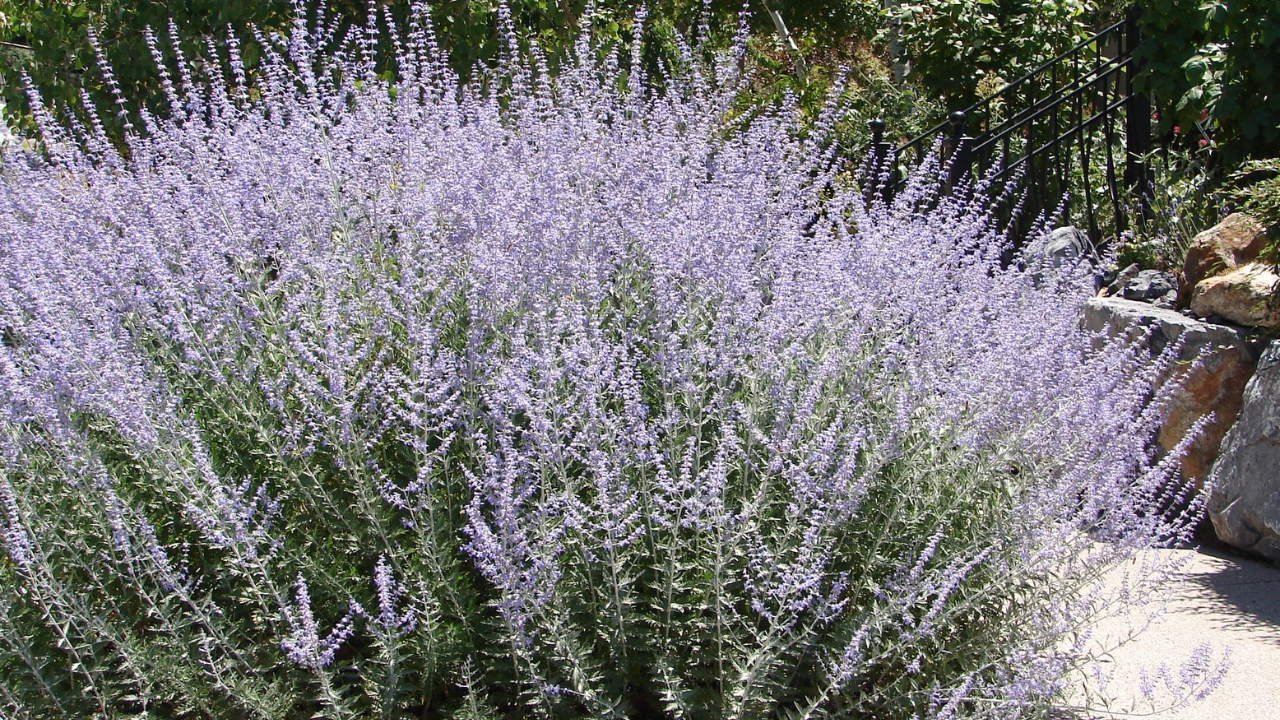
This one looks like a carefree filler plant, but it’s surprisingly hard to manage. It gets leggy, flops over, and can quickly look messy without constant shaping.
Plus, it spreads through underground roots if left unchecked. You’ll need to divide it regularly or risk it taking over. For a plant that’s supposed to be low maintenance, it sure demands a lot of attention.
Yucca
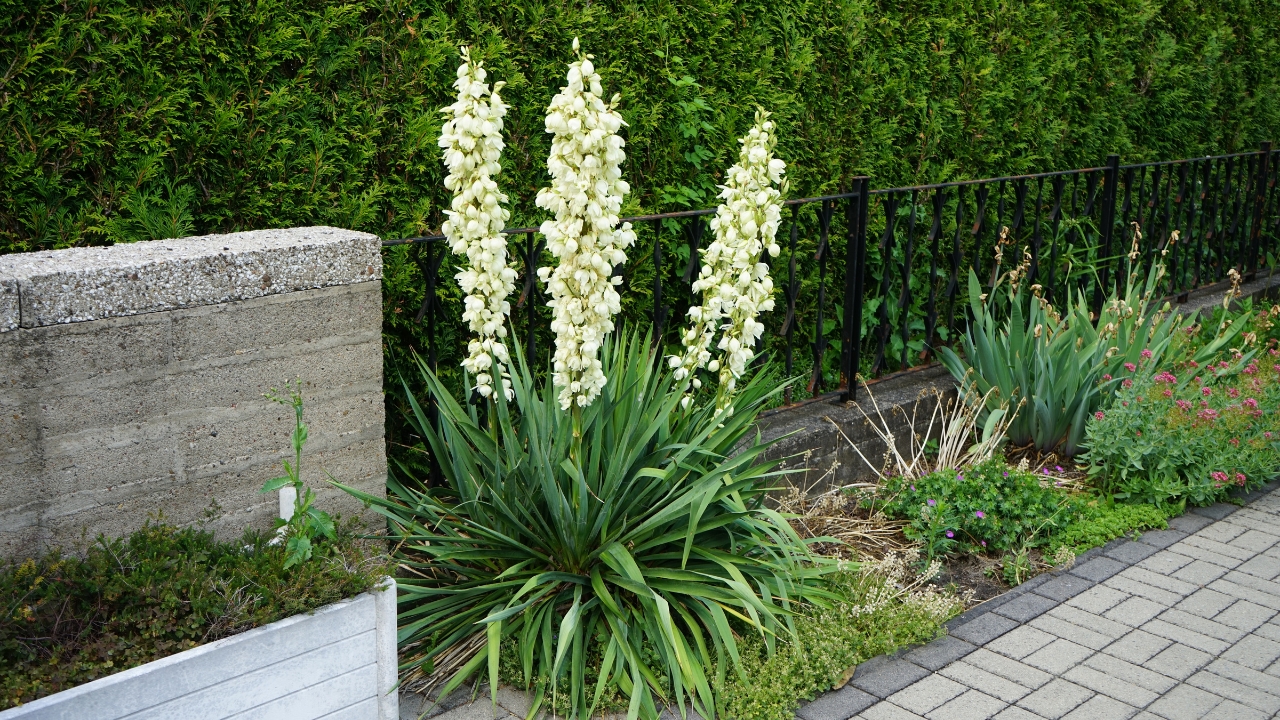
Yucca’s tough and drought-tolerant, but once it’s in, it’s hard to get rid of. The root system is stubborn, and even tiny pieces can regrow after you think it’s gone.
It also has sharp, spiky leaves that aren’t kid- or pet-friendly. Unless you’re totally committed to having it in one place forever, yucca might be more trouble than it’s worth.
Pampas Grass

Pampas grass makes a big statement, but it needs a lot of space—and a strong back to maintain. It grows fast, gets huge, and becomes a fire hazard if left dry and unmanaged.
The blades are sharp, and cutting it back isn’t a fun job. If you’re looking for ornamental grass that doesn’t fight back, skip this one.
Like Fix It Homestead’s content? Be sure to follow us.