The home repairs driving the biggest insurance claims right now
Photo credit: Zohair Mirza/Unsplash.com
Homeowners are discovering that the most painful insurance claims are increasingly tied to a familiar list of repairs: roofs shredded by storms, plumbing that fails inside walls, and systems like HVAC and electrical that now cost far more to fix. The work itself has not changed much, but the price of materials, labor and climate risk has turned routine damage into five‑figure bills that ripple through premiums for everyone. I set out to pinpoint which repairs are driving the biggest claims right now and how homeowners can blunt the financial shock before the next adjuster visit.
Storm‑battered roofs and siding are dominating claim counts
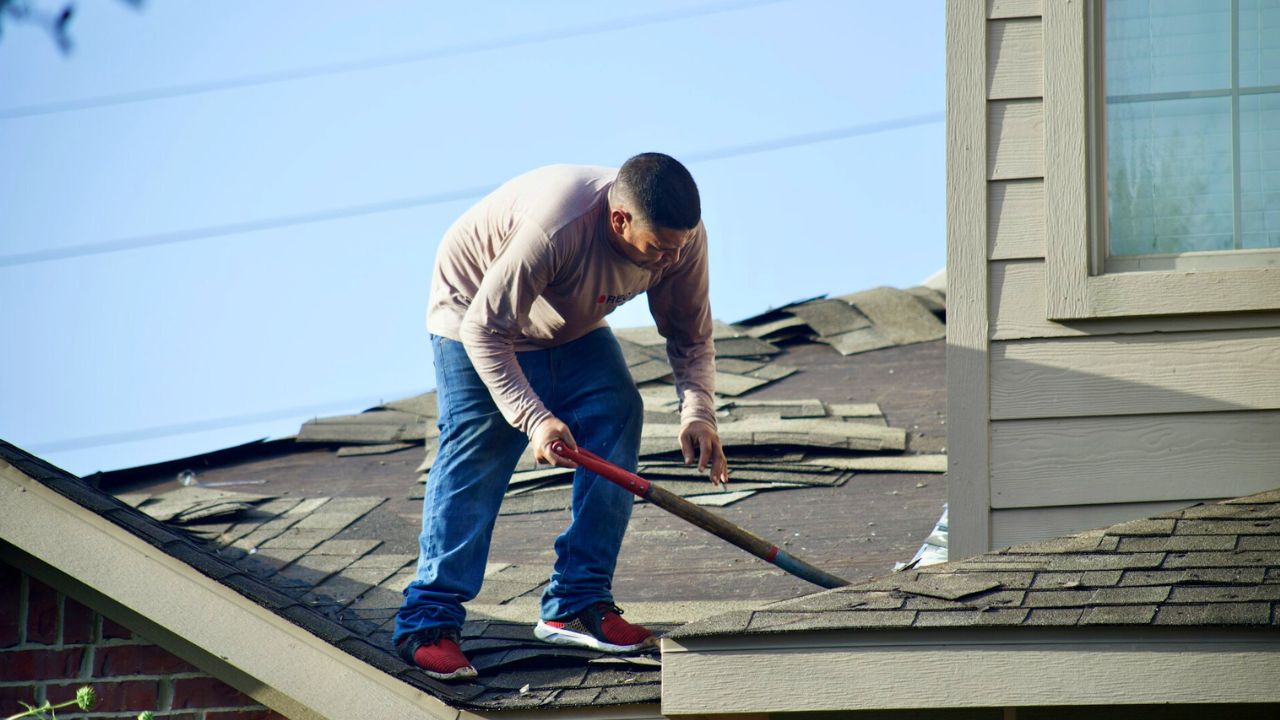
Across the country, wind and hail are quietly setting the agenda for home repair and insurance pricing. Industry data shows that the most frequent home insurance claims are caused by wind and hail damage, with these weather hits outpacing every other peril in sheer volume and still carrying some of the highest average payouts per incident. That means roof replacements, shingle tear‑offs, gutter rehanging and siding repairs are not just seasonal headaches, they are the backbone of the modern claims book, and they are increasingly expensive as contractors factor in higher material and labor costs linked to broader inflation and supply constraints.
One analysis notes that while wind and hail are the most common claims, they also sit near the top in cost, with only a few perils like fire producing higher average losses per event, which underscores how a single storm can trigger a full roof replacement rather than a minor patch. A separate breakdown of the most common home insurance claims reinforces that pattern, listing wind and hail at the top of the frequency table and highlighting how these weather‑driven repairs still rank among the highest average claim amounts once the tarps come off and the invoices arrive. For homeowners, that combination of frequency and severity is exactly why roof condition, shingle type and even local building codes are now central to underwriting decisions.
Water leaks, freezing pipes and plumbing failures are surging in cost
If wind and hail dominate the number of claims, water is increasingly responsible for the nastiest surprises inside the home. A decade‑long review of small property losses found that Water and freezing damage represented a growing share of claims, with these events often tied to wind‑driven rain that penetrates building envelopes or to burst pipes that flood finished spaces. Those incidents are deceptively simple on the surface, but once water seeps into subfloors, insulation and electrical runs, the repair scope balloons to include demolition, mold remediation and full rebuilds of kitchens, bathrooms and basements.
Insurers are flagging an Increase in water damage as a key driver of rising costs, pointing to leaking or burst pipes, plumbing issues, sewage backups, pump overflows and clogged gutters as repeat offenders that push the average claim around $10,900 and helped water damage and freezing losses climb about 10% from 2017 to 2019. On the ground, that translates into expensive plumbing work behind walls, replacement of cabinetry and flooring, and sometimes structural drying that requires industrial equipment running for days. When those repairs are combined with rising prices for materials such as lumber, steel and concrete, which one analysis notes have significantly increased and forced insurers to adjust premiums accordingly, it is clear why a single undetected leak can now reshape a household budget for years.
Fire, electrical and total‑loss rebuilds remain the most devastating repairs
While storms and leaks generate the most claims, fires still sit at the top of the severity ladder, turning ordinary homes into full reconstruction projects. Data on common homeowners claims shows that fires are the most expensive events, with the highest average claim amount, even though only a small percentage of policyholders file a claim each year. When a blaze starts in an overloaded electrical panel, a kitchen range or a space heater, the resulting smoke, structural damage and code upgrades often require gutting entire sections of a house, replacing wiring and mechanical systems, and bringing everything up to current safety standards.
That is why guidance on home protection stresses that the amount of buildings insurance needs to be sufficient for the complete reconstruction of the home in the event of a major insured incident, right up to the total loss of the property. In practice, that means the repairs driving the biggest fire‑related claims are not just cosmetic fixes but full structural rebuilds, new electrical service, replacement HVAC and sometimes redesigned layouts to meet modern regulations. When those projects collide with higher construction costs and limited contractor availability, the gap between what a homeowner expects and what a total‑loss claim actually costs can be stark.
HVAC systems, plumbing and other big‑ticket components are pricier than ever
Even outside of catastrophic events, some of the most expensive home repairs now involve core systems that quietly age in the background until they fail. Recent reporting on the Most Expensive home repairs in 2025 highlights HVAC Systems as a standout, noting that Rising tariffs and supply chain issues in 2025 are pushing HVAC repairs and replacements higher and that, on average, homeowners can expect to pay thousands of dollars when a central air unit or furnace fails in an emergency. Those system overhauls often follow or accompany insurance claims after smoke, water or storm damage, turning a covered event into an opportunity, or a necessity, to replace aging equipment at today’s elevated prices.
Plumbing problems sit in the same category, with corroded supply lines, failing cast‑iron drains and aging water heaters all capable of triggering both a claim and a major out‑of‑pocket repair. When a pipe bursts behind a tiled shower or under a slab, the insurance payout may cover tearing out and rebuilding the damaged area, but homeowners still face decisions about upgrading adjacent fixtures, rerouting lines or replacing outdated materials that are not strictly part of the covered loss. Those choices are happening in a market where Prices for materials such as lumber, steel and concrete have significantly increased in recent years, and where those rising costs feed directly into the pressures that push insurers to adjust their premiums accordingly.
Climate risk, geography and deductibles are reshaping what repairs hit your wallet
The geography of risk is now one of the clearest predictors of which repairs will drive the biggest claims and how much of those bills land on homeowners. In 2025, the most expensive states for homeowners insurance are Florida, Louisiana, Oklahoma, Texas and California, and All these places share a high risk of natural disasters that raise both the likelihood and the cost of repairs after hurricanes, tornadoes, hailstorms and wildfires. In those regions, roof replacements, window and siding upgrades, and structural work after wind or fire are not rare events but recurring line items that insurers price into every policy.
Behind the scenes, a Home Insurance Report titled Affordability Crisis Continues As Climate Risks and Tariffs Influence Market notes that Climate change concerns are pushing carriers to rely more heavily on sophisticated models when underwriting and pricing policies, which means the same roof repair can be treated very differently in a coastal county than in a calmer inland suburb. Another key trend flagged by Matic is a significant increase in deductibles on home insurance policies, with Matic data revealing a 24.5% increase in average deductibles and specific wind and hail deductibles rising as roof age is impacting premiums. That shift effectively moves a larger share of storm‑related repair costs, especially for older roofs and exteriors, from insurers to homeowners, even as the underlying work becomes more expensive.
Liability, accidents and “small” incidents that turn into big claims
Not every large claim starts with a dramatic storm or a visible fire. Everyday accidents and liability events inside the home are also generating costly repairs and payouts that ripple through premiums. One review of personal insurance trends notes that Understanding these trends can help policyholders spot risks in their daily lives, with accident‑ and technology‑related incidents rising and contributing to higher claim counts. In a home context, that can mean a guest tripping on a loose step, a child injured by a heavy TV that was not anchored, or a smart‑home device malfunction that leads to water or fire damage, each of which can trigger both medical and property repair costs.
Consumer data on Largest Losses by Peril in 2024 shows how even seemingly modest events can be expensive, citing a guest injury from a door accident that resulted in a $2,320 liability payout, a reminder that a single mishap can involve medical bills, legal fees and repairs to the property itself. Insurers, for their part, track how a Claim affects future pricing, with one rate analysis detailing how a single claim type can push the Average home insurance rate after claim above the national baseline and create a Difference from national average of +$125 or more. For homeowners, that means fixing loose railings, securing rugs, maintaining walkways and updating older hardware is not just about safety, it is also about avoiding the kind of liability repairs and payouts that quietly raise premiums for years.
Why premiums are spiking faster than many repairs can be finished
The repair trends driving big claims are colliding with a broader shift in how insurers manage risk, and that is showing up in renewal notices long before the next storm hits. One local report warns that homeowners insurance costs could spike over the next two years, noting that By Daniella Genovese and other analysts have highlighted how inflation in construction, more frequent severe weather and higher reinsurance costs are all part of what is driving these premiums higher. In practical terms, that means the same roof, plumbing or electrical repair that might have been comfortably covered a few years ago now lands in a landscape of higher deductibles, stricter underwriting and, in some markets, fewer carriers willing to write new policies at all.
Industry insiders describe a similar squeeze at the reinsurance level, where property catastrophe coverage has become more limited and Recently, property catastrophe reinsurance has become more constrained, often not covering frequent smaller events or it may exclude certain perils altogether, leaving primary insurers more exposed when clusters of storms hit one area and insurers could face big losses. That exposure feeds back into homeowners’ bills, especially in states already flagged as high risk. At the same time, analysts like Rob Bhatt have pointed out that Weather is the main suspect behind the highest home insurance rates, with a combo driving rates sky‑high that includes more intense storms, higher rebuilding costs and a growing gap between what it would cost to repair a home and what many policies currently assume.
How insurers weigh frequency versus severity when pricing your risk
Behind every premium increase and coverage tweak is a simple calculus: how often something goes wrong and how bad it is when it does. Internal guidance from one insurer explains that Claims are looked at by both frequency, which is reflected in the numbers above, and severity, which is how much they cost, and that Last year, the largest claims category involved fewer than a handful of cases but totaled more than $5 million including associated defense costs. That framework helps explain why a neighborhood full of minor hail claims can matter just as much to pricing as a single catastrophic fire, and why insurers are so focused on both everyday wear‑and‑tear risks and low‑probability disasters.
Similar patterns show up in other lines of coverage, where Claims frequency and severity under R&W insurance policies are increasing, with a 2020 claims study from AIG reporting claim notifications on 19% of policies written in 2017 compared with 15% in a 2019 report and 8% the year before. In the design and construction world, benchmarking shows that Claims happen most frequently on residential projects and that, Compared to the reported billings by firms, the claims frequency on those residential jobs is higher than on any other project type. For homeowners, the takeaway is that residential properties are at the center of insurers’ risk models, and that the repairs most likely to drive big claims, from roofs and plumbing to structural and design defects, are exactly where carriers are tightening terms and scrutinizing maintenance.
What homeowners can do before the next big repair hits
Given the forces at work, the most practical move for homeowners is to treat risk reduction as a form of pre‑emptive negotiation with their insurer. That starts with making sure coverage limits reflect reality, since guidance on rebuilding costs stresses that The amount of buildings insurance needs to be sufficient for the complete reconstruction of the home in the event of a major insured incident, including the total loss of the property. In high‑risk states like Florida, Louisiana, Oklahoma, Texas and California, that may mean revisiting replacement‑cost estimates every year or two, especially after major renovations, to avoid being underinsured when a storm or fire turns a repair into a rebuild.
It also means paying attention to the kinds of events that drive the biggest checks. Marine insurance experts note that Although they ( Major Weather Events ) do not occur as frequently, Major Weather Events like hurricanes and tornadoes are responsible for the most expensive claims because of their catastrophic nature and the extensive damage they cause, a pattern that holds on land as well. For homeowners, that is an argument for investing in impact‑rated windows, reinforced roofing systems, smart leak detectors and upgraded electrical panels, even if those projects are not glamorous. As climate models, construction costs and claim histories continue to evolve, the homes that fare best in the next round of storms and freezes will likely be the ones where owners treated maintenance and mitigation as essential line items, not optional upgrades.
Why the “average” claim no longer feels average
When I talk to homeowners, what stands out is how often a supposedly routine claim now feels like a major financial event. Part of that is structural: one trends report notes that Another key shift is a significant increase in deductibles on home insurance policies, with wind and hail deductibles rising and roof age impacting premiums, which means more of each repair bill lands on the owner before coverage even kicks in. At the same time, the most common home insurance claims, as outlined by Nov and While in one breakdown, still cluster around wind, hail, water and other property damage, but the dollar figures attached to those familiar problems are climbing faster than wages or savings for many households.
Layered on top of that is the reality that Prices for building materials and skilled labor are not likely to retreat quickly, and that climate‑driven weather volatility is now baked into how insurers model risk. The result is a world where a cracked shingle, a slow leak under a sink or a flickering breaker panel can be the first domino in a chain that ends with a five‑figure invoice and a higher renewal premium. For anyone who owns a home, understanding which repairs are driving the biggest insurance claims right now is less about fear and more about strategy: knowing where to shore up, what to document, and how to make sure that when the next storm or leak arrives, the policy on the kitchen table is ready for the real cost of putting everything back together.