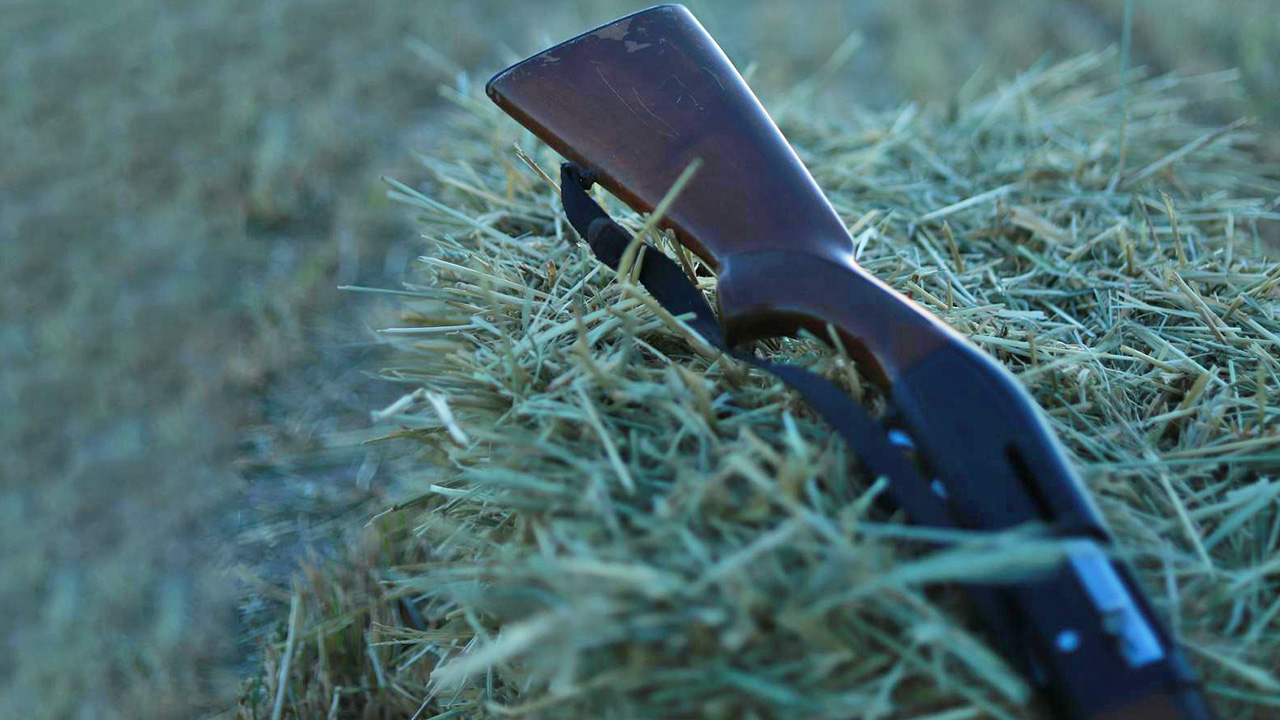
Shotguns that turn nighttime pest control into a guessing game
Photo credit: Sametraw/Pexels.com
Night work on a property is its own thing. Bad angles. Bad light. Animals moving fast. And you’re usually half awake, trying not to wake the whole house. A shotgun can be the perfect tool for that… or it can turn into a loud, confusing mess where you’re not even sure what you just hit.
Most of the problems aren’t “shotgun problems.” They’re setup problems. Here are the shotgun choices that make night pest control way harder than it needs to be.
Bead-only guns with no way to aim in real darkness
A front bead is fine when you can see the barrel and the target. At night, it can turn into “point and pray,” especially if you’re shooting into shadows near a fence line or brush.
If you’re using a shotgun for night work, you need a real aiming solution for low light—at minimum a solid light and a setup that lets you mount the gun the same way every time.
No light, or a weak light that lies to you
A cheap light that looks bright inside the house and then throws a dim, narrow beam outside is a classic trap. You think you can see, but you’re really guessing distance and target shape.
Use a dependable light with a beam that reaches past your “yard distance,” and mount it where you can hit it naturally without shifting your grip.
Lights mounted in the wrong spot so you lose your grip
If the light forces your support hand too far forward or too far back, your mount gets sloppy. Now recoil control gets worse, your follow-up is slower, and your patterns end up all over the place.
Mount the light where your hand naturally wants to live on the forend. If it makes the gun feel awkward, you’ll feel that ten times more at night.
Long hunting barrels that swing slow around buildings
A 28-inch barrel is great in the field, but around barns, gates, and tight corners it’s slower to bring on target and easier to bump into things. That bump can also spook animals before you ever get the shot off.
For property night work, a handier barrel length makes life easier. You want control, not extra inches.
A choke that makes patterns unpredictable up close
Some folks leave a tight choke in because it’s “better range.” Then they’re taking close shots at 10–20 yards and wondering why they’re missing or why the pattern is weird and patchy.
For night pests around the coop or garden, pick a choke that gives you a forgiving pattern at your real distances. Pattern it on paper so you’re not learning on animals.
Shotguns that kick so hard you lose the target
Hard recoil at night is worse than daytime recoil, because you lose your sight picture and your brain is trying to process what just happened. That’s how you end up unsure if you hit, unsure where it went, and unsure what’s behind it.
A controllable shotgun makes night work calmer and more accurate. If your gun beats you up, you’ll rush shots and hesitate on follow-ups.
Tiny “tactical” setups that blast your ears and scramble you
Short barrels and aggressive muzzle blast can be disorienting, especially without ear pro. In the moment, it can feel like a flashbang went off and now you’re trying to recover your senses.
If you’re going to run a short setup, understand what it does at night and plan around it. A little more barrel and a softer-shooting load can make a huge difference.
Pumps that are slick when wet, cold, or gloved
Night work often means gloves, dew, light rain, or sweaty hands. Some forends get slick and make you short-stroke when you’re moving fast. That’s how a pump turns into a single-shot at the worst time.
If you use a pump, make sure the forend gives you grip and practice cycling it hard under real conditions. Don’t wait until a critter’s running to find out you’re fumbling it.
Semi-autos that get picky when you’re shooting from odd angles
Night shots aren’t always a perfect, squared-up stance. You might be leaning around a door frame, shooting from a step, or braced against a post. Some semi-autos don’t love that, especially if you’re not mounting them firmly.
If your semi-auto is your night gun, test it in awkward positions. If it starts getting inconsistent, that’s not a “maybe.” That’s a sign to adjust your setup.
Cheap optics and mounts that don’t survive real use
If you slap a bargain dot or mount on a shotgun and it loses zero, flickers, or shifts after a few bumps, you’re right back to guessing. And at night, guessing goes bad fast.
If you want an optic, run one that’s built for recoil and mount it like you mean it. Then confirm it holds zero after real use—truck rides, bumps, and weather.