The “replacement cost” gap that leaves homeowners short after a loss—how to check your policy
Photo credit: Steve Bruckmann/Shutterstock.com
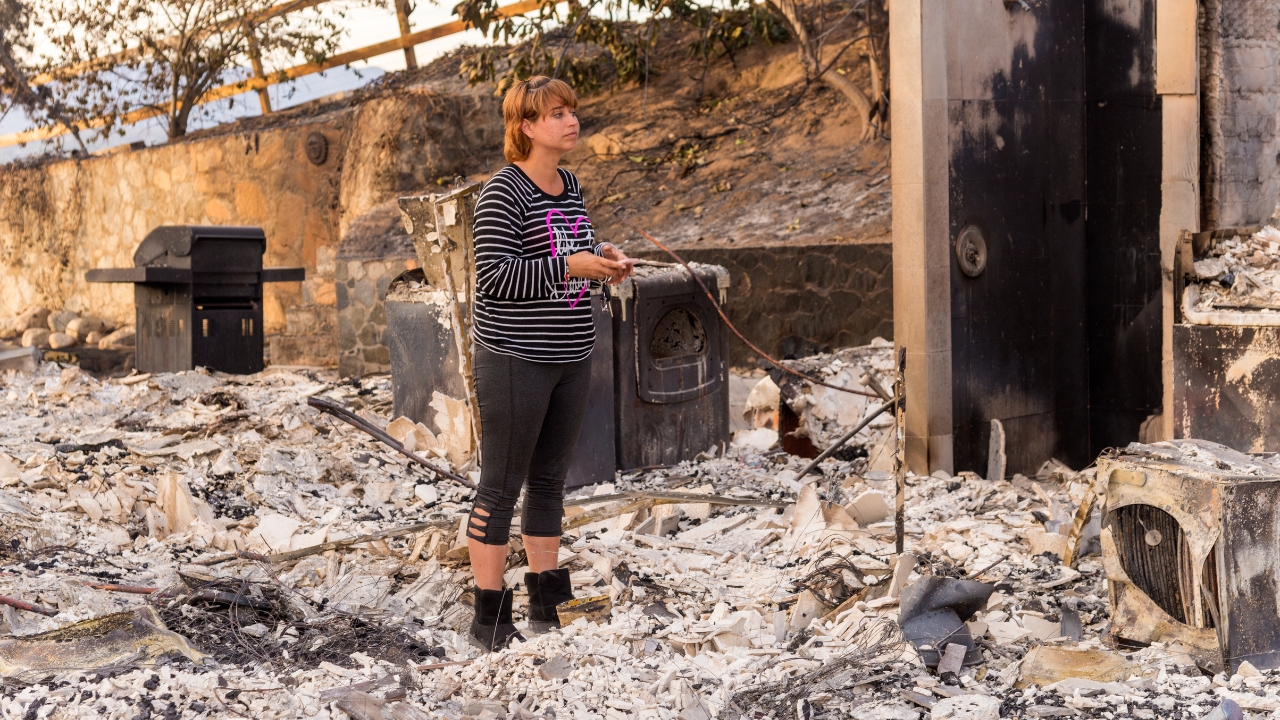
When a fire, storm, or burst pipe takes out your house, the number that matters most is not what your home would sell for, but what it costs to rebuild it from the ground up. The gap between those two figures is where many homeowners discover, too late, that their “replacement cost” coverage does not actually stretch far enough. If you want to avoid writing a five‑ or six‑figure check after a disaster, you need to understand how that gap happens and how to read your own policy before anything goes wrong.
Why the replacement gap is getting wider
You are buying home insurance into a market where the math is shifting under your feet. Construction labor and materials have climbed sharply, and insurers are still recalibrating after a period of elevated catastrophe losses, so the cost to rebuild a typical house has grown faster than many policy limits. Industry analysts describe how Affordability, Inflation and Replacement Costs have become central to pricing, with replacement expenses expected to stay higher in the near term even as some pressures stabilize. That means a dwelling limit that looked generous a few renewals ago can quietly become inadequate, especially if you have not updated it after renovations.
At the same time, climate risk is reshaping where and how insurers are willing to take on exposure. Forecasts for 2025 highlight how The effects of climate change are driving more frequent and severe weather losses, and that is feeding directly into higher premiums and stricter underwriting. Another analysis notes that Rising material costs and pressure on insurers’ catastrophic loss reserves are a major reason your bill is going up. Those same forces also mean the check you would need to rebuild after a covered disaster is larger than it used to be, which is exactly where the replacement cost gap can open up.
Replacement cost, market value, and actual cash value
The first step in spotting a shortfall is understanding what your insurer means by “replacement cost.” In plain terms, replacement cost is the money required to repair or rebuild your entire home at today’s prices, without subtracting for age or wear, which is how one major carrier defines replacement cost vs. market value. That is very different from market value, which includes the land and reflects what a buyer would pay in your neighborhood, and it is also different from policies that only pay what your house was worth after depreciation. Regulators describe Replacement Cost Value (RCV) as the amount needed to repair your home at today’s prices or replace it with a similar one, while actual cash value coverage subtracts depreciation and can leave you thousands short.
Confusion between these concepts is one reason so many households are underinsured. A recent survey cited in a consumer report found that Even if your policy is written on a replacement cost basis, your Coverage A dwelling limit may still be too low, and only 1 in 12 homes in one state had full replacement protection according to the Policygenius survey referenced there. Another insurer warns that you want to avoid a situation where your dwelling limit is based on what you paid for the house instead of what it would cost to rebuild, stressing that You want to avoid a policy that tracks market value or mortgage balance rather than true reconstruction costs. If you are not clear which definition your contract uses, you are already at risk of a painful surprise.
How to read your policy for hidden shortfalls
To see whether your coverage would actually rebuild your home, you need to start with the paperwork you already have. Your declarations page is the snapshot of your policy, and experts advise that you Check your declarations page and Look for terms like “replacement cost,” “actual cash value,” and the specific dollar limit for Coverage A, which is your dwelling. If you see language pegging coverage to “market value” or a suspiciously round number that matches your purchase price, that is a red flag that your limit may not reflect current building costs. You should also scan for sublimits on items like roofs, detached structures, or code upgrades, which can quietly cap what you receive even under a replacement cost policy.
Once you know what your contract promises, compare that limit to a realistic estimate of what it would cost to rebuild. One guide explains that How to estimate your home insurance replacement cost starts with square footage and local construction costs, but it should also factor in features like custom finishes or complex layouts. Another insurer emphasizes that It’s important to have a dwelling limit that reflects the full cost to rebuild your home, not just what you owe on your mortgage, and that you should revisit that figure regularly. If your current limit falls well below a fresh estimate, you have identified the core of your replacement cost gap.
Estimating what it would really cost to rebuild
Getting that estimate right is more than a back‑of‑the‑envelope exercise. One practical approach is to use a per‑square‑foot method, where you multiply your home’s size by a realistic local building cost, and a detailed explainer on The simplest way to estimate replacement cost walks through how a 2,200 square foot home at $100 per square foot would require $220,000 of coverage. That is only a starting point, though, because specialty materials, complex roofs, or high‑end kitchens can push your true cost far higher than a generic calculator suggests. A more thorough method is to Get an Appraisal focused on reconstruction, which can account for your area’s ordinances and building costs instead of relying on national averages.
Your insurer will often run its own model, but you should not treat that number as infallible. A detailed guide on How to insure your home at its replacement cost notes that Most major carriers use software to estimate rebuilding expenses, yet those tools can lag behind real‑time spikes in labor or lumber. Another resource on Your home’s RCV underscores that local appraisers may have a better handle on zoning changes or code requirements that force more expensive upgrades. If you recently added a finished basement, a second story, or a high‑efficiency HVAC system, you should also confirm that those Additions or enhancements are reflected in your coverage, because they directly increase the cost to rebuild your home.
Why premiums are rising even as coverage falls short
One of the most frustrating realities for homeowners is that premiums are climbing even when coverage is not keeping pace. Analysts of 2025 pricing trends point out that Construction costs are expected to remain elevated, and that is forcing insurers to rebuild their catastrophic loss reserves after a run of expensive storms and wildfires. Another breakdown of why Why Did My Homeowners Insurance Go Up In 2025 highlights how Rising material costs and labor shortages are pushing up the price of every claim, which inevitably feeds into what you pay. The result is a squeeze where you may be paying more each year for a policy that still would not fully rebuild your home after a total loss.
Insurers are also tightening the screws on specific risk factors, which can further complicate your protection. A recent trends report notes that As a result of higher storm losses, Insurers have adopted more stringent roof guidelines and requirements, placing greater emphasis on roof age and condition to reduce the likelihood of large, costly claims. That can mean higher deductibles or lower limits for older roofs, even under a replacement cost policy. Another consumer explainer from a major carrier reminds you that What you pay is tied directly to the amount of insurance you buy, so trimming your dwelling limit to save on premiums can backfire badly if a disaster hits. In this environment, the only way to know whether your higher bill is buying enough protection is to run the numbers yourself.
Closing the gap: endorsements and smarter coverage choices
Once you know your shortfall, you have a few levers to pull. The most straightforward is to raise your Coverage A limit so it matches a realistic rebuild estimate, even if that means absorbing a higher premium. Some carriers also offer extended or guaranteed replacement cost endorsements that add a cushion above your stated limit, and one explainer notes that Many homeowners discover their home insurance coverage shortfall only when they file a claim, at which point it is too late to add guaranteed replacement cost to cover an expensive rebuild. If your insurer offers that kind of endorsement, it can be a powerful hedge against sudden spikes in construction costs after a regional disaster.
You should also look at how your broader policy structure supports or undermines your dwelling coverage. Guidance on Evaluate Your Current Coverage advises you to Start by reviewing your existing homeowners insurance to understand your dwelling limits, deductibles, and exclusions before layering on any gap coverage. Another resource on Replacement cost vs market value underscores that When you insure your home, you should focus on the cost to rebuild, not what you could sell it for, and adjust your policy accordingly. If you are unsure how to translate that into a specific number, a detailed guide on How To Calculate the Replacement Cost of a Home and another on Aug replacement cost methods can give you a framework to bring to your agent. The goal is simple: you want your policy to be written for the house you would have to rebuild tomorrow, not the one you bought years ago.
Like Fix It Homestead’s content? Be sure to follow us.