Replacement cost vs. actual cash value: what your policy really pays for (and what it won’t)
Photo credit: Mikhail Nilov/Pexel.com
When a storm, fire, or burst pipe wrecks your home, the most important line in your policy is not the deductible, it is whether your payout is based on replacement cost or actual cash value. That quiet distinction determines whether you can rebuild close to what you had or are left patching together a budget version of your old life. Understanding how each option really works, and what they will not cover, is the difference between a policy that looks good on paper and one that actually protects you.
The language is technical, but the stakes are very practical: will your insurer cut a check big enough to buy new cabinets, a comparable roof, or a replacement TV, or will depreciation and coverage gaps leave you writing a second, much larger check of your own? Once you see how these two approaches diverge in a real claim, you can decide what you are willing to pay in premiums and what financial risk you are prepared to keep on your side of the ledger.
Actual cash value: the “garage sale” version of your stuff
Actual Cash Value, often shortened to ACV, is built on a simple idea: your property is worth what it would sell for today, not what you paid for it. Insurers calculate this by taking what it would cost to replace an item and then subtracting depreciation for age, condition, and obsolescence, so the payout reflects its current value rather than the price of a brand new version. One major guide explains that Actual cash value coverage often does not provide enough money to fully replace damaged belongings, which is exactly why it tends to come with lower premiums.
Regulators describe Actual Cash Value as the amount needed to fix your home minus the decrease in value from age or wear, and they note that ACV is also called depreciated value when it is applied to personal property. Another consumer explainer likens ACV to “garage sale pricing,” where the payout reflects what someone would realistically pay for your used table saw or sofa, not what it costs to buy a new one, which is why One way to think about ACV is to imagine what your belongings would fetch on your driveway rather than at a big-box store.
Replacement cost: paying to rebuild at today’s prices
Replacement cost coverage flips that logic around and focuses on what it takes to put you back in roughly the same position you were in before the loss, using current prices. Instead of discounting for age, the insurer agrees to pay what it costs to repair or rebuild your home and replace belongings with new items of similar kind and quality, up to your policy limits. One detailed comparison notes that Replacement Cost Coverage pays the cost of repairing or replacing damaged property without subtracting depreciation, while Actual Cash Value Coverage only pays the depreciated amount.
Home insurance specialists describe Replacement Cost Value, often shortened to RCV, as the amount of money needed to repair your home at today’s prices for building supplies or to replace it with a similar new structure, and they emphasize that Replacement Cost Value coverage can also apply to your belongings if your policy is written that way. Another breakdown of the Comparing RCV and ACV distinction underscores that the key difference is how depreciation is handled, with RCV ignoring it and ACV subtracting it, which is why RCV usually leads to higher payouts but also higher premiums.
How the math works in a real claim
The gap between these two approaches becomes painfully clear when you run the numbers on a specific loss. Under an ACV policy, the insurer starts with what it would cost to replace the item today and then subtracts depreciation, so the formula looks like Replacement Cost minus Depreciation, which one insurer spells out explicitly as the Calculation for What Is Actual Cash Value, or ACV. If a hailstorm destroys a 15‑year‑old roof that would cost $20,000 to replace, and the insurer applies 50 percent depreciation, your ACV payout before the deductible might be only $10,000, leaving you to fund the rest.
With replacement cost coverage, the same roof loss is handled very differently. The insurer agrees to pay what it costs to replace the roof with materials of similar quality, without factoring in depreciation, so your payout is based on the full $20,000 replacement cost, minus your deductible. One consumer guide explains that Replacement Cost coverage is designed to let you repair or rebuild your property with new items, while Actual Cash Value coverage only reimburses you for what those items were worth at the time of the loss. Another breakdown of Actual Cash Value and ACV coverage notes that replacement cost is meant to cover rebuilding your home at today’s construction costs, which have climbed sharply in many markets, so the difference between ACV and RCV can easily reach tens of thousands of dollars on a major claim.
What your policy really pays for (and what it will not)
Once you understand the math, the next step is to look at how your own policy is structured, because the label on the declarations page does not always tell the whole story. Some policies provide replacement cost on the structure but only ACV on personal property, which means your walls and roof may be rebuilt at today’s prices while your furniture and electronics are reimbursed at “garage sale” values. One consumer explainer on Difference Between Replacement Cost and Actual Cash Value notes that, generally, replacement cost is the cash amount needed to replace damaged property so you can have a new replacement, while ACV only gives you the depreciated amount, which is why you need to check which standard applies to each coverage line.
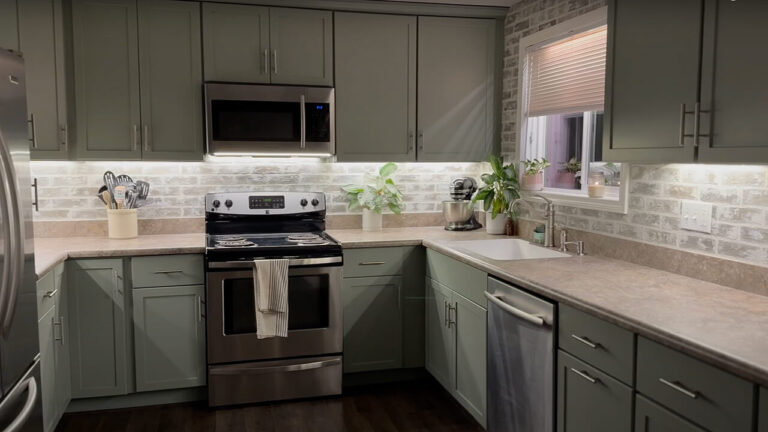
Even when you have replacement cost, the promise is not unlimited. Your payout is still capped by the coverage limit you chose, and it is subject to your deductible and any special sublimits for categories like jewelry, art, or business equipment. A detailed overview of Actual cash value vs. replacement cost points out that while replacement cost coverage is more generous at claim time, you are likely to pay more in premiums, which is why some homeowners accept ACV on lower‑value items and reserve replacement cost for the structure and big‑ticket belongings. Another breakdown of What Is Replacement Cost Coverage underscores that this type of coverage pays to replace damaged property, such as new cabinets at today’s cost, unlike actual cash value coverage, which only pays what the old cabinets were worth when they were damaged by a covered peril.
Premium tradeoffs, endorsements, and hidden gaps
Insurers price these choices accordingly, so you are always trading a richer claim check later for a higher bill now. ACV policies usually come with lower premiums because the insurer’s obligation is limited to depreciated values, while replacement cost coverage costs more because the company is on the hook for full current prices. One breakdown of ACV coverage notes that policies using actual cash value typically have lower premiums than those for replacement costs coverage, which is why they are often marketed to budget‑conscious homeowners or those insuring older properties.
On the other side of the ledger, replacement cost coverage is often framed as the more protective choice, especially in an era of volatile construction costs. One overview of In the event of claimable damage explains that replacement cost insurance covers the cost of rebuilding or repairing a home and replacing personal property at current prices, including improvements you have made in your home, which can be critical if you have recently renovated a kitchen or added a deck. Another guide to Replacement Cost (RC) in commercial insurance notes that this type of coverage pays to repair or replace property with new items of similar kind and quality so a business can be operational again after a loss, a principle that applies just as clearly to a household trying to get back on its feet.
Beyond basic replacement cost: extended and guaranteed options
For homeowners worried that even replacement cost limits might fall short, especially in areas where labor and materials can spike after a catastrophe, there are add‑ons that push the ceiling higher. Extended Replacement Cost coverage provides up to an additional specified percentage above the replacement cost if the claim is greater than the amount listed on the policy, which one advisory explains as Extended Replacement Cost that can help when rebuilding costs surge relative to the insured amount. Another expert commentary on a Home Replacement Cost Valuation Guide notes that this coverage provides additional protection over and above the replacement cost of the home stated on the policy, offering higher coverage limits for an additional premium, which can be a crucial buffer in fast‑rising markets.
Historically, some policies even promised to pay whatever it took to rebuild, regardless of the stated limit, but those arrangements have become rarer. One analysis of policy language points out that for a number of years, replacement cost was provided on a guaranteed basis, meaning that if the replacement costs exceeded the limit of liability, the insurer would still pay the full amount needed to rebuild, but that many modern contracts no longer come with replacement cost on a guaranteed basis, a shift highlighted in the discussion of how For a number of years, replacement cost was handled. At the same time, consumer‑facing experts like Jennifer Lobb, a former lead editor at Kin and a home insurance expert, stress that you should confirm whether your dwelling, your personal property coverage, or both are written on a replacement cost basis, because the label on the front page does not always match the fine print.
How to choose between ACV and replacement cost for your home
Choosing between ACV and replacement cost is ultimately a budgeting decision, but it is one you should make with clear eyes about the consequences. If you opt for ACV, you are accepting that a major loss will likely require a significant out‑of‑pocket contribution, because your payout will be based on depreciated values that may not come close to current prices for lumber, labor, or appliances. One insurer’s explanation of After a loss, ACV coverage notes that actual cash value pays what your property is worth today, factoring in age, condition, and obsolescence, which can be a harsh surprise if you have not priced out a new roof or HVAC system lately.
If you choose replacement cost, you are paying more now to shift that risk back to the insurer, but you still need to be sure your limits are high enough and that you understand how claims will be paid. One detailed explanation of What replacement cost value is notes that RCV is the amount it costs to replace your property with new property of similar kind and quality, minus your deductible, to cover the damage, which is only as good as the coverage limit you set. Another consumer‑focused breakdown of ACV and replacement cost reminds you that, generally, replacement cost is the cash amount needed so you can have a new replacement, while ACV leaves you with the depreciated amount, a tradeoff you should revisit whenever you renovate, add a room, or see construction costs spike in your area.