If your installer says “we’ll send paperwork later,” what to ask for before they leave
Photo credit: Drazen Zigic/Shutterstock.com
When an installer packs up and promises to “send the paperwork later,” what you do in the next five minutes can determine how smoothly your system runs, how easily you handle future repairs, and even whether insurance or inspectors sign off on the work. Treat that moment as your last, best chance to collect proof of what was done, who did it, and what you are owed if something fails.
Instead of letting the crew roll away with vague assurances, you can walk through a short, pointed checklist that leaves you with contracts, manuals, photos, and signoffs in hand. With a little structure, you turn a casual goodbye into a proper closeout that protects your home and your wallet.
Lock in the basics: contracts, scope, and contact details
Your first priority is to make sure the paperwork you already agreed to is complete, signed, and matches what was actually installed. Before anyone leaves, ask for a copy of the final contract or work order that shows the installer’s business name, address, phone number, and license number, along with the exact scope of work and price. Guidance on hiring contractors stresses that Your independent contractor agreement should clearly spell out the contractor’s name, address, phone, and the work to be performed, and you want that same clarity at the end of the job, not just at the beginning.
Next, compare what is on paper with what is now bolted to your wall, buried in your yard, or wired into your panel. If the contract lists a 3‑ton heat pump and you see a different model number on the unit, or if you were promised a dedicated circuit and do not see it labeled in the breaker box, ask the installer to update the paperwork or explain the change in writing. Treat this like a mini closing: just as buyers are told to Bring their purchase agreement to a final walk‑through and verify that what is on the page matches what is in the house, you should be cross‑checking your installation against the signed scope before you let the truck pull away.
Capture proof of the work: photos, manuals, and system details
Once the basics are squared away, you need a record of what was actually installed and how. Ask the installer to walk you through the equipment and label key components, then take clear photos of model and serial numbers, shutoff valves, cleanouts, and any hidden junctions or access panels. Utility and excavation specialists emphasize that homeowners should Document the Work Completed because Keeping a detailed record of the work can help with future maintenance, troubleshooting, and even disputes about what lies under your lawn or behind your drywall.
Do not let them leave the manuals in the truck or promise to email them “later.” Ask for physical or digital copies of installation manuals, user guides, and any maintenance schedules, and confirm that they match the exact models on site. Technicians themselves note that You definitely should have the manuals for your new HVAC system, and Many companies also leave service history stickers or labels on equipment to track future visits. If your installer does not automatically provide those, ask them to add a sticker with the install date, company name, and a service phone number so the next technician, or a future buyer, can see the system’s story at a glance.
Secure warranties, inspections, and code compliance
Verbal assurances about “a ten‑year warranty” are worthless if you cannot prove what was covered and when it started. Before the crew leaves, ask for written warranty documents for both labor and equipment, including any registration steps you must complete and deadlines for doing so. HVAC experts advise that After installation is complete you should receive warranty details and documentation about system performance and functionality, and that same standard should apply whether you are installing a furnace, a tankless water heater, or a new electrical subpanel.
At the same time, clarify what is required for inspections and permits, and who is responsible for scheduling them. For larger projects, local rules often require Certificates and Permits to be in place before a job is considered complete, and the most important is the Certificate of Occupancy, which will not be issued until inspectors confirm that the work meets code. Ask the installer whether they have already pulled the necessary permits, whether a final inspection is needed, and whether you will receive copies of any inspection reports or a Certificate of Occupancy once the work passes. If they say they will “handle it,” press for dates and a clear explanation of what paperwork you will receive so you are not left chasing city hall months later.
Run a real walk‑through, not a quick glance
Before you sign off on the job, insist on a full walk‑through that mirrors the discipline of a homebuyer’s final inspection. You are not just looking to see that something is installed, you are checking that it works as promised and that the space is left in the condition you expected. Homebuyers are advised to Bring their purchase agreement to a final walk‑through and confirm that all included items are present and functioning according to the manufacturer’s specifications, and you should bring your contract and any design drawings to your own post‑installation tour for the same reason.
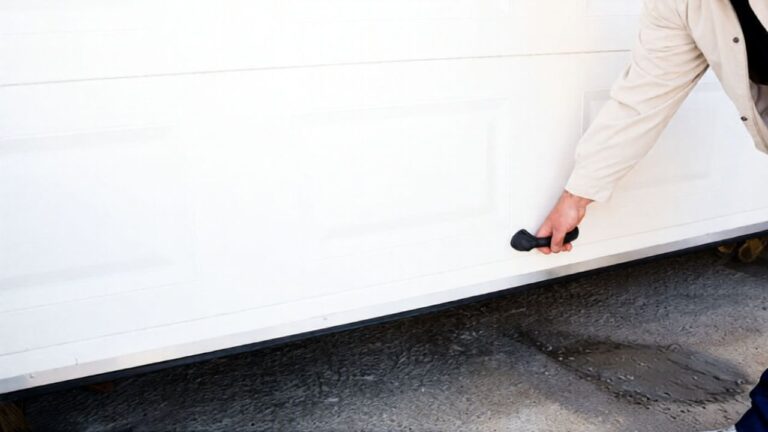
As you move through the space, test every feature you can: run the new mini‑split in heating and cooling modes, flush the toilet that was just reset, open and close the new garage door from the wall button and the app, and verify that any new outlets or lights are live and labeled. If you see damage to finishes, leftover debris, or missing trim, point it out on the spot and ask the installer to note it on the final invoice or punch list. Construction pros describe the closeout as a Smooth Transition to the operations Phase, where subcontractors are responsible for completing their scope and ensuring a smooth handover of their work. Your walk‑through is your chance to make sure that handover actually happens, with no loose ends hidden behind a polite goodbye.
Think like the next owner: leave a paper trail that outlives you
Even if you plan to stay put for years, the next owner of your home will eventually inherit whatever you install today, and the quality of your records can shape how they view your stewardship. Sellers who have gone through this process describe how they Tried to leave extra tiles, vinyl planks, and documentation as a courtesy to buyers, and how those small gestures made the transition easier. If you gather complete paperwork now, you can someday hand over a tidy folder or shared drive with manuals, permits, photos, and service history instead of a shrug and a guess about when the water heater was installed.
To make that future handoff simple, assemble everything you collected from the installer into a single, organized package. Include the signed contract, change orders, warranty documents, inspection reports, and a simple log of any follow‑up visits or repairs. Label digital files clearly and back them up in cloud storage alongside photos of the finished work and any hidden infrastructure. Utility and construction checklists stress that Keeping thorough documentation can help with future maintenance requirements and reduce confusion about what was done and when. If your installer tries to leave with a vague promise to email “something” later, you now have a clear, practical list of what to request before they ever reach the curb.
Like Fix It Homestead’s content? Be sure to follow us.