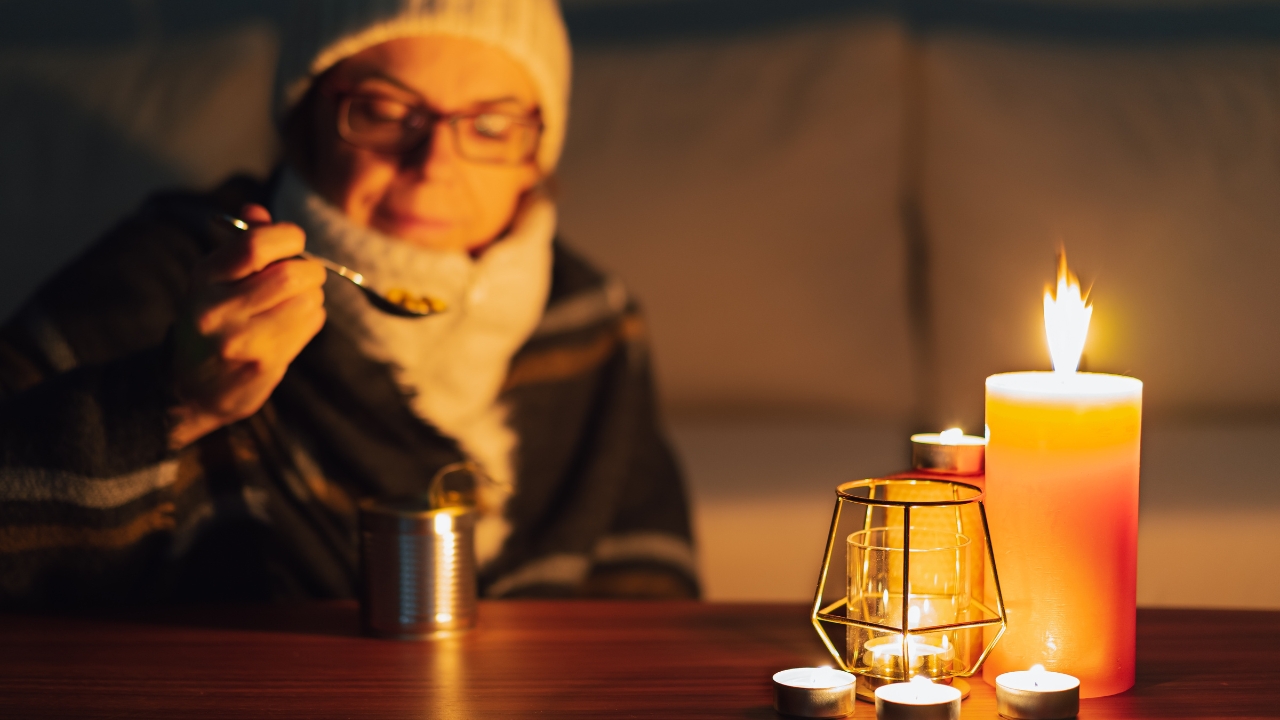
A winter outage hits at night, the 10-minute setup that keeps things from getting risky
Photo credit: Sevda Ercan/Shutterstock.com
When the power cuts out on a freezing night, the real danger is not the darkness, it is how quickly your home can lose heat and how fast small mistakes can snowball into real risk. With a simple, deliberate setup you can complete in about ten minutes, you can shift from scrambling in the dark to calmly protecting your family’s warmth, safety, and sanity until the lights come back.
The key is to think like a winter field commander: you are not trying to save the whole house, you are trying to secure one safe, livable pocket where you can ride out the outage without flirting with hypothermia, fire hazards, or carbon monoxide. That starts with a few fast moves the moment the power dies, backed by a little prep you can do long before the next storm hits.
First 10 minutes: safety, light, and a single warm zone
Your first move in a winter outage is not to hunt for candles or fiddle with the thermostat, it is to account for people and stabilize the space. In the opening minutes, you should pull everyone into one area, keep kids close, and calmly explain what is happening so no one wanders off in the dark. Treat those first Minutes 1–2 as your window to establish Safety and Light: Locate family members, check on older relatives or roommates, and Find your flashlights and power banks before you start worrying about comfort.
Once everyone is together, your next ten-minute priority is to shrink your battlefield. Instead of trying to keep the whole house livable, you should Isolate and insulate one room, ideally a smaller interior space with few windows and a door that closes tightly. Guidance on how to keep your home warm in an outage is blunt: Don’t try to heat your entire house, it is inefficient and nearly impossible without your furnace, so you should walk around your house and Close Off Rooms that You Don’t Use, especially those that are major sources of heat loss, then concentrate your efforts on a single warm zone where you can stack blankets, sleeping bags, and body heat for maximum effect, as detailed in advice on how to keep your home warm during a power outage.
Locking in heat: the micro‑climate that buys you hours
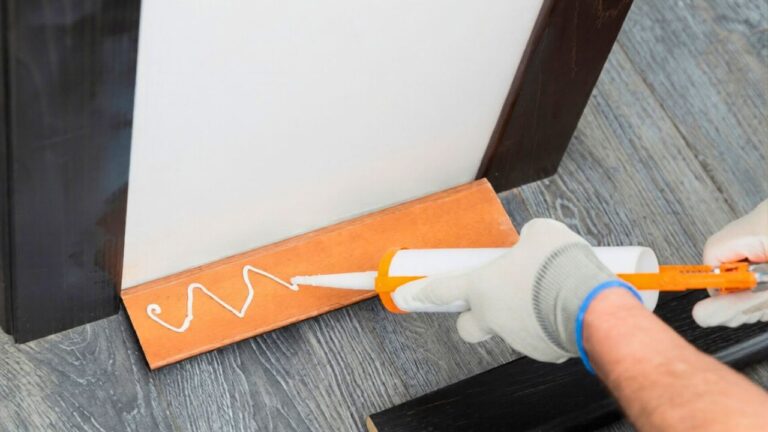
After you have chosen your room, your goal is to turn it into a micro‑climate that leaks as little heat as possible. That starts with the basics: Close Off Rooms that You Don’t Use, roll towels or spare clothes along the bottom of doors, and hang extra blankets or tarps over windows and open archways to cut drafts. Energy specialists who outline Simple Ways to Heat a Room Without Electricity stress that there is no point in paying to heat rooms you do not use, and the same logic applies when the grid is down, so you should focus on sealing the warm zone and letting the rest of the house go cold.
Inside that room, you are not trying to recreate central heating, you are trying to trap every bit of warmth your bodies and gear can produce. Preppers who have lived through long outages point out that you often Not need anything other than blankets and jackets, especially if you layer up and share body heat under a shared quilt or in a makeshift blanket tent. One detailed thread on how to keep warm when the power goes off recommends a simple recipe of layered clothing, insulated sleeping bags, and a compact heat source like a small propane stove, with careful attention to ventilation and the ability to refill the small Coleman bottles, as described in the discussion on how can I keep myself warm if the power goes off.
Heat without a furnace: safe, low‑tech warmth
Once your warm zone is sealed, you can think about adding safe, low‑tech heat. The most important rule from cold‑weather outage guidance is simple: Don’t try to heat your entire house during a power outage, it is inefficient and nearly impossible without your furnace, so any emergency heating method should be sized to your one room and used with strict safety habits. Practical guides on emergency heating methods emphasize that you should treat windows and unused rooms as major sources of heat loss and instead rely on compact, controllable sources like hot water bottles, hand warmers, or a properly vented gas heater rated for indoor use.
Community advice from people who prep for blizzards echoes the same principle: Minimize the space you are heating, Make a blanket tent or set up a camping tent inside your chosen room, and Stick in small, safe heat sources like body‑heat, hot drinks, or a carefully monitored stove rather than trying to warm the entire structure. One popular thread on what to prep for a power outage in a blizzard walks through how a simple tent inside your living room can trap warmth far more effectively than cranking a risky heater in a big open space, which is why seasoned preppers urge you to Minimize the space you are heating before you ever strike a match.
Layering, gear, and the “no‑candle” rule
Your clothing is your first heating system, and it keeps working even when the grid does not. Cold‑weather safety experts advise you to Dress warmly, in layers, starting with a moisture‑wicking base, then an insulating middle layer, and finally a wind‑blocking shell, so that even if the room cools, your core temperature stays stable. Guidance on how to handle a power outage in cold weather also warns you to unplug sensitive electronics to protect them from surges when power is restored and to think ahead about Why it is important to maintain an HVAC system before winter so that when the power is on, your furnace is ready to carry the load again, as explained in resources on how to handle a power outage in cold.
At the same time, you need to be ruthless about fire risk. The American Red Cross power outage checklist is explicit: keep a Flashlight handy and NOTE that you should not use candles during a power outage due to the extreme risk of fire, and instead rely on Battery powered lanterns and headlamps. Preppers who specialize in winter outages put it even more bluntly, warning that Candles are good for burning down houses and urging you to Buy a fire blanket, focus on Warmth in power outages through layered clothing and smart room setup, and keep Some ideas like battery lanterns, LED puck lights, and reflective emergency blankets in your kit, as laid out in advice on winter power outage prep.
The 10‑minute kit: what you should have ready before the lights go out
The only reason a ten‑minute setup works in the dark is because you invested a few quiet minutes when the power was still on. Federal emergency planners recommend that you Preparing for a Power Outage by taking an inventory of the items you need that rely on electricity, then Plan for backup batteries and alternatives so you can keep you, your family and pets safe when the grid fails. Official guidance on Preparing for a Power Outage also stresses that you should know how to safely use Appliances During Power Outages and avoid opening refrigerators and freezers more than necessary to preserve food.
Home‑improvement experts suggest building an Emergency Winter Power Outage Kit that includes Food and water for each household member for three to five days, Solar, car, or hand‑crank chargers for phones, and basic tools like a manual can opener and extra blankets. A detailed guide on how to prepare for a wintertime outage walks through how an Emergency Winter Power Outage Kit can be staged in one bin near your likely warm zone so that when the power fails, you can grab it and go without rummaging through closets.
Generators, grab‑and‑go bags, and when to invest in gear
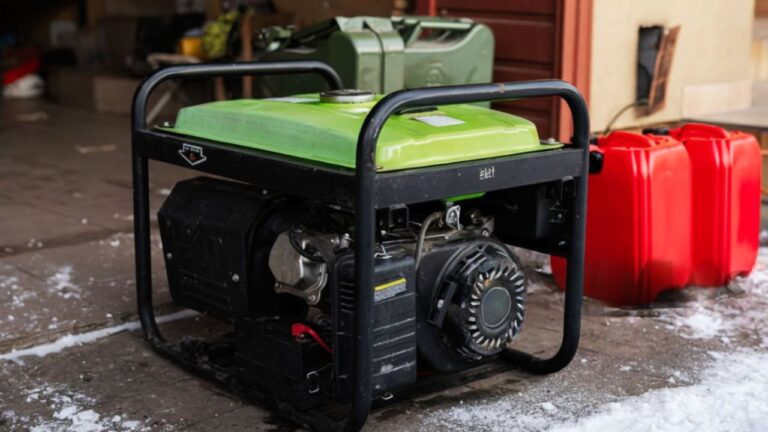
If you already own a generator, your outage plan should include keeping it ready long before the first snow. Specialists in winter power planning advise that you Change the oil and air filter, Check the spark plug and fuel lines, and Test start the unit periodically so you are not discovering a problem in the middle of a storm. They also recommend that you Build a Winter Emergency Preparedness list that includes pet supplies and fuel storage, as outlined in guidance on 5 essential ways to prepare your home for winter power outages, and that you always run generators outdoors, far from windows, to avoid carbon monoxide buildup.
For many households, a pre‑packed blackout bag is a faster, cheaper way to get ready. Commercial kits like the Ready America Emergency Grab ‘n Go 2 Person Fire/Blackout Kit are built around the idea that you Dont be caught unprepared in the event of a blackout, a fire, or any other emergency situation, bundling light, basic first aid, and simple tools into an easy‑to‑grab backpack, as described in product listings for the Ready America Emergency Grab ‘n Go 2 Person Fire/Blackout Kit. Higher‑end options like the Premium Power Outage Emergency Kit promise an all‑in‑one solution for light, communication, and comfort, packaging lanterns, radios, and other essentials so you can be ready for any emergency, as outlined in descriptions of the Premium Power Outage Emergency Kit.
If you prefer to assemble your own, you can still borrow from those checklists. Retail listings for the Ready America Emergency Grab ‘n Go 2 Person Fire/Blackout Kit highlight how a single backpack can consolidate flashlights, batteries, and basic supplies, and you can use those details as a template when you search for the same product to compare prices or components. The same approach works for the Premium Power Outage Emergency Kit, where product pages spell out exactly which lanterns, radios, and comfort items are included so you can either buy the bundle or build your own version after reviewing the product details.
Practicing the routine before winter hits
Even the best gear will not help if you have to think through every step in the dark. That is why seasoned cold‑weather planners suggest a short dry run before the first real storm, treating it almost like a family fire drill. You can rehearse the same sequence that experienced preppers and emergency educators recommend in their videos on staying warm during a winter power outage, where they walk through 7 Ways to Stay Warm During a Winter Power Outage and emphasize that none of these are going to involve going out and buying some big huge piece of equipment, you should be able to do most of it with what you already have, as demonstrated in the walkthrough at 7 Ways to Stay Warm.
During that practice run, time yourself: can you gather everyone, light the room with flashlights, and set up your warm zone in ten minutes or less, using only the supplies in your kit and the layers in your closets. Use the Red Cross Power Outage Checklist as a reference to confirm that your Flashlight, NOTE about avoiding candles, and Battery powered radios or lanterns are all in working order, and adjust your setup until it feels almost automatic, guided by the detailed recommendations in the Power Outage Checklist. When the real winter outage hits at night, that muscle memory is what turns a chaotic scramble into a calm, ten‑minute routine that keeps a cold inconvenience from becoming a real emergency.
Like Fix It Homestead’s content? Be sure to follow us.