How to run a fridge and a heater safely during an outage without guessing your load
Photo credit: Coldsnowstorm/istock.com
When the lights go out in winter, you are not thinking in abstract kilowatts, you are thinking about food spoiling and rooms turning cold. Running a fridge and a heater from backup power is absolutely possible without guesswork, as long as you translate those worries into real numbers and follow a few non‑negotiable safety rules. With a little planning before the next storm, you can keep both comfort and caution front and center instead of gambling with overloaded cords and humming mystery loads.
Know what your fridge and heater really draw
The first step to running a refrigerator and heater safely is to stop treating them as black boxes and start treating them as specific loads. A typical modern fridge uses between 300 to 800 watts while running, but it can briefly spike higher when the compressor starts. Some guidance for generator users notes that a Refrigerator or freezer can demand around 1,800 watts at startup, which is why a unit that seems modest on paper can still trip a small backup system if you underestimate it.
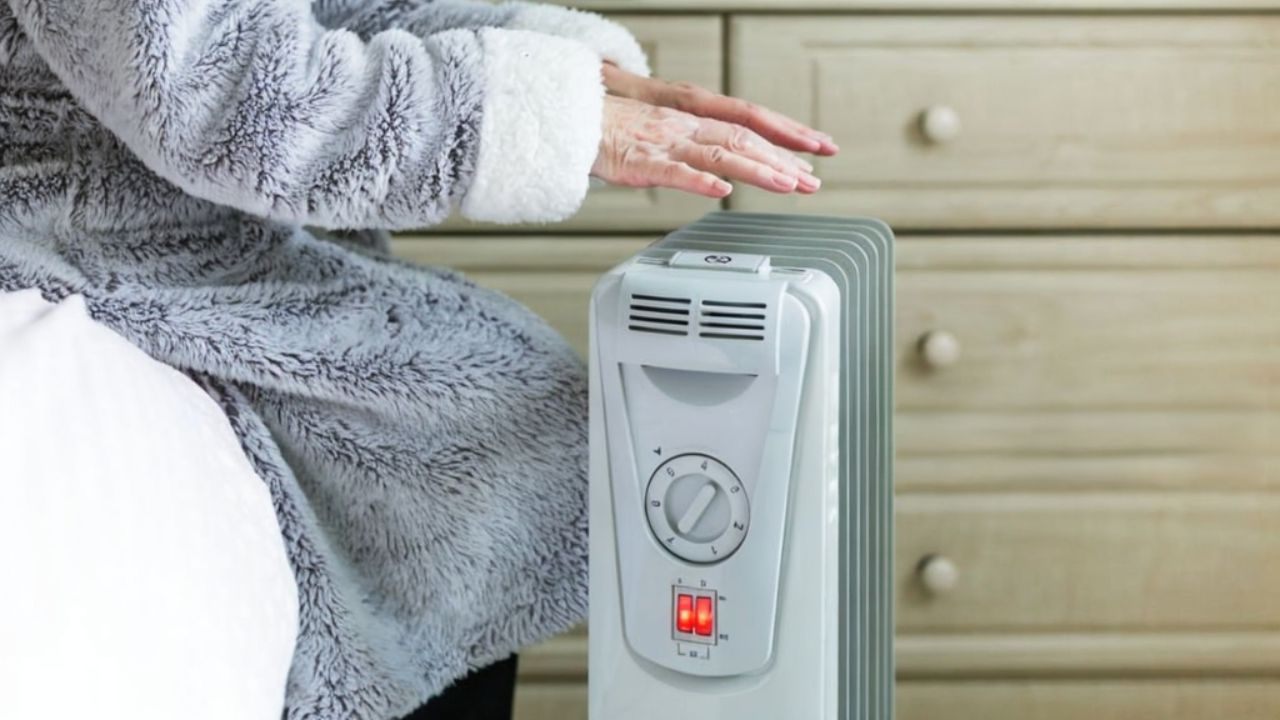
Your heater is the other half of the equation, and its appetite depends heavily on type. A small oil-filled space heater might draw 600 to 900 watts on a low setting, while a typical portable electric heater often pulls 1,500 watts at full power, and a central electric furnace can go far beyond what a compact generator or power station can handle. To avoid guessing, look at the Appliance label or owner’s manual for the wattage or amps, then convert amps to watts by multiplying by voltage, a method that federal energy guidance recommends for estimating appliance energy use.
Turn “no idea” into a simple load plan
Once you know the numbers for your fridge and heater, you can build a quick load plan that replaces panic with a checklist. Start by listing every device you want to run, then write down the running watts and any higher starting watts, a process backup specialists recommend when explaining how to prevent generator overload. Add the running watts for your Refrigerator, heater, and any essentials like a modem or a lamp, then compare that total to the continuous rating on your generator or power station, not the surge rating printed in big type on the box.
Major manufacturers walk through similar math when they explain that you should start by calculating the total wattage required for all Appliances before you plug them into backup power. That means you do not just eyeball it, you Add the wattage from each Appliance nameplate, then decide what can stay off so your fridge and heater have room to breathe. If your numbers are tight, you can rotate loads, for example running the heater for 20 minutes while the fridge stays closed, then switching the heater off while the compressor cycles, instead of trying to run everything at once.
Match your backup source to the job
With a rough load plan in hand, you can decide whether a portable generator, a battery station, or an inverter system is the right tool for your outage strategy. Guidance on how to calculate backup power needs stresses that you should first identify which circuits or appliances you truly need, then size your backup in kilowatts to cover that peak demand. For many households, that means accepting that a small gasoline generator can keep a fridge cold and a room heater running, but not an electric range or whole-house HVAC at the same time.
Battery-based options have become more realistic for this specific pairing of loads. Some manufacturers describe Jackery Solar Generator Plus systems with extendable capacity up to 24 kWh that can sustain a refrigerator and other essentials through a winter outage, especially when paired with solar recharging. Retail experts also point to Portable Power Stations as a clean, quiet way to run a Modern fridge, particularly if you keep the door closed so it maintains safe temperatures longer between compressor cycles.
Use real-world examples, not rules of thumb
It is tempting to rely on folklore like “a 2,000 watt generator can run anything important,” but real-world examples show why you should still do the math. In one Comments Section discussion, a Top Commenter explains that a 3 kW inverter unit is plenty for a fridge, a few lights, and a small heater, but only if you avoid stacking other big loads “in between.” That kind of anecdote lines up with the formal guidance: your backup source can feel huge on paper and still stumble if a Refrigerator with a high starting wattage kicks on at the same moment your heater is at full blast.
Professional sizing advice for homeowners echoes this, urging you to start by understanding your power needs in terms of specific appliances, from a Computer at 200 to 1,000 watts to larger loads like pumps or furnaces. Solar specialists make the same point when they walk through how to calculate energy consumption in Your Home, explaining that the kilowatt-hours you are actually billed for come from the sum of each device’s draw over time. When you translate that approach to outage planning, you stop asking “can my generator handle a heater?” and start asking “how many hours of a 1,500 watt heater can my system support while the fridge cycles at 300 to 800 watts?”
Stay safe while everything is humming
Once your fridge and heater are running, safety becomes as important as wattage. For fuel-powered units, local emergency managers urge you to Keep generators at least 20 feet from doors, windows, and vents, a “20-20-20” rule that is part of broader guidance on prepping for power outages, and to pair that distance with a working carbon monoxide alarm. Indoors, you should plug the fridge and heater into properly rated cords and outlets, since safety regulators warn that you must Avoid electrical overload by checking the wattage rating on each Appliance and using power boards only with the correct current rating for the connected load.
Electronics and modern controls add another layer of risk if your backup power is “dirty” or unstable. Generator experts advise that if you want to protect sensitive boards in your Refrigerator, heater thermostat, or even a laptop you are using during the outage, you should Use a surge protector and consider utilizing inverter-style generators or line conditioners that smooth out voltage swings. Energy agencies also note that you can plug a simple monitor into an outlet to see how many watts a device is actually using, a practical way to verify that your heater is not quietly drawing more than its label suggests while you are juggling loads on a small system.
Practice your plan before the next storm
The safest time to discover that your fridge and heater overload your backup system is a calm Saturday, not a freezing night with the grid down. Treat your outage plan like a drill: turn off nonessential breakers, power up your generator or battery, and then bring Appliances online one at a time while you watch for flickering lights, tripped breakers, or strained engine sounds. Backup specialists who focus on Appliance power needs emphasize that different Appliances have different wattage or power needs, so a rehearsal is the only way to see how your specific Refrigerator and heater behave together in the real world.
As you test, keep notes on which combinations work smoothly and which push your system too hard, then adjust your priorities so the fridge and heater always get first claim on available Power. If you find that your current setup is marginal, you can either scale back your expectations or invest in a larger unit after revisiting Tips for Safe Use and similar guidance that walk through load balancing. By the time the next outage arrives, you will not be guessing at all; you will be following a practiced routine that keeps food safe, rooms livable, and your backup gear well within its limits.
Like Fix It Homestead’s content? Be sure to follow us.