If you use a propane heater indoors, the ventilation rule you can’t ignore
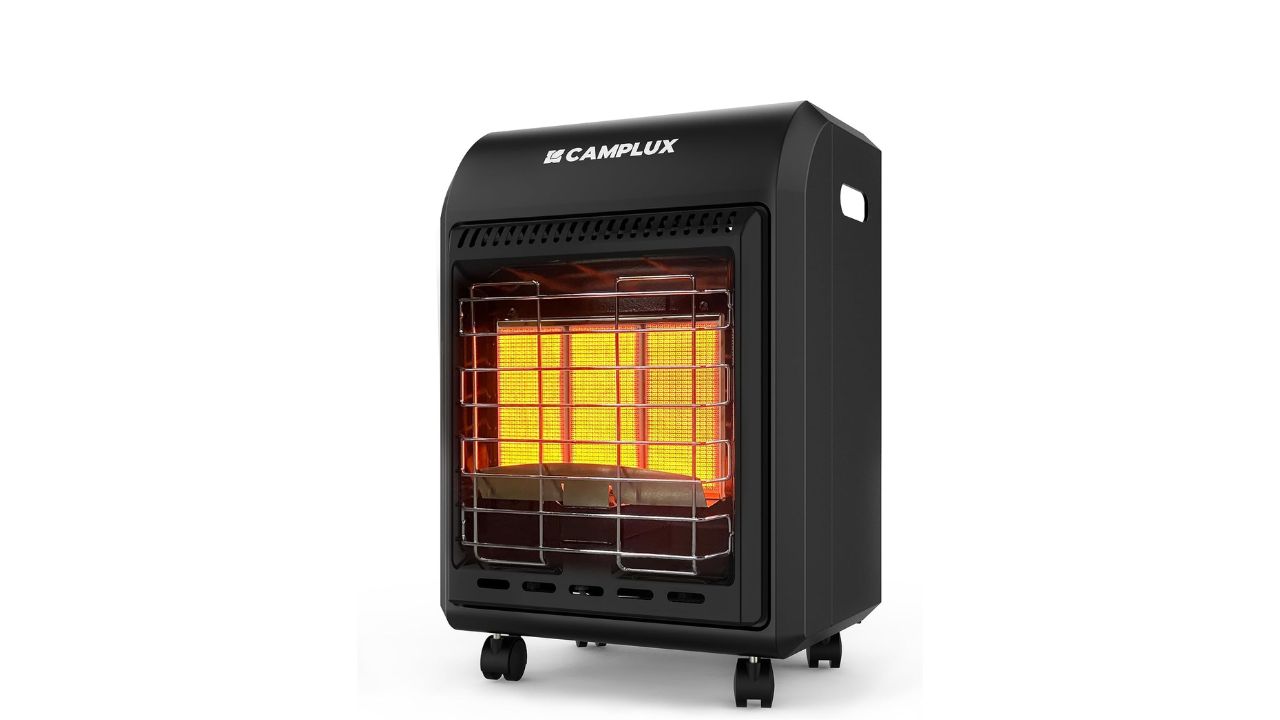
Photo credit: Camplux Enjoy Outdoor Life-Store/istock.com
When you bring a propane heater inside, you are not just adding warmth, you are adding a live flame that consumes oxygen and can quietly fill a room with toxic gases if the air has nowhere to go. The single rule that separates safe comfort from a 911 call is simple: you must give that heater a way to breathe. Ventilation is not a nice-to-have detail, it is the line between using propane as a practical indoor fuel and turning your living room, garage, or workshop into a confined combustion chamber.
Handled correctly, indoor-rated propane heaters can be part of a safe, efficient heating strategy, especially in spaces that are hard to reach with central systems. Handled casually, they can create a perfect storm of carbon monoxide, depleted oxygen, and fire risk in a matter of minutes. Understanding how much fresh air your heater needs, and how to provide it without defeating the point of heating, is the core safety skill you cannot afford to skip.
Know which propane heaters belong indoors (and which never do)
Your first safety decision happens before you ever strike a match or hit an ignition button: choosing a heater that is actually designed to operate inside. Not all propane heaters are created for enclosed spaces, and guidance on Indoor Vs Outdoor Propane Heaters makes it clear that some models are built only for patios, job sites, or open barns where exhaust can dissipate freely. Those outdoor units typically lack the safeguards you need in a bedroom, basement, or RV, and using them inside means their combustion byproducts stay in the same air you are breathing.
Indoor propane heaters, by contrast, are engineered with features that anticipate the realities of a closed room. Detailed advice on Can Propane Be Used Indoors explains that, Yes, propane can be used indoors, but only with equipment specifically designed and certified for that purpose. Those units are tested to operate safely in tighter spaces and are labeled accordingly, often with explicit “indoor-safe” markings and instructions about room size and ventilation. If your heater’s manual or labeling does not clearly state that it is approved for indoor use, you should treat it as an outdoor appliance, no matter how tempting it is to drag it into the garage on a cold night.
Why ventilation is non‑negotiable: carbon monoxide, oxygen, and you
Even when you choose the right heater, the air in the room still has to work harder. Propane burns relatively cleanly, but it still consumes oxygen and can produce dangerous gases if the flame is starved or the unit malfunctions. Safety guidance on the Hazards of Using an Indoor Propane Heater highlights Carbon Monoxide Poisoning as a primary concern, noting that Carbon monoxide (CO) can be a by-product of propane combustion. Because CO is colorless and odorless, you will not see or smell it building up, which is why relying on your senses instead of proper airflow is such a dangerous gamble.
Ventilation is your only reliable way to keep those risks in check. Technical guidance on Ventilation Requirements stresses that even though propane has low emissions when burned efficiently, you still need a path for carbon monoxide and other harmful gases to escape. That means you cannot seal up a room “for efficiency” and run a heater at full blast; you need a deliberate plan for bringing in fresh air and letting exhaust leave, even if that slightly reduces how warm the space feels.
The ventilation rule you cannot ignore: give the heater a path to fresh air
In practical terms, the non‑negotiable rule is this: never run a propane heater in a sealed room. You must provide a continuous path for fresh air in and combustion gases out, sized to the heater and the space. Fire service research on portable units used in enclosed shelters instructs operators to Provide minimum openings of 2 square feet (ft2) near the floor and 2 ft2 near the ceiling when using high-output models like the Reddy Heater RCP- 200,000 BTU unit, and to increase that to a 6 ft2 opening of fresh outside air in some configurations. You may not be running a 200,000 BTU monster in your den, but the principle scales down: the more heat you generate, the more air you must move.
For home use, that often looks like cracking a window and an interior door, or pairing a heater with a small mechanical fan that gently exchanges indoor and outdoor air. Consumer safety advice on Using indoor and outdoor heaters underscores that you should keep a window cracked open when a propane unit is running, and Never use an outdoor propane heater indoors because that is very likely to lead to CO poisoning for everyone in the space. The exact opening size will depend on your heater’s BTU rating and the room’s volume, but the rule itself does not change: if the room feels “tight,” your ventilation is not good enough.
Built‑in safety features help, but they do not replace ventilation
Modern indoor-rated propane heaters are not just metal boxes with flames inside; they are packed with sensors and shutoffs designed to buy you time when something goes wrong. Guidance on Indoor Rated Propane Heaters notes that these units are designed with oxygen depletion sensors (ODS) that monitor the air and cut fuel if oxygen levels drop too low. That sensor technology is meant to prevent the worst-case scenario of a heater quietly running in a room where the air has been slowly stripped of oxygen, but it only works if the device is properly maintained and not bypassed or ignored.
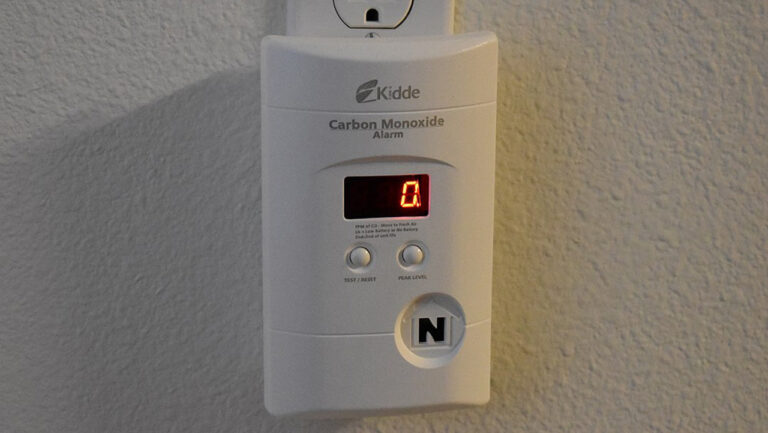
Even with those protections, you still have responsibilities. Safety checklists framed as Key Takeaways on Indoor propane heaters emphasize that these devices are safe when properly installed, certified, and maintained, and that Key safety features like tip-over switches and ODS are only part of the equation. You still need working carbon monoxide alarms on every level of your home, clear space around the heater, and a habit of inspecting hoses, regulators, and flames for irregularities before each use. Technology can alert you when the air is already compromised; ventilation is what keeps it from reaching that point in the first place.
How to run a propane heater indoors without turning your room into a hazard
Once you have the right heater and a ventilation plan, the way you actually operate the unit determines whether you stay in the safe zone. Practical guidance on Jan Propane Heater Safety stresses that you should Always use a propane heater in a well-ventilated area and never while you or anyone else is about to sleep, because drowsiness and CO exposure can mask each other. Even indoor models designed to minimize emissions require some fresh air, a point repeated in advice that notes Always
Routine habits matter just as much as one-time setup. A set of Propane Space Heater Safety Tips framed under Mar guidance urges you to Always read the manufacturer’s instructions and warning labels before you use your heater, keep it on a stable, nonflammable surface, and maintain a clear buffer zone around it so curtains, furniture, and kids or pets do not get too close. Additional Key Takeaways
When “vent‑free” still needs ventilation: flueless heaters and legal limits
One of the most confusing categories for homeowners is the so-called “vent‑free” or flueless gas heater, which is marketed as not needing a chimney or flue. That label can mislead you into thinking you can run the unit in a sealed room, but regulators treat it very differently. In South Australia, for example, The Gas Act (SA) 1997 calls up AS/NZS 5601.1 as the required standard for installations, and official guidance on flueless units notes that The Gas Act
That regulatory approach is a reminder that “vent‑free” is a plumbing description, not a safety permission slip. Even if your heater is certified as flueless, There is still an expectation that you will provide some form of natural or mechanical ventilation, whether that is a permanently open grille, a louvered window, or a fan that exchanges air with the outdoors. The safest way to interpret the label is not “no ventilation required,” but “no dedicated chimney required, as long as the room itself can breathe.” If you treat a flueless heater like a sealed electric radiator, you are ignoring the very combustion physics that those standards are designed to manage.
Propane can be a smart indoor fuel, but only if you respect the air
Used thoughtfully, propane gives you flexibility that electric space heaters and central systems cannot match. It can keep a detached garage warm enough to work on a 2015 Ford F-150 in January, or take the edge off a drafty sunroom without rewiring your panel. Technical overviews framed as Feb guidance on Indoor Vs Outdoor Propane Heaters and as Nov
The bottom line is straightforward but unforgiving. If you want the convenience of portable heat without inviting Carbon monoxide Poisoning or oxygen depletion into your home, you must treat ventilation as part of the heater, not an optional accessory. That means choosing indoor-rated equipment with ODS sensor protection, following Jan Propane Heater Safety rules about where and when you run it, respecting legal limits like those in The Gas Act and NZS standards for flueless units, and giving your heater the fresh air it needs every single time you light it. When you do, you are not just following a rule, you are making sure the warmest corner of your house is also the safest.
Like Fix It Homestead’s content? Be sure to follow us.