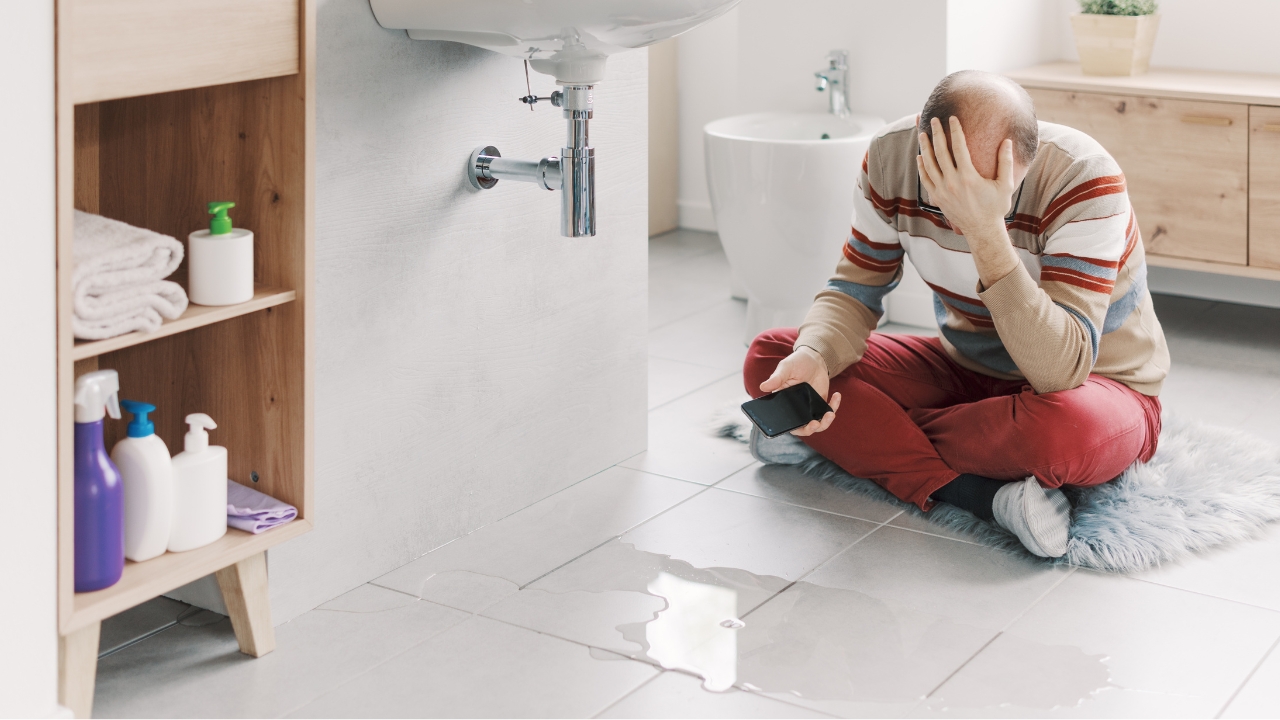
The most common home repair surprises buyers are discovering after closing
Photo credit: Stock-Asso/Shutterstock.com
For many buyers, the real shock of homeownership arrives after the keys change hands, when the first big repair bill lands and the “dream home” starts behaving more like a demanding side business. Surveys show that unexpected fixes and ongoing upkeep are straining budgets just as housing costs in general are climbing, turning small inspection notes into expensive realities. The most common surprises are not exotic disasters but ordinary systems and components that wear out faster, cost more to fix than buyers assumed, and are increasingly affected by inflation in labor and materials.
Understanding where new owners are most likely to be blindsided is the first step to protecting both savings and sanity. From electrical quirks and leaky roofs to aging HVAC units and rising “invisible” expenses like utilities and insurance, the pattern is clear: the true cost of a house often reveals itself in the first year, not at the closing table.
Sticker shock: why post-closing repairs are hitting harder in 2025
The financial backdrop for today’s buyers is unforgiving. Hidden ownership costs, from taxes and insurance to routine maintenance, now add up to roughly the size of a second mortgage payment for many households, with one study putting these “extras” at about $21,000 a year. That same research found that Buying a home is only the starting expense, and that But many new owners report repairs and upkeep being more expensive than expected once they move in. When those costs collide with higher interest rates and stretched down payments, even a modest surprise, like a failed water heater or a sagging fence, can feel like a crisis rather than a nuisance.
At the same time, inflation has quietly pushed up the price of nearly every input that goes into keeping a house running. Over the past several years, the cost of labor, building materials, and even basic services has climbed, and the cost of utilities and other recurring bills has become one of the “hidden expenses” that catch new owners off guard. Analysts note that these rising costs are now baked into neighborhood values, which in turn affect how much owners must spend on maintenance to protect their investment, a dynamic highlighted in reporting on how Additionally housing costs mount as homeowners face hidden expenses. Against that backdrop, it is not surprising that Nearly Half of Homeowners Expect Repair Costs to Climb, according to a Jun Survey Report that found Unexpected Repairs Haunt Homeowners’ Fina outlooks, with many bracing for higher bills in the years ahead.
The first-year minefield: what tends to break right after closing
Once the ink is dry, the first twelve months of ownership are statistically the riskiest for surprise repairs. One widely cited analysis found that 77% of buyers, or roughly 3 in 4, face unexpected maintenance or repair costs in their first year, a figure that underscores how often inspection contingencies and seller disclosures fail to capture the full picture. That same reporting warned that if something was omitted in a home inspection report, such as when the cooling system was not checked because the inspector could not safely operate it, buyers may later discover issues with components like the air conditioner, garbage disposal, or trash compactor, all of which can trigger unplanned spending, as detailed in a Feb breakdown of how 77% of homebuyers face unexpected repair costs in the first year.
Industry data on new owners’ experiences paints a similar picture. A review of the Most Common Problems Homeowners Encounter in Year One notes that There is no getting around it: as a new homeowner, you are likely to encounter issues such as plumbing leaks, electrical quirks, or appliance failures, often within the first month of homeownership. By far the most common headaches involve systems that were already near the end of their useful life but still technically “working” during the walk-through, which means they slipped past negotiations. That pattern is echoed in online forums where Jul posts titled All the surprises after buying a property describe kitchen sinks leaking into cabinets, mystery moisture in basements, and aging furnaces that fail in the first winter, as seen in candid accounts on All the things that went wrong after closing.
Top problem areas: electrical, fixtures, plumbing and beyond
When buyers discover problems after closing, certain categories show up again and again. One survey of recent purchasers found that the three most common problems buyers discover after closing are electrical issues, which affect 88 percent of respondents, followed by fixtures, which trip up 58 percent, and then plumbing. Those figures, 88 percent and 58 percent, are striking because they involve systems that are often visible during showings yet still manage to hide defects until the house is under new ownership, a pattern highlighted in reporting on Aug findings about the top three home problems buyers find after closing.
Beyond those headline categories, first-year owners frequently confront a grab bag of smaller but compounding issues: loose railings, misaligned doors, slow drains, and aging caulk that lets water seep into walls and floors. A detailed guide to the Most Common Problems Homeowners Encounter in Year One notes that There is a strong chance new owners will deal with things like HVAC tune-ups, minor roof repairs, and appliance breakdowns in their first year, even in homes that passed inspection without major red flags, as outlined in Most Common Problems Homeowners Encounter. In practice, that means a buyer might move in expecting to budget for paint and furniture, only to find themselves paying an electrician to trace a tripping breaker or a plumber to replace corroded shutoff valves behind the toilet.
Big-ticket systems: HVAC, roofs and foundations that blow up the budget
While small fixes add up, the most financially devastating surprises usually involve major systems. Heating and cooling equipment, in particular, has become a flashpoint. A detailed look at The Most Expensive Home Repairs in 2025 notes that HVAC Systems are among the costliest items to repair or replace, and that Homeowners across the country are paying more to keep these systems running as parts and labor rise in price, a trend captured in a Nov feature on The Most Expensive Home Repairs and How To Avoid Them. That reality aligns with first-hand accounts from new buyers, including an Aug thread where one commenter bluntly warned that the most common things you will unexpectedly replace in the first two years are the Air conditioner and HVAC system, which they described as “almost always” needing attention sooner than expected, as shared in a discussion on Air and HVAC surprises.
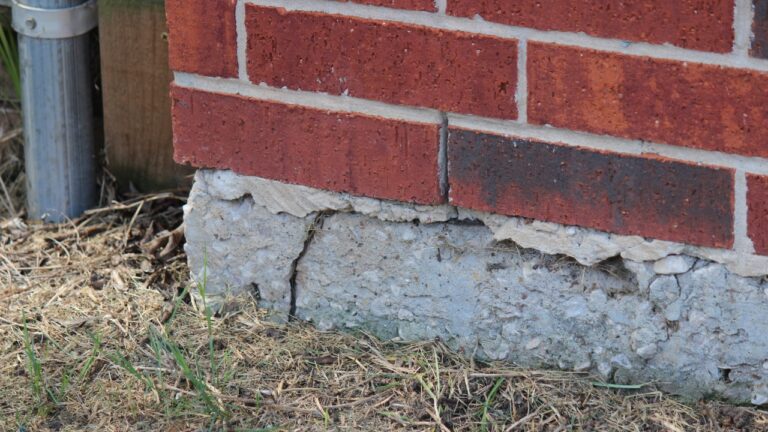
Structural issues can be even more punishing. Inspectors routinely remind buyers that no home is perfect and that any house will inevitably require a few repairs and potentially a few renovations before it fits their needs, but they also warn that foundation problems sit in a different league. One breakdown of the 6 unexpected costs of buying a first home notes that foundation repairs can range from a few hundred dollars for minor cracks to as much as $4,500 for extensive work, a figure that can easily derail a new owner’s budget if it surfaces after closing, as explained in a Jan guide to Jan unexpected costs. Roofs fall into the same category: in a Jun Survey Report on repair expectations, roof leaks were cited by 74% of respondents as a top concern, and Nearly Half of Homeowners Expect Repair Costs to Climb as they brace for more frequent and more expensive roof work, a trend captured in a Survey of rising repair costs.
Why so many buyers underestimate maintenance in the first place
Part of the problem is psychological. After months of house hunting, bidding wars, and paperwork, many buyers are so focused on closing that they mentally treat the purchase price as the finish line instead of the starting point. A detailed analysis of hidden ownership expenses notes that Many buyers might not take maintenance into account when purchasing a home, especially first-timers moving from a rental, and that a significant share later report that repairs and upkeep were more expensive than expected, as highlighted in a Jul breakdown of how Many underestimate the most expensive home maintenance costs. Another review of Which home maintenance costs have increased the most points out that older properties typically demand a higher share of income for upkeep, and that setting aside a realistic percentage of the home’s value for annual maintenance is crucial, a point underscored in a Jul analysis of Which home maintenance costs have increased the most Year over Year.
There is also a knowledge gap. Many first-time owners have never scheduled a furnace tune-up, cleaned gutters, or budgeted for tree trimming, so they underestimate both the frequency and cost of routine tasks. A Nov report on 5 costly new homeowner maintenance mistakes notes that Owning a home comes with responsibilities that can surprise first-time buyers, and that Common mistakes include skipping regular servicing of HVAC systems, ignoring small leaks, and failing to build an emergency fund for repairs. That same piece points out that the share of owners who feel unprepared for maintenance has risen, with the percentage of people reporting surprise costs up from 36% in 2023, as detailed in a Common breakdown of new homeowner mistakes. When those oversights meet a market where homeownership itself is harder to sustain, with rising taxes, insurance, and maintenance all chipping away at the American Dream, the result is a growing cohort of owners who feel financially squeezed, a trend explored in an Oct Article Summary on why the American Dream of ownership is under pressure.
How surprise repairs are reshaping homeowner behavior
The cumulative effect of these surprises is changing how people approach both buying and maintaining homes. A Jan report by Hippo, a home insurance group, found that homeowners in the U.S. are more proactive than before about monitoring their properties, yet unexpected repairs still doubled in 2024 and strained their budgets, a sign that even better habits are struggling to keep up with rising costs, as detailed in a Jan analysis of how Hippo sees unexpected repairs doubling. At the same time, Nearly Half of Homeowners Expect Repair Costs to Climb, according to the Jun Survey Report on rising repair expectations, which found that roof leaks, window damage, and other weather-related issues are top worries as climate patterns shift and older housing stock ages, as captured in the Nearly Half of Homeowners Expect Repair Costs to Climb Survey Report.
Those pressures are also influencing how buyers think about inspections and warranties. Experts now urge shoppers never to waive the property inspection, a warning reinforced by the Aug findings that 88 percent of buyers discovered electrical problems and 58 percent found fixture issues after closing, and by guidance that a thorough inspection should include systems like HVAC, roofs, and foundations whenever possible, as emphasized in the Aug analysis of top post-closing problems. Some owners are also turning to home warranties or setting up dedicated savings accounts to smooth out the shock of big-ticket repairs, a strategy that aligns with advice from maintenance cost studies urging owners to treat repair reserves as nonnegotiable, not optional.
Turning surprises into a plan: practical steps for future buyers
For would-be buyers, the lesson from all this data is not to avoid homeownership but to approach it with clearer eyes and a more robust plan. That starts with budgeting: analysts who study Which home maintenance costs have increased the most recommend setting aside a percentage of the home’s value each year for upkeep, adjusting upward for older properties or those with aging roofs and HVAC systems, as outlined in the Jul breakdown of Jul guidance on how much you should spend on maintenance. Pairing that with a realistic view of hidden costs, such as the roughly $21,000 in annual extras identified in the study of hidden homeownership expenses, can help buyers decide whether they are truly ready to own or whether renting a bit longer makes more financial sense, as detailed in the Jun analysis of how Hidden Homeownership Costs Hit $21,000 A Year In 2025.
On the due diligence side, I recommend treating the inspection as a starting point, not a box to check. Ask inspectors to focus on big-ticket systems like HVAC, roofs, and foundations, and consider bringing in specialists if the generalist flags concerns. New buyers can also learn from the candid stories in forums where Jul threads titled All the surprises after buying a property and Aug posts about high unanticipated repair costs in the first two years detail real-world experiences with Air conditioner failures, HVAC breakdowns, and leaky plumbing, as seen in discussions on Jul post-closing surprises and Aug expectations for high unanticipated repair costs. By combining that lived experience with the hard numbers from surveys and cost studies, buyers can move into their new homes with fewer illusions, more cash reserves, and a clearer sense of which “surprises” are actually predictable parts of owning a house.
Like Fix It Homestead’s content? Be sure to follow us.