If you own this pressure cooker, stop using one setting immediately
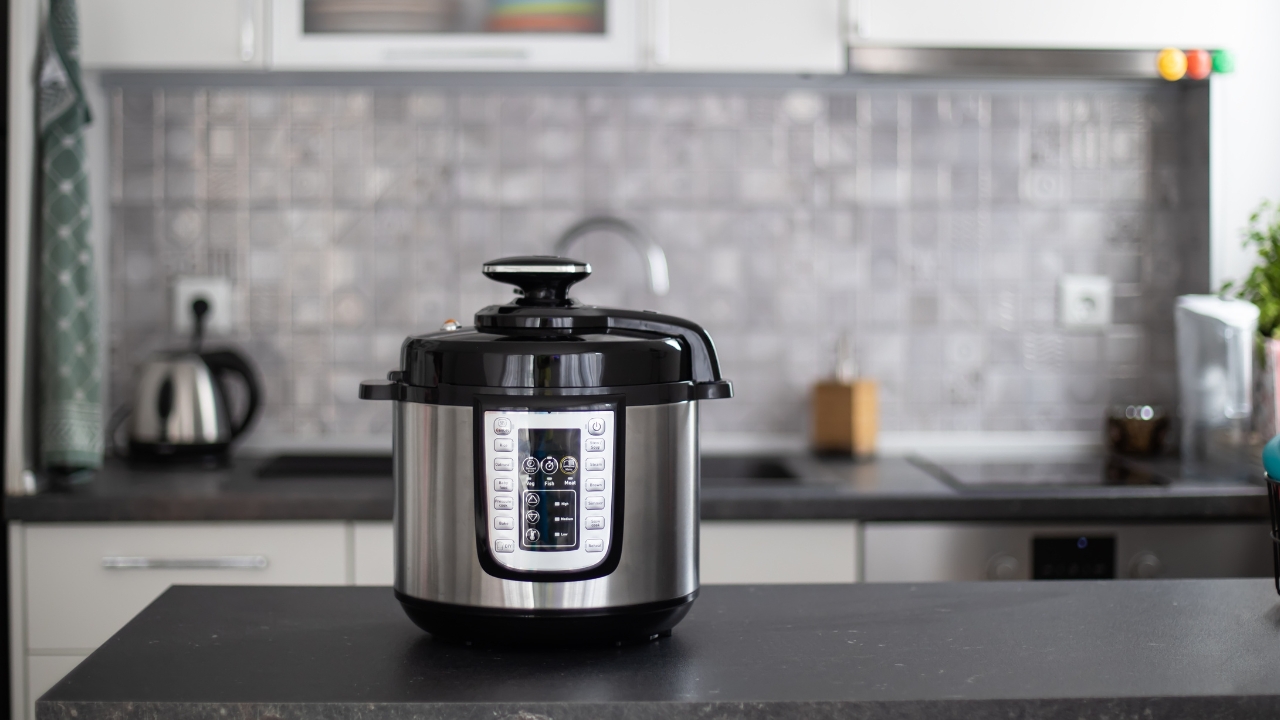
Photo credit: Michael Dechev/Shutterstock.com
Electric pressure cookers have earned a permanent spot on many kitchen counters, but one increasingly popular feature could put you and your family at real risk. If your machine offers a home “canning” or “preserve” program, you should stop using that setting immediately and rethink how you are storing low acid foods for the long term. Behind the convenience marketing is a growing body of recalls, expert warnings, and burn reports that all point in the same direction: these appliances are not built to double as safe canners.
Instead of treating your pressure cooker like an all‑purpose preservation tool, you need to separate fast weeknight cooking from the science of canning, which depends on precise temperatures, stable pressure, and proven equipment. The stakes are not just spoiled food, but serious burns and the possibility of botulism if jars do not reach and hold the right heat.
Why the “canning” button on your pressure cooker is a problem
Manufacturers have leaned into the idea that your countertop cooker can do everything, including canning, often adding a dedicated button that suggests it is safe for jars of meat, vegetables, or soups. Food safety specialists have pushed back hard, explaining that electric pressure cookers do not reliably reach or maintain the temperatures needed to kill dangerous spores in low acid foods. In Utah, USU Extension has run canning experiments and found that these appliances heat and cool in ways that do not match tested canning processes, which is why the United States Department of Agriculture does not endorse them for pressure canning.
That warning is echoed by other educators who work directly with home preservers. An OSU Extension discussion of canning with pressure cookers and canners notes that models like the Instant Pot Max may advertise a canning function, but research shows the temperature fluctuates during processing instead of holding a steady, validated level. When you are dealing with low acid foods that can support the growth of Clostridium botulinum, those fluctuations are not a minor technicality, they are the difference between a safe pantry and jars that could harbor a deadly toxin.
What safety agencies and recalls reveal about pressure cooker risks
Even when you are not canning, the way these appliances handle pressure has come under intense scrutiny from regulators. Earlier this year, a federal recall targeted all Ninja Foodi multi‑function pressure cookers with specific model numbers after reports that the pressure‑cooking lid could be opened while still pressurized, allowing hot contents to escape and creating a serious burn Hazard. Consumer coverage of that action underscored the scale of the problem, with More than 1.8 m SharkNinja Foodi pressure cookers recalled because their lids could allow hot food and liquid to shoot out, potentially burning users.
The Ninja Foodi case is not isolated. A legal analysis of pressure cooker litigation notes that Nota that these appliances were widely sold at major retailers and online marketplaces, and that even after a recall, a lid may still be at risk if consumers do not respond. Another roundup of nearly Million Pressure Cookers Recalled After Spate of Burn Injuries describes how design flaws in multi‑function pressure cookers have led to a pattern of burn incidents, reinforcing that you should treat any extra‑aggressive use, like canning, with caution until you have confirmed your model is not affected.
The Aldi Ambiano recall and what it means for your kitchen
One of the clearest examples of how quickly a trusted countertop tool can turn dangerous comes from grocery chain private labels. A federal notice explains that There is a recall of Ambiano electric pressure cookers due to a serious burn hazard, covering units sold nationwide between January 2016 and December 2019. Local coverage drilled into the numbers, reporting that the recall involves around 46,660 Ambiano Electric Pressure Cookers with model numbers 93550 (KY‑318B) and 96775 (KY‑318A) after several severe burn injuries were reported.
Follow‑up business coverage stressed that Oct reports tied the problem directly to shoppers, noting that Pressure cookers sold at Aldi were recalled after customers suffered severe burns and that More than 46,000 pressure‑cookers are being recalled. If you own an Ambiano model from Aldi, you should stop using it for any purpose until you have checked the model number against the recall and followed the instructions to return or replace it, because a cooker that can unexpectedly vent boiling contents is the last place you want to experiment with canning.
Experts agree: do not can low acid foods in electric pressure cookers
Beyond mechanical failures, food safety authorities are remarkably unified on one point: electric pressure cookers are not safe for pressure canning low acid foods. A home preservation guide explains that The National Center for Home Food Preservation does not recommend canning low acid foods in an electric pressure cooker and explicitly asks readers to please do not use this canning method. A separate how‑to on Instant Pot Canning Instant notes that People often wonder if they can safely process jars in these appliances, but the answer is no for low acid foods because the devices have not been tested for the smallest size of canning jars, let alone larger ones.
Even informal community discussions reflect the same caution. In an Instapot & Canning thread from Apr, posters point out that the newest model of the popular small appliance may come with a home canning setting, But guidance from the USDA still does not consider it safe because there is no proof the food reaches a sufficient temperature for a sufficient amount of time. One retailer’s Q&A about a Gourmia 6‑quart digital pressure cooker goes even further, with an Answer The response that the answer to your question is a big resounding NO and that it is NOT SAFE to can any food in electric pressure cookers, putting the warning in plain language you cannot ignore.
What you can safely do instead with your Instant Pot or Ninja
None of this means you have to banish your pressure cooker from the kitchen, only that you should respect its limits and keep canning in its own lane. A detailed tutorial on safe steam canning explains that Sep guidance allows you to use certain Instant Pot models for water bath or steam processing of high acid foods, But only using certain foods and a safe way to do it, and stresses that this is Part One of a broader look at safe methods. The author quotes manufacturer language that “Instant Pot can be used for boiling water canning or steam canning” for specific recipes, while also repeating the clear warning not to use the Pot for pressure canning purpose.
For low acid foods like green beans, meats, and most mixed dishes, you should invest in a dedicated, stovetop pressure canner that has been tested for home use and follow recipes from trusted sources that have been validated for time, jar size, and altitude. A legal overview of product liability cases points out that Brands such as Fagor, Presto, Breville, Nuwave and others have already faced recalls when their pressure cookers malfunctioned, which is a reminder that even reputable names can get it wrong. By keeping your electric cooker for fast dinners and reserving canning for equipment built and tested for that job, you dramatically cut your risk of both burns and foodborne illness while still enjoying the speed that made you buy the gadget in the first place.
Like Fix It Homestead’s content? Be sure to follow us.
Here’s more from us:
- I made Joanna Gaines’s Friendsgiving casserole and here is what I would keep
- Pump Shotguns That Jam the Moment You Actually Need Them
- The First 5 Things Guests Notice About Your Living Room at Christmas
- What Caliber Works Best for Groundhogs, Armadillos, and Other Digging Pests?
- Rifles worth keeping by the back door on any rural property
*This article was developed with AI-powered tools and has been carefully reviewed by our editors.