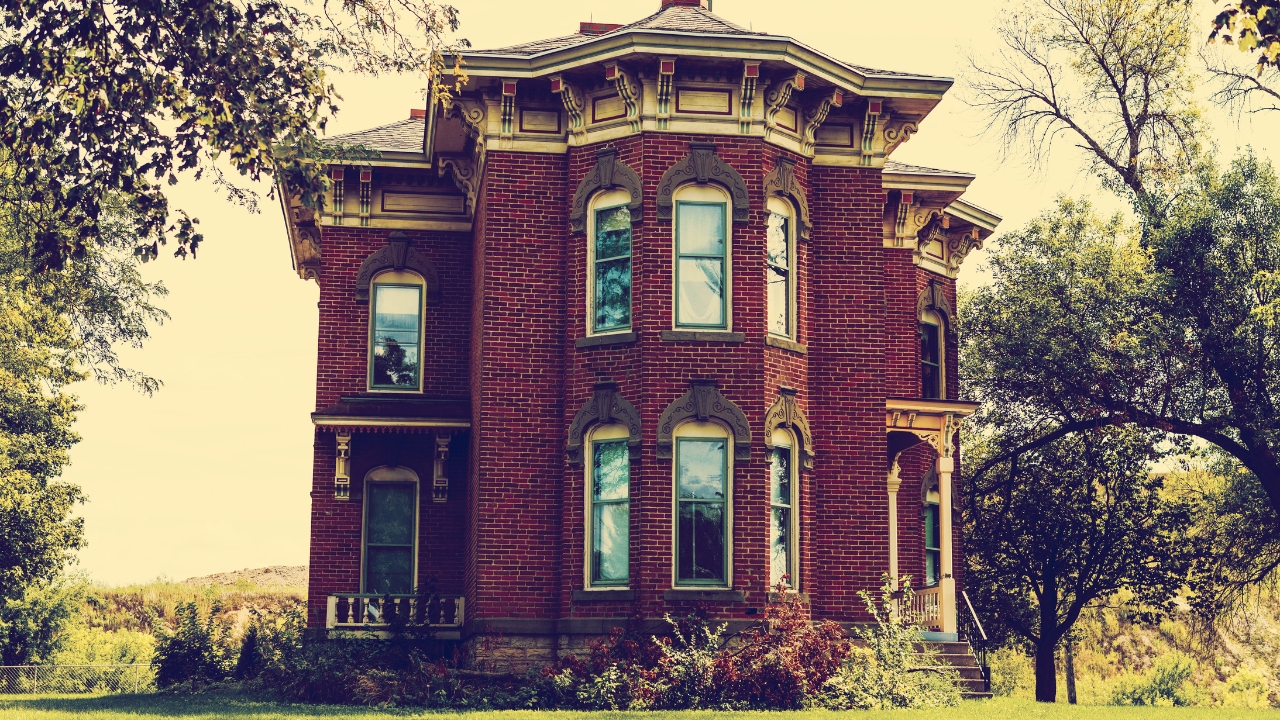
Builder incentives are pulling buyers away from older homes right now
Photo credit: MaxyM/Shutterstock.com
Buyers who spent the past few years losing bidding wars on older houses are suddenly finding that new construction is not only within reach, it can be the better deal. With builders piling on incentives and trimming prices, the gap between a brand‑new home and a decades‑old listing has narrowed to the point that you may pay less upfront and far less over time for something that has never been lived in. The result is a quiet but powerful shift in which incentives are tugging buyers away from aging resale inventory and toward freshly built neighborhoods.
The pricing flip that put older homes on the back foot
The first thing pulling you toward new construction is simple math. In the second quarter of 2025, the median price for a new single‑family home was $410,800, which was $18,600 lower than the typical existing home. That is the opposite of what you might expect, and it undercuts the long‑standing assumption that you must pay a premium for something new. When a builder can hand you a never‑used kitchen, modern systems, and a warranty for less than the seller down the street is asking for a 1990s split‑level, the resale market loses one of its strongest arguments.
At the same time, the traditional premium that new homes carried over older listings has shrunk to a historic low. In Q2 2025, the price premium above existing homes fell to just 7.8%, a margin that can easily be erased once you factor in repairs, energy bills, and the cost of updating an older property. That pricing flip has become a form of “price discovery” for owners of existing homes, who are learning that buyers will not stretch for dated finishes when a comparable new build is available for roughly the same monthly payment.
How incentives turned new builds into the aggressive bidder
Price alone does not explain why you are seeing more buyers gravitate toward new construction. Builders have layered on a suite of incentives that function like an aggressive bid in your favor, from mortgage rate buydowns to closing cost credits and free upgrades. Incentives like Incentives that temporarily or permanently lower your interest rate can shave hundreds of dollars off your monthly payment, something most individual sellers simply cannot match out of pocket. When you compare offers side by side, the “sticker price” on an older home often loses to the net cost of a new build once those concessions are baked in.
Industry data shows that these perks are not a niche phenomenon but a broad strategy. Builder incentives have reached a five‑year high, with many communities advertising rate buydowns, design credits, and even help with moving expenses to keep sales flowing. You see this in marketing that highlights the one home “with the space, features, and lifestyle you have been hoping for,” and promises that New builds can deliver that without repair headaches on day one. For buyers who watched rates climb and budgets get squeezed, those incentives feel less like a bonus and more like the only realistic path into homeownership.
What “Common Builder Incentives” actually look like in your contract
When you walk into a sales office, the pitch can sound vague, so it helps to know the menu of perks you can actually secure. Common Builder Incentives include straightforward price cuts, closing cost assistance, and design center credits that let you upgrade finishes without writing a bigger check at closing. Price Reductions and Discounts are often advertised as “limited‑time savings” on specific lots, but they function as real, negotiable money off the top. One of the most valuable, though less flashy, incentives is an extended warranty that covers major systems and structural components for years, something you rarely get with an older home.
Builders are also leaning into lifestyle‑driven perks that speak directly to how you live. Some offer free or discounted smart‑home packages, backyard landscaping, or upgraded appliance suites, which can easily run into the tens of thousands if you had to add them yourself after closing. When you compare that to an existing home where you might inherit a worn roof, aging HVAC, and a kitchen that needs a full gut, the incentive package on a new build can feel like a turnkey renovation that is already priced into your mortgage. That is a powerful psychological nudge that keeps many buyers focused on new communities instead of scrolling through older listings.
Design, energy, and tech: why “Newer” homes feel like a different product
Beyond the financial engineering, you are also choosing between two very different living experiences. Newer homes often attract buyers because they are built around open layouts, larger kitchens, and flexible spaces that double as home offices or playrooms. Those floor plans reflect current buyer preferences in a way that a 1970s colonial with a formal dining room and small, compartmentalized rooms simply does not. When you walk through a model home that flows from an open kitchen into a great room and out to a covered patio, it can be hard to picture yourself retrofitting an older property to match that lifestyle.
Energy performance and technology deepen that divide. Many new builds come standard with Open concept kitchens and living spaces, high‑efficiency windows, better insulation, and pre‑wired smart‑home systems that tie your thermostat, security, and lighting into a single app. Those Energy efficient designs can lower your monthly utility bills and reduce the risk of surprise breakdowns in the first few years. By contrast, older homes often require you to add smart thermostats, upgrade electrical panels, and invest in new insulation or windows just to reach a similar baseline, costs that rarely show up in the listing price but hit your wallet soon after you move in.
The hidden costs of an aging home supply
When you look at older listings, the price on the screen rarely tells the full story. Many of the homes available today are decades old, and buyers of those properties are discovering that they are not saving as much as they expected once repairs and upgrades are factored in. Reporting on the aging housing stock notes that, in addition to saving less on the sale price, buyers of older homes are not getting the updated features that come with newer construction and are instead facing higher costs down the road when repairs or replacements are needed. That reality is pushing some shoppers who started out focused on resale to reconsider new builds once they tally the likely bills for roofs, plumbing, and electrical work on an older property.
The maintenance gap is not just about aesthetics, it is about basic livability and safety. An older home might need foundation work, asbestos or lead remediation, or a full HVAC replacement, none of which can be postponed for long without consequences. As one analysis of another problem for buyers put it, those looming expenses can erase any perceived discount on an older home and leave you paying more over time than if you had chosen a new build with modern systems and warranties. When you stack that against a builder who is willing to cover closing costs and buy down your rate, the older home starts to look less like a bargain and more like a liability.
Energy bills and comfort: why insulation and systems matter
Energy costs are another area where new construction quietly outperforms much of the existing stock. Many older homes leak air through poorly insulated attics, drafty windows, and unsealed gaps around pipes and vents, which forces your heating and cooling systems to work harder. Guidance on cutting utility costs emphasizes that Any insulation that has shifted can be repositioned, but many homeowners ultimately need to add insulation in attics or floors and seal up visible cracks to see real savings. Those retrofits can be messy and expensive, especially if you have to bring in contractors after you move in.
New construction, by contrast, is typically built to more recent energy codes, with tighter building envelopes, efficient HVAC systems, and better windows installed from day one. Builders often highlight these features as part of their incentive packages, framing lower monthly utility bills as another way they are effectively discounting the home. When you compare a drafty 1960s ranch to a new build that holds temperature more consistently and comes with modern mechanicals, the long‑term cost of ownership tilts further toward new construction, even if the list prices look similar at first glance.
Market share, “The Market is Shifting Toward New Construction,” and what it means for you
All of these forces are showing up in the market share numbers. Industry reviews of 2025 note that The National Association of Home Builders, or NAHB, projected 4% to 5% growth in housing starts and builders delivered, helping new homes capture more of the market. A separate review of buyer behavior under the banner New Homes Captured More Market Shar found that a growing share of buyers, especially those shut out of the resale market, turned to new construction as their best option. That shift is not just a blip, it reflects a structural response to tight existing inventory and the aggressive incentives builders are willing to deploy.
At the same time, the supply of new homes is not unlimited. Analysts tracking However the share of new‑construction homes among all homes for sale note that it has decreased to 16.7% in Q3 2025 as builders sold through earlier inventory, particularly in regions like the South and West. Commentary framed as The Market Shifting Toward New Construction underscores that even as the new‑home premium hits an all‑time low, the overall mix of listings still includes a large share of older properties. For you, that means incentives can be generous, but you may need to act quickly in desirable communities or be prepared to consider multiple builders to find the right combination of price and perks.
“Buyers’ Market 2.0” and the first real opening for stretched budgets
For first‑time buyers in particular, the current environment feels like a reset. After years in which investors and repeat buyers dominated the resale market, some analysts now describe a Buyers Market 2.0 in which new builds are suddenly competitive with resale homes. Under the banner Why New Builds Are Suddenly Competitive with Resale Homes, experts point out that Builder Incentives Are Opening a window for time and budget conscious buyers who had been sidelined. Instead of competing with cash offers on a 40‑year‑old house that still needs work, you can negotiate directly with a builder that has every reason to make the numbers work.
That shift is reinforced by the way builders are tailoring incentives to specific buyer segments. Some communities are targeting first‑time buyers with smaller floor plans and aggressive rate buydowns, while others are courting move‑up buyers with larger homes and generous design credits. As more buyers realize that new construction is not out of reach, the pressure on older listings intensifies, forcing some sellers to cut prices or offer their own concessions just to keep up. In effect, the incentives arms race in new construction is setting the pace for the entire market, and older homes that cannot match the value proposition are being left behind.
How to shop smart when new construction is this competitive
With so many incentives in play, your challenge is less about finding a deal and more about comparing offers intelligently. Start by looking beyond the base price and calculating your total monthly cost, including any temporary rate buydowns and projected utility bills. Resources that track how Aug incentives have narrowed the gap between new and existing homes can help you benchmark whether a builder’s offer is truly competitive. You should also factor in the value of warranties and included upgrades, which can offset a slightly higher price if they save you from major expenses in the first decade of ownership.
It is also worth paying attention to how quickly homes are selling in each segment. Analysts observing the new construction market note that as homes nationally take longer to sell, Builder incentives and price cuts are becoming more common as a way to maintain sales, with some discounts amounting to $20,350 on average. Reports on how Sep incentives are reshaping the landscape suggest that builders have made their homes more affordable relative to existing listings precisely because they can adjust pricing and perks quickly. If you approach those offers with a clear sense of your budget and a willingness to negotiate, you can harness this moment to secure a new home that might have felt out of reach just a few years ago.
Like Fix It Homestead’s content? Be sure to follow us.
Here’s more from us:
- I made Joanna Gaines’s Friendsgiving casserole and here is what I would keep
- Pump Shotguns That Jam the Moment You Actually Need Them
- The First 5 Things Guests Notice About Your Living Room at Christmas
- What Caliber Works Best for Groundhogs, Armadillos, and Other Digging Pests?
- Rifles worth keeping by the back door on any rural property
*This article was developed with AI-powered tools and has been carefully reviewed by our editors.