If your water heater is older, the part to photograph before it dies
Photo credit: J.A. Dunbar/Shutterstock.com
Your water heater is one of the few appliances that can quietly flood a room, wreck drywall, and still leave you shivering in a cold shower. When it fails, you rarely get much warning, and the scramble to replace it often starts with a basic question that should be easy but usually is not: what exactly is installed in your home. If your heater is older, the single most valuable thing you can do today is photograph the one label that tells a plumber everything they need before the tank dies.
That label, called the rating plate, is the passport for your water heater, and capturing it now can save you hours of guesswork later. With one clear photo, you lock in the model, serial number, capacity, fuel type, and safety information that determine how fast and how smoothly you can get hot water back when the tank finally gives out.
The one photo that matters: your rating plate
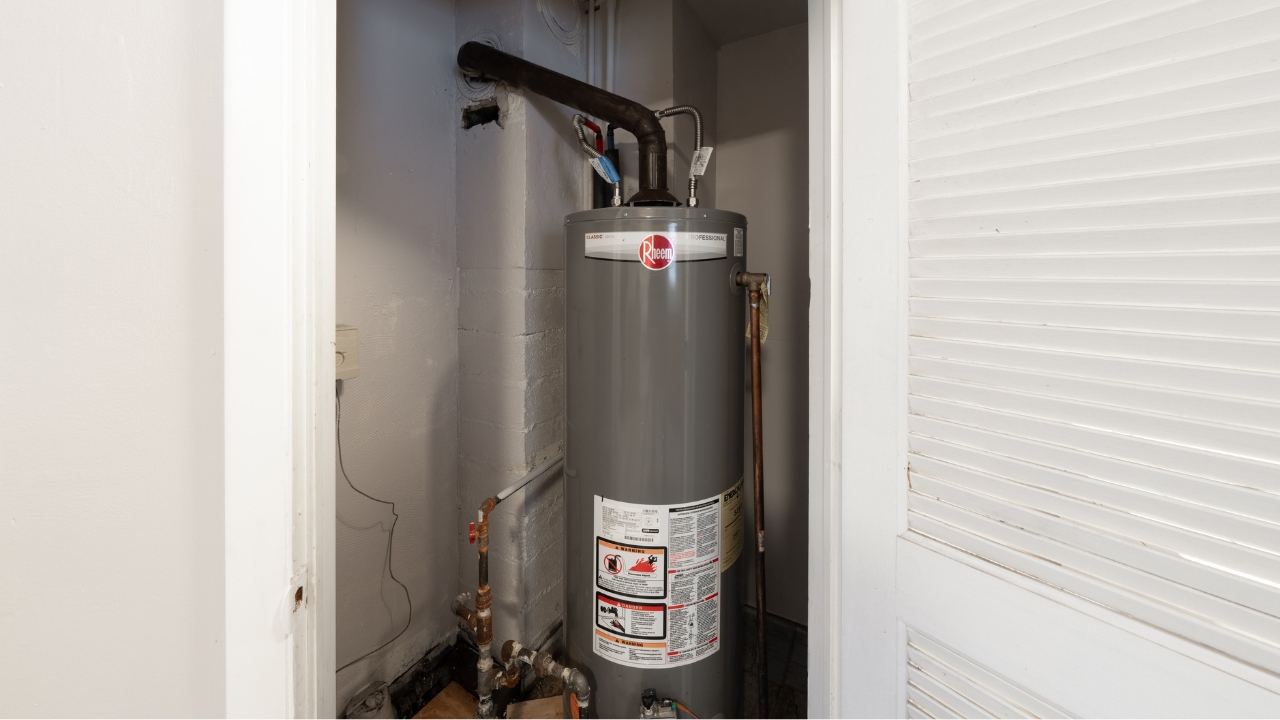
The critical part to photograph before an aging water heater fails is the rating plate, the factory label usually stuck to the side of the tank. That plate is not just a sticker, it is the official record of who built the heater, what model it is, and which exact configuration you own, from fuel type to venting style. Plumbing pros treat that label as the starting point for any replacement or warranty conversation, because it ties your tank to a specific set of parts and installation requirements.
Specialists in Mar describe Water Heater Rating Plates and Their Importance San Diego as central to identifying the model and serial numbers that unlock all the other details about your system. Without that information, a contractor is guessing at capacity, recovery rate, and venting, which can lead to delays, wrong parts, or a replacement that does not match your household’s needs. Photographing the rating plate while the tank is still accessible and legible gives you a permanent record you can text or email to any installer the moment trouble starts.
Why age and condition make this urgent
Once a water heater crosses into its second decade, the odds of a sudden failure climb sharply, and the cost of being unprepared rises with them. Service guidance notes that water heaters typically have a lifespan of about 10 to 15 years, and if your unit is nearing or surpassing that range, it is time to plan for replacement rather than waiting for a leak or a cold shower to force your hand. Older tanks are also less efficient, so knowing exactly what you have helps you compare it with newer, more efficient models before you are under pressure.
One detailed advisory explains that Water heaters typically have a lifespan of about 10 to 15 years and that older units are often significantly less energy efficient than newer designs. Another guide aimed at homeowners underscores that Old age always comes into play when you are weighing warning signs, and if your heater is around 10 years or older, you should be thinking about replacement even if it still works. In that window, having a clear photo of the rating plate is not a nice-to-have, it is a practical step that lets you move quickly when the inevitable happens.
How to find the rating plate on your tank
To capture the right image, you first need to know where to look. On most residential tanks, the rating plate is a rectangular label on the front or side of the heater, often at eye level or slightly lower, printed with the manufacturer’s name, model, and serial number. Some brands tuck it closer to the gas control valve or behind a small access panel, so you may need a flashlight and a bit of patience to spot it, especially if the tank is in a dim basement or closet.
Manufacturers spell out the process in simple steps, advising you to start by Locating My Serial and Model Number on the rating plate and then moving on to Step 1, which is to Locate the label on the heater itself, followed by Step 2, which is to Read the information printed there. Another support page reminds you that Your model number and serial number are located on the rating plate and even highlights the serial number in yellow in its example. Once you have found that label, wipe off any dust or condensation so the text is clear before you reach for your phone.
What the plate actually tells you
When you zoom in on a rating plate, you are looking at a dense summary of your heater’s identity and capabilities. The model number tells a technician the series and configuration, while the serial number often encodes the manufacturing date, which is crucial for judging age and warranty status. You will also see the fuel type, input rating, voltage or BTU capacity, and sometimes the first hour rating, all of which help size a replacement and confirm that your home’s gas, electrical, and venting setup will support it.
Guides to Locating the Information explain that while the information on a Smith rating plate might be less straightforward to locate compared to some competitors, the serial number still contains a date code that reveals when the unit was built. The same technical breakdown notes that a sample 50-Gallon Gallon Electric Tank, Manufactured in August 1984, uses a Rheem rating plate that lists the manufacturing date, wattage of the elements, and other operational specifications. When you send a contractor a clear photo of that plate, you are effectively handing over a complete spec sheet in one image.
How a quick photo speeds up replacement
In an emergency, every minute you spend hunting for paperwork or scraping rust off a label is a minute you are not getting quotes or scheduling a crew. A sharp, well lit photo of the rating plate lets a plumber identify the exact size and type of heater you have before they ever set foot in your home, which means they can arrive with the right replacement on the truck or confirm that a heat pump or tankless upgrade will fit your existing connections. That single image can turn a vague “my water heater died” call into a precise work order.
Installers who specialize in modern systems emphasize that Detailed images of the water, gas (if applicable), and electrical connections help their installation team prepare the necessary materials and plan the process, ensuring a swift and smooth setup. The same logic applies to the rating plate: when a contractor can read the model, serial, and capacity from your photo, they can check stock, confirm venting requirements, and quote you accurately without a preliminary visit. In a busy season, that can be the difference between same day hot water and waiting through a long weekend.
Other warning signs you should capture
While the rating plate is the star of the show, it is not the only thing worth photographing on an older heater. Visible rust streaks, damp spots around the base, and corrosion on fittings can all signal that the tank is nearing the end of its life, and documenting them gives a technician context about how urgent your situation is. If you see water pooling or staining, a quick set of photos from different angles can help a pro distinguish between a minor leak and a failure that calls for immediate shutdown.
Inspection checklists urge you to Perform visual inspection for leaks, damage, or corrosion, Test the temperature and TPR valve, and Check for hidden leaks that might not be obvious at first glance. Another safety focused guide singles out Leaking or Faulty Pressure Valve The pressure relief valve on a hot water tank as an essential safety device whose failure can lead to property damage and potential personal injury. If you notice drips from that valve or rust around its discharge pipe, include close up photos along with your rating plate image so a contractor can judge whether the heater is safe to keep operating.
Key components worth including in your photo set
Beyond the label and any obvious damage, it helps to capture the broader context of how your heater is plumbed and wired. Take one step back and photograph the entire tank, including the cold water inlet, hot water outlet, and any visible shutoff valves. If your system includes a small auxiliary tank mounted above or near the main heater, that is likely a thermal expansion tank, and documenting it can help a technician understand how pressure is managed in your plumbing.
A technical overview of water heater parts lists Additional Components such as a Thermal Expansion Tank, which is often labeled with Write your caption here and Button in diagrams, along with a Recirculation Pump that keeps hot water moving through long pipe runs. Another safety guide stresses that Water heater pressure relief valves are essential components that protect your water heater from overheating or overpressure, yet these parts often go unnoticed until they fail. Including them in your photo set gives a contractor a fuller picture of your system and can surface code or safety issues that should be addressed during replacement.
Using the plate to size your next heater
When it is time to choose a replacement, the capacity listed on your rating plate becomes your baseline. If your current tank has struggled to keep up with morning showers or laundry, you might want to size up, but you first need to know what you have now. The plate usually lists the storage volume in gallons, and that figure, combined with your household size and usage patterns, guides a pro toward the right capacity and technology for your next unit.
Plumbing sizing guides advise that to find out how many gallons your tank currently holds, you should look for a sticker on the side of your water heater that lists the size in gallons, and that this sticker is often part of or adjacent to the rating plate. One such guide explains that To find out how many gallons your tank currently holds, you simply read the number printed in gallons on this sticker. With that figure in hand, a contractor can compare your existing capacity to modern recommendations and help you decide whether to match it, increase it, or consider a different technology such as a heat pump or tankless system.
How pros read labels, videos, and warnings
Professionals spend a lot of time decoding rating plates, and their habits offer a useful blueprint for homeowners. Some technicians share walk through videos where they stand in front of a tank and point out the manufacturer, model, serial, and safety warnings on the label, explaining how each line influences their decisions about repair or replacement. Watching how they read a plate can help you understand why that one photo is so valuable when your heater fails.
In one clip, Jul introduces Scott with Water Heaters Only and welcomes viewers to another edition of It is Good to Know, where they share water heater expertise and highlight how the rating plate guides service decisions. Another homeowner focused video from Oct features lou Manfredini ASUS home expert explaining how, if you are not sure how old your water heater is, you can use the serial number to know exactly when it was built, a tip he demonstrates in detail in a segment linked at Manfredini ASUS. A separate cautionary video from Jun titled Do NOT Ignore Your Water Heater! (here’s why) walks through what the host should have done, starting off at the top back at that expansion tank and pointing out issues that could have been caught earlier. Even inspectors on professional forums note that If I was to see a label as pictured, they might not flag it in a report but would still treat it as a warning, which underscores how much weight professionals give to what is printed on that small piece of metal or vinyl.
Like Fix It Homestead’s content? Be sure to follow us.
Here’s more from us:
- I made Joanna Gaines’s Friendsgiving casserole and here is what I would keep
- Pump Shotguns That Jam the Moment You Actually Need Them
- The First 5 Things Guests Notice About Your Living Room at Christmas
- What Caliber Works Best for Groundhogs, Armadillos, and Other Digging Pests?
- Rifles worth keeping by the back door on any rural property
*This article was developed with AI-powered tools and has been carefully reviewed by our editors.