Emergency cooking rules that matter more than the brand of stove
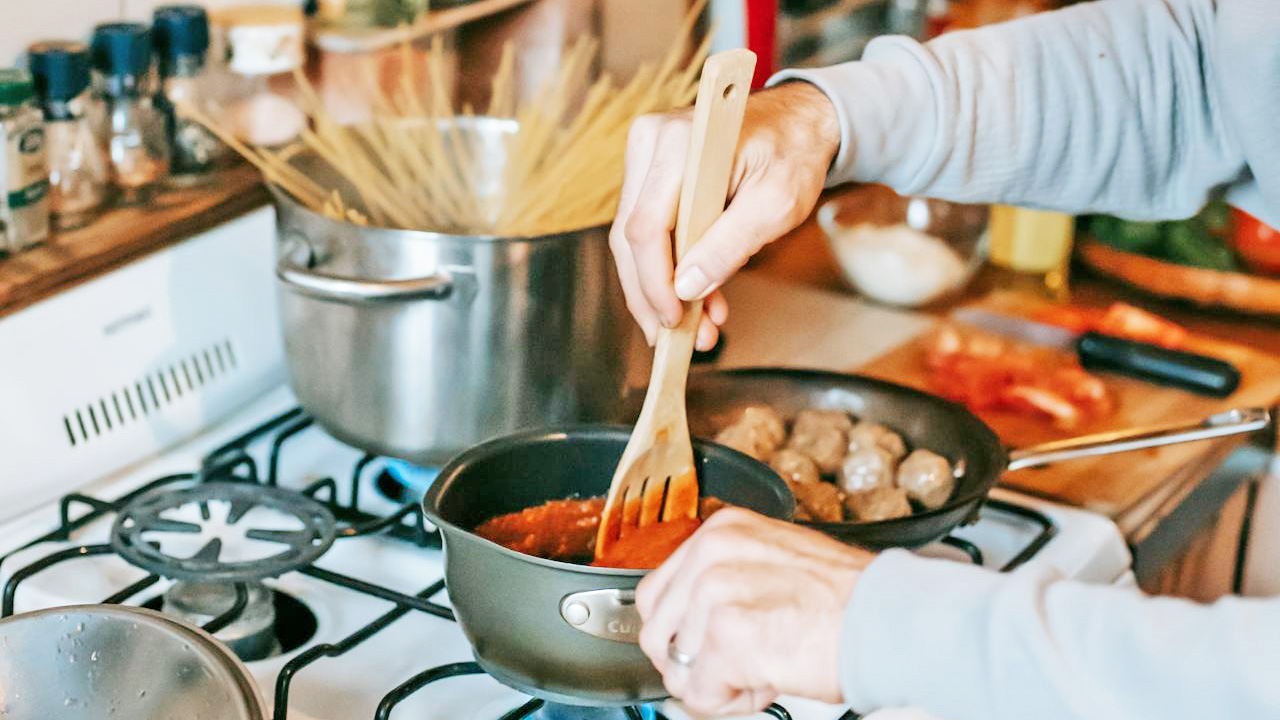
Photo credit: Gary Barnes/Pexels.com
In an emergency, the difference between a hot meal and a dangerous mistake rarely comes down to whether you cook on gas, induction, or a camp stove. What matters is how you manage heat, food, and time when stress is high and resources are thin. If you understand a few core rules about safety and food handling, you can cook almost anywhere without turning a crisis into a second disaster.
Those rules are not glamorous, but they are the habits that keep a pan fire from becoming a house fire and a pot of soup from becoming a source of foodborne illness. When you treat cooking as a survival skill rather than a lifestyle accessory, you start to see why professionals and emergency planners focus on behavior, not brand names.
1. Treat cooking as a survival skill, not a hobby
When the power is out or supply chains are strained, your ability to turn raw ingredients into safe, filling meals becomes as fundamental as clean water. Some emergency planners argue that cooking belongs alongside shelter and first aid in any preparedness plan, because it is more practical than chasing restaurant-style perfection when conditions are unstable. In that mindset, you prioritize simple methods you can repeat under pressure, from boiling grains to reheating canned food, and you train yourself to keep anything that can catch fire away from open flames or hot elements until the fire is out, as emphasized in official cooking preparedness guidance.
Thinking of cooking as a survival skill also changes how you shop and store food. Instead of relying on fragile routines, you build a pantry around shelf-stable staples you know how to prepare on any heat source, whether that is a full range or a single burner. You practice with those ingredients before an emergency so you are not improvising in the dark, and you teach other members of your household the same basics, turning mealtime into a shared safety asset rather than a one-person burden.
2. Stay with the heat or turn it off
The most important emergency cooking rule is deceptively simple: if a burner is on, you stay with it. Fire agencies repeat this point because unattended pans are where many kitchen fires begin, especially when you are distracted by phones, children, or storm updates. Safety campaigns urge you not to leave active burners unattended and to treat attention as the most essential cooking skill, a message echoed in detailed advice on how to prevent burns and fires in the kitchen.
That rule becomes even more critical when you are tired, stressed, or have been drinking, because your reaction time and judgment are already compromised. Fire safety experts warn you to stay alert and avoid using the stove or stovetop if you are sleepy or have consumed alcohol, and to remain in the kitchen while you are frying, grilling, or broiling so you can respond instantly if something flares. Official guidance on cooking equipment safety urges you to stay in the kitchen whenever high heat is involved, and to treat simmering or baking as a reason to stay nearby with regular check-ins rather than an excuse to leave the room.
3. Keep the space clean and nonflammable
In an emergency, clutter multiplies: candles, flashlights, extra food, and improvised gear all migrate toward the kitchen. That is exactly when you need to be ruthless about what sits near your heat source. Fire risk specialists stress that maintaining a clean kitchen is the first line of defense against cooking fires, because grease buildup, crumbs, and stray packaging all turn a small flare into a fast-moving blaze. They urge you to keep surfaces spic and span, wipe up spills quickly, and remove flammable items like towels, cardboard boxes, and plastic bags from around the stove, framing cleanliness as a core part of kitchen safety rather than a cosmetic preference.
That same discipline applies to how you stage your tools. In a cramped or makeshift setup, it is tempting to rest wooden spoons on the edge of a pan or drape an oven mitt over a handle, but those shortcuts can put fuel directly over a flame. Fire departments advise you to keep pot handles turned inward, store combustibles away from burners, and create a clear zone around any open flame or hot coil. When you treat the area around your stove as a no-storage zone, you reduce the number of things that can ignite before you even start cooking.
4. Understand how fast fire can outrun you
Many home cooks assume that if a fire starts, they will have time to notice, react, and call for help before it becomes serious. Fire science tells a harsher story. Once a small flame finds enough fuel, it can grow to the point of flashover, when everything in a room ignites almost at once, in a very short timeframe. Technical analyses of fire behavior underline that, therefore, the window between a controllable pan flare and a life-threatening blaze is measured in minutes, not hours, and that this rapid escalation can overwhelm both people and property before responders arrive, a point made explicit in research on the nexus between flashover and response time.
That reality is why fire agencies repeat simple mantras like “stand by your pan” and “watch what you are cooking.” National prevention campaigns urge you to stay with your food and to turn the burner off if you have to leave the kitchen, because fires start when heat is left unattended. They also remind you that most cooking fires begin on the stovetop, not in the oven, and that a lid within reach is your best first tool to smother a small flame, all part of the core messages to share about home cooking safety.
5. Respect the stove, whatever its fuel
Whether you are using a sleek induction range or a battered electric coil, the rules for safe operation barely change. Housing safety guides spell it out in blunt terms: never leave cooking food unattended, and if you must leave the kitchen while cooking, turn off the stove. They also warn you not to use the oven or stovetop for storage, to keep children away from hot surfaces, and to treat every burner as live until you have confirmed it is off, a set of expectations summarized in straightforward STOVE AND OVEN SAFETY instructions.
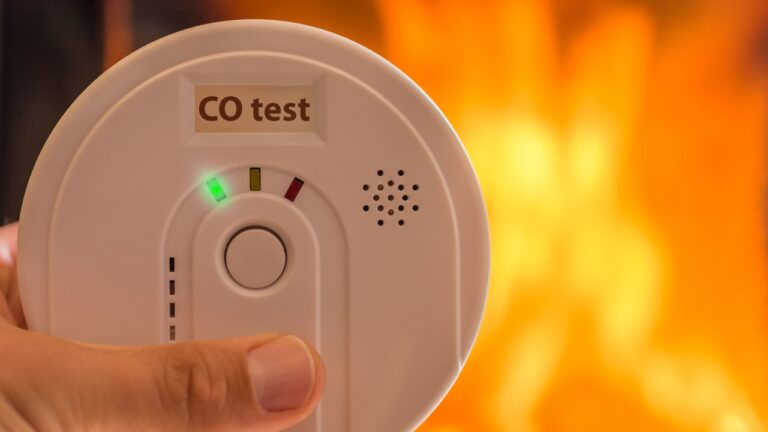
Appliance manufacturers add another layer of perspective. They note that more than 100 m cooktops and ranges are in use in the United States, most without incident, which is a reminder that the technology itself is not the main problem. Instead, they emphasize that cooking, when done properly, is safe, and that your focus should be on using equipment as designed, keeping it in good repair, and making sure you have a working smoke alarm you test monthly, as highlighted in consumer-facing Cooking Safety guidance.
6. Control burns, splatters, and hot surfaces
In a crisis, a bad burn can be as disruptive as a power outage, especially if medical care is hard to reach. Fire departments and public health agencies urge you to think about burns and fires together, because the same habits that prevent one usually prevent the other. They recommend using dry oven mitts or potholders, turning hot pot handles inward, and keeping children away from the stove to prevent accidental contact with hot surfaces, all part of basic advice to prevent fires and burns in the kitchen.
Oil adds another layer of risk, since it can both splatter and ignite. Safety guides on cooking with oil urge you to always remain in the kitchen and stay alert when frying on the stovetop, and to heat the oil slowly to the right temperature instead of cranking the burner to high. They also advise you to keep lids nearby, avoid overfilling pans, and position handles so they are not bumped, reinforcing that cooking with oil safely is about patience and positioning, not special equipment.
7. Keep food out of the danger zone
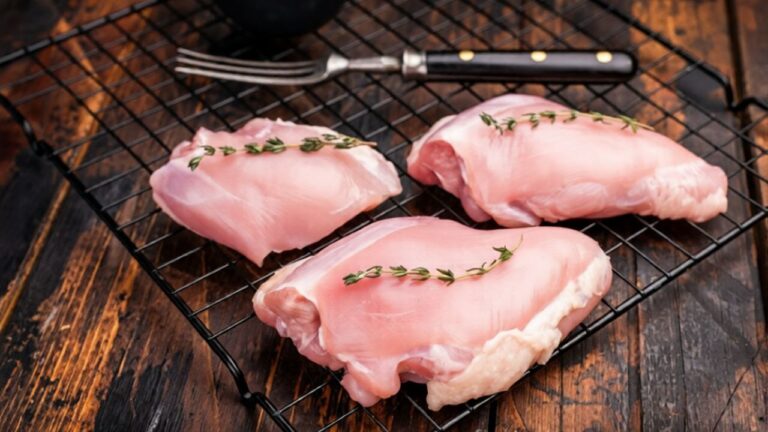
Fire is not the only threat that matters when you are cooking under pressure. Foodborne illness can sideline you or your family at exactly the wrong moment, and it often starts with food that lingers too long at the wrong temperature. Food safety authorities warn that bacteria grow rapidly between the temperatures of 40 and 140 degrees Fahrenheit, and that after food is safely cooked, hot food must be kept hot or refrigerated promptly. They stress that leftovers should not sit out for more than a short window and that once food has cooled to room temperature and stayed warm, leftovers must be refrigerated to stay safe, a core message in official guidance on leftovers and food safety.
Those rules become even more important when you are cooking for a group, whether that is neighbors sheltering together or a large family. Party-focused safety checklists urge you to follow simple food safety rules like washing your hands well and often, keeping raw and cooked foods separate, and using a thermometer to confirm that dishes reach safe internal temperatures before serving. They frame these habits as a way to protect your guests from foodborne illness, and they encourage you to follow food safety rules consistently rather than relying on guesswork or taste tests.
8. Choose and handle ingredients with care
In an emergency pantry, you may be working with a mix of canned goods, dry staples, and whatever fresh produce you can find. Global health authorities advise you to choose foods processed for safety, such as properly canned or pasteurized items, while still recognizing that many fruits and vegetables are best in their natural state. They also stress the importance of keeping raw and cooked foods separate, cooking foods thoroughly, and serving them immediately or keeping them hot, a set of principles captured in the Golden Rules for safe food preparation.
At the same time, you need to think about how you physically handle hot dishes and tools. Kitchen safety guides remind you to be mindful when handling hot foods, pans, and dishes to prevent burns, and to take care when working around hot oil that can splatter. They encourage you to slow down, plan your movements, and use proper protection so you are not caught off guard by a sudden slip or spill, advice that aligns with practical kitchen safety rules for home cooks.
9. Plan for off-grid heat and restaurant-level discipline
When the grid fails, you may find yourself cooking on gear you usually reserve for camping or backyard gatherings. Preparedness experts point out that cooking with charcoal briquettes is one of the least expensive ways to generate heat per BTU, and that charcoal briquettes are widely available and easy to store. They also note that charcoal can be lit quickly and brought to cooking temperature in a few minutes, making it a practical backup if you understand how to ventilate smoke and keep coals away from structures, a perspective shared in detailed advice on Cooking with Charcoal Briquettes.
In those moments, it helps to borrow the discipline of a professional kitchen. Commercial safety guides remind staff that besides causing physical harm to employees, the kitchen can also be the source of massive structural damage if equipment is misused. They instruct workers to always keep the cooking range clear and to avoid storing flammable items near the range, treating these habits as nonnegotiable parts of kitchen safety 101. If you apply the same standards at home, especially when you are improvising with unfamiliar fuel or equipment, you give yourself a margin of safety that no brand of stove can guarantee.
Supporting sources: Cooking and Preparing Food – Be Ready Utah, 5 Rules to Prevent Burns and Fires in the Kitchen, Safety with cooking equipment | NFPA, Guide to Kitchen Fire Safety – WSRB, 5 Rules to Prevent Burns and Fires in the Kitchen, Cooking Fire Safety – USFA.FEMA.gov, Leftovers and Food Safety, Stove and Oven Safety – Housing, Cooking Safety – Association of Home Appliance Manufacturers, WHO “Golden Rules” for Safe Food Preparation – PAHO/WHO, Kitchen Safety Tips | Ottawa Public Health, Kitchen Safety Rules for Kids and Adults – Consumer Notice, 7 Food Safety Rules for Cooking for a Party, Emergency Cooking: 12 Family Favorites, 14 Kitchen Safety Rules Every Home Chef Should Follow, Kitchen Safety 101 – Guide – Charlie’s Fixtures, CHIEF’S FILE CABINET.
Like Fix It Homestead’s content? Be sure to follow us.
Here’s more from us:
- I made Joanna Gaines’s Friendsgiving casserole and here is what I would keep
- Pump Shotguns That Jam the Moment You Actually Need Them
- The First 5 Things Guests Notice About Your Living Room at Christmas
- What Caliber Works Best for Groundhogs, Armadillos, and Other Digging Pests?
- Rifles worth keeping by the back door on any rural property
*This article was developed with AI-powered tools and has been carefully reviewed by our editors.