The attic fan detail to look for before next summer
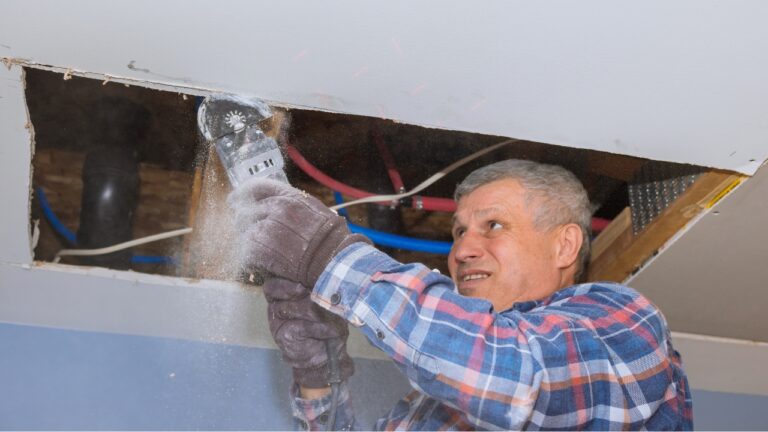
Photo credit: The Image Party/Shutterstock.com
Before next summer’s heat settles in, the small metal box tucked under your roof deserves a closer look. The detail that will matter most when temperatures spike is not just whether your attic fan spins, but whether the entire system around it is sized, wired, and vented to move the right amount of air without cooking your roof or your energy budget. If you treat that fan as a set‑and‑forget accessory instead of a critical part of your home’s climate control, you risk turning the attic into a permanent oven just when you need relief the most.
Why your attic fan matters more than you think
You feel summer in your living room, but the real battle is happening a few feet above your ceiling. When the sun loads heat into your shingles, the attic can climb far beyond outdoor temperatures, and if that heat has nowhere to go, it radiates down into every room you are trying to cool. A properly functioning fan pulls that trapped air out, protects your roof structure, and gives your air conditioner a fighting chance, while a neglected unit quietly fails and leaves the space to overheat for months at a time.
When the fan is not doing its job, your attic effectively becomes an oven that never shuts off, a problem that is easy to miss unless you deliberately go looking for it before the hottest weeks arrive. Reporting on attic performance warns that if the fan fails, the space above your ceiling can stay superheated around the clock, which drives up cooling costs and accelerates wear on insulation, wiring, and stored belongings if the problem goes unchecked. That is why the most important detail to lock in before next summer is not a cosmetic upgrade, but whether your fan and its supporting ventilation are actually sized and configured to move enough air out of the attic every single day.
The overlooked detail: balanced ventilation, not just a spinning fan
The temptation is to glance up, see blades turning, and assume your attic is fine. In reality, the crucial detail is whether the fan is part of a balanced system that lets fresh air in as fast as hot air is pushed out. Without enough intake at the soffits, the motor can struggle, the fan can pull conditioned air from your living space instead of from outside, and the attic can still run hot even though the unit appears to be working.
Inspectors who specialize in roof spaces flag three critical attic ventilation issues for all homes, new and old, and they start with a simple question: Is the system balanced or is the fan effectively just a powered hole in the roof deck. If insulation baffles are missing or soffit vents are blocked, the attic can be “starving for intake air,” which undermines even a high‑capacity fan. That is the detail you need to confirm now: not only that the fan runs, but that it has a clear, continuous path for cooler air to enter as hot air exits.
How to size your attic fan using real numbers, not guesswork
Once you know air can get in and out, the next question is whether your fan is actually big enough for the job. Sizing is not guesswork or a matter of picking the loudest model at the home center. You need to match the fan’s airflow rating to your attic’s volume so that the unit can exchange the air often enough to keep temperatures in check without wasting power or creating negative pressure inside the house.
Guidance on roof design points to the 1/300 Ventilation Ratio, which means you should provide one square foot of net free vent area for every 300 square feet of horizontally projected roof area, with some jurisdictions applying stricter or revised requirements. Fan manufacturers translate that into airflow by listing a CFM Rating, short for Cubic Feet per Minute, which tells you how much air the unit can move under ideal conditions. Solar attic fan buying guides explain that before you compare models, you should understand how CFM relates to your attic’s square footage and height so you can choose a fan that is neither undersized nor wastefully oversized for the space you are trying to cool CFM Rating.
The thermostat setting that makes or breaks summer performance
Even a perfectly sized fan will disappoint you if its thermostat is set wrong. If the control is dialed too high, the attic can bake for hours before the motor ever kicks on, and by the time it does, the heat has already soaked into your framing and drywall. If it is set too low, the fan may run constantly, chewing through energy and shortening its own life without delivering much extra comfort.
Specialists in residential cooling point out that Summer is known as the primetime for heat and humidity, which makes it one of the most important seasons to verify that your attic fan thermostat is calibrated to protect your home with cool air rather than simply reacting after the damage is done. Advice on what temperature you should set your attic fan to in the summer stresses that the control needs to be tuned so the unit starts exhausting hot air before it overwhelms your insulation and air conditioning, not long after the attic has already reached extreme temperatures Summer. That thermostat dial, often ignored once it is installed, is the small detail that can quietly determine whether your fan actually protects your home next season.
Testing your fan now, the way pros actually do it
Before you touch the thermostat, you need to know whether the fan even responds. A quick visual check from the yard is not enough, because a seized motor or failed control can leave the blades motionless until the first truly hot week exposes the problem. The smarter move is to test the system under controlled conditions while the stakes are still low.
Technicians who specialize in attic fans recommend a simple method: temporarily lower the thermostat setting to force the unit to start at a cooler temperature, then watch and listen to confirm that the motor engages and the fan reaches full speed. Detailed troubleshooting guidance explains that you can test whether the attic fan will turn on at the desired temperature by adjusting the control and observing the response, which helps you separate thermostat issues from wiring or motor failures before you call for service You. Homeowners who are comfortable climbing into the attic can also follow along with video demonstrations, where installers like Jun walk through an annual check that includes verifying power, inspecting the housing, and confirming that the fan cycles correctly when the thermostat is manipulated Jun.
Spotting early warning signs before the motor dies
Even if the fan starts on command, subtle symptoms can tell you it is nearing the end of its life. Grinding or rattling noises, weak airflow at the vents, or a unit that runs nonstop without noticeably cooling the attic are all signs that something inside the system is off. Catching those clues now gives you time to plan a repair or replacement instead of scrambling during the first heat wave.
Guides on roof equipment spell out that if your roof fan is making strange noises or failing to cool your space, those warning signs often point to worn bearings, damaged blades, or electrical issues that lead to reduced efficiency and higher energy bills, and they urge you not to let a failing unit limp along when it is cheaper to address common roof fan issues early Table of Contents. Electricians who see these problems every summer emphasize a few Key Takeaways: Detect attic fan problems early by checking for power loss, loud noises, weak airflow, continuous running, or visible damage, and then schedule safe attic fan repairs before the unit fails completely in peak season Key Takeaways. Those are the details you should be listening and looking for now, while you still have time to act on them.
Do you have enough intake? The soffit and baffle check
Once you are confident the fan itself is healthy, turn your attention to the quieter half of the system: the openings that let outside air in. If those soffit vents are clogged with paint, insulation, or debris, the fan will struggle to pull in fresh air and may instead draw conditioned air from your living space through ceiling leaks. That not only undermines cooling, it can also pull dust and insulation fibers into your home.
Attic specialists stress that INTAKE AIR VENTS at the soffit must be open and clear of debris, and that these vents are required to work in tandem with the fan so the system can move air efficiently rather than fighting against a blocked perimeter INTAKE AIR VENTS. Inspection checklists add that you should look for insulation baffles along the eaves to ensure the attic is not “starving for intake air,” and confirm that the overall system is balanced instead of acting as a single unplanned hole in the roof deck that bypasses proper airflow paths hole in the roof deck. If you find blocked vents or missing baffles, that is the structural detail to correct before you worry about upgrading the fan itself.
Choosing between solar, gable, and traditional fans
If your current unit is undersized or failing, the next decision is what type of replacement makes sense for your roof and budget. Traditional hardwired fans are familiar and relatively inexpensive, but they add to your electric load at exactly the time of year when your bills are already high. Solar models promise free operation once installed, while gable fans can be easier to service and may move air more quietly from the side of the house instead of through the roof deck.
Solar attic fan guides highlight several Key Factors to Consider Before You Buy, starting with how the CFM rating, roof orientation, and local sun exposure will affect performance, and they urge you to evaluate these points before you dive into specific product lists so you can match a model to your actual attic rather than to a marketing claim Key Factors. For homes with gable ends, product reviews of Attic Gable Fans explain that you should measure your attic space to determine the right airflow and note that units like the QuietCool AFG SMT‑3.0 Smart Attic Gable Fan are designed to combine power with smart controls so you can fine‑tune operation instead of relying on a single fixed thermostat setting Attic Gable Fans. Whatever style you choose, the detail that matters most is still the same: the fan must be sized and configured to work with your attic’s intake and exhaust layout, not against it.
Moisture, HVAC strain, and why this all pays off
Heat is only half the story. An attic that cannot breathe properly also traps moisture from everyday activities like cooking and showering, especially when bathroom or kitchen vents terminate in the roof space instead of outdoors. Over time, that damp, hot environment can warp framing, feed mold, and shorten the life of your roofing materials, even if you never notice a dramatic leak.
Ventilation experts note that when you Evaluate and Improve attic airflow, you are not just chasing comfort, you are prolonging the lifespan of your home and your HVAC system, which saves you money in the long term by reducing wear on both the roof and the equipment that cools the rooms below Evaluate and Improve. Electricians who deal with fan failures every year add that most attic fans are wired to run automatically, so if the unit stops cycling or runs continuously without relief, your attic becomes an oven that never turns off and your air conditioner has to fight that extra load for months at a time attic becomes an oven. Getting the details right now, from balanced intake to thermostat settings and fan sizing, is how you keep that from happening when next summer arrives.
Supporting sources: The Best Solar Attic Fans of 2025: A Comprehensive Buyer’s Guide …, The Best Solar Attic Fans of 2025 – Langy Energy.
Like Fix It Homestead’s content? Be sure to follow us.
Here’s more from us:
- I made Joanna Gaines’s Friendsgiving casserole and here is what I would keep
- Pump Shotguns That Jam the Moment You Actually Need Them
- The First 5 Things Guests Notice About Your Living Room at Christmas
- What Caliber Works Best for Groundhogs, Armadillos, and Other Digging Pests?
- Rifles worth keeping by the back door on any rural property
*This article was developed with AI-powered tools and has been carefully reviewed by our editors.