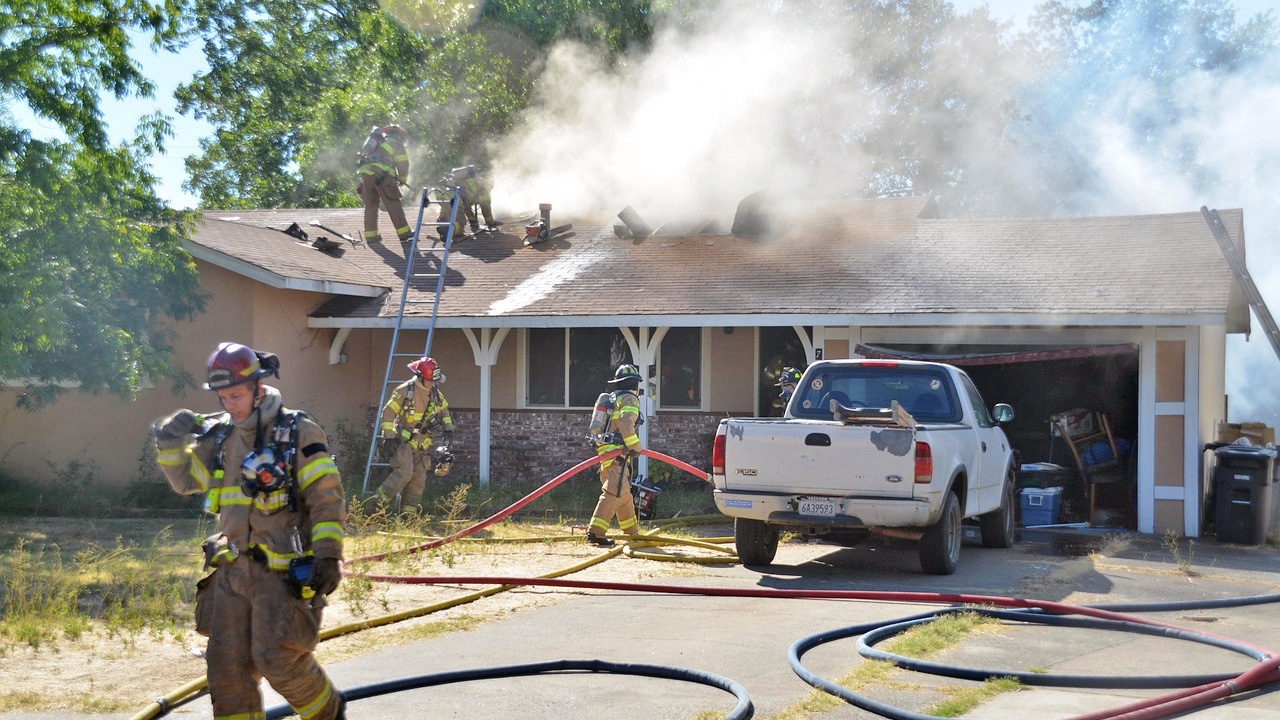
The home fire risk hiding in a place most people never look
Photo credit: chsentinel/Pixabay.com
Home fires rarely start with the dangers you can see. The real threat often hides in the quiet, unfinished corners of your house, where wiring, insulation, and forgotten storage all converge out of sight. If you want to cut your risk meaningfully, you have to look past the living room candles and into the spaces you almost never visit.
One of the most overlooked of those spaces is the attic, a cramped buffer between your living space and the roof that can quietly collect heat, dust, and electrical faults for years. When trouble starts there, it can spread fast before anyone notices, turning a small, preventable problem into a full structural emergency.
The overlooked danger overhead
Your attic is not just a storage zone, it is a dense cluster of electrical lines, insulation, and structural lumber that can turn into fuel if something goes wrong. Federal fire data on attic incidents in residential buildings shows that “heat from powered equipment,” largely tied to electrical distribution, accounts for 54 percent of these fires, which means the ignition often starts in the very systems you rarely see. Because that equipment is tucked behind joists and insulation, you may never spot the early warning signs of overheating or arcing until smoke is already pushing through the ceiling.
Attics are also hard to reach quickly, which gives a small flame more time to grow before you or firefighters can intervene. Guidance on attic fire safety notes that these spaces are often small and frequently packed with boxes, insulation, and stored belongings, conditions that make them especially prone to rapid spread once something ignites. When you combine that with the fact that an improperly sealed attic can trap hot air and make the space more prone to overheating and combusting, the risk becomes clear enough that you cannot afford to treat the area as an afterthought, as highlighted in advice on attic fire safety.
Wiring you never see, and why it matters
Electrical wiring is one of the most common ignition sources in hidden spaces, and the attic is where older or overloaded circuits often reveal their age. When you run new lighting, add a bathroom fan, or power a home office below, the extra load can stress old conductors that were never designed for modern demand. Fire specialists warn that outdated or damaged wiring is among the most dangerous hazards inside homes, and that old wiring in particular can quietly degrade until a loose connection or brittle insulation finally fails, a pattern underscored in guidance on Outdated, Damaged Wiring.
In the attic, those problems are magnified because rodents, temperature swings, and careless storage all take a toll on cables that no one is monitoring. Home safety advice for upper floors stresses that when you inspect your attic, you should start by looking for signs of faulty or outdated wiring, including frayed cords, exposed wires, or splices that were never placed in proper junction boxes. That same guidance notes that when frayed cords or exposed wires sit near dry wood or insulation, a single spark can be enough to start a fire, which is why you are urged to treat When inspecting your attic as a serious safety task, not just a quick glance.
Insulation, dust, and the slow build of fuel
Even if your wiring is sound, the materials that surround it can quietly raise your fire risk over time. Attic insulation is designed to trap heat, which is helpful for energy bills but dangerous when it is packed tightly around recessed lights, fan motors, or other equipment that already runs warm. If those fixtures are not rated for direct contact with insulation, the trapped heat can dry out nearby wood and create a hot spot that only needs a small fault to ignite, a pattern that aligns with federal findings that heat from powered equipment is a dominant factor in attic fires documented in the Jan report.
Dust and lint add another layer of risk, especially around vents and fans that move air through the attic. Over time, fine particles settle on motors, wiring, and junction boxes, turning them into tinder if a component overheats. Fire safety campaigns that focus on hidden hazards repeatedly point to lint and dust as underestimated fuels, noting that even if you change your lint filter after every load, your dryer and its exhaust path may still be a fire hazard without regular cleaning, a warning captured in guidance that begins with the blunt reminder “Dryer Lint Even if you change your lint filter after every load, your dryer my still be a fire hazard.”
The dryer connection hiding in your crawlspace and attic
One of the most surprising links between everyday chores and attic fires runs through your clothes dryer. Many homes route dryer vents through crawlspaces or up through the attic before they exit the roof, which means lint can accumulate in long, hard to reach ducts that no one ever inspects. Fire risk specialists describe dryer vent fires as a prevalent problem tied directly to lack of proper maintenance, explaining that lint buildup in vents and around the dryer can ignite and lead to dryer related fires in residential buildings, a pattern detailed in analysis of Why Dryer Vents Are a Fire Hazard.
When those vents run through your attic or crawlspace, the danger is compounded by the surrounding environment. Home improvement experts who focus on upper level risks note that most homeowners do not think about attic hazards or crawlspace issues at all, even though these areas can hide damaged ducts, disconnected vent lines, and lint piles that sit directly on wooden framing. One advisory on upper level safety even frames the issue with the blunt prompt “Wait, my dryer can cause a fire in the attic,” before explaining how long vent runs and poor installation can let hot, moist air and lint escape into enclosed spaces, a scenario highlighted in guidance on Shocking Fire Risks Lurking in Your Crawlspace or Attic.
Space heaters, chargers, and the quiet creep of overload
While the attic may be the hidden stage for many fires, the supporting cast often sits in plain sight in the rooms below. Portable space heaters, phone chargers, and extension cords can all push your electrical system past its limits, especially when they are plugged into the same outlet or power strip. Home maintenance guidance on hidden hazards points out that space heaters are a recurring source of trouble, and that a potential extension cord fire can start when cords are daisy chained or run under rugs, a setup that can overheat and burn down your house, a risk spelled out in advice on These Hidden Things in Your Home May Be a Fire Hazard.
Even when you are not actively using a device, leaving chargers and electronics plugged in around the clock can keep circuits warm and stressed. Fire insurance specialists who track household losses note that most home fires start in the kitchen, where overheated oil and burning food are obvious culprits, but they also warn that chargers and electronics can overheat or fail internally, even if they still work, and that these failures can ignite nearby materials. That is why they group chargers and electronics among the hidden home fire hazards and explain how to Mitigate Them with simple steps like unplugging unused devices and avoiding cheap, uncertified adapters.
The living room comfort traps
Your living room feels like the safest part of the house, but it is often packed with flammable fabrics and electronics that can turn a small spark into a fast moving fire. Safety experts who study typical layouts warn that overloaded electrical outlets in the average living room are a major concern, especially when televisions, gaming consoles, streaming boxes, and lamps all share the same power strip. In one breakdown of everyday risks, overloaded electrical outlets are singled out as a key hazard lurking in the average living room, a point underscored in reporting on Hidden Fire Hazards Experts Say Are Lurking in the Average Living Room.
Soft furnishings can make matters worse by giving flames plenty of fuel once they start. Curtains that hang too close to outlets, power strips, or even a cooktop in an open plan space can catch fire quickly if a spark or flare up reaches them. Fire safety guidance on hidden hazards inside your home calls out curtains placed too close to a cooktop as a specific example of how a decorative choice can become a serious risk, and it also warns that loose electrical outlets, where plugs wobble or fall out, can arc and ignite nearby materials, a reminder captured in advice that highlights how Curtains and loose outlets can cause you a lot of grief.
The kitchen: obvious flames, hidden triggers
You already know the stove is dangerous, but the less obvious kitchen hazards are often the ones that catch people off guard. National restoration specialists point out that kitchen fires are a leading cause of home fires in the United States, and that while many people are aware of the obvious risks like open flames or hot oil, they overlook the way grease buildup, cluttered counters, and neglected appliances can quietly raise the odds of ignition. One detailed overview of cooking risks notes that In fact, kitchen fires are a leading cause of home fires in the United States. While many people are aware of the obvious risks, there are hidden fire hazards that homeowners may not realize.
Grease is a particular problem because it does not just sit in pans, it also coats range hoods, filters, and extractor fans over time. Fire safety specialists who focus on household systems warn that grease fire dangers can come from the slow build up of cooking residue inside range hoods and extractor fans, and that over time this residue can ignite if a flare up or high heat reaches the ductwork. They also caution that as the weather turns colder, people sometimes use ovens or stovetops for extra heat or for drying clothes, which can push appliances beyond their intended use and increase the chance of ignition, a pattern described in guidance on Grease and other hidden fire risks in your home.
The attic’s chemical and clutter problem
Beyond wiring and insulation, the way you store things in your attic can quietly set the stage for a serious fire. Many households treat the space as a dumping ground for old paint, solvents, gasoline for lawn equipment, and seasonal decorations, all of which can add up to a dense mix of combustible material. Fire safety educators who focus on overlooked hazards stress that improperly stored flammable liquids represent a hidden chemical risk, and that many homes contain surprising amounts of these products near ignition sources such as water heaters, furnaces, or electrical panels, a warning laid out in guidance on Fire Safety Starts at Home and the Hidden Fire Hazards You are Probably Missing.
Clutter itself becomes a hazard when it blocks access routes and buries potential ignition points. If boxes are stacked against recessed lights, around chimneys, or over junction boxes, they can trap heat and hide early signs of trouble like scorch marks or a faint smell of burning. Insurance guidance that challenges the assumption that “House Fires Could Never Happen To Me” explains that people often underestimate the number of ignition sources in their home that are overlooked, and that this complacency can leave flammable clutter in direct contact with heat producing equipment, a mindset addressed in the piece titled House Fires Could Never Happen To Me… or Could They?
Simple checks that cut the risk dramatically
The good news is that you do not need specialized tools or training to reduce these hidden risks in a meaningful way. A basic attic walk through with a flashlight, looking for frayed wires, open junction boxes, and signs of rodent damage, can catch problems long before they escalate. In the living areas below, you can unplug idle chargers, avoid daisy chaining extension cords, and keep space heaters clear of furniture, steps that align with broader advice on hidden home fire hazards and how to mitigate them, including the reminder that most fires start in the Hidden Home Fire Hazards and How to Mitigate Them.
Routine cleaning also plays a bigger role than you might expect. Fire protection guidance from major alarm and monitoring providers emphasizes that the kitchen is a prime ignition zone and that you should clean your oven, stovetop, microwave, and toaster regularly because baked on residue or grease will increase the risk of fires. The same logic applies to dryer vents, range hoods, and attic fans, where removing lint and residue can strip away the fuel that would otherwise let a small fault grow into a major blaze, a point reinforced in advice that groups the Kitchen and heating equipment together as key home fire hazards.
Like Fix It Homestead’s content? Be sure to follow us.
Here’s more from us:
- I made Joanna Gaines’s Friendsgiving casserole and here is what I would keep
- Pump Shotguns That Jam the Moment You Actually Need Them
- The First 5 Things Guests Notice About Your Living Room at Christmas
- What Caliber Works Best for Groundhogs, Armadillos, and Other Digging Pests?
- Rifles worth keeping by the back door on any rural property
*This article was developed with AI-powered tools and has been carefully reviewed by our editors.