The extension-cord setup that looks normal and still raises fire risk
Photo credit: Bru-nO/Pixabay.com
Extension cords are so common in modern homes that you barely notice them, especially when they are tucked neatly behind furniture or hidden under a rug. That tidy setup can look safe and even well organized, yet still load your wiring with enough heat and stress to raise the risk of an electrical fire. By understanding how a “normal” looking cord arrangement quietly crosses the line into danger, you can keep the convenience while stripping out the hidden hazards.
The most dangerous extension-cord installations are rarely the dramatic tangles you see in warning posters. They are the everyday workarounds that let you plug in one more device, stretch power a few more feet, or hide a cable so guests will not trip. The details of where you place a cord, what you plug into it, and how long you leave it in service matter far more than how tidy it appears on the surface.
Why the neat extension-cord corner is not as harmless as it looks
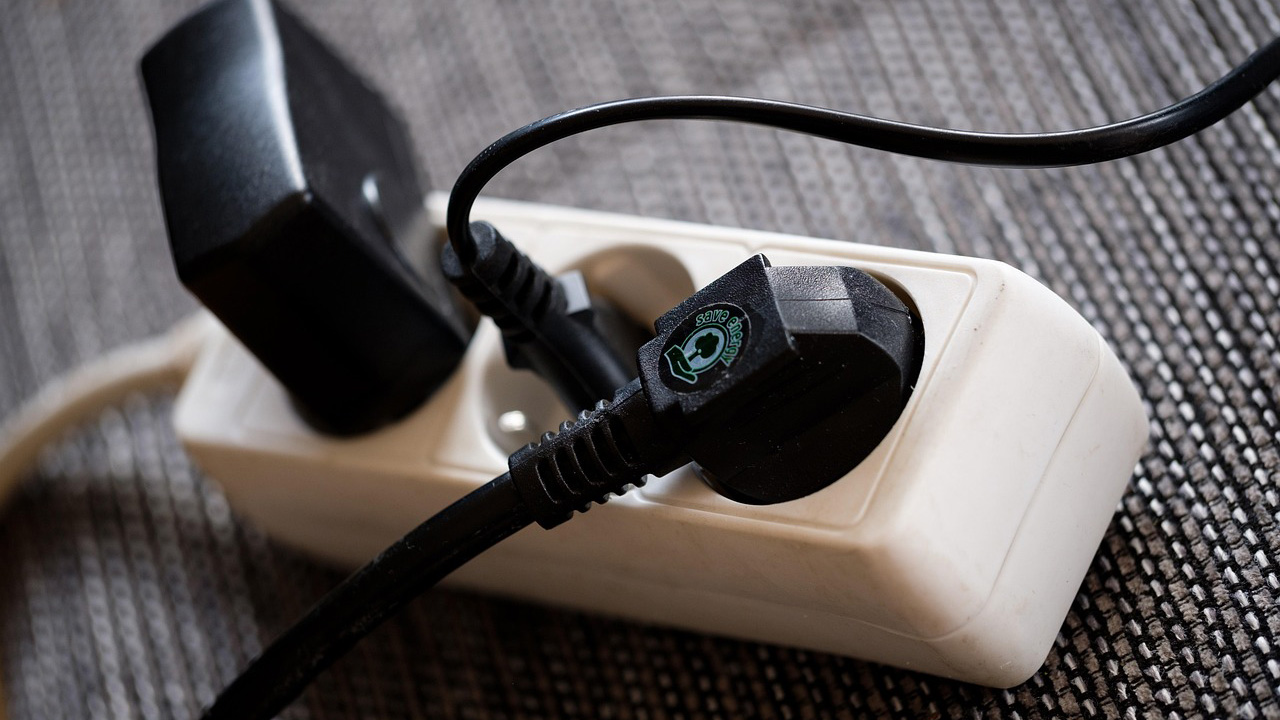
The classic “looks fine” setup usually starts with a single outlet that has to do too much work. You might plug in a multi-outlet strip, add a couple of chargers, a lamp, maybe a fan or gaming console, and then run one more cord to reach a distant shelf. Visually, you see a clean row of plugs and a cord routed out of sight, but electrically you have created a cluster of connections that can overheat if the total load creeps past what the cord and outlet are designed to handle, a pattern that safety guidance flags as a common path to overheating and household extension cord fires.
That risk grows when you treat this arrangement as permanent infrastructure rather than a temporary fix. Safety rules on Extension Cord Safety stress that cords are not a substitute for installed wiring and that using them as long term power solutions violates basic electrical standards. When you leave a cord in place for months, dust builds up, insulation ages, and small nicks or loose connections have more time to turn into hot spots. The corner still looks orderly, but the system behind it is working harder and running hotter than you realize.
Improper placement: when “out of sight” becomes a fire hazard
One of the most deceptive parts of a normal looking setup is where you route the cord. You might slide it under a rug to prevent tripping, pinch it behind a door, or snake it through a doorway so it does not clutter the floor. Fire instructors warn that this kind of Improper Placement can trap heat and damage the cord’s insulation, even when the outer jacket still looks intact.
Guidance on Understanding the Fire Hazards of Using Extension Cords notes that running cords under carpets or rugs prevents heat from escaping and hides early warning signs like discoloration or melting. The same warning explains that Running cords through doorways or windows can crush the insulation each time they open and close. In other words, the very steps you take to keep a cord out of sight can quietly strip away its protective layers and turn a clean looking room into a space where one damaged spot is all it takes to ignite nearby dust, carpet, or furniture.
Overloading without realizing it: the hidden math behind your plugs
Overloading is rarely obvious, because you do not see amps and watts, you see empty outlets. A single extension cord or power strip may offer six or even twelve receptacles, which tempts you to fill them, especially when you are powering low profile devices like chargers and speakers. Yet safety guidance on Extension cord ratings stresses that every cord has a maximum current and that exceeding it can create a fire hazard even when the plugs are not visibly damaged.
Home safety experts describe how Extension cords are helpful but easily misused, and that Overloading them can lead to melted insulation, sparks, and electrical fires. Another advisory on Designed for Short term use explains that overheating and melting insulation are clear signs that a cord is carrying more current than it should, and that this significantly increases the risk of fire. The math is simple but unforgiving: if the combined draw of your devices exceeds the cord’s rating, the cord becomes the weak link, no matter how tidy the plug strip looks.
Daisy chains and “temporary” fixes that quietly become permanent
Another normal looking hazard is the daisy chain, where you connect one extension cord to another or plug a power strip into a cord to reach a distant corner. It feels like a clever way to extend reach without calling an electrician, but electrical specialists are blunt that Why Daisy Chaining Is Dangerous is that it stacks multiple failure points and can push the first cord in the chain far beyond its intended load. The first cord, often the thinnest, ends up carrying the combined current for everything downstream.
Consumer safety advice on Extension Cord Safety Mistakes Every Homeowner Must Avoid warns that connecting multiple cords to reach a distant outlet is a common error, because most cords are not designed for long distance use at high loads. Another guide on Follow extension cord limits explicitly tells you to avoid daisy chaining at all costs, noting that Each cord comes with specific ratings that are easy to exceed when cords are linked. What starts as a “temporary” workaround for a holiday display or a home office often stays in place for months, quietly running at the edge of its capacity.
The illusion of safety in organized power strips and multi-way blocks
Modern multi-way extension blocks are marketed as a way to tame clutter, and when you line up your plugs in a single bar, the result can look impressively controlled. One buyer of a Brennenstuhl Premium-Line 12-way extension lead described purchasing it to do away with a jumble of smaller extension cords and to keep cords and plugs in a neat row. That kind of consolidation can reduce tripping hazards and make it easier to see what is plugged in, but it does not change the electrical limits of the circuit feeding the strip.
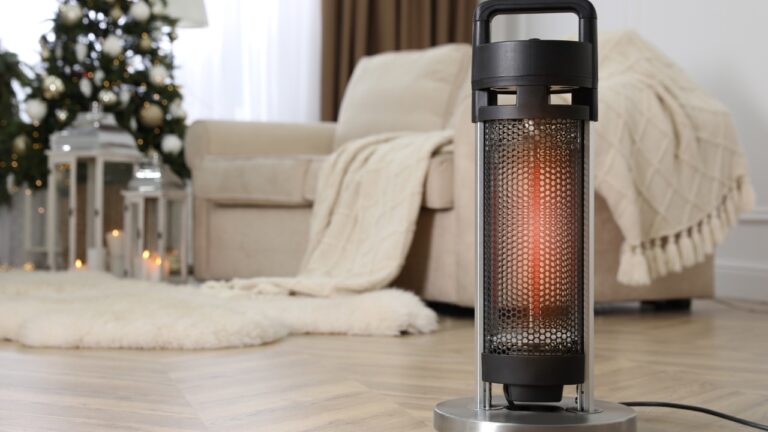
Safety advisories on Appliances That Should Never Be Plugged Into extension cords emphasize that you should never plug another power strip or extension into a strip, because that can overload the circuit and violate fire safety codes. The same guidance singles out Extension Cord misuse with high draw devices like Space Heaters, noting that Space heaters require significant current and can quickly overheat cords. A strip that looks professionally organized can still be one overloaded device away from failure if you treat every open socket as an invitation.
Temporary by design: why long term use quietly raises the stakes
Extension cords are built for flexibility, not permanence, which means their insulation, connectors, and strain reliefs are not intended to live under constant tension or foot traffic. Electrical specialists underline that cords are Term Use devices whose lifespan depends on how often and how heavily you use them. When you leave a cord in place for years, especially in a high traffic area, you are asking a temporary product to do a permanent job.
Institutional safety rules echo this point. A campus guideline titled Only use extension cords for temporary power needs advises rearranging desks and equipment toward permanent outlets instead of relying on cords as fixed wiring. Another advisory on home risks notes that Are extension cords safe depends on how you use them, and that When you rely on them too much it can lead to hazards for you and your family. The same guidance explains that However safe they may be in short bursts, treating them as permanent wiring steadily erodes that safety margin.
Subtle warning signs your “normal” setup is already failing
Because extension cords are often hidden, you may not notice early signs of trouble until they are advanced. Yet your senses can pick up several subtle clues that a neat looking installation is under stress. State fire officials list Potential Warning Signs and Hazards Call the fire department immediately if you see Arcs, sparks, or if you notice a vague smell of something burning near outlets or cords. Warm or discolored plugs, flickering lights when devices switch on, or a cord that feels hot to the touch are all red flags that current is exceeding what the system can safely handle.
Fire safety educators also warn that if a cord is covered, for example by a rug or furniture, it can overheat and Extension cords can result in a fire without any visible flames beforehand. Even cosmetic changes can be clues: a product listing for a solar light cable notes that The white extension cord will inevitably produce slight dirt during production and that this is normal, which underscores how easy it is to dismiss discoloration. In your home, however, new dark spots, melted areas, or a plastic smell are not normal and should prompt you to unplug and inspect the entire setup.
Safer ways to get the reach and outlets you actually need
Reducing risk does not mean giving up on flexibility, it means matching the tool to the job and respecting its limits. Safety checklists on Safe Work Practices advise you to When using an extension cord, use it only when necessary and unplug it when not in use. They also stress Use of cords that are properly rated for the environment and load, such as heavy duty outdoor cords for yard tools instead of light indoor cords.
Home restoration experts add that With the proper use of extension cords, you can power your devices safely, but you should Residential Extension Cord Safety Tips like never forcing a plug to fit into an outlet. Another advisory on Here are a few tips emphasizes Do Not Overload cords and to ensure that Be Sure Extension Cords have the correct gauge and rating for the devices you plan to plug in. In many cases, the safest long term solution is not a bigger cord at all but a new outlet installed by a licensed electrician where you actually need power.
Reframing extension cords as hidden infrastructure, not harmless accessories
Once you start looking at cords as part of your home’s electrical infrastructure rather than as harmless accessories, the risks in a normal looking setup become easier to spot. Fire safety educators remind you that Understanding the Fire Hazards of Using Extension Cords is essential if you want to keep your home safe, because cords are a common household item that many people underestimate. Another home safety guide notes that While we all recognize the dangers of open flames and faulty wiring, there are hidden fire hazards you may not have thought about, and extension cords often sit on that list.
Electrical safety programs on Extension Cord Safety underline that a fire hazard may result if an extension cord is overloaded or improperly used, and that cords used for more than ninety days are considered permanent wiring, which is not allowed under OSHA rules. Another insurance advisory on Can extension cords be a fire hazard explains that relying on them too much can create risks for you and your family. When you treat cords with the same respect you give to your breaker panel or fixed wiring, you are far more likely to notice when a “normal” looking arrangement has quietly crossed into the danger zone.
Like Fix It Homestead’s content? Be sure to follow us.
Here’s more from us:
- I made Joanna Gaines’s Friendsgiving casserole and here is what I would keep
- Pump Shotguns That Jam the Moment You Actually Need Them
- The First 5 Things Guests Notice About Your Living Room at Christmas
- What Caliber Works Best for Groundhogs, Armadillos, and Other Digging Pests?
- Rifles worth keeping by the back door on any rural property
*This article was developed with AI-powered tools and has been carefully reviewed by our editors.