The detector date code you should check tonight and where it’s hidden
Photo credit: Ziggy1/istock
Your smoke and carbon monoxide detectors quietly decide how much time you have to escape a fire, yet the tiny date code that tells you whether they still work is easy to miss. That code is usually hidden on the back or underside of the alarm, and if it shows your device is past its lifespan, you are relying on a piece of plastic instead of a life‑saving sensor. Tonight is the night to find that code, decode it, and replace anything that has silently expired.
Once you know where to look and what the numbers mean, checking every alarm in your home becomes a 20‑minute safety audit instead of a mystery. You will see why manufacturers, safety agencies, and even electricians keep repeating the same message: do not trust a chirping alarm or a fresh battery if the date stamp says the detector itself is too old.
Why the date code matters more than the chirp
The most common mistake you are likely to make with detectors is assuming that a test beep or a new battery means the device is fine. In reality, the sensing chamber inside a smoke alarm degrades over time, so an expired unit can still chirp on command while failing to detect a slow, smoky fire in time. Guidance from fire safety specialists stresses that detectors have a defined service life, often in the 10 to 14 year range, and that the date code is the only reliable way to know whether yours is still within that window.
Manufacturers design their products around this limited lifespan, and industry research, including a poll cited in a detailed guide on How to Date Fire Alarm Detectors, notes that many popular detectors, such as Apollo fire alarm devices, are built for roughly a 10–14‑year lifecycle. That means a detector manufactured in 2011 could be dangerously overdue for replacement even if it still responds to the test button. Treat the date code as the expiration label on food in your fridge: if it is past the safe window, you do not debate it, you replace it.
What the “manufacturing date” on your alarm actually tells you
When you finally flip the alarm over, you will usually find a small block of text that includes a “manufacturing date” or a coded string of numbers. That manufacturing date is not a suggestion or a serial curiosity, it is the starting point for the detector’s entire safety life. Fire protection guidance explains that the manufacturing date indicates when the smoke detector was built, and that it is typically printed in a clear format, often as a sequence of day, month, and year, so you can calculate its age at a glance.
Some devices also include a separate “replace by” date, but if you only see the manufacturing stamp, you can still work out whether the unit is too old. Consumer safety advice notes that learning about these markings helps you maintain the smoke detector well, because you can compare the manufacturing date to the recommended service life and your current calendar year. A practical breakdown from Learning about the Manufacturing Date walks through how that simple printed line, often in a day/month/year format, becomes your primary tool for deciding if an alarm is still trustworthy.
Where manufacturers hide the code on the device
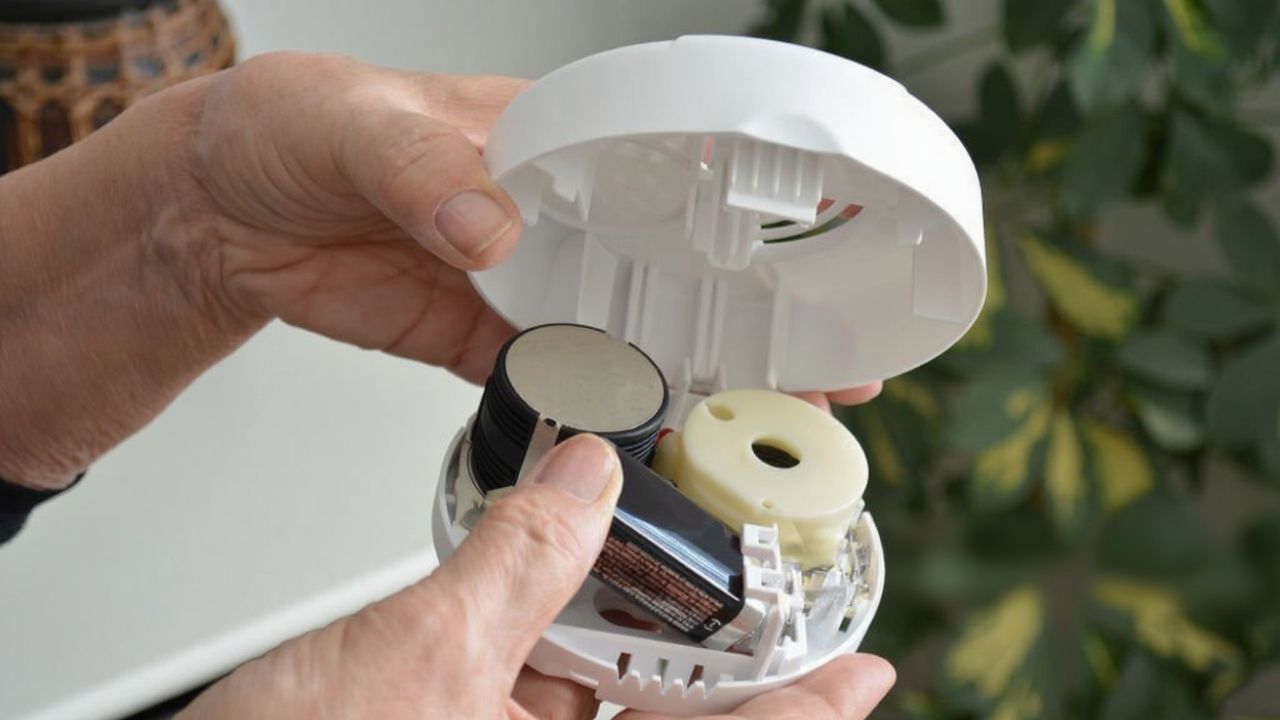
Once you know what you are looking for, the next challenge is finding it without dismantling half your ceiling. On most detectors, the date code is printed or laser etched on the underside of the detector base or housing, which means you will not see it until you twist the alarm off its mounting plate. Fire safety guides point out that this underside location protects the code from paint and dust, but it also means you must physically remove the alarm to confirm whether it is still within its recommended lifespan.
If you are dealing with branded systems, such as Apollo fire alarm devices that are common across the United Kingdom and globally, the same principle applies. A dedicated Apollo Date Code Guide explains that the manufacturer uses a consistent format and places the code on the underside so installers and inspectors can quickly check it during routine visits. That guide, part of a broader resource on Apollo Date Code Guide, reinforces that you should expect to find the crucial numbers on the hidden face of the detector, not on the visible trim ring.
How to decode different brands and formats
Once you have the alarm in your hand, the date may be obvious, or it may be buried in a string of characters that looks more like a VIN than a calendar. Many manufacturers use simple numeric dates, but others rely on internal codes that combine week numbers, year digits, or batch identifiers. Technical resources on How to Date Fire Alarm Detectors explain that, even when the code looks opaque, it still maps back to a specific manufacturing week and year, which lets you confirm whether the device is still within its recommended lifespan.
For example, a code that begins with “2119” might indicate the twenty‑first week of 2019, while another brand might stamp “2019‑05‑21” in a more familiar order. Some guides, including those that reference Jun and the Apollo Date Code Guide, note that installers often rely on quick reference charts or internal documentation to translate these formats, but as a homeowner you can usually find the explanation in the product manual or on the manufacturer’s website. The key is to treat any unfamiliar string near the words “date code” or “manufactured” as worth decoding, rather than assuming it is just a serial number.
The 10‑year rule and when to replace immediately
Even if your detector looks pristine, the chemistry inside it does not last forever, which is why so many safety organizations converge on a simple rule of thumb: replace smoke alarms after about ten years. Municipal fire departments explain that smoke alarms expire after ten years and advise you to check the date on the back of the alarm to see whether it has passed that mark. The City of Calgary’s guidance on Smoke alarms is blunt on this point, stating that once an alarm hits that age, it should be treated as expired regardless of how it behaves during a test.
Manufacturers echo that message. Aico, for example, notes that most of its alarms have a 10‑year life, after which they should be replaced to ensure you carry on receiving the correct protection, and that many units include a recommended “replace by” date printed on the casing. In its homeowner support material on How do I check the age of my alarm, the company spells out that you should use either the manufacturing date or the printed “replace by” label to decide when to swap the unit. If your calculation shows the alarm is older than ten years, or if there is no date code at all, the safest move is to replace it immediately.
When you cannot find any date at all
Occasionally you will pull an alarm off the ceiling and find nothing that looks like a date, even after checking inside the battery compartment and along the rim. Electricians warn that this is not a sign of a timeless device, it is usually evidence that the detector predates today’s manufacturing standards. One troubleshooting guide notes that if you cannot find the expiration date inside the alarm next to the battery or stamped on the back of the alarm, your smoke detector likely predates current requirements and should be replaced without delay.
That advice is not theoretical. A detailed breakdown from Can you find the expiration date spells out that if there is no visible date code, the device likely predates today’s manufacturing standards and should be replaced immediately. Another guide on how to replace a smoke detector that is older than 10 years reinforces that the date on the back indicates when the smoke detector was built, and that if the detector is older than 10 years from today’s date or there is no date at all, you should assume the device is outdated and replace it immediately. That recommendation is laid out clearly in the section titled If the detector is older than 10 years, which treats the absence of a date as a red flag rather than a mystery to ignore.
Smart shopping: what to look for in your next detector
Once you start checking dates, you may discover that several alarms in your home are due for retirement at the same time, which turns you into a buyer overnight. When you are choosing replacements, it pays to look beyond the price tag and focus on features that directly affect your safety. Independent testing labs advise you to look for the UL Certified mark on smoke and carbon monoxide detectors, which signals that the device meets specific performance standards and has been evaluated for issues like the triggering of nuisance alarms.
Modern systems also offer interconnected alarms, where if one detector senses smoke or carbon monoxide, all of them sound, whether the detectors are hardwired or use wireless links. That kind of networked response can be critical if a fire starts in a remote part of your home, such as a garage or basement, and you are asleep on another floor. A comprehensive buying guide on smoke and carbon monoxide detectors highlights these features, urging you to prioritize UL certification, clear alerts, and designs that reduce nuisance alarms so you are less tempted to disable them.
Routine checks: pairing the date code with monthly tests
Finding the date code is a one‑time project for each alarm, but keeping your detectors reliable is an ongoing habit. Fire safety agencies recommend that you test smoke alarms every month by pressing their test buttons, which confirms that the power supply and sounder are working. They also advise that if your alarms use regular batteries, you should replace them at least once a year, and that you should always have an escape plan so everyone in your household knows what to do when the alarm sounds.
Carbon monoxide detectors deserve the same discipline. Insurance and safety guidance on Testing CO Detectors recommends that you press the test button to make sure the alarm sounds and, if the device has replaceable batteries, replace them according to the manufacturer’s instructions. A practical tip is to tie these checks to a recurring reminder in your calendar or to seasonal chores like changing clocks. State‑level advice on how to Maintain and Test your alarms reinforces that regular testing, timely battery changes, and a clear escape plan work together with the date code to keep your household protected.
Tonight’s checklist: a room‑by‑room sweep
Turning all of this guidance into action is straightforward if you treat it like a short, focused project. Start at your front door and move clockwise through your home, checking every bedroom, hallway, and level for a smoke or carbon monoxide detector. In each room, twist the alarm off its base, look for the manufacturing date or date code on the back or underside, and write it down. If the date is more than ten years old, or if you cannot find any date at all, mark that unit for replacement.
Online communities have been sounding this alarm for years. A widely shared Life Pro Tip on CHECK THE EXPIRATION DAT reminds readers that smoke alarms have expiration dates and that the date is located on the back of the alarm, urging people not to just change the battery if it is beeping but to check the expiration date because it could save your life. Combine that grassroots urgency with the structured advice from professional guides, and your evening checklist becomes clear: find the hidden date code, decode it, and replace anything that has quietly aged out of its job.
Like Fix It Homestead’s content? Be sure to follow us.
Here’s more from us:
- I made Joanna Gaines’s Friendsgiving casserole and here is what I would keep
- Pump Shotguns That Jam the Moment You Actually Need Them
- The First 5 Things Guests Notice About Your Living Room at Christmas
- What Caliber Works Best for Groundhogs, Armadillos, and Other Digging Pests?
- Rifles worth keeping by the back door on any rural property
*This article was developed with AI-powered tools and has been carefully reviewed by our editors.