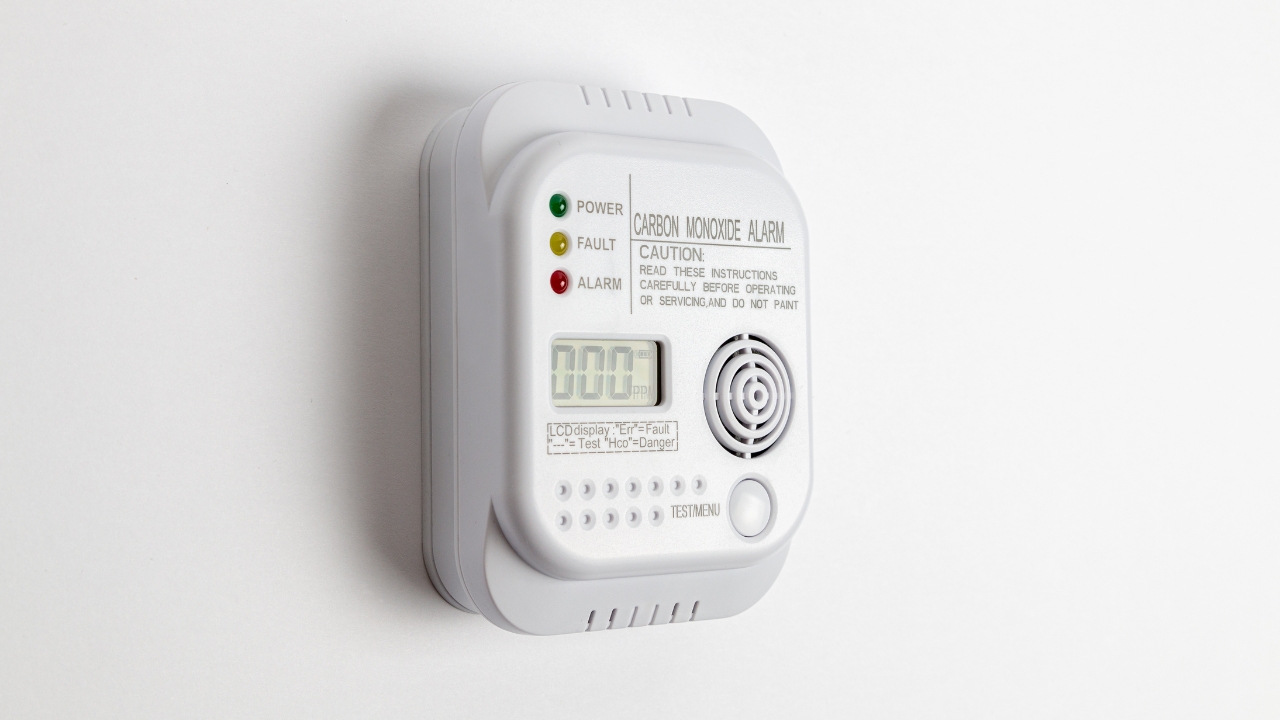
If your CO alarm chirps randomly, what it usually means and what not to ignore
Photo credit: Zigmar Stein/Shutterstock.com
When a carbon monoxide alarm breaks the quiet with a random chirp, it is tempting to brush it off as a glitch. In reality, those short beeps are coded messages about everything from a dying battery to a life‑threatening buildup of gas. Understanding what each pattern usually means, and which sounds you must never ignore, turns that noise into a clear safety signal instead of background irritation.
By learning how to decode chirps, continuous beeps, and silence after an alarm, you give yourself a head start in an emergency and avoid living with a detector that quietly stopped protecting you. The patterns are standardized enough that once you know them, you can respond with confidence instead of guesswork.
1. Why random chirps matter more than you think
A carbon monoxide alarm is one of the few devices in your home that can warn you about a danger you cannot see, smell, or taste. Carbon monoxide is described as a colorless, odorless, and toxic gas, and your detector is designed to translate that invisible risk into distinct sounds that tell you when to leave, when to ventilate, and when to replace equipment, as detailed in guidance on types of beeps. Treating those sounds as random noise, or assuming every chirp is just a low battery, can leave you exposed to a gas that can incapacitate you before you realize anything is wrong.
Manufacturers program specific patterns so you can tell the difference between a true emergency and a maintenance issue. A continuous alarm pattern, a single chirp every minute, or a chirp every 30 seconds each point to a different problem, from dangerous gas levels to an expired sensor. When you understand that design, a “random” chirp becomes a prompt to act, not a mystery to ignore, which is why safety campaigns urge you to learn the sounds of your alarms alongside the tones used for SMOKE ALARMS that signal you to Get out.
2. The emergency pattern you must never ignore
The most critical sound your carbon monoxide alarm can make is a rapid, repeating emergency pattern that indicates dangerous gas levels. Many units use what one major manufacturer calls a Continuous Four Beep Alarm Pattern, a sequence of four loud beeps followed by a pause that repeats until the air clears or the unit is silenced, as explained in its breakdown of Continuous Four. Another brand describes a similar “4 Beeps and, Pause, EMERGENCY” signal that explicitly means carbon monoxide has been detected in the area and you must treat it as a life‑threatening situation, according to its guide to Different Types of Beeps and Chirps.
When you hear that kind of continuous alarm, your next steps should be immediate and methodical. You should move everyone outside to fresh air, avoid switching lights or appliances on or off, and call emergency services from a safe location, a sequence echoed in advice on What Do when your alarm sounds. You should not reenter the building until professionals tell you it is safe, even if the alarm stops on its own, because carbon monoxide can linger or build back up once equipment restarts.
3. One chirp every minute: the classic low‑battery warning
The pattern most people associate with a “random” chirp is a single short beep at regular intervals, often around once a minute. That sound is usually the detector’s way of telling you the battery is running low and needs to be replaced, a behavior described in detail in manufacturer support that labels this pattern as a Low Battery alert for the carbon monoxide alarm and explains that the unit will chirp until you install a fresh cell, as outlined in its explanation of Low Battery. If you silence or ignore it, you risk ending up with a detector that looks normal on the ceiling but has no power to sense gas.
Replacing the battery promptly is not just about stopping the noise, it is about restoring full protection. Some models use replaceable alkaline batteries, while others rely on sealed lithium packs that last the life of the unit, but in both cases a chirp is your cue to act. One troubleshooting guide notes that a low battery may be the most common cause of nuisance chirping and urges you to follow the manufacturer’s instructions to replace the detector’s battery rather than disabling the unit, advice that appears in its list of reasons a Low Battery May Be behind the sound.
4. Chirps every 30 seconds: end‑of‑life and replacement alerts
A different, and often misunderstood, pattern is a chirp roughly every 30 seconds. Fire safety officials explain that if your CO alarm chirps every 30 seconds, it is not an emergency but you should replace the CO alarm as soon as possible, because that pattern usually signals that the sensor has reached the end of its life and will not reliably detect gas, according to guidance that notes If your CO alarm chirps every 30 seconds, it is signaling that status. The same guidance points out that All CO alarms produced after August 1, 200, are required to have an end‑of‑life warning, which is why you may hear this pattern even when the battery is new.
Most carbon monoxide detectors have a life expectancy in the range of 5 to 10 years, and security experts emphasize that the sensors degrade over time even if the device looks fine on the wall. One resource on understanding different beeps notes that many models are designed to signal end of life with a regular chirp and that you should replace the entire unit, not just the battery, once it reaches that age window of typically 5–10 years, as explained in its overview of Sometimes the beeping means the detector itself has expired.
5. When a stopped alarm still means danger
One of the most unsettling scenarios is when your carbon monoxide detector was going off, then suddenly stopped. It is tempting to assume the danger has passed, but safety guidance stresses that you should still treat the situation seriously. Advice on what to do when “My Carbon Monoxide Detector Was Going Off Then Stopped” explains that even if the alarm silences, you should ventilate the area, check for symptoms like headache or nausea, and contact professionals to inspect your appliances, because the gas may still be present or could build up again once systems cycle, as laid out in the section titled My Carbon Monoxide Detector Was Going Off Then Stopped.
In some cases, what sounds like a brief alarm could be a transient event, such as a short burst of combustion by‑products when a boiler or stove first ignites. A technical discussion of alarm behavior notes that Optical smoke detectors are particle detectors and that a sound you heard could be a “transient event” caused by a brief disturbance, but it still stresses that it is important to use the correct alarm for the hazard and to investigate any unexplained activation rather than dismissing it, as highlighted in a forum thread on a CO alarm went off then stopped. The key is to let professionals, not guesswork, determine whether the danger has truly passed.
6. Nuisance chirps, placement mistakes, and maintenance issues
Not every chirp means your home is filling with carbon monoxide, but nuisance sounds still deserve attention because they often point to fixable installation or maintenance problems. One troubleshooting guide lists several triggers for nuisance alarms or chirping, including Location too close to fuel‑burning appliances, high humidity, or areas with temperature extremes, and it notes that moving the detector to a better spot can reduce false alerts, as described in its section that begins with Here are few things that may be triggering nuisance alarms. Dust, pet hair, and household chemicals can also interfere with sensors, which is why regular cleaning and avoiding harsh products around the unit matter.
Manufacturers warn that you should Never use water, cleaners or solvents on your smoke or carbon monoxide alarm because they can damage the detector and lead to malfunction or nuisance chirps. Instead, they recommend gently vacuuming around the vents and following the manual for any additional maintenance, as outlined in advice on how to Never treat the device. If nuisance chirps persist after you have checked placement, cleaned the unit, and replaced the battery, that is a strong sign the detector may be failing and needs replacement.
7. Telling CO alarms from smoke alarms and other beeps
In a modern home, you may have multiple devices beeping at once, from smoke alarms to smart thermostats, which makes it easy to misinterpret a sound. Fire safety materials emphasize that a continued set of three loud beeps, described as beep, beep, beep, means smoke or fire and that you should Get out, call 9‑1‑1, and stay out, a pattern that differs from the four‑beep carbon monoxide emergency signal, as explained in a guide to the sounds of ALARMS. Knowing whether you are hearing three beeps for smoke or four for carbon monoxide helps you decide whether to crawl low under smoke or focus on shutting off fuel‑burning appliances once you are safely outside.
Some home security systems and smart detectors add their own tones and voice prompts, which can layer on confusion if you have not reviewed the manual. A detailed breakdown of alarm behavior notes that different types of beeps correspond to specific alerts, from low battery to end of life, and that you should consult your model’s chart to match the sound you hear to the right response, as summarized in a guide that asks What Does a carbon monoxide detector beep mean. Treating every unexplained beep as a generic annoyance is risky; instead, think of each pattern as a specific message you can decode.
8. How pros decode beeps: expert tips and common patterns
Technicians who install and service alarms rely on a mental checklist of patterns to quickly diagnose what your detector is trying to say. One safety resource groups these into categories such as emergency alarms, intermittent chirps for maintenance, and error codes or erratic beeping that may indicate a malfunction, and it notes that Intermittent Chirps (Maintenance) often point to issues like dust buildup or a need for sensor recalibration, as described in its overview of Carbon Monoxide Detector Beeping. When you call for help, being able to describe whether you hear a single chirp every minute, a chirp every 30 seconds, or a continuous alarm helps them zero in on the likely cause before they even arrive.
Some home service companies go further and publish consumer‑friendly guides that walk you through the same logic. One such guide explains that Alert #2, described as One (1) Beep/Chirp Every 30–60 Seconds, usually signals a low battery or end‑of‑life warning depending on your model, and it encourages you to check the manual for your specific pattern so you can respond correctly, as detailed in its section on Alert #2. Another troubleshooting article frames the process as Safety Steps and Troubleshooting, urging you to treat continuous beeping as an emergency, intermittent chirps as maintenance flags, and any unexplained or erratic behavior as a reason to replace the unit, guidance captured in its breakdown of Safety Steps and Troubleshooting.
9. Practical steps to stay ahead of the next chirp
Staying ahead of those unnerving chirps starts with a simple routine: test your alarms monthly, replace batteries on a set schedule, and note the installation date so you know when the unit is approaching the end of its 5–10 year lifespan. One detailed explainer on why your detector is beeping stresses that carbon monoxide detectors beep for a variety of reasons and that this attention‑grabbing alarm is designed to prompt action, whether that means evacuating, changing a battery, or purchasing a whole new unit, as outlined in its reminder that Carbon Monoxide Detector Beeping May Mean More Than Low Battery. Keeping spare batteries on hand and setting calendar reminders for replacement can turn a late‑night chirp from a crisis into a quick fix.
If you are still unsure what a particular sound means, do not hesitate to lean on expert advice. A home improvement segment featuring Sep home expert Lou Manfredini walks through common beeping patterns and emphasizes that if your smoke detector or carbon monoxide detector is beeping and you cannot identify the cause, you should consult the manual or call a professional rather than disabling the device, a point he makes in a video titled Sep that answers why your alarm is chirping. Other guides on Why Is Carbon Monoxide Detector Beeping explain that Carbon monoxide (CO) is a colorless, odorless, and toxic gas and that you should replace a malfunctioning detector immediately instead of living with uncertainty, as underscored in their section labeled Why Is Carbon Monoxide Detector Beeping. The bottom line is simple: when your CO alarm chirps, it is talking to you, and your willingness to listen can be the difference between a minor inconvenience and a preventable tragedy.
Like Fix It Homestead’s content? Be sure to follow us.
Here’s more from us:
- I made Joanna Gaines’s Friendsgiving casserole and here is what I would keep
- Pump Shotguns That Jam the Moment You Actually Need Them
- The First 5 Things Guests Notice About Your Living Room at Christmas
- What Caliber Works Best for Groundhogs, Armadillos, and Other Digging Pests?
- Rifles worth keeping by the back door on any rural property
*This article was developed with AI-powered tools and has been carefully reviewed by our editors.