Smoke alarm placement rules that reduce false alarms without leaving you unprotected
Photo credit: u_rpnz0oibah/Pixabay.com
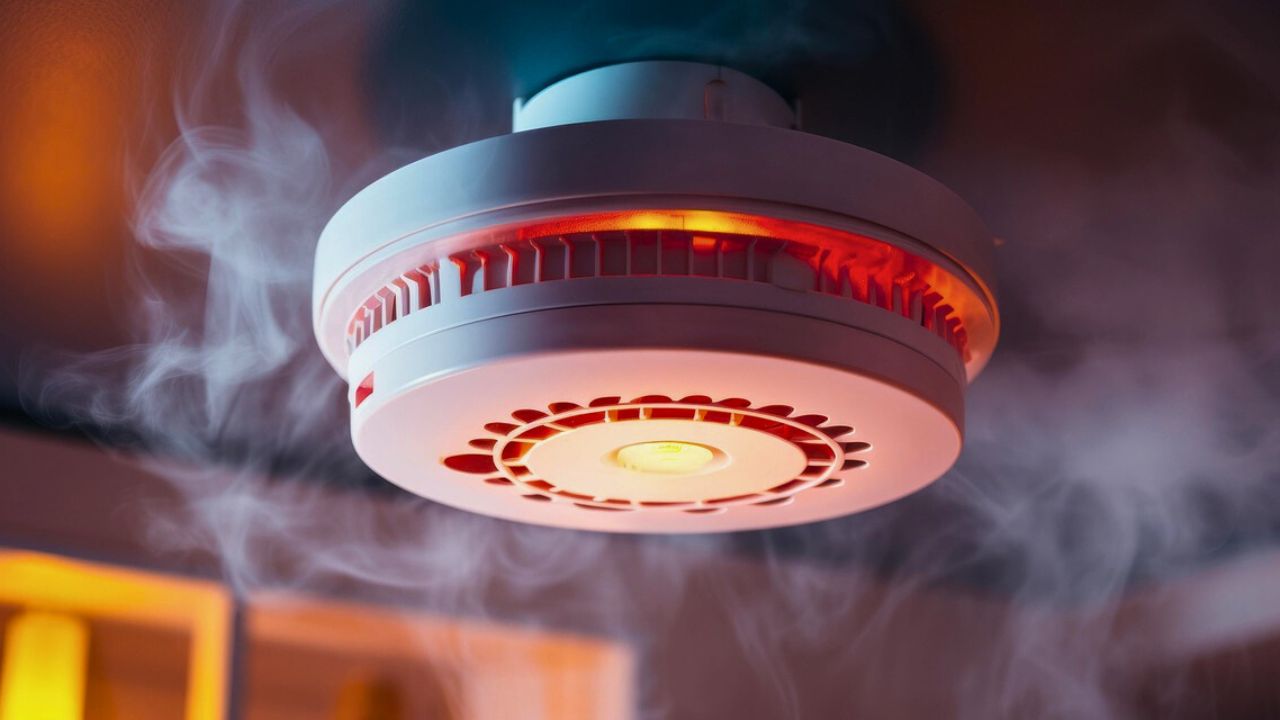
Smoke alarms save lives, but if they shriek every time you sear a steak or run a hot shower, you are more likely to silence or disable them than to trust them. The real fix is not to lower your guard, it is to place and configure alarms so they are quiet when they should be and relentless when it matters. With a few strategic rules on location, height, and sensor type, you can sharply cut false alarms without giving up the early warning that keeps you and your family safe.
Those rules are not guesswork. Fire safety organizations, code experts, and alarm manufacturers have mapped out where, when, and how to install detectors so they catch dangerous smoke quickly while avoiding routine cooking vapors, steam, and drafts. If you follow their guidance room by room, you can turn a noisy, unreliable system into one that works in the background until the moment you truly need it.
1. Why false alarms are a safety problem, not just an annoyance
Every nuisance alarm chips away at your willingness to respond, and that complacency is what turns a minor fire into a tragedy. When you are woken up at 2 a.m. for the third time in a month by burnt toast or a steamy bathroom, the temptation is to pull the battery, flip the breaker, or take the device down “just for tonight.” Fire safety guidance is blunt about the risk: And of course, a smoke alarm disabled because of nuisance alarms provides no protection at all, especially in the sleeping areas where you are most vulnerable.
False alerts also mask the real thing. If your hallway unit chirps every time you broil salmon, you are more likely to wave a towel at it than to check for an actual fire. That is why national recommendations stress having alarms in every sleeping room, in each sleeping area, and on every level of the home, but paired with placement and maintenance that keep them quiet during normal life. When you treat false alarms as a design flaw to fix, rather than a quirk to tolerate, you protect your ability to react instantly when the sound really means danger.
2. Core coverage rules: where you absolutely need alarms
Before you fine tune for fewer false alerts, you need to meet the baseline for coverage. Fire safety standards are clear that you should Install smoke alarms in every sleeping room, outside each separate sleeping area, and on every level of the home, including the basement. That means a detector in each bedroom, one in the hallway outside those doors, and at least one on each floor where you live, work, or store belongings that could burn.
Local fire departments echo that guidance in practical terms, urging you to Keep alarms throughout your home, not just near the kitchen or front door. Some home inspection experts go further and spell out Where You Absolutely Need Smoke Detectors, noting that every level, including finished and unfinished basements, should be covered. You are building a network, not a single tripwire, so think in terms of layers of protection that can catch smoke no matter where a fire starts.
3. Height and ceiling rules that keep sensors effective
Smoke rises and then spreads along the ceiling, which is why experts say ceiling placement is usually best. Guidance on NFPA Guidelines and Rules About Smoke Detector Placement notes that ceiling placement is preferred because smoke naturally moves upward, and detectors mounted high can sense it sooner. If you must mount on a wall, the standard is to keep the top of the alarm within a foot of the ceiling so it still intercepts that hot layer of smoke.
Height also matters for avoiding dead spots and drafts. Electrical code training materials explain that They should be placed at least three feet away from air vents, windows, and doors so air currents do not blow smoke away from the sensor or push steam directly into it. Home inspection guidance on Ideal Smoke Detector Placement Height reinforces that you should avoid corners and very high peaks where smoke can bypass the device. A detector that is technically in the room but stuck in a stagnant pocket of air will not give you the early warning you are counting on.
4. Kitchen and cooking areas: distance is your best friend
Kitchens are the number one source of nuisance alarms, which is why you should treat them as a special case. Fire safety officials in Texas advise you to Have smoke alarms on every level and near, but not inside, cooking areas, and to keep them away from ducts, vents, or drafty areas that can carry cooking vapors straight into the sensor. National guidance goes further and specifies that Smoke alarms should be installed at least 10 feet, or 3 meters, from a cooking appliance to minimize false alarms when you fry, broil, or bake.
Local fire marshals put it in more everyday terms, noting that Moving the smoke alarm farther away from the cooking area lets vapors thin out before they reach the unit. At the same time, consumer safety advice warns that Maintenance and Installation Tips to Reduce False Alarms include keeping detectors as far from fuel burning sources as possible, which in a kitchen means not directly over a gas range or oven. You are aiming for a Goldilocks zone: close enough to catch a real stovetop fire, far enough that normal cooking does not trigger a shrill chorus every night.
5. Bathrooms, laundry rooms, and other steam traps
Steam and humidity can fool a smoke sensor into thinking there is a fire, so you need to be strategic around bathrooms and laundry areas. County guidance on nuisance alarms notes that Steam or Humidity from showers, dishwashers, or dryers can cause repeated false alarms, especially if the detector is mounted right outside a bathroom door or above a frequently used appliance. Over time, that moisture can also damage the sensor so it becomes either oversensitive or fails to trigger when it should.
Electrical training materials echo that warning, explaining that Additional guidance is to keep detectors away from areas where steam might cause false alarms. Instead of putting a unit right outside a bathroom, shift it down the hall, and in laundry rooms consider whether a heat detector or a different sensor type is more appropriate. The goal is to protect escape routes and sleeping areas while steering clear of the moisture plumes that make you want to rip the alarm off the ceiling.
6. Choosing the right sensor type for each room
Placement is only half the equation; the sensor technology inside the alarm also shapes how often it cries wolf. Fire protection specialists stress that it is vital to have the correct Not sensor types in the correct rooms, because the wrong choice can increase nuisance alarms or leave you under protected. Ionization Smoke Detectors are very responsive to fast flaming fires, which is why Ionization units are widely used, but that same sensitivity makes them prone to false alarms from cooking aerosols.
For kitchens and areas near bathrooms, experts often recommend photoelectric technology because Benefits of Photoelectric Smoke Alarms include better performance on smoldering fires and fewer nuisance triggers from light smoke or steam. County fire marshals advise you to Buy a photoelectric smoke alarm if you are battling frequent false alarms, noting that photoelectric units are less sensitive to small, non dangerous particles. A balanced approach, with a mix of ionization, photoelectric, or dual sensor devices tailored to each room, can give you fast detection without constant interruptions.
7. Drafts, dead air, and other placement mistakes to avoid
Even the best sensor will misbehave if you put it in the wrong microclimate. Installation specialists warn you to Avoid corners, ducts, or drafty spots where air flows could bypass the sensor, and to keep devices on ceilings or high on walls, away from direct drafts. Manufacturer guidance on AVOID installing Smoke Alarms in certain areas is explicit: do not mount them where combustion particles are routinely produced, such as garages or directly above fireplaces, and do not tuck them into typical “dead air” spaces where smoke may not reach in time.
Consumer safety tips add another layer, advising that you False alarms can result if you place detectors too close to fuel burning sources, like furnaces or water heaters, because normal exhaust can mimic smoke. Texas fire officials similarly caution you to keep alarms away from windows, doors, or vents that create strong air currents, advice that is built into their guidance on Smoke alarms and where to put them. When you walk your home, look for those invisible rivers of air and stagnant pockets, and adjust your mounting spots so the sensor sits in the path smoke is most likely to take.
8. Special locations: basements, stairs, rentals, and smart setups
Some parts of a home pose unique challenges, and getting them right can make the difference between a contained incident and a house wide disaster. Basement guidance from home security experts notes that you should install a detector on the ceiling at the bottom of the stairs so it can sense smoke rising from storage or mechanical areas before it reaches living spaces, advice that aligns with placement rules from Where and When to install alarms. Technical manuals for stand alone units add that The alarm should be positioned relative to the stairway so it catches smoke from the basement before it enters the stairwell, and that it may be mounted on a ceiling or wall as long as those height rules are respected.
If you host guests, the stakes are even higher. Short term rental checklists stress that Every single property must have working smoke alarms and that this is not the place to try and save money. For more advanced systems, you may be tying detectors into a broader network of sensors, and the same logic applies: guidance on motion devices notes that you should Ensure sensors are securely mounted and consider the surrounding environment when positioning them, a principle that translates directly to smart smoke alarms. When you choose equipment, industry advice is clear that Choosing the Right Equipment The foundation of minimizing false alarms starts with selecting devices suited to the specific environment where they will be installed.
9. Maintenance habits that keep alarms quiet and reliable
Even perfectly placed alarms will misbehave if you neglect them. Dust, insects, and aging components can all trigger nuisance alerts or, worse, silence a detector that should be screaming. Security experts highlight that Key Takeaways on false alarms include Proper placement of smoke detectors at least 10 feet from cooking, Regular cleaning to remove dust, and replacing units that are past their service life. National guidance on installing and maintaining alarms reinforces that you should Mount them correctly, test them monthly, and replace the entire device when it reaches the manufacturer’s recommended age, not just when it starts to chirp.
Local fire marshals add that if you are seeing frequent nuisance alarms, it may be a sign the unit is contaminated or failing and needs to be replaced, not just relocated. County fact sheets remind you that Smoke alarms are generally not recommended for kitchens because cooking may cause nuisance alarms, but that if the sleeping area is close to the kitchen, the NFPA standard recommends smoke alarms in the bedrooms. When you combine that kind of room by room judgment with regular testing, cleaning, and timely replacement, you end up with a system that stays quiet through everyday life yet gives you the unmistakable warning you need when smoke appears.
Like Fix It Homestead’s content? Be sure to follow us.
Here’s more from us:
- I made Joanna Gaines’s Friendsgiving casserole and here is what I would keep
- Pump Shotguns That Jam the Moment You Actually Need Them
- The First 5 Things Guests Notice About Your Living Room at Christmas
- What Caliber Works Best for Groundhogs, Armadillos, and Other Digging Pests?
- Rifles worth keeping by the back door on any rural property
*This article was developed with AI-powered tools and has been carefully reviewed by our editors.