Norovirus is spiking again and the cleaning step that actually matters
Photo credit: New Africa/Shutterstock.com
Norovirus is roaring back in seasonal waves, and the usual quick spritz of cleaner or pump of gel on your hands is not enough to stop it. If you want to keep this stomach bug from ripping through your home, the single most important move is not what you spray, but how you wash your hands and clean contaminated areas. The virus is brutally efficient at spreading, yet a disciplined approach to handwashing, surface disinfection, and laundry can sharply cut your risk.
Norovirus is surging, and it behaves differently from a cold
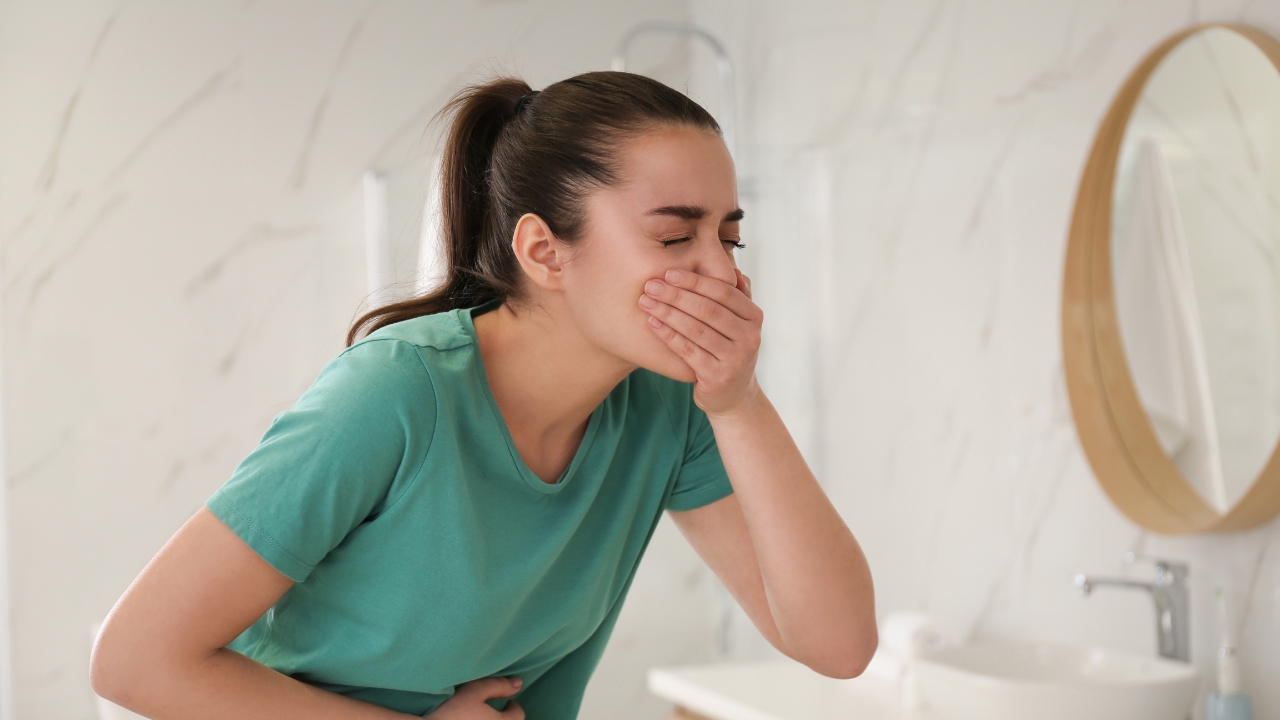
You feel norovirus in your gut, not your throat, and that distinction matters for how you clean. The virus targets your gastrointestinal tract, causing sudden vomiting and diarrhea that can leave you dehydrated and exhausted for roughly 48 hours, even if you are otherwise healthy. Unlike respiratory viruses that mainly ride on droplets from coughs and sneezes, this one spreads through microscopic traces of stool or vomit that end up on hands, doorknobs, counters, and food.
Public health guidance stresses that Norovirus is extremely contagious, which is why outbreaks in schools, cruise ships, and nursing homes can escalate so quickly. The virus can pass from person to person, through contaminated food and water, and from surfaces that look clean but still harbor particles. Because there are no antiviral drugs that cure it and, as one federal factsheet notes, There is no vaccine in routine use, your best defense is to prevent those particles from ever reaching your mouth in the first place.
Why your usual cleaning routine is not enough
Norovirus is built to survive the shortcuts you might take when you are tired or in a rush. It can persist on hard surfaces, withstand some common cleaning products, and even tolerate freezing, according to occupational health guidance that describes how Jun reports of environmental stability make it a stubborn contaminant. That means a quick wipe with a general-purpose cleaner or a fragrant spray that is not a disinfectant will not reliably remove or inactivate it.
Experts who study household outbreaks emphasize that you need what one national cleaning group calls Proper cleaning and hand hygiene, not just cosmetic tidying. That starts with understanding that many disinfecting wipes are not labeled to kill norovirus and that some products require a specific contact time on the surface to work. A federal food and agriculture guide even flags on its Shopping List that, While convenient, the majority of disinfecting wipes on the market are not completely effective against this virus, so you need to read labels carefully and be ready to mix a bleach solution when someone gets sick.
The cleaning step that actually matters: handwashing
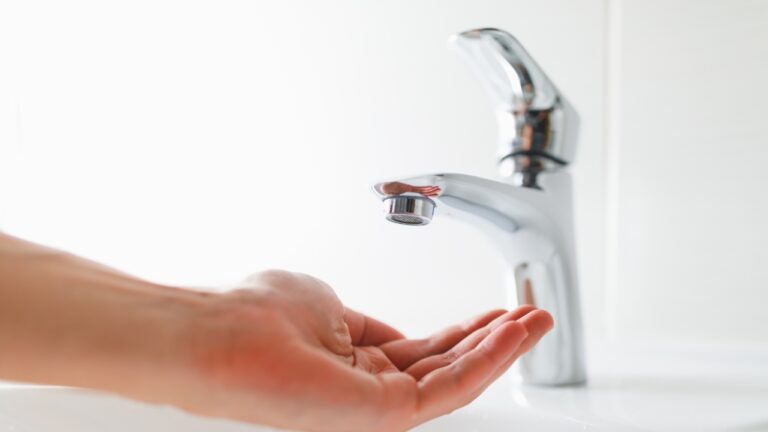
When you strip away the marketing claims and the panic-buying of wipes, one habit consistently stands out as the move that changes your risk: washing your hands with soap and water. Federal guidance on how to prevent norovirus puts Wash your hands at the top of the list, stressing that you should scrub thoroughly with soap and running water for at least 20 seconds, especially after using the bathroom, changing diapers, or before preparing food. Alcohol-based hand sanitizer can be a useful backup when you have no sink, but it does not reliably kill this virus on its own.
Food safety and cleaning experts echo that message, describing Hand Hygiene as the cornerstone of prevention and urging you to Frequently wash your hands for at least 20 seconds, paying attention to fingertips and under the nails. University extension specialists go further and call out handwashing as the final, nonnegotiable step in their cleanup protocol, noting that you must Wash your hands with soap and warm running water after handling contaminated items. If you remember nothing else during an outbreak, remember that your hands are the vehicle, and soap and water are the brakes.
Why hand sanitizer and “everyday” wipes fall short
It is tempting to lean on a bottle of gel or a tub of wipes, especially when you are caring for a sick child and trying to keep the rest of the household functioning. But norovirus is not as vulnerable to alcohol as some respiratory viruses, and consumer health reporting has underscored that Nasty Norovirus Is Spreading and It Can not Be Killed by Hand Sanitizer alone. That does not mean you should never use sanitizer, but it does mean you cannot treat it as a substitute for a sink when you are trying to stop a stomach bug.
Similarly, the convenience products that dominate cleaning aisles are not all created equal. The federal cleaning tips document warns with a clear Note that While many disinfecting wipes are marketed broadly, they may not list norovirus on the label and may not deliver the contact time needed to inactivate it. Consumer guidance on how to clean before, during and after an outbreak explains that you need what one expert calls “enhanced precautions,” which include checking labels and, when in doubt, using a bleach solution instead of relying on wipes that were never tested against this pathogen, a point reinforced in a practical guide on How to clean for this virus.
Bleach is still the workhorse, but only if you mix it right
Once someone has vomited or had diarrhea, you are no longer in prevention mode, you are in containment, and that is where bleach becomes essential. Public health agencies advise that chlorine-based products are among the most reliable options, with one state bulletin urging facilities to Follow proper cleaning and disinfection procedures and specifying that Chlorine bleach at a minimum of 3500 ppm is the most effective disinfectant to kill norovirus. That concentration is higher than what you might use for routine bathroom cleaning, which is why you need to measure carefully instead of guessing.
Household instructions from major bleach manufacturers walk you through the math, recommending that you Mix 1/3 cup of Clorox Disinfecting Bleach in 1 gallon of water for contaminated surfaces. Public health departments echo similar ratios, with one state’s Cleaning Procedures advising 1 tablespoon of chlorine bleach in 1 gallon of water for stainless steel and food contact items. The key is to prepare the solution fresh, apply it after you have removed visible mess, and let it sit for the full contact time listed on the label before you rinse or wipe it clean.
How to handle the mess: from visible vomit to hidden splatter
Norovirus cleanup is not just about what you spray, it is about the order in which you do things. University extension guidance starts with a blunt instruction: Following a thorough sanitation process is key to stopping spread, and the first step is to Remove any visible vomit or stool before you disinfect. That means using disposable towels to gently cover and pick up the mess, working from the outside in to avoid spreading it, and placing all waste directly into a plastic bag that you can seal.
Once the obvious contamination is gone, you still have to deal with the invisible droplets that can travel several feet from a forceful episode of vomiting. Federal prevention guidance advises you to Clean and disinfect the entire area, not just the spot you can see, and to Always clean well and disinfect immediately After someone vomits or has diarrhea. That includes nearby walls, furniture, and any hard surfaces within range. Extension specialists also remind you to Remove contamination from carpet and upholstered furniture carefully, then disinfect with an appropriate product and keep the sick person isolated for at least 48 hours after their symptoms have stopped.
Protecting yourself while you clean
Cleaning up after norovirus is not a neutral chore, it is a high-risk exposure moment, which is why you need to gear up before you touch anything. Federal prevention advice is explicit that you should Wear rubber or disposable gloves while cleaning and then wash your hands thoroughly with soap and water afterward. Some medical experts also recommend a mask when you are dealing with fresh vomit, since tiny particles can become airborne, a point echoed by infection specialists who advise you to Goldman suggests you Protect others by wearing a protective mask for close cleanup work.
Once you are done, the gear itself becomes contaminated waste. Bleach manufacturers advise you to Tips like Immediately remove and wash clothes or linens that may be contaminated and to Rinse or wipe clean any surfaces after the disinfectant has sat for the recommended time. Public health agencies add that if you are sick, you should stay home from work or school and avoid preparing food for others, with one state health department outlining What you should do if you think you have norovirus, including washing your hands often and staying out of high-risk settings until at least 48 hours after symptoms stop.
Laundry, dishes, and the less obvious contamination zones
Norovirus does not respect room boundaries, so you have to think beyond the bathroom. Soiled sheets, pajamas, and towels can all carry infectious particles, which is why federal guidance on home disinfection urges you to Disinfect the areas a contagious person touched and to handle laundry carefully, placing items directly into the washer and using hot water and detergent. Laboratory experts who track outbreaks note that stopping the spread also means washing your hands After handling soiled laundry, a point highlighted in guidance that explains how Laboratory diagnosis of an Illness may help, but hygiene is what protects the rest of the household.
Kitchen items deserve special attention, because they can turn one person’s illness into a family-wide outbreak. Food safety experts warn that you should keep raw and ready-to-eat foods separate to prevent cross-contamination and explain in The Medical Minute that What you do at the cutting board and sink can either interrupt or accelerate spread. State health departments add that routine Cleaning and Disinfecting of high-touch surfaces like faucets, refrigerator handles, and light switches is usually enough when no one is sick, but once norovirus is in the house, you should step up to bleach-based disinfection until everyone has been symptom free for at least two days.
How to prepare your home before the next spike
You cannot control when norovirus starts circulating in your community, but you can decide whether your home is ready for it. That preparation starts with supplies: a jug of regular, unscented household bleach, disposable gloves, heavy-duty trash bags, and paper towels. Federal cleaning guidance stresses that While you might already have some of these items, you should check that your bleach is not expired and that you have enough Paper towels and bags to handle a major cleanup without scrambling.
Just as important is a mental checklist of what you will do if someone suddenly gets sick. Public health advice encourages you to think through the sequence in advance: isolate the sick person, protect yourself with gloves and, if possible, a mask, remove visible mess, apply a properly mixed bleach solution, and finish with a thorough handwash. National prevention guidance reminds you that Jan key steps include cleaning and disinfecting surfaces, washing laundry with hot water, and washing dishes with soap and hot water. If you build those steps into your routine now, the next spike will still be unpleasant, but it will be far less likely to take down everyone under your roof.
Like Fix It Homestead’s content? Be sure to follow us.
Here’s more from us:
- I made Joanna Gaines’s Friendsgiving casserole and here is what I would keep
- Pump Shotguns That Jam the Moment You Actually Need Them
- The First 5 Things Guests Notice About Your Living Room at Christmas
- What Caliber Works Best for Groundhogs, Armadillos, and Other Digging Pests?
- Rifles worth keeping by the back door on any rural property
*This article was developed with AI-powered tools and has been carefully reviewed by our editors.