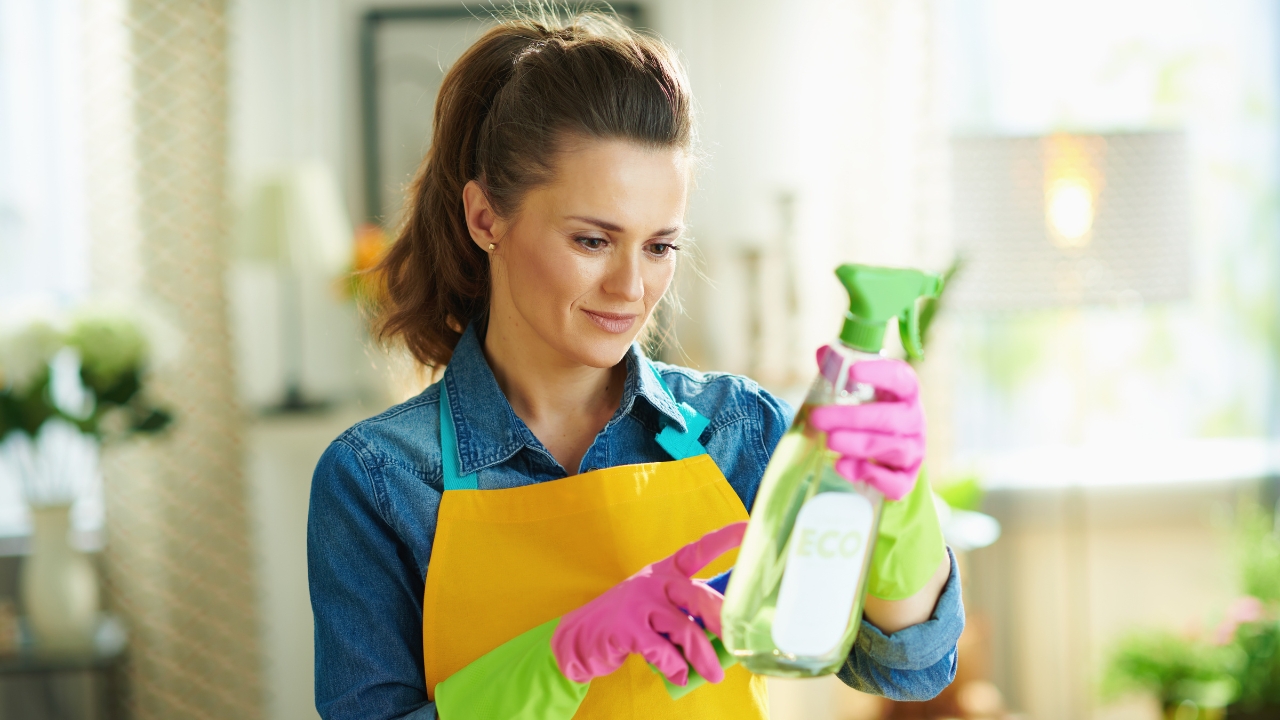
The disinfectant label detail to look for so you don’t waste time
Photo credit: Alliance Images/Shutterstock.com
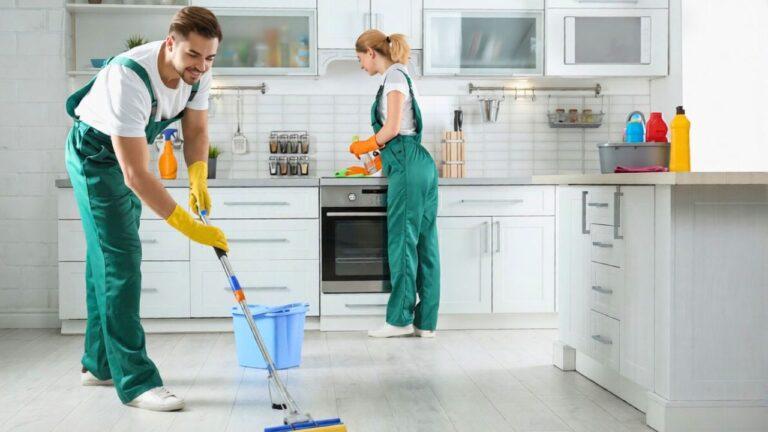
Every time you spray, wipe, and move on in seconds, you might be doing little more than polishing germs instead of killing them. The small-print detail that decides whether your disinfectant actually works is not the brand name or the scent, but the specific timing and claims buried on the label. If you learn to spot that one line, and understand the structure wrapped around it, you stop wasting effort and start getting the protection you think you are buying.
The tiny line on the label that makes or breaks your cleaning routine
The most important detail on a disinfectant label is the required wet contact time, often called dwell time, that tells you how long the surface must stay visibly wet for the product to do its job. If you spray a counter, swipe it dry after a few seconds, and move on, you may never reach the time needed to actually kill the germs listed on the bottle. That means you can clean every day, follow a strict routine, and still leave behind live microbes simply because you did not follow the timing instructions that control how the product was tested and approved.
Professionals describe Dwell Time as the amount of time a disinfectant needs to remain wet on a surface to effectively kill the target germs, and that exact phrase is what you should look for in the directions. When you see a label that specifies a certain number of minutes for bacteria and a different number for viruses, that is not legal fine print, it is the core performance promise of the product. If you ignore it, you are not really disinfecting, you are just wiping.
Why disinfectants are not just “strong cleaners”
It helps to remember that disinfectants are not just heavy duty versions of everyday cleaners, they are regulated products designed to destroy or irreversibly inactivate specific microorganisms. A true disinfectant is a substance or mixture of substances that has been tested against defined germs under controlled conditions, and those results are locked into the label instructions you see on the bottle. When you treat a disinfectant like a generic spray and wipe product, you break the link between those lab tests and what actually happens on your kitchen counter or office desk.
Regulators describe What a Disinfectant Product is as a category of antimicrobial pesticide, which is why you see such formal language about target organisms and use sites. Industry guidance reinforces that Disinfectants are important products used to kill and reduce germs on surfaces, and that you need to read the directions for use, storage, and any warnings or hazards. Once you see them as precision tools rather than just strong soaps, the label structure starts to make sense.
The EPA registration number: your first authenticity check
Before you even get to timing, you should confirm that the product in your hand is actually registered as a disinfectant and not just marketed with vague “kills germs” language. The fastest way to do that is to find the Environmental Protection Agency registration number on the front or back panel, usually written as “EPA Reg. No.” followed by a series of digits. That number ties the bottle in your cart to a specific formula, set of test results, and approved label, so you know you are not relying on unverified claims.
Label literacy tools emphasize that one of the first things you should check is the EPA registration number listed on the label, and they stress that All disinfectant products should have this identifier. When you see that number, you can cross reference it with lists of selected EPA-registered disinfectants that explain how these products are sold under different brand names but share the same underlying registration. If a bottle that claims to disinfect does not show that registration, you know to put it back.
Signal words and safety sections that quietly change how you should use a product
Once you know a disinfectant is legitimate, the next structural element to scan is the set of signal words and hazard statements that tell you how aggressively you need to protect yourself while using it. Words like “Caution,” “Warning,” or “Danger” are not marketing language, they are standardized signals that reflect the product’s toxicity category and guide your choices about gloves, ventilation, and where you should or should not use it. If you skip this part of the label, you might use a product meant for industrial floors on a child’s high chair or mix it with other chemicals in a way that creates fumes.
Consumer guides explain that when you read a cleaning label, you should start by understanding the signal words and hazard phrases, which is why they highlight steps like “1. Understand Signal Words” as a core instruction for safer use Here. The same structure appears in educational materials that walk you through how to read a cleaning or disinfecting product label, where the Fact Sheet format breaks out sections for hazards, first aid, and safe storage. When you combine those cues with the dwell time instructions, you get a full picture of both how to protect surfaces and how to protect yourself.
Where to find dwell time and how to decode it quickly
The dwell time you are looking for rarely appears in big bold type on the front of the bottle, so you need to know where to hunt for it. Most products tuck this requirement into the “Directions for Use” section, sometimes under headings like “Disinfection,” “Virucidal Activity,” or “Sanitizing,” with separate lines for different organisms. You might see language that tells you to pre-clean heavily soiled surfaces, apply the product, and then keep the area wet for a specific number of minutes before allowing it to air dry or wiping away any residue.
Public health guidance tells you to Check the label for the wet contact time, and it defines Wet contact time as the minimum time the surface must stay wet after the disinfectant is applied. Infection control training from Cert University and other programs reinforces that disinfectants are essential to infection prevention and that you must follow the specific contact times listed for each type of pathogen. When you read those lines carefully, you will notice that some products require only 1 minute for common bacteria but 10 minutes for tougher viruses, which should shape how you schedule your cleaning tasks.
Kill claims: which germs your product actually targets
Right next to the timing instructions, you will usually find a list of organisms that the disinfectant has been tested against, often under a heading that mentions “kill claims” or “effective against.” This is where you learn whether the product is designed for broad spectrum use, focused on specific bacteria, or capable of inactivating certain viruses or fungi. If you are trying to control a particular illness in your home or workplace, this list matters as much as the dwell time, because a product that never went through testing for that organism cannot promise to protect you from it.
Training materials on how to read disinfectant labels for healthcare settings explain that you should match the pathogens of concern in your facility to the organisms listed on the label, and that you should pay attention to how those claims are grouped in the directions Cert University and other educators emphasize this point when they walk through sample labels. Industry blogs on how to read a disinfectant product label also highlight that the list of microorganisms and the associated directions are part of the product’s registration, not optional marketing copy. When you combine those kill claims with the specified dwell times, you can choose a product that fits both your risk level and your schedule instead of guessing.
Why rushing the clock quietly cancels your hard work
Even when you pick the right product and understand its claims, the most common mistake is still moving too fast. If the label calls for a 5 minute contact time and you wipe the surface dry after 30 seconds, you have not given the active ingredients enough time to interact with the microbes the way they did in the lab tests. The surface may look clean and smell fresh, but the germs that matter most can still be present, especially in high touch areas like door handles, light switches, and bathroom fixtures.
Microbiology experts define Dwell time as the amount of time a disinfectant requires to adhere on the intended surface to properly disinfect, and they stress that you must follow the dwell times on product labels to achieve the promised level of kill. Training videos on Dwell Time and kill claims echo that message, explaining that the surface needs to remain visibly wet for the full period. If you find that your product dries too quickly, the solution is not to cut the time, but to reapply or choose a different format, such as pre-wetted wipes, that can maintain coverage.
How to build a label-first cleaning habit at home and at work
Turning all of this into a practical routine starts with a simple shift in habit: you read the label before you start cleaning, not after something goes wrong. At home, that might mean keeping a single bottle of your chosen disinfectant under the sink with a sticky note that lists its key dwell times for common tasks, like kitchen counters or bathroom fixtures. At work, especially in settings like schools, gyms, or clinics, it can mean posting a short chart near supply closets that translates each product’s directions into plain language steps and timing.
Educational toolkits such as the Green Cleaning, Sanitizing, Disinfecting, Toolkit for Early Care and Education show how you can turn dense labels into simple checklists that staff can follow without guessing. Public health fact sheets on how to read a cleaning or disinfecting product label, often presented in a Page 1 Fact Sheet format, break down the same elements you see on consumer products, from signal words to directions for use. When you adopt that structure in your own space, you make it easier for everyone who cleans, from family members to coworkers, to respect the timing that makes disinfectants effective.
The payoff: less wasted effort, more reliable protection
Once you start reading disinfectant labels with an eye for dwell time, kill claims, and registration numbers, you will notice how often products in stores and workplaces are used in ways that ignore their own instructions. You might see wipes that require 4 minutes of wet contact being used like dry dusting cloths, or sprays that call for air drying being wiped up immediately to avoid streaks. By quietly adjusting your own routine to match the label, you get more value out of every bottle and reduce the risk that your cleaning is mostly cosmetic.
Industry guidance from Mar and other technical resources on WHAT to LOOK FOR on disinfectant labels all circle back to the same idea: the label is your instruction manual, not a suggestion. When you respect that structure, from the Sep guidance on signal words to the Wet contact time requirements, you stop wasting time on half effective cleaning and start getting the level of disinfection you expect.
Like Fix It Homestead’s content? Be sure to follow us.
Here’s more from us:
- I made Joanna Gaines’s Friendsgiving casserole and here is what I would keep
- Pump Shotguns That Jam the Moment You Actually Need Them
- The First 5 Things Guests Notice About Your Living Room at Christmas
- What Caliber Works Best for Groundhogs, Armadillos, and Other Digging Pests?
- Rifles worth keeping by the back door on any rural property
*This article was developed with AI-powered tools and has been carefully reviewed by our editors.