The cold snap prep most rural homes forget until it’s too late
Photo credit: Minerva Studio/Shutterstock.com
When a cold snap hits open country, the damage rarely starts with the obvious threats like snowdrifts or icy roads. It usually begins in the quiet places you do not see every day, the pump house behind the barn, the forgotten gutter over the mudroom, the unheated corner of a livestock shelter. Rural homes carry more exposure than city properties, and the preparation most owners overlook tends to be the one that fails first when temperatures plunge.
The real risk is not just discomfort, it is the cascading cost when one neglected system takes others down with it. A frozen line can flood a mechanical room, a blocked downspout can push meltwater into a foundation, and a stalled tractor can leave livestock without feed access. With a deliberate checklist that goes beyond the usual “turn up the heat,” you can turn those weak links into quiet workhorses that ride out the next Arctic blast without drama.
The hidden weak spot: outbuildings and farm structures
Most rural owners focus on the farmhouse and forget that the first failures in a deep freeze often happen in barns, machine sheds, and remote pump houses. You rely on these structures to protect animals, feed, and equipment, yet many have thin walls, aging doors, and gaps that let in wind and drifting snow. Guidance that urges you to Start with Your Buildings and Check Your Roofs Before the worst weather arrives is really about recognizing that a barn roof failure or a collapsed lean‑to can become a major disaster long before your living room ever feels cold.
A practical approach is to walk every structure with a flashlight and a notepad, looking up as much as you look around. Sagging trusses, missing fasteners, and daylight through roof panels are all signs that snow load could push a marginal roof over the edge. In livestock areas, the Shelter Preparation Checklist that tells you to Seal drafts at animal height while keeping ventilation above is a reminder that comfort and air quality must be balanced, not traded. Deep bedding, tight latches, and repaired wall panels turn a drafty shed into a refuge instead of a liability when the wind shifts overnight.
The cold snap prep most people truly miss: water systems
The most expensive surprise in a rural cold snap is usually not a broken window or a dead battery, it is a burst pipe that floods a basement or a crawl space. If you leave for part of the winter, shutting off the main valve and draining exterior lines is not optional, it is the difference between a dry return and a soaked subfloor. One checklist warns that a burst pipe can ruin a home and pairs that with advice to set your Thermosta thoughtfully so interior temperatures stay above freezing even when you are away.
Outside, rural plumbing is more exposed and often more complex than in town, with hydrants, stock‑tank lines, and buried runs to distant sheds. A water resources official has stressed the basics that many owners still skip, to Disconnect hoses, Cover outdoor faucets, and Keep garage doors closed if water lines run through them. Those simple moves, combined with insulating exposed pipes and heat‑taping vulnerable stretches, turn your water system from the forgotten weak link into the backbone of your winter resilience.
Machinery and pumps: the lifelines you cannot thaw with a hair dryer
In the country, your ability to respond to a storm depends on whether your equipment starts when you turn the key. That is why rural winter guides urge you to Get Winter Machinery Ready Before the freeze, warning that Cold weather turns simple repairs into frozen‑finger ordeals and that ignoring small leaks or worn hoses can turn into a $3,000 repair once ice and pressure get involved. The same logic applies to well pumps and pressure systems, which often sit in marginally insulated enclosures that are out of sight and out of mind until they fail.
One practical tip list puts it bluntly, Winterize Your Pumps and Equipment Most people think about their RV and forget the gear that actually keeps the place running. The advice to follow Tip 1 and Winterize Your Pumps and Equipment Most thoroughly is really a call to drain, lubricate, and protect everything from transfer pumps to skid‑steer hydraulics. Broader equipment guidance that tells you to Stay Ahead of the Chill and focus on Fuel Prep for the Fros is a reminder that treated diesel, charged batteries, and protected outbuildings are what keep your tractors, generators, and ATVs ready when you cannot get to town, as highlighted in the advice to Stay Ahead of the Chill.
Roofs, gutters, and the ice that works from the outside in
Rural homes often sit in the open, which means wind‑driven snow and drifting leaves can load roofs and clog gutters faster than you expect. Structural specialists urge you to walk your barns and storage buildings and Check Your Roofs for loose panels, missing shingles, and weak spots before the first heavy snow. On the house itself, a cold weather maintenance checklist highlights the need to Inspect and Clean Gutters because Falling leaves and debris can trap water, which then freezes into ice dams that push meltwater back under shingles.
Neglecting gutters is a recurring theme in winter damage stories, especially in regions where freeze‑thaw cycles are common. One weather‑focused guide warns bluntly, Don not forget your Gutters, because Dirt and debris are known to cause overflows that soak siding and foundations when the cold weather creeps in, a point underscored in the reminder to Don overlook this simple chore. Another winter prep explainer asks whether you cleared your gutters after the leaves fell and stresses that if you did not Clear them, ice dams can form and trap moisture that leads to mold and mildew, which is why you are urged to Clear gutters and ice dams before Arctic air arrives.
Drafts, insulation, and the rooms that quietly freeze first
Even in a tight rural home, the cold finds the weak spots around doors, windows, and rim joists, and those leaks matter more when you are miles from the nearest hardware store. Country home guidance lays out a simple sequence, Here are key steps to get your home winter‑ready, starting with Inspect and Protect Your Heating System and then moving to Seal Drafts and Improve insulation. The recommendation to Seal Drafts and Improve insulation, add weatherstripping, and use thermal curtains is not about luxury, it is about keeping pipes in exterior walls and unconditioned rooms from dropping below freezing when the wind picks up overnight.
Short, targeted checks can make a big difference. A cold snap checklist for interiors tells you to focus on the Interior envelope and to Check weatherstripping and caulking around doors, then Replace or reinforce it where you feel air movement. In practice, that means running your hand along baseboards and window frames on a windy day, sealing gaps with caulk or foam, and paying special attention to rooms over unheated garages or under low‑slope roofs. Those are the spaces that quietly freeze first, and they are often where you find the supply lines that fail when the temperature plunges.
Livestock, wind, and the microclimate around your animals
For rural households with animals, the stakes of a cold snap extend well beyond frozen pipes. Livestock can tolerate low temperatures better than people, but wind and wet conditions quickly turn survivable cold into a welfare emergency. Farm advisors emphasize that Wind shelters and access to a barn or some other relief from wind is recommended for all animals, and that You want to block the prevailing wind while still allowing ventilation to prevent moisture buildup, a balance captured in the reminder about Wind protection.
That is where the Shelter Preparation Checklist becomes more than a paperwork exercise. You are urged to Deep clean bedding, remove wet spots, and repair broken latches so doors close securely when gusts hit. Sealing drafts at animal height while maintaining ventilation above keeps cattle, horses, and small ruminants out of direct wind without trapping ammonia or humidity. In practice, that might mean adding windbreak panels to the north and west sides of a loafing shed, stacking round bales strategically, or using portable wind fences in open lots so animals can choose shelter as conditions change.
Fireplaces, chimneys, and the backup heat that can backfire
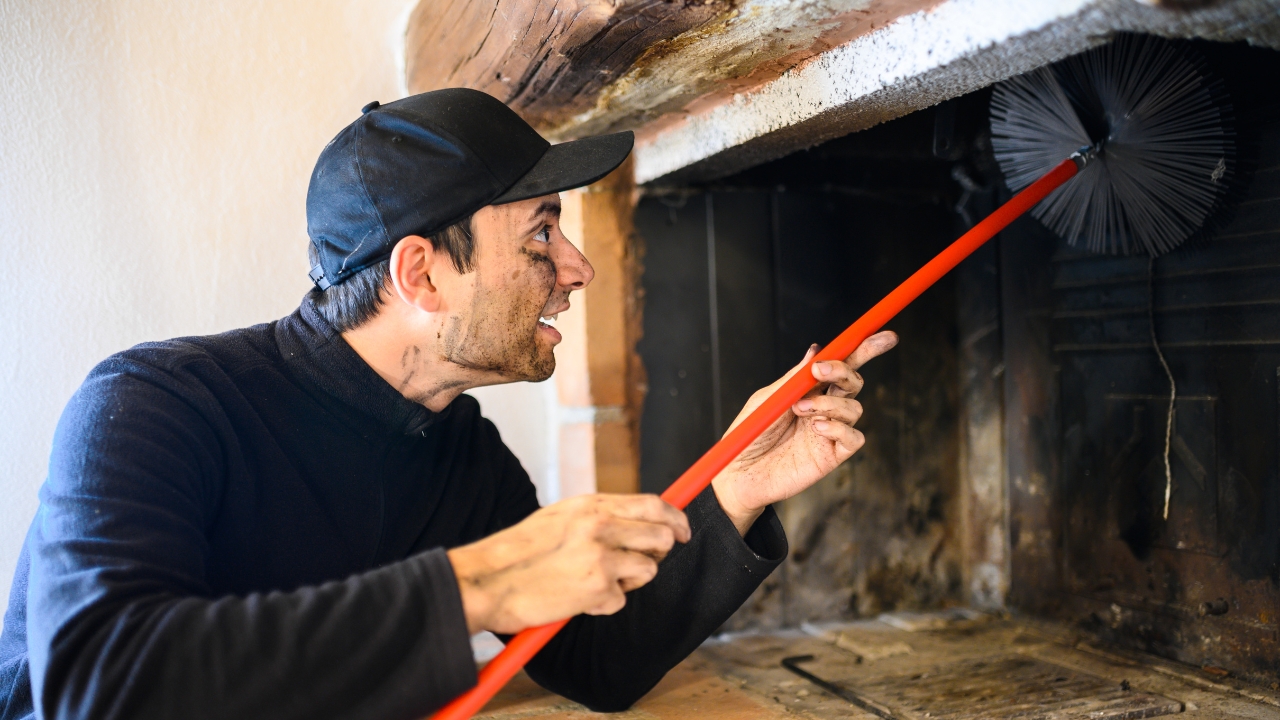
In rural areas, wood stoves and fireplaces are more than ambiance, they are often the backup plan when the power goes out or the propane truck cannot reach you. That backup only works if the system is safe and clear. Chimney specialists warn that Before the temperatures drop during fall and winter, you should check your chimney to ensure it is safe to use, citing a study from the Nat fire data that found one of the leading causes of heating‑related house fires was forgetting to keep the chimney clean, a risk highlighted in the reminder that Before the cold arrives, inspection and sweeping are essential.
Beyond the flue itself, you need to think about how you will actually use that heat source in an emergency. That means stocking seasoned wood under cover, checking door gaskets on stoves, and making sure smoke and carbon monoxide detectors are working in the rooms where you will rely on solid‑fuel heat. Broader equipment prep advice that encourages you to install detectors while you are already checking generators and vehicles, as in the guidance to Here are some tips to get your gear ready, is really about building redundancy into your heating plan so that one failure does not leave your family in the cold.
Safety, supplies, and the rural reality of being snowed in
When you live far from town, a cold snap is not just a weather event, it is a logistics test. You cannot count on a quick run to the store if the driveway drifts shut or the county plow is delayed. Emergency guidance notes that According to FEMA, you should stock up on rock salt to keep walkways clear and sand so you are ready to gain traction immediately when ice forms. That same mindset applies to fuel for generators, extra feed for animals, and medications for both people and pets.
Inside the house, a cold snap kit should be as routine as a first‑aid box. That means flashlights with fresh batteries, a battery‑powered radio, backup phone chargers, and enough blankets and warm clothing staged where you can reach them in the dark. For vehicles, the advice that every truck should carry a shovel, traction aids, and emergency supplies when you cannot get to town, echoed in the broader equipment prep guidance, is especially relevant for rural driveways that may not see a plow for hours. Treating these preparations as part of your fall routine, not a last‑minute scramble, turns a forecast of subzero wind chills into a manageable inconvenience instead of a crisis.
Why we procrastinate on cold snap prep, and how to break the pattern
Even seasoned rural homeowners fall into the same trap every year, knowing what they should do before winter and still leaving key tasks half finished. Maintenance experts point out that Because it is hard to find happiness in performing most routine maintenance tasks, it is common for many of them to become periodically forgotten, a pattern that looks a lot like procrastinating and raises the question, Why does this happen, as explored in the analysis of Because we delay preventive work. In rural settings, where the to‑do list is endless, it is easy to push winter prep behind more urgent chores until the forecast forces your hand.
The way out is to treat cold snap preparation as a series of small, scheduled habits rather than a single overwhelming project. Break the work into categories, water systems one weekend, roofs and gutters the next, machinery and pumps after that, and tie each to a visible trigger like the first hard frost or the day you stack firewood. Interior checklists that tell you to Replace worn weatherstripping or to walk your property before the worst weather are most effective when you put them on a calendar and treat them like appointments. Over time, that discipline turns the cold snap prep most rural homes forget into a quiet, reliable routine that protects your property, your animals, and your peace of mind when the temperature plunges.
Like Fix It Homestead’s content? Be sure to follow us.
Here’s more from us:
- I made Joanna Gaines’s Friendsgiving casserole and here is what I would keep
- Pump Shotguns That Jam the Moment You Actually Need Them
- The First 5 Things Guests Notice About Your Living Room at Christmas
- What Caliber Works Best for Groundhogs, Armadillos, and Other Digging Pests?
- Rifles worth keeping by the back door on any rural property
*This article was developed with AI-powered tools and has been carefully reviewed by our editors.