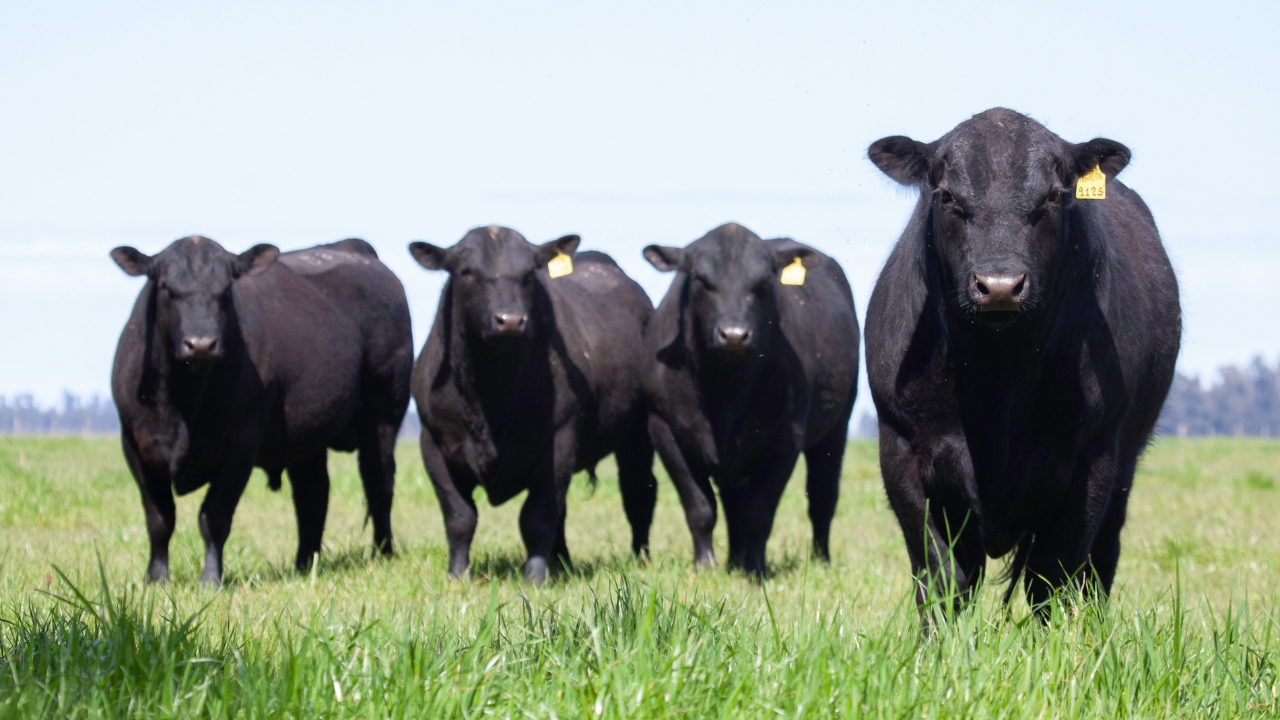
Why cattle supply is still tight and why relief is not coming fast
Photo credit: Maria Elisa Rol/Shutterstock.com
Beef prices keep climbing even as you and other consumers pull back, because the basic math of cattle supply is still working against you. The national herd has shrunk to levels that take years, not months, to rebuild, and the forces that pushed numbers down are still shaping ranchers’ decisions. If you are waiting for a quick break at the meat counter, the structural realities of biology, weather, and economics suggest you will be waiting a while.
The numbers that prove cattle are scarce
The tightness you feel in the meat case starts with a simple headcount. In the United States, official data show that, As of January 1, 2025, the total cattle inventory stood at 86.7 m head, a figure that confirms how far the herd has fallen since the last expansion cycle. That number reflects a liquidation trend that began after 2019 and has not yet reversed, leaving packers, retailers, and ultimately you competing for a smaller pool of animals.
When you zoom out, the current squeeze is part of a longer pattern of contraction. At 86.7 m head, U.S. cattle numbers are near multi decade lows, and analysis of the economics of the U.S. beef and cattle market links that decline to the rising cost to raise and feed cattle. Pastures, which are where the nation’s cattle spend most of their lives, have been stressed by drought and higher input prices, making it harder to maintain a healthy breeding herd. Those fundamentals mean the shortage is not a blip but the product of years of pressure.
Why high prices are not triggering a quick rebuild
On paper, record cattle and beef prices should be all the incentive you need to add cows, yet the rebuild is stubbornly slow. Analysts describe how ranchers are “living in a bubble” where strong returns coexist with high risk, and one market expert named Bradford has warned that even with record returns, the cost of production is still high for producers. You might expect ranchers to rush into expansion, but when feed, fuel, and financing all eat into margins, the appetite to take on more risk is limited.
Market intelligence from USDA Cattle on Feed data underscores that hesitation. Analysts such as Bernt Nelson read the latest reports and see continued tight feeder cattle supplies, with no clear sign that producers are holding back heifers in large enough numbers to grow the herd until at least 2028. When you combine that biological lag with financial caution, the result is a slow grind rather than a rapid turnaround in supply.
Drought, hardship, and the long shadow of liquidation
To understand why ranchers are not racing to expand, you have to look at the years of stress that came before today’s high prices. In interviews, one rancher has pointed squarely at years of drought as a primary reason for low cattle numbers, explaining how parched pastures forced families to sell cows they would rather have kept. When you are hauling water and buying hay just to keep animals alive, liquidation becomes a survival strategy, not a choice.
That experience is echoed in broader reporting that describes how Farmers have endured years of economic hardship marked by low cattle prices, extreme weather, and diseases such as the screwworm outbreak. Those shocks reduced herd numbers and made recovery slow and uncertain, because you cannot simply buy back the genetics, grazing capacity, and working capital that were lost. For you as a consumer, that history means today’s tight supply is the delayed consequence of decisions ranchers were forced to make several seasons ago.
Structural bottlenecks from pasture to feedlot
Even when weather cooperates, the structure of the beef supply chain limits how quickly more cattle can reach your plate. Industry breakdowns describe three main types of producers, and note that Very few beef producers raise animals from cow to finish, which means most calves move through a sequence of cow calf operators, backgrounders, and feedlots. As one analysis of big cow/calf operations explains, consolidation at each stage can create choke points when any link in that chain pulls back.
Those bottlenecks are magnified by the broader cost environment. A review of the challenges facing the U.S. beef industry lists Key Takeaways that tie rising beef costs to tight supply and expensive inputs. Many factors, from feed and labor to transportation and energy, are driving up the cost of production, and At Kemin, analysts warn that when costs rise faster than cattle prices, margins are going to suffer. For you, that means even if demand softens, the system cannot easily flood the market with cheaper beef without someone along the chain taking a loss.
Global trade is not bailing out the U.S. market
In past cycles, imports helped smooth out domestic shortages, but that safety valve is not wide open today. Market outlooks on Cattle Imports note that Imports of Mexican feeder cattle are down by 628,000 head in 2025 compared to 2024, a sharp drop that tightens supplies for U.S. feedlots. Because screwworm fears and other health concerns have complicated cross border movements, packers cannot simply lean on foreign cattle to fill their chains.
At the same time, global demand for protein is keeping export channels attractive, which means some of the beef produced from a smaller U.S. herd still leaves the country. Analysts tracking the Drivers behind US cattle herd size stagnation describe a Historic Decline Despite Price Incentives, and point out that global investors see tight cattle supplies as a structural feature, not a short term glitch. For you, that means international markets are competing with domestic buyers for each pound of beef, limiting the chance that imports will suddenly flood shelves and push prices down.
Biology, cycles, and the calendar you cannot speed up
Even if every rancher in the country decided today to expand, biology would still slow the process that eventually brings more beef to your grill. Extension economists remind you that Several factors drive cycles in livestock, and that Sheep and cattle have similar 9 to 14 year inventory Cycles created by both biological and economic phenomena. When producers retain heifers to grow the herd, fewer animals go to slaughter in the short term, which can actually tighten beef supplies before they eventually expand.
That lag is compounded by how modern genetics and dairy beef crossbreeding are reshaping the pipeline. Analysts tracking dairy genetics improvement argue that Every other structural force you’re dealing with, biological lag from beef on dairy breeding and FMMO policy shifts included, interacts with a wall of replacement heifer availability and cost. For you, that means the mix of animals entering feedlots is changing, but the fundamental timeline from conception to carcass still runs on years, not quarters.
Why consumer sticker shock is colliding with producer squeeze
From your vantage point at the grocery store, it can be hard to reconcile record beef prices with stories of ranchers struggling to stay afloat. Yet the data show that both realities are true. Analysts tracking Beef prices note that America is facing record low cattle numbers even as the latest CPI data show the meat counter climbing faster than overall inflation. Here, the start of 2025 saw wholesale prices spike as packers bid aggressively for a shrinking pool of fed cattle, a dynamic that quickly filtered into the ground beef supply.
On the ranch side, the story is more complicated than high prices alone. Reporting on how Hanging up their cowboy hats has become a real consideration for some families notes that Though prices hit records this summer, margins remain tight, as Bernt Nelson and other analysts point to high feed, land, and interest costs. When you add in the lingering effects of COVID disruptions and earlier low price years, the current boom looks less like a windfall and more like a partial repair of balance sheets that were badly damaged.
How past shocks still shape today’s meat case
The tight beef supply you face today is also the delayed result of earlier crises that rippled through the entire protein sector. Analysts who dissected 2024 meat inflation concluded that Multiple factors have contributed to this upcoming supply drop, ranging from extended drought periods to reduced cattle production during COVID 19 and skyrocketing production costs. Those forces pushed some producers out of the business entirely and left others too cautious to expand aggressively when prices finally improved.
Market commentary on the stubborn beef herd rebuild describes how, And so, the bubble grows, with nothing yet bursting in a good news bad news scenario stretching from the beginning to the end of the supply chain. For you, that means the same tightness that supports rancher prices also keeps retail prices elevated, while the thin line between success and failure for producers discourages the kind of bold expansion that could quickly ease your sticker shock.
What all this means for your next grocery trip
When you put these threads together, the outlook for relief at the meat counter is sobering. Analysts like Bernt Nelson emphasize that at 86.7 m head, the U.S. herd is too small to quickly rebuild without several years of favorable weather, strong finances, and producer confidence. With pastures still recovering and the cost to raise and feed cattle elevated, you should expect beef to remain a premium item rather than snapping back to pre drought, pre COVID norms.
For your household budget, that reality may mean shifting how you buy and cook beef rather than waiting for a price collapse that is unlikely to arrive soon. You might lean more on value cuts, buy in bulk when local specials appear, or diversify into other proteins while the cattle cycle slowly turns. As analysts of volatile cattle markets have put it, you are living in a period where things may get worse before they can get better, and the calendar for real relief is measured in years, not shopping trips.
Like Fix It Homestead’s content? Be sure to follow us.
Here’s more from us:
- I made Joanna Gaines’s Friendsgiving casserole and here is what I would keep
- Pump Shotguns That Jam the Moment You Actually Need Them
- The First 5 Things Guests Notice About Your Living Room at Christmas
- What Caliber Works Best for Groundhogs, Armadillos, and Other Digging Pests?
- Rifles worth keeping by the back door on any rural property
*This article was developed with AI-powered tools and has been carefully reviewed by our editors.