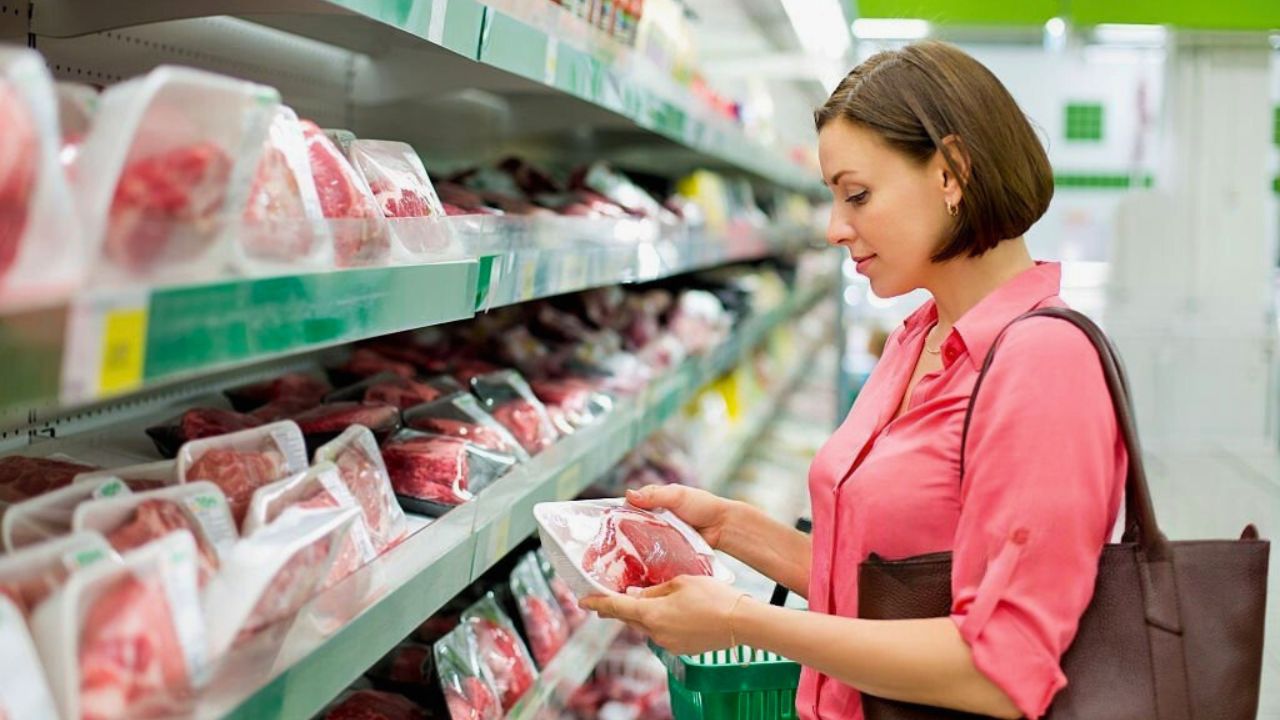
Wholesale beef numbers are still high and that usually shows up at the store next
Photo credit: 97/istock.com
Wholesale beef prices are still running hot, and you are already seeing the first signs of that heat in the meat case. When costs stay elevated at the packing and distribution level, they almost always filter into the prices you pay for steaks, roasts, and ground beef, even if there is a short lag. Right now, the numbers suggest that what you are feeling at the checkout is not a blip but part of a longer, structural squeeze.
Why wholesale beef is the signal you cannot ignore
When you look at the beef supply chain, wholesale prices sit at the crucial midpoint between ranchers and retailers, so persistent strength there is your early warning that store prices still have room to climb. You might see a temporary sale on ribeye or ground chuck, but if packers are consistently paying more for cattle and selling boxed beef at higher levels, supermarkets eventually have to pass that along. That is why traders, grocers, and serious home cooks watch wholesale benchmarks as closely as they watch the weekly circulars.
Government forecasts back up that sense of pressure. At the wholesale level, beef prices recently rose 2.6% from July to August and were 21.1% higher than a year earlier, according to a Sep outlook that also highlighted how farm-level cattle costs are feeding into the pipeline. When you see that kind of year over year jump, it tells you the squeeze is not just about holiday demand or a single storm, it is a structural imbalance that retailers will be wrestling with for months.
From cattle country to your cart: how tight supply keeps prices elevated
The core problem is that you are trying to buy beef from a national herd that has shrunk to levels not seen in generations. Earlier this year, the start of 2025 was marked by the lowest cattle numbers in the United States since 1951, a historic contraction that leaves every link in the chain competing for fewer animals. Severe drought over the past few years has forced ranchers to cull herds, sell off breeding stock, and delay rebuilding plans, which means the supply response you might expect when prices spike is simply not available yet.
That scarcity is why you keep hearing that Severe drought and low inventories will keep beef expensive even as other grocery categories stabilize. When the national herd is at its smallest since 1951, you cannot simply flip a switch and flood the market with more cattle, because it takes years to rebuild breeding stock and bring calves to slaughter weight. That lag is why you should expect tight supply to keep a floor under wholesale prices, and by extension, under the numbers you see on the shelf.
Holiday sticker shock shows how wholesale costs spill into retail
You can see the wholesale to retail link most clearly in the holiday meat case, where traditional centerpieces like prime rib and tenderloin have turned into luxury items. Retailers who locked in contracts months ago are now discovering that their cost per pound is far higher than last season, and they are adjusting price tags accordingly. For you, that means the family roast that used to be a splurge is now a serious budget decision.
Grocers are blunt about what is driving that shift. Rising wholesale costs force price increases, and one Las Vegas butcher explained that last year, prime rib was already expensive but this year matching those levels was impossible because of the surge in boxed beef and cattle prices. That kind of holiday surge, documented as Rising wholesale costs, is a preview of what you can expect in everyday cuts once retailers reset their base pricing after the festive season. When prime rib jumps, ground beef rarely stays cheap for long.
What the futures market is telling you about the next few months
If you want another window into where store prices are headed, you can look at the futures market, where traders bet real money on the direction of beef values. Recently, tight cattle supplies have lifted live cattle contracts on the Chicago Mercantile Exchange, signaling that professional buyers expect the squeeze to persist. When futures stay firm into the new year, it is a sign that feedlots, packers, and retailers are all bracing for continued high replacement costs.
Daily wholesale quotes reinforce that story. In Dec trading, Choice cuts of beef rose $1.10 to $362.73 per hundredweight, while Select cuts climbed $6.02 to $352.04, according to USDA data. When boxed beef is trading at $362.73 per hundredweight, it is unrealistic to expect your local supermarket to offer deep discounts on ribeye or strip steak for long.
Why ranchers are bullish even as shoppers feel squeezed
From your vantage point at the meat counter, it can be hard to understand why anyone would be optimistic about high beef prices, but out on the range, the mood is very different. After years of thin margins and drought-driven herd reductions, many Ranchers now see a chance to finally earn back some of what they lost. Record cattle prices this summer and into the fall have turned calves and feeder cattle into valuable assets, which is why producers are in no rush to flood the market with extra supply.
One report described how Ranchers feel bullish as cattle prices hit record highs this summer and remain elevated thanks to record low inventory, with leaders of groups like the Idaho Cattle Association expecting the shortage to continue. For you, that optimism translates into a slower rebuild of the national herd, because when producers believe high prices will last, they are more likely to hold back heifers for breeding and less likely to send extra animals to slaughter. That keeps wholesale beef values firm and extends the period during which you are paying more for every pound.
Retailers’ shrinking share of the beef dollar
Even if you feel like the supermarket is the villain in this story, the math behind the beef dollar suggests retailers are also getting squeezed. As wholesale prices climb faster than shelf prices, the share of each dollar that grocers keep for themselves shrinks, especially on heavily promoted items like ground beef or chuck roasts. That is why you may notice fewer buy-one-get-one offers or shorter sale windows, as stores try to protect razor thin margins.
A recent ANALYSIS of US 2025 beef pricing found that Beef Wholesale Costs Take Bigger Bite Out of Retails margins, documenting how the packer and processor share of the consumer dollar has grown. When comparing the Expana Beef Index to the US retail price series, the study showed that wholesale costs are capturing a larger slice of every Dollar you spend. When wholesale takes a bigger bite, retailers have less room to absorb shocks, so they are quicker to adjust shelf tags when the next round of increases hits.
Record-breaking price benchmarks and what they mean for your budget
For you as a shopper, the most tangible sign of this squeeze is the steady drumbeat of record price headlines. Each time the average price of a pound of ground beef or a prime steak sets a new high, it resets your expectations of what “normal” looks like. That psychological shift matters, because once you accept $7 or $8 per pound as standard for everyday cuts, it becomes easier for the industry to maintain those levels even if costs eventually ease.
Recent reporting by Ilena Peng for Bloomberg described how beef prices set record levels even as President Donald Trump pushed for relief, with contracts like LC=F and companies such as DRI caught in the middle of the supply crunch. The piece noted that Dec trading showed no sign of cooling, and that Thu morning quotes in PST time still reflected extremely tight conditions. When benchmark prices keep breaking records, you should assume that your household beef budget will need to stretch further, not just this week but throughout the coming grilling season.
Why this surge is especially tough for Americans who love beef
Beef holds a special place in American food culture, from backyard burgers to Sunday pot roasts, which makes this price spike feel more personal than a jump in, say, canola oil. For a lot of Americans, beef is not an occasional indulgence but a weekly staple, so even a modest increase per pound multiplies quickly across family meals. When wholesale prices stay high, you are forced to choose between paying more, buying less, or trading down to cheaper proteins.
Analysts tracking the current surge have warned that the forces driving it are unlikely to fade quickly. One Sep report titled Beef Prices Are Going Up, What’s Behind the Surge, and How Much Higher Will They Go noted that the combination of tight cattle supplies, strong demand, and higher input costs means prices may not come down any time soon. For you, that means the adjustment cannot be a one week fix, it requires rethinking how often you serve beef, which cuts you choose, and how you stretch them across multiple meals.
How to adapt your shopping and cooking while wholesale prices stay high
Even if you cannot change the wholesale market, you can change how you respond to it in your own kitchen. One strategy is to shift from premium steaks to value cuts that still deliver strong flavor, such as chuck eye, sirloin tip, or bottom round, and then use techniques like slow braising or sous vide to make them tender. Another is to treat beef as a flavoring rather than the entire plate, building meals around vegetables, beans, or grains and using smaller amounts of meat in stir fries, tacos, or pasta sauces.
You can also pay closer attention to timing. When reports note that Tight cattle supplies lift beef futures ahead of holiday trading on the Chicago Mercantile Exchange, it is a cue that pre-holiday weeks will be especially expensive, so you might stock up earlier in the season or pivot to ham and turkey for big gatherings. Over the longer term, watching indicators like the Sep forecast that began with the phrase At the and tracked August and farm-level trends can help you anticipate when the pressure might finally ease. Until then, treating beef as a planned purchase rather than an impulse buy is your best defense against wholesale numbers that are still running far above normal.
Like Fix It Homestead’s content? Be sure to follow us.
Here’s more from us:
- I made Joanna Gaines’s Friendsgiving casserole and here is what I would keep
- Pump Shotguns That Jam the Moment You Actually Need Them
- The First 5 Things Guests Notice About Your Living Room at Christmas
- What Caliber Works Best for Groundhogs, Armadillos, and Other Digging Pests?
- Rifles worth keeping by the back door on any rural property
*This article was developed with AI-powered tools and has been carefully reviewed by our editors.