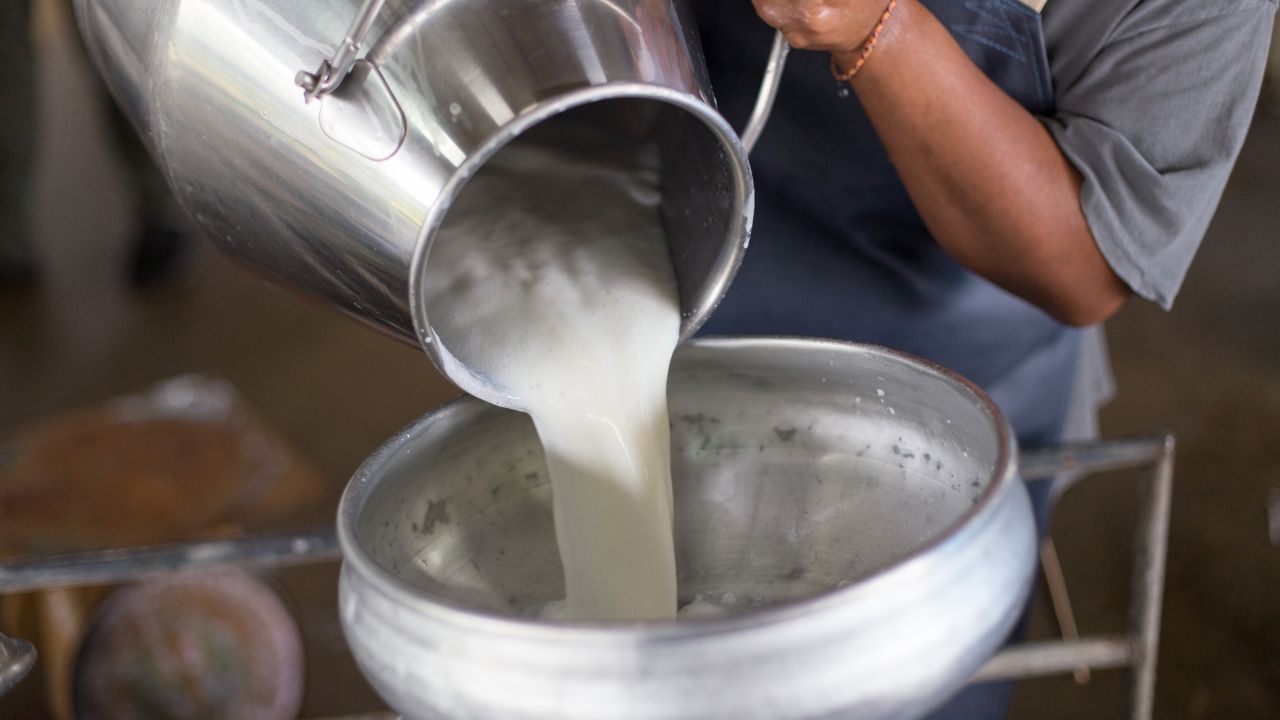
Milk safety questions are back in the news and the practical answer is still the same
Photo credit: Sinhyu Photographer/Shutterstock.com
Milk has rarely been out of the headlines this year, from bird flu in dairy cattle to recalls over cleaning chemicals and infant formula investigations. You are being asked to track virology, federal testing policy, and niche raw milk outbreaks just to decide what to pour over cereal. Strip away the noise, though, and the practical guidance that protects your household has not changed.
If you focus on how milk is produced, treated, and monitored rather than on viral clips, you can still make clear, low risk choices. That means understanding what pasteurization actually does, how regulators are responding to new threats, and where the real hazards lie for infants, children, and anyone tempted by raw milk marketing.
Why milk safety is suddenly back on your radar
You are seeing milk stories again because several different safety issues have converged, not because the basic system that keeps cartons safe has collapsed. Highly pathogenic avian influenza in dairy cattle, infant botulism investigations, and scattered recalls have all landed within the same news cycle, which makes the dairy case look more precarious than it is. When you separate those threads, you find that most involve targeted problems that regulators and producers are already isolating and correcting.
Federal investigators are still publishing an Investigation of Avian Influenza A (H5N1) Virus in Dairy Cattle that includes an Update, Ongoing Research Exploring whether Aging Raw Milk Cheese Can Reduce or Eliminate Viable H5N1 Virus March 14, 2025, and an Interim assessment of risk. At the same time, Nov reports from an Outbreak Investigation of Infant Botulism tied to Infant Formula and ByHeart Whole Nutrition have reminded parents that powdered products are not sterile. Layered on top of that, Jun analysis of federal layoffs has highlighted that Experts are watching how food oversight adapts, even as they note that, Though milk concerns bubbled up, the biggest risks are not coming from drinking it raw, which helps explain why you keep seeing dairy in broader food safety coverage.
What H5N1 in dairy cattle really means for your glass of milk
Headlines about bird flu in cows sound like a direct threat to your breakfast, but the details point to a more contained problem. The virus is circulating in specific herds, and the main question for you is whether it can survive the journey from udder to grocery shelf. That journey runs through pasteurization, which is designed to inactivate viruses and bacteria long before they reach your refrigerator.
Regulators have been explicit that The FDA is confident that pasteurization is effective at inactivating H5N1 and that the commercial, pasteurized milk supply is safe, noting that testing has not detected infectious H5N1 in retail products in the ongoing Investigation of Avian Influenza A (H5N1) Virus in Dairy Cattle. On the farm side, California officials have described Bird Flu Livestock Updates from SACRAMENTO that include California dairy herds under Quarantine and a tally of 613 Recovered Dairies from Quarantine in the AHFSS H5N1 Bird Flu in Livestock Updates, which shows you that infected herds are being pulled out of the supply chain rather than quietly blended into it.
New Wisconsin bird flu detections and what they tell you about risk
When you hear that a virus has reached a new state, it is natural to wonder if the risk to your family has changed overnight. In Wisconsin, the story is less about a sudden new danger in the dairy aisle and more about how wildlife, poultry, and cattle interact on the landscape. For you as a shopper, the key point is that these detections are being treated as discrete events, not as evidence that the entire milk system is contaminated.
Federal animal health officials have reported that the USDA Confirms Highly Pathogenic Avian Influenza in a Dairy Herd in Wisconsin, adding that this Confirms Highly Pathogenic Avian In in another state and expanding the number of states this year with affected herds, in a detailed USDA announcement. A follow up Update on Genetic Sequencing Results for Wisconsin Dairy Herd Detection of Highly Pathogenic Avian Influenza from WASHINGTO explains that most detections in U.S. dairy cattle have been linked to specific events and that this Wisconsin cluster appears separate from previous events, which is echoed in a News brief noting that the USDA says H5 avian flu detection in a Wisconsin dairy herd is a new spillover event affecting commercial and backyard poultry flocks in the Wisconsin dairy herd spillover report, and in coverage by Colleen Kottke describing how genetic sequencing tied the virus to the D1.1 strain in a new wildlife spillover account.
Pasteurization is still the workhorse that protects you
For all the complexity around viruses and recalls, your most reliable protection remains a century old heat treatment. Pasteurization is not a vague reassurance, it is a specific process that targets the pathogens most likely to make you sick, from Salmonella and Campylobacter to influenza viruses. When you choose pasteurized milk, you are opting into that layer of control, regardless of what is happening in a particular herd or processing plant.
Food policy analysts have pointed out that There is one process that has so far reliably protected humans from getting sick from many of the pathogens that can feed on milk, and that is pasteurization, even as they warn that testing amid federal workforce cuts needs to keep pace with new threats in a detailed pasteurized milk safety analysis. In parallel, a parent focused explainer that asks Is the Milk at the Grocery Store Safe answers with a clear Yes, noting that the milk you see on grocery store shelves is still subject to regular sample testing routed for pasteurization and other quality checks before it reaches you, as described in an FDA testing update for parents. Together, those pieces of reporting underline why the safest practical move for your household is to keep buying pasteurized milk and to treat it as a processed, monitored food, not a raw agricultural gamble.
Raw milk, real outbreaks, and why the romance is misplaced
Raw milk marketing leans heavily on nostalgia and naturalness, but the recent outbreak record reads very differently. When you skip pasteurization, you are not just opting out of industrial processing, you are accepting that whatever bacteria or viruses are in the herd, the environment, or the milking equipment can reach your glass intact. That tradeoff shows up in concrete outbreaks, not just in theoretical risk assessments.
Public health summaries of 2024 and 2025 list multiple 2024 – 2025 Raw Milk Outbreaks and Recalls, including a January 22, 2025 notice from CDFA Public Affairs that CDFA ANNOUNCES a RECALL of RAW milk produced at specific dairies, in a running Outbreaks and Recalls summary. In Jefferson County, Dec alerts described how Further laboratory test work completed on December 22 confirmed the presence of Campylobacter jejuni in raw milk, with officials stressing that only pasteurized products provide the protection of pasteurization, in a detailed Campylobacter contamination report. When you weigh those concrete events against the claimed benefits of raw milk, the practical answer for most households is to leave the unpasteurized experiments to research labs, not home kitchens.
Infant formula, botulism fears, and what parents should actually do
If you are caring for a baby, the word botulism is enough to make any milk story feel urgent. The current federal investigation into infant botulism linked to formula is a reminder that powdered products have their own risks, but it is also a case study in how quickly regulators can move when infants are involved. For you, the key is to follow recall instructions precisely and to understand that this is about specific brands and lots, not about all formula or all dairy.
According to Nov updates, The FDA and CDC, in collaboration with the California Department of Public Health and CDPH, are investigating Infant botulism cases with possible ties to ByHeart products, and they have emphasized that FDA will continue to provide information and keep the outbreak page updated as information becomes available in the ongoing Infant Formula investigation. At the same time, regulators have noted that FDA has not received reports linking every Infant Formula product to illness and that the search for sources for some cases is ongoing, while advising families not to use recalled ByHeart Whole Nutrition items listed in the Nov Outbreak Investigation of Infant Botulism. For your household, that means checking lot numbers, discarding or returning affected cans, and talking with your pediatrician before making any drastic feeding changes.
Recalls over cleaning chemicals show the system catching mistakes
Not every milk scare involves microbes. Some of the most visible recalls this year have centered on cleaning agents that slipped into finished products, which can cause chemical burns or stomach upset if you drink them. While that sounds alarming, the fact that these problems are being flagged, traced to specific plants, and pulled from shelves is evidence that the safety net is working, not that it has disappeared.
In the Midwest, Nov coverage highlighted how the FDA Announces Milk Recall after Gallons Sold in 2 States Could Contain Harmful Cleaning Agents, with reporter Jani Hall detailing how affected products in Illinois and Iowa were identified and removed in a recall notice about gallons sold in 2 states. The producer involved, Prairie Farms, issued its own statement from EDWARDSVILLE explaining that Prairie Farms is announcing a recall of select Prairie Farms Gallon Fat Free Mil products because they may contain a sanitizing solution that may cause illness if consumed, as detailed in an official recall announcement. For you, the practical takeaway is to treat recall alerts as part of normal food hygiene, just like checking your car’s VIN for safety campaigns, and to stop using any product that matches the listed codes.
Testing programs, federal cuts, and what “suspended” really means
Social media has seized on claims that milk testing has been suspended, which can make it sound as if cartons are now going unmonitored. The reality is more nuanced. Some specific surveillance programs have been paused or reshaped, but the core safety checks that keep contaminated milk from reaching you remain in place, and other agencies have stepped in with new strategies focused on H5N1.
One widely shared story described how The FDA Just Suspended Milk Quality Testing for Avian Flu and Other Viruses, quoting Samantha Dillard and noting that the change affects some routine screening of raw bulk milk rather than the safety standards for finished products such as pasteurized milk and cheese, in a detailed account of suspended milk quality testing. In response to broader concerns, another explainer has stressed that Apr rumors have overstated the change and that Yes, milk is still completely safe to drink and will remain that way, adding that you can be absolutely sure that the safety of the commercial milk supply is unaffected by the FDA’s suspension because other forms of oversight remain in place, as outlined in a clarification on suspended testing. On top of that, Dec policy reviews have noted that the USDA Begins Five Part National Milk Testing Strategy for HPAI and Extends Testing in dairy cattle, while the European Union releases data on Aged Raw Cow Milk Cheese, in a year of change for food safety policy. For you, the bottom line is that testing is evolving, not vanishing, and that multiple agencies are still watching the milk supply.
How to translate all of this into everyday choices
Once you zoom out from the acronyms and lab reports, the guidance for your kitchen is surprisingly straightforward. If you buy pasteurized milk from reputable retailers, pay attention to recalls, and avoid raw dairy for infants, older adults, pregnant people, and anyone with a weakened immune system, you are already following the same playbook that infectious disease specialists use at home. The science and the policy debates may shift, but those core habits have held up through outbreaks, recalls, and now bird flu in cattle.
Jun reporting on federal food safety cuts has noted that Experts are less worried about other food safety issues that have erupted in the news and that, Though milk concerns bubbled up, the biggest systemic risks are not coming from drinking it raw when you are choosing pasteurized products and following basic hygiene, as explained in a broader look at FDA and USDA layoffs. Parent focused guidance that asks Is the Milk at the Grocery Store Safe answers Yes and encourages you to keep using pasteurized milk in cooking and drinking while staying alert to sample testing and recall notices, reinforcing that the safest practical answer for your household is still the same: trust the heat treatment, respect the recalls, and leave the raw experiments to the professionals, as summarized in the grocery store milk safety explainer.
Like Fix It Homestead’s content? Be sure to follow us.
Here’s more from us:
- I made Joanna Gaines’s Friendsgiving casserole and here is what I would keep
- Pump Shotguns That Jam the Moment You Actually Need Them
- The First 5 Things Guests Notice About Your Living Room at Christmas
- What Caliber Works Best for Groundhogs, Armadillos, and Other Digging Pests?
- Rifles worth keeping by the back door on any rural property
*This article was developed with AI-powered tools and has been carefully reviewed by our editors.