Home inspectors keep finding this in pre-1990 houses—and buyers miss it
Photo credit: Ekkasit A Siam/Shutterstock.com
Walk through enough houses built before 1990 and a pattern emerges: inspectors keep flagging the same hidden hazards while buyers focus on countertops and paint colors. The most serious problems are usually baked into the structure, wiring, plumbing, and materials, and they can turn a dream purchase into a long, expensive renovation. If you understand what professionals are repeatedly finding in these older properties, you can spot trouble early, negotiate smarter, and avoid inheriting someone else’s deferred maintenance.
Instead of treating the inspection report as a mysterious checklist, you can read it like a roadmap to the home’s past. From foundation cracks and obsolete electrical panels to aging pipes, asbestos, and thin insulation, the warning signs are visible once you know where to look and which details matter most in a pre‑1990 house.
Why pre‑1990 homes hide problems in plain sight
Houses built before 1990 sit at an awkward crossroads of building eras. Many still rely on original systems that predate modern safety codes, yet they have often been updated in piecemeal fashion by different owners and contractors. You might see a fresh kitchen over a sagging structure, or new vinyl windows in walls that still contain brittle wiring and aging insulation. Inspectors who specialize in older properties say they routinely find issues that were simply not priorities when these homes were built, from minimal moisture control to limited attention to long‑term energy performance.
Because you tend to focus on finishes, you can easily miss the subtle clues that professionals treat as red flags. Uneven floors, hairline cracks near doorways, or a panel full of unlabeled breakers may not look dramatic, but they often point to deeper concerns that only a thorough inspection of hidden issues will confirm. When you are evaluating a pre‑1990 house, the real story is usually behind the walls, under the floors, and in the attic, not in the staging or the fresh coat of paint.
The foundation flaws buyers walk right past
Structural movement is one of the most expensive problems in older homes, yet you might walk right over it. Inspectors pay close attention to Foundation issues like Uneven floors and Cracks in interior walls, especially where they meet the ceiling or appear over doorways. Those small fissures and slopes can signal that the structure has shifted, that soil is settling unevenly, or that moisture has been attacking the footings for years. Cosmetic repairs, such as patched drywall or new flooring, can temporarily disguise the symptoms without addressing the underlying movement.
When you tour a pre‑1990 home, you should look for the same “Visual Clues That Scream” trouble that inspectors highlight, including long horizontal cracks, doors that do not latch, and floors that feel like ramps instead of planes. Some professionals bluntly describe certain patterns as signs to “Run Away” because they indicate systemic failure rather than a simple cosmetic fix, especially When structural red flags combine with roof issues. If you see multiple warning signs in the same area of the house, you should assume you will need a structural engineer and a serious budget, not just a handyman and a weekend.
Outdated electrical systems that quietly raise the risk
Electricity is one of the most common problem areas in older houses, and it is also one of the easiest for buyers to underestimate. Inspectors who focus on twentieth‑century properties say that “What Do” they “Consider Old Though” is anything built in that century, and they routinely find panels and wiring that no longer match modern expectations for safety or capacity. In their view, Electrical systems are probably the single biggest concern if the house hasn’t been recently updated, especially when you plan to plug in power‑hungry appliances, home offices, and electric vehicles.
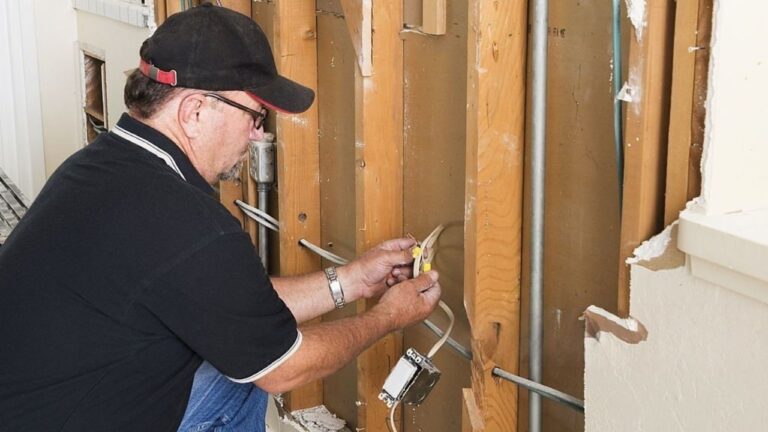
Beyond the age of the wiring, inspectors also flag “Obsolete Electrical Cabinets” that no longer meet current standards, including panels with breakers that fail to trip reliably or lack room for safe expansion. Reports on Common Concerns in Older Homes Revealed During a Home Inspection note that these cabinets often require evaluation by a licensed electrician, who will recommend replacement rather than repair. In some pre‑1990 homes, you also see a patchwork of amateur modifications, from double‑tapped breakers to junction boxes buried behind drywall, which can create fire risks that are invisible during a quick walk‑through.
Panels, circuits, and the problem of piecemeal upgrades
Even when a pre‑1990 house has a newer panel, the details matter. Inspectors who focus on older properties describe Outdated Electrical Panels with Circuit breakers Becoming loose over time, which can cause arcing and intermittent power loss. A shiny cover does not guarantee that the internal components are secure, properly sized, or correctly bonded. In some cases, the panel has been swapped out but the original undersized service line remains, limiting how much power the home can safely draw.
Substandard electrical work in general is another recurring theme in older houses, especially where owners have added rooms, finished basements, or installed hot tubs without pulling permits. You might see modern recessed lighting fed by older cloth‑covered wiring, or ground‑fault outlets installed only near the kitchen sink while the rest of the circuits remain unprotected. Inspectors often recommend a comprehensive review of the entire system in homes built before 1950, because Understanding Common Home Inspection Findings in Homes Built Before 1950, including Outdated Electrical Systems, can prevent you from inheriting a big mess. For you as a buyer, that means budgeting not just for a panel swap, but potentially for a full rewiring over time.
Plumbing: aging pipes that look fine until they fail
Plumbing is another area where inspectors repeatedly flag problems in pre‑1990 homes while buyers focus on shiny fixtures. Professional reports on older properties warn that Plumbing systems in older homes may require replacement of the home’s entire plumbing system when original materials have reached the end of their service life. Galvanized steel, aging copper, and early plastic piping can corrode, clog, or become brittle, leading to low water pressure, discolored water, and hidden leaks inside walls and ceilings.
Inspectors note that “Most” issues they see with water lines and drains start small, such as a slow drip at a hose bib or a minor stain on a ceiling, but those clues often point to larger failures waiting in the background. Guidance on how Inspectors evaluate plumbing in homes that are 50 or 60 years old emphasizes the importance of understanding the age and type of pipes installed, not just whether the faucets work on inspection day. If you are buying a house from the 1960s, 1970s, or 1980s, you should assume that at least some of the original plumbing is still in place and plan for phased replacement rather than waiting for a catastrophic failure.
Hidden leaks, drains, and the cost of ignoring “minor” issues
Water problems in older homes rarely stay confined to one spot. Once moisture finds a path, it can damage framing, insulation, and finishes long before you see obvious signs. Detailed inspection guidance on Plumbing Issues Inspectors flag explains that even small leaks around hose connections, under sinks, or at toilets can indicate failing seals or deteriorating pipes. In a pre‑1990 house, those “minor” problems may be the only visible evidence of a much older system that is reaching the end of its life.
Buyers often underestimate the cost of bringing old plumbing up to current expectations, especially when drains and vent stacks are involved. Replacing a few exposed lines in a basement is one thing; opening finished walls and ceilings to access hidden runs is another. Inspectors who advise clients on how to protect yourself when buying a house built before 1980 point out that aging Plumbing and fixtures often need to be fixed proactively, not just patched when they fail. If you treat every small stain, drip, or slow drain as a potential symptom of a larger system problem, you will be much better prepared to negotiate repairs or walk away.
Asbestos, lead, and other legacy materials
Beyond structure and systems, pre‑1990 homes often contain materials that would never be installed in a new build today. Inspectors who specialize in older properties urge buyers to “Check for Dangerous Asbestos and Lead Paint” because “Some” houses were built before certain toxic materials were fully understood. Reports on older properties explain that Asb materials can still be present in insulation, floor tiles, and joint compounds, especially in mid‑century construction. These products are often hidden under newer finishes, so you may not realize they are there until you start a renovation.
Lead is another legacy issue that shows up repeatedly in pre‑1990 houses. Guidance on Things You Should Find Out About Asbestos and Lead notes that if your house was built before 1978, it may contain lead paint on trim, windows, and doors, and that Plumbing and other components can also be affected. A separate inspection perspective puts it bluntly: “Yes,” buyers ask a lot about “Asbestos” because of its link to mesothelioma and other serious health problems. If you are planning to sand, cut, or disturb older surfaces, you should factor in testing and professional abatement, not just cosmetic updates.
Insulation, energy performance, and comfort gaps
Comfort and efficiency are often afterthoughts when you fall in love with an older home’s character, but they matter to your budget and daily life. Many pre‑1990 houses were built with minimal insulation by today’s standards, and whatever was installed has often settled, compressed, or been disturbed by previous work. Inspection specialists point out that Insulation is one of the issues that can get missed in a standard inspection, even though changing requirements under Virginia Code and other regulations mean existing homes may be underinsulated. That gap shows up as drafty rooms, cold floors, and high utility bills, especially in climates with real winters.
In a pre‑1990 house, you should not assume that walls, attics, and crawl spaces are properly insulated just because the home feels acceptable on a mild day. Inspectors who focus on older properties recommend checking for consistent coverage, air sealing around penetrations, and moisture control in addition to R‑values. When you combine better insulation with upgrades to outdated mechanical systems, you can significantly improve comfort without sacrificing the architectural character that drew you to the home in the first place. The key is to treat energy performance as a core part of your due diligence, not an optional upgrade you will “get to later.”
How to use your inspection to negotiate, plan, or walk away
Once you understand what inspectors keep finding in pre‑1990 houses, you can approach your own purchase with a clearer strategy. Instead of skimming the report for a short list of “must‑fix” items, you can group findings into structural, safety, system, and comfort categories, then decide which ones you are willing to take on. Guidance on Older Homes Revealed During a Home Inspection, When major systems are obsolete suggests that some issues, such as failing foundations or severely outdated electrical cabinets, justify walking away or demanding substantial concessions, while others, like modest insulation upgrades, can be planned over time.
Your goal is not to find a flawless pre‑1990 house, because almost none exist, but to buy with your eyes open. By paying attention to foundation movement, obsolete wiring, aging plumbing, legacy materials like asbestos and lead, and thin insulation, you can build a realistic budget and timeline for improvements. That way, when your inspector points out the same recurring problems they see in older homes every week, you will not be caught off guard. You will be ready to decide whether the house’s history is one you are prepared to continue, or a story you would rather leave to someone else.