The fastest way a small leak turns into a full gut job (and how to catch it early)
Photo credit: Tiko Aramyan/Shutterstock.com
Water rarely announces itself with a dramatic burst. In most homes, the disaster that ends in ripped-out drywall and a full gut renovation starts with a quiet drip behind a cabinet or a faint stain on the ceiling. If you understand how quickly that “small” problem escalates, you can spot the early clues, act fast, and keep your walls, floors, and budget intact.
The fastest way to stop a minor leak from turning into a major rebuild is to treat every sign of moisture as a structural warning, not a cosmetic flaw. That means learning what to look for, how long you really have before damage sets in, and which tools and habits give you an edge long before you are calling contractors for demolition bids.
How a tiny drip becomes a demolition project
Water damage is rarely about the single moment when something breaks. It is about how long moisture is allowed to sit inside materials that were never meant to stay wet. A pinhole in a pipe, a loose fitting under a sink, or a hairline crack in a roof can feed a steady trickle into insulation, subflooring, and framing. Over days and weeks, that trickle saturates porous materials, breaks down glues and finishes, and invites mold into every hidden cavity.
Professionals who deal with cleanup see the same pattern repeat: what started as a “silent” drip ends up soaking drywall, wicking into framing, and staining ceilings and floors. One analysis of Silent Small Leaks Cause Big Problems explains that slow moisture can spread under carpets, into ceilings and under floors, turning a localized repair into a multi-room remediation. By the time you see bubbling paint or sagging plaster, the water has often been traveling for a long time, which is why early detection is the only real shortcut to avoiding a gut job.
The real timeline: from first drip to structural damage
Once water starts entering your home, the clock is not measured in months, it is measured in hours and days. Roofing specialists warn that when you have a Leaking Roof, moisture can begin saturating insulation and drywall within 24 to 48 hours, and wooden components like joists and rafters can start to warp soon after if the leak continues. That warping is not just cosmetic; it can change how loads are carried through the structure, which is exactly the kind of hidden problem that forces contractors to open up large sections of a house to make repairs.
Over longer periods, the risk shifts from surface damage to deeper compromise. Building experts who focus on gradual deterioration describe how repeated wetting and drying cycles weaken fasteners, rust metal connectors, and rot wood when leaks are not addressed in a timely manner. What might have been a simple patch and paint job in the first week can, after a season of neglect, require replacing sections of framing, subfloor, and roof deck. That is the moment a small leak graduates into a full-scale renovation, not because the initial failure was dramatic, but because time was allowed to do its quiet work.
Early visual and sensory clues you cannot afford to ignore
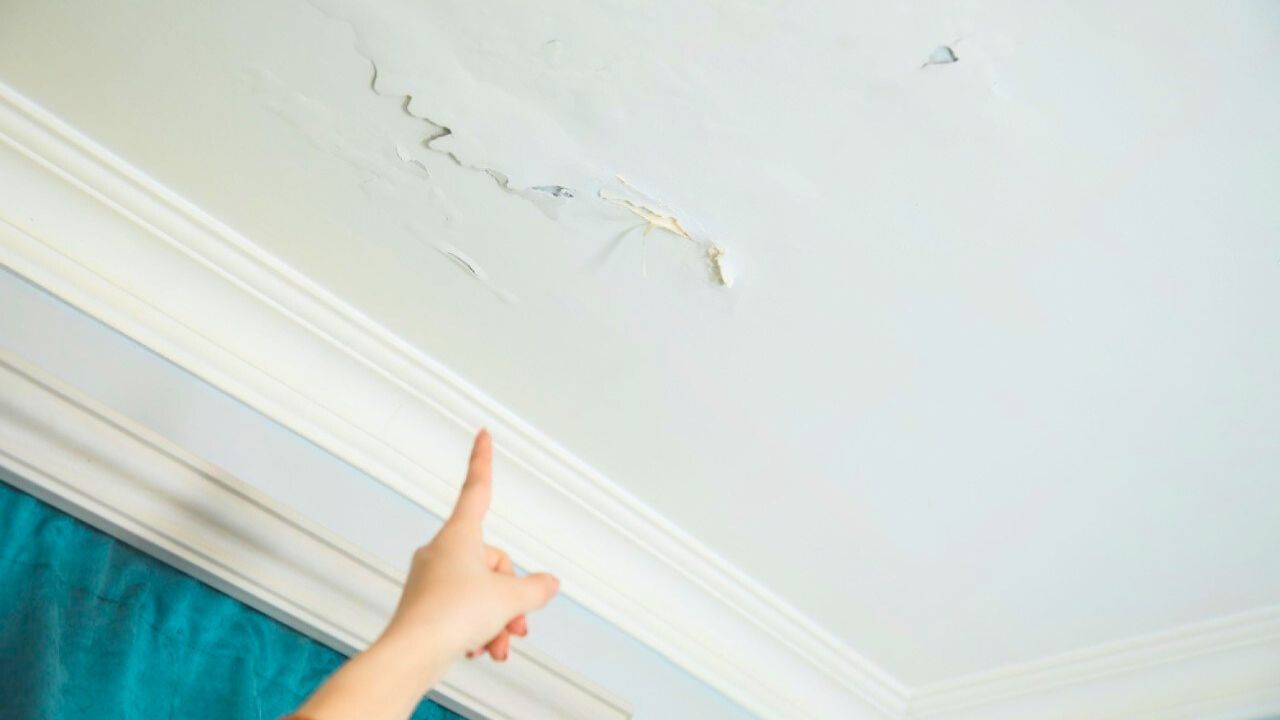
Your first line of defense is your own senses. Subtle changes in how your home looks, smells, and sounds often show up long before water is visibly pooling. Restoration specialists list Early Warning Signs of a Water Leak such as unexplained stains on ceilings or walls, peeling paint, warped baseboards, and mold growth in unexpected areas. A musty odor in a closet that shares a wall with a bathroom, or a faint squish in a section of laminate flooring, is your cue that moisture is present even if you cannot see the source yet.
Plumbing specialists echo that advice, pointing to damp spots and discolored walls as classic signs of hidden water lines leaking inside cavities. If you notice a patch of drywall that feels cooler or softer than the surrounding area, or a line of discoloration that seems to grow over time, you are likely seeing the edge of a much larger wet zone behind the surface. Treat these clues as you would smoke from behind a door: you may not see the flames yet, but you should not wait to investigate.
How slow leaks feed mold and rot behind the scenes
Even when a leak is small enough that it never drips into view, the moisture it delivers can radically change the environment inside your walls. Mold spores only need a little water and organic material to thrive, and building materials like drywall paper, wood framing, and carpet backing provide both. Specialists who track Moisture Damage Via Slow Leaks in Louisiana Properties note that water easily penetrates porous building materials, causing mold growth and damaging the structure of your home when leaks are left uncorrected. Once mold colonies are established, remediation often requires removing entire sections of wall or ceiling to access and clean the affected areas.
Rot is the other slow-moving consequence that turns minor leaks into major rebuilds. When wood stays damp, fungi begin breaking down its fibers, reducing its strength and stiffness. Over time, that can mean floor joists that bounce, window headers that sag, or sill plates that crumble. Because this decay happens out of sight, you may not realize the extent of the problem until a contractor opens up the area and finds that multiple components have to be replaced. At that point, the job is no longer about fixing a leak, it is about rebuilding the parts of the house that leak quietly destroyed.
Plumbing trouble spots: from under-sink drips to slab leaks
Most water damage inside a home starts with plumbing, and certain locations are repeat offenders. Under-sink cabinets, for example, hide a tangle of supply lines, shutoff valves, and drain connections that can loosen over time. Technicians who specialize in small repairs point out that There are two kinds of leaks beneath a sink, a supply line leak or a drain leak, and each can drip for months into the cabinet base and subfloor if you rarely look inside. Catching these early is as simple as running your hand along the lines while the water is on and checking for dampness or corrosion.
Elsewhere in the system, hidden lines inside walls or under slabs can be harder to spot, but they still leave clues. Home service experts who explain How to Detect and Fix Hidden Water Leaks warn that unexplained warm spots on floors, constantly running water meters, or the sound of water when fixtures are off can indicate a broken pipe or a bigger problem. Because these leaks often saturate structural concrete or framing before they show on the surface, they are exactly the kind that turn into large-scale demolition if you delay investigation.
Roof, exterior, and “mystery” leaks that travel far
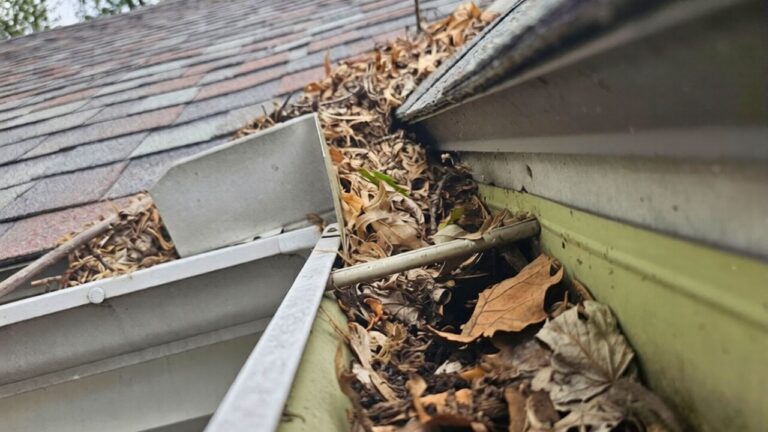
Not every leak starts at a pipe. Roof penetrations around vents, chimneys, and skylights, as well as flashing where roofs meet walls, are common entry points for rainwater. When those details fail, water can travel along rafters and joists before finally appearing as a stain in a completely different room. Roofing guidance on How Long Can You Leave It Unfixed makes clear that even a small breach can let enough moisture in within 24 to 48 hours to start warping wood and damaging insulation, so any ceiling stain under a roofline deserves immediate attention.
Exterior walls and windows can also be sources of “mystery” leaks that show up as interior damage far from the actual entry point. Water can slip behind siding, around poorly sealed windows, or through cracks in masonry, then run down sheathing until it finds a path inside. Because these leaks are driven by wind and rain rather than constant water pressure, they may be intermittent, which tempts you to dismiss them when the stain dries. That is a mistake. Intermittent wetting still feeds mold and rot, and over time it can compromise sheathing and framing just as severely as a plumbing failure.
Using your water bill, senses, and simple tech as an early warning system
Beyond visual clues, your utilities and a few inexpensive tools can act as an early warning system. A sudden spike in usage is one of the clearest signs that water is escaping somewhere it should not. Plumbing experts who focus on seasonal maintenance emphasize that Knowing how to find a water leak before it is too late can prevent costly repairs and high water bills, and they flag an unexplained increase in consumption as a key red flag. If your bill jumps and your habits have not changed, you should start looking for hidden leaks immediately.
Technology can make that search faster and more precise. Guides that walk homeowners through Signs You Have a Water Leak highlight basic leak detectors that sit on floors or under appliances and sound an alarm when they sense moisture. More advanced systems can monitor flow at the main line and shut off water automatically if they detect continuous usage that looks like a break. Combined with your own attention to musty smells, damp textures, and the sound of running water, these tools give you multiple chances to catch a problem while it is still small.
When DIY checks are enough, and when to call in pros
You do not need specialized training to perform basic leak checks, and doing so regularly can save you thousands. Step one is to walk your home with intention: look under sinks, behind toilets, around water heaters, and near washing machines for any sign of moisture or corrosion. Practical guides to DIY leak detection urge you to be alert for musty, damp odors and discolored surfaces, which often signal leaks that need immediate attention. You can also use your water meter as a diagnostic tool by shutting off all fixtures and seeing if the meter still moves, a sign that water is escaping somewhere in the system.
There is a point, however, where guesswork becomes risky. If you suspect a leak inside a wall, under a slab, or in a main line, specialized tools like acoustic sensors and thermal cameras can pinpoint the problem with minimal damage. A homeowner’s guide that explains How Can a Leak Be Detected notes that some methods require expertise and specialized tools, especially when the source is not obvious. Professional services that focus on Leak Detection Technology Is Better Than Ever now use equipment that can find even the smallest leaks without tearing open large sections of your home, which is far cheaper than exploratory demolition after the damage has spread.
Habits that keep small leaks from ever starting
Preventing leaks is as important as spotting them. Simple habits like tightening loose fittings, replacing aging supply lines with braided stainless versions, and insulating pipes in unconditioned spaces reduce the odds of sudden failures. Conservation campaigns that urge you not to ignore small drips point out that a slow drip from a faucet may not seem like much, but it can waste more than 3,000 gallons per year, and that same neglect can also mask a worsening seal or valve that eventually fails outright. Fixing these issues promptly protects both your water bill and your fixtures.
Awareness is another habit you can build. Leak specialists who outline 7 Early Warning Signs of a hidden leak encourage you to treat recurring mold, peeling wallpaper, or unexplained puddles as patterns, not isolated annoyances. Regularly walking your property after heavy rain, listening for hissing or dripping when the house is quiet, and scheduling periodic plumbing inspections in older homes all stack the odds in your favor. The goal is not perfection, it is shortening the time between a leak starting and you taking action, so it never has the chance to become a gut job.
Why “leaks” are a useful metaphor for your health too
The idea that small, ignored problems can quietly undermine a system is not limited to buildings. Medical researchers use the language of plumbing to describe conditions like leaky gut, where the intestinal barrier that usually works quite well can, for some people, spring leaks much like an overused pipe. When that barrier is compromised, substances that are meant to stay inside the digestive tract can pass into the bloodstream, creating inflammation and other downstream issues. The core lesson is familiar: a system that looks fine on the surface can be struggling in ways you cannot see if you ignore early discomfort or subtle changes.
Even lifestyle choices can temporarily affect how “tight” that system is. Nutrition experts note that Your gut gets leakier for a few hours after a heavy or prolonged workout, especially if your gut is prone to being leaky already, which is why recovery and moderation matter. Thinking about your home the way you think about your body, as a system that needs regular checkups and quick responses to small warning signs, can shift how you respond to that first drip or stain. Instead of waiting for a crisis, you start treating every leak as a message to act now, while the fix is still simple and the walls are still intact.